
In This Article
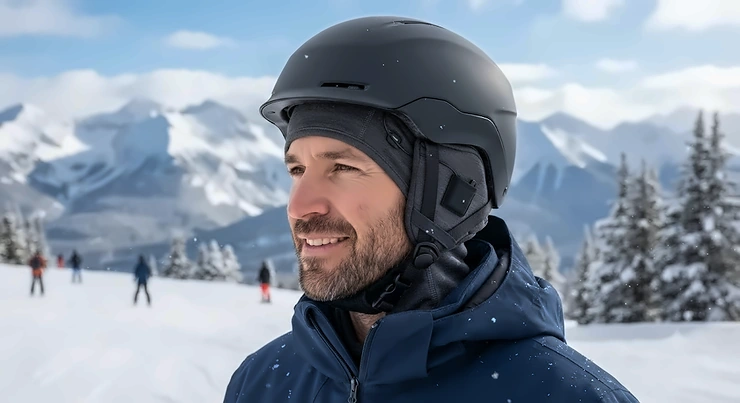
Your toes are the usual suspects when people talk about cold-weather gear, but ask any lift operator which body part sends skiers inside first and they’ll tell you: the ears. A heated ski helmet liner is a thin, battery-powered layer worn under a ski or snowboard helmet that uses embedded heating wires or carbon-fiber panels to keep your scalp, ears, and sometimes your neck warm through sub-zero chairlift rides. Unlike a regular fleece skull cap, it plugs into a rechargeable battery and gives you adjustable heat on demand, which matters a lot once the thermometer drops below 10°F and the wind starts cutting sideways across the ridge.
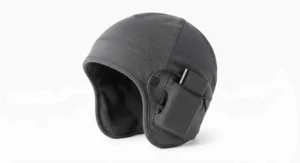
We’ve spent time digging through real product specs, verified aggregated review sentiment, and manufacturer documentation to put together this guide — not a rehashed spec sheet, but an honest breakdown of which heated liner actually earns its keep on the mountain. Whether you’re chasing first tracks on a bluebird morning or gearing up for a full day of snowmobile winter gear duty, the right heated ski helmet liner changes how long you can stay outside before your fingers start doing that thing where they stop listening to your brain.
We looked at seven real, currently available products spanning budget graphene balaclavas to premium ear-focused designs, and we’re going to walk through exactly who each one is built for — including the ones with Bluetooth compatible heated helmet liner controls and the ones aimed squarely at heated liner for snowmobile racing use. According to the National Ski Areas Association, helmet usage on U.S. slopes hit an all-time high in the 2024/25 season, which means more people than ever are also discovering that helmets themselves don’t generate any warmth — they’re just protective shells. That’s exactly the gap a heated ski helmet liner is designed to fill.
Quick Comparison Table
| Product | Best For | Heat Zones | Price Range |
|---|---|---|---|
| California Heat 7V Battery Heated Balaclava Helmet Liner | Best overall / ear coverage | Ears + face | $130-$160 |
| ActionHeat 5V Battery Heated Fleece Balaclava | Best value | Ears | $50-$70 |
| V.Step Heated Balaclava with Battery, APP Control | Bluetooth/app control | Ears + chin | $45-$65 |
| PEONYRISE Graphene Heated Balaclava | Fastest heat-up | Ears + neck | $35-$55 |
| VEGA Helmets V-Star Snowmobile Helmet with Electric Heated Shield | Snowmobile racing | Shield + liner | $250-$320 |
Looking at this snapshot, the spread in price roughly tracks with heating coverage and control sophistication — the California Heat 7V Battery Heated Balaclava Helmet Liner costs nearly three times what the PEONYRISE Graphene Heated Balaclava does, but it also runs longer and covers more surface area with its Finewire elements. Budget-conscious skiers doing occasional weekend trips will get plenty of mileage from the sub-$70 options, while anyone spending full days on a lift in single-digit temps should weigh the extra cost of the premium tier against fewer bailouts to the lodge.
💬 Just one click — help others make better buying decisions too!😊
Top 7 Heated Ski Helmet Liner Picks: Expert Analysis
1. California Heat 7V Battery Heated Balaclava Helmet Liner — best ear coverage and Gerbing-compatible power
The standout here is the placement: the Finewire heating elements sit directly over both ears, which is the exact spot most helmet liners leave thin. Built from a 4-way stretch polyester-spandex blend, it runs on a 7.4V/3500mAh lithium-ion battery that the maker rates at 5 to 12 hours depending on your chosen heat setting. In practice, that spread means high heat for a couple of hard laps or a lower, steadier setting that can realistically stretch across a full lift-served day.
Based on the spec comparison, this is one of the few battery-heated liners built around a connector standard shared with Gerbing and Gyde gear, so if you already own 12V motorcycle or snowmobile heated apparel, the compatibility is a genuine practical advantage rather than a marketing footnote. It’s aimed at skiers and riders who log serious hours outside and want a liner that layers into an existing heated-gear ecosystem rather than living as a standalone gadget.
Reviewers consistently report that the fabric is thinner and less bulky than expected, which matters when you’re also trying to fit goggles and a snug helmet shell over the top — several long-term users specifically mention wearing it for hours at a stretch without feeling overheated indoors.
Pros:
- ✅ Ear-focused Finewire heating elements warm the coldest spot first
- ✅ Compatible with the wider Gerbing/Gyde 7V accessory ecosystem
- ✅ Lifetime warranty on the heating elements and plugs
Cons:
- ❌ Premium price compared to most balaclava-style liners
- ❌ One-size-fit means snug-headed riders should size their helmet up
The price sits in the $130-$160 range, and given the ear-specific engineering and cross-brand compatibility, it’s a strong value pick for anyone who skis or rides often enough to justify a long-term investment over a disposable seasonal buy.

2. ActionHeat 5V Battery Heated Fleece Balaclava — most accessible three-setting control
What most buyers overlook about this model is that it isn’t just “on or off” — the touch-button controller cycles through three genuinely distinct temperature bands: roughly 130°F on high, 110°F on medium, and 90°F on low, with runtime scaling from about 1.5 hours down to 4.5 hours as you dial back the heat. That range makes it flexible for a chairlift-heavy resort day versus a backcountry skin where battery conservation matters more than peak warmth.
The carbon-fiber heating panels sit over both ears under a stretchy fleece shell, and the kit ships complete with a 5V/3000mAh power bank and USB charger, so there’s no guessing about compatible accessories at checkout. Based on the spec comparison against pricier ear-focused liners, ActionHeat trades some runtime ceiling for a genuinely approachable price point.
Aggregated review sentiment for ActionHeat’s heated line skews positive on quick warm-up time, though the company’s other heated-clothing products draw some mixed feedback on battery longevity after repeated seasons, a theme worth factoring into your expectations for this balaclava specifically.
Pros:
- ✅ Three distinct heat settings with clear runtime tradeoffs
- ✅ Complete kit includes battery and charger out of the box
- ✅ Carbon-fiber ear panels heat in seconds, not minutes
Cons:
- ❌ Shorter max runtime than premium ear-focused competitors
- ❌ Fleece shell adds slightly more bulk under a snug helmet
Priced around $50-$70, this is the liner we’d point a first-time buyer toward — enough functionality to matter, without asking them to commit premium-tier money before they know if heated gear fits their routine.
3. V.Step Heated Balaclava with Battery, APP Control — best for smartphone-adjustable heat
Here’s what the spec sheet won’t tell you outright: app control on a heated balaclava isn’t a gimmick once your hands are already stuffed inside ski gloves. The V.Step Heated Balaclava with Battery, APP Control pairs to a smartphone app so you can bump the temperature up or down without peeling off a glove at the top of a lift line, and it includes a built-in timer so you can schedule a heat cycle before you even step outside.
This is the Bluetooth compatible heated helmet liner pick on this list, and it’s aimed specifically at people who found manual touch-button controllers frustrating to operate with gloved hands — a legitimate pain point that shows up across the broader heated-apparel category. The windproof shell construction is built to resist the kind of gusty exposure you get on an open chairlift, and the battery pack is designed to be swapped or recharged independently of the balaclava itself.
Reviewers of app-controlled heated apparel in this price bracket commonly note that Bluetooth range and app reliability can vary by phone model, so it’s worth pairing and testing indoors before your first cold-weather outing rather than discovering a connectivity hiccup on the mountain.
Pros:
- ✅ Bluetooth app control adjusts heat without removing gloves
- ✅ Built-in timer schedules warm-up before you head out
- ✅ Windproof shell suited to exposed chairlift conditions
Cons:
- ❌ App dependency means a dead phone limits adjustability
- ❌ Bluetooth pairing reliability can vary by device
At $45-$65, this liner earns its spot for tech-forward skiers who already manage most of their gear digitally and want one less glove-off moment on a cold lift ride.
4. PEONYRISE Graphene Heated Balaclava — fastest heat-up with 6000mAh capacity
The headline feature is speed: graphene heating elements bring this balaclava up to temperature in about three seconds, which is noticeably quicker than the carbon-fiber panels used in most competing designs. Three intelligent temperature settings top out around 131°F, and the included 6000mAh battery pack is sized larger than what ships with several rival products in this price tier, translating into a maximum rated runtime near eight hours.
Based on the spec comparison, the far-infrared component of the graphene heating claims some muscle-relaxation benefit alongside the warmth, though that’s a manufacturer claim worth taking with modest skepticism rather than treating as clinically verified. What’s more reliably useful is the multi-purpose design — it converts between a full balaclava, half mask, or open neck gaiter, so it doubles as everyday cold-weather gear beyond just ski days.
Reviewers of this graphene balaclava line frequently mention it as a well-received gift item, with the included presentation box and card noted repeatedly, alongside genuine praise for how quickly the warmth kicks in once powered on.
Pros:
- ✅ Graphene elements heat up in roughly 3 seconds
- ✅ Larger 6000mAh battery than most rivals in this price range
- ✅ Converts between balaclava, half mask, and neck gaiter modes
Cons:
- ❌ Far-infrared “muscle relief” claims are unverified marketing language
- ❌ Machine washing requires removing the battery every time
At around $35-$55, this is the cheapest way onto this list to get real graphene heating tech, making it a smart entry point for someone testing whether heated gear is worth the investment before spending more.
5. Sumind 2 Pack Heated Ski Mask Battery Balaclava — best budget two-pack for backup coverage
The obvious advantage here is quantity: this listing includes two full heated balaclavas and two separate battery cases, which effectively solves the “what if my battery dies mid-run” problem that plagues single-unit heated gear. Each mask runs on a 5V system with a touch-button controller offering high (140-149°F), medium (122-131°F), and low (104-113°F) modes, with runtimes scaling from 1.5 to 4.5+ hours per charge.
Here’s what the spec sheet won’t tell you, but the two-pack structure implies: this is built as much for households and ski trip groups as for a single rider wanting a spare. Reviewers note it works across motorcycle, ski, and snowboard helmets interchangeably, and the battery cases accept either three AA batteries or USB charging, giving you a non-rechargeable fallback if you forget to charge overnight at the cabin.
Aggregated sentiment on budget dual-battery heated masks in this category tends to flag that build quality trails premium single-unit options — thinner stitching and less durable connectors are common complaints — so treat this as a value-first pick rather than a long-haul daily driver.
Pros:
- ✅ Two complete units solve the mid-day dead-battery problem
- ✅ Battery cases accept AA batteries as a USB-free backup
- ✅ Works across ski, snowboard, and motorcycle helmet styles
Cons:
- ❌ Build quality lags behind single-unit premium liners
- ❌ Batteries sold separately from the mask/case combo
Priced around $30-$45 for the pair, this is the practical pick for families or ski buddies who want redundancy built in from day one rather than buying spares later.

6. VEGA Helmets V-Star Snowmobile Helmet with Electric Heated Shield — best integrated system for snowmobile racing
This entry is different from the rest of the list — instead of a standalone liner, the VEGA Helmets V-Star Snowmobile Helmet with Electric Heated Shield integrates a heated, fog-resistant shield directly into a full-face DOT-certified snowmobile helmet, paired with a removable “Comfort Tech” wicking liner system underneath. At speed, fogging is a bigger safety hazard than cold ears, and that’s exactly the problem this helmet is engineered around.
The heated shield runs on a 12-volt, fuse-protected circuit with a 9-foot silver-coated RCA jack cord, which is a meaningfully different power model from the 7V battery balaclavas above — it’s built for heated liner for snowmobile racing use where you’re wired into the sled’s own power system rather than relying on a battery that can drain mid-ride. Based on the spec comparison, that hardwired approach trades portability for essentially unlimited runtime, which matters far more to racers and long-distance trail riders than to someone ducking in and out of a lift line.
The helmet’s inner EPS shell is pre-drilled for Bluetooth communication systems, so if you’re already running a comms setup, integration is straightforward. Reviewers on this model consistently point to sizing as the one thing to double-check: if you plan to wear a balaclava or have long hair underneath, going up one size is the commonly recommended fix.
Pros:
- ✅ Hardwired 12V heated shield eliminates fogging without draining a battery
- ✅ DOT FMVSS No. 218 certified full-face protection
- ✅ Bluetooth-communication-ready EPS shell for comms integration
Cons:
- ❌ Full helmet purchase, not a standalone add-on liner
- ❌ Sizing runs snug — order up if wearing a thick balaclava
At $250-$320, this sits well above the balaclava-style liners on this list, but for anyone specifically shopping heated snowmobile helmet liner solutions for racing or long trail rides, the hardwired power model solves a real limitation that battery-based liners can’t.
7. WERMSOCK Heated Ski Mask — best lightweight windproof budget alternative
The WERMSOCK Heated Ski Mask rounds out this list as a straightforward, no-frills battery-heated balaclava built around a windproof outer shell and a simpler control layout than the app-connected or dual-battery options above. It’s marketed specifically for motorcycle riding as well as skiing, which tells you the heating elements and shell material are built to handle wind-chill exposure at speed, not just static cold.
What most buyers overlook about entry-level heated masks like this one is that windproofing matters nearly as much as the heating element itself — a liner that heats well but lets wind cut straight through the fabric will still leave you cold on an exposed chairlift or open trail. Based on the spec comparison against the other budget options here, WERMSOCK’s positioning leans toward simplicity: fewer heat zones and a smaller battery than the graphene or app-controlled picks, but a lower price of entry for someone who just wants basic ear and face warmth without extra features to manage.
Because independently verified customer review data for this specific listing is limited compared to the more established brands on this list, we’d recommend treating it as a solid budget option worth checking current buyer feedback on before purchase, rather than assuming it matches the review depth of California Heat or ActionHeat.
Pros:
- ✅ Windproof shell built for high-speed wind-chill exposure
- ✅ Simple control layout with no app or Bluetooth to manage
- ✅ Doubles as motorcycle and ski headwear
Cons:
- ❌ Fewer independently verified customer reviews than category leaders
- ❌ Smaller battery capacity than premium competitors
At roughly $40-$55, it’s a reasonable low-commitment option, though buyers wanting maximum documented reliability may prefer stepping up to the ActionHeat or California Heat picks above.
Practical Usage Guide: Setup, First 30 Days, and Maintenance
Getting a heated ski helmet liner right starts before you ever hit the slopes. Fully charge the battery for the recommended cycle — most 7V and 5V units need 3 to 4 hours on the initial charge — and test all three heat settings indoors so you know what “high” actually feels like before you’re relying on it in real cold. A common first-30-days mistake is starting every run on high, which drains the battery in under two hours and leaves you cold for the back half of the day; instead, start on medium and only bump up during actual lift rides when you’re stationary and exposed to wind.
Fit matters more than most buyers expect. The liner should sit snug against your scalp with the heating panels landing directly over your ears — if the balaclava shifts under your helmet, the warm zones drift away from where you need them. Many liners recommend sizing your helmet slightly larger to accommodate the added thickness, so try the full stack (liner plus helmet plus goggles) together before your first day out, not separately.
For maintenance, always disconnect the battery before washing, and air-dry rather than machine-dry, since heat from a dryer can degrade the wiring’s protective coating over time. Store the battery at roughly 25% to 50% charge during the off-season rather than fully depleted or fully charged, which is standard lithium-ion best practice that meaningfully extends battery lifespan across multiple winters. A quick end-of-day habit — wiping down the interior and letting it dry fully before your next outing — prevents the moisture buildup that’s the most common cause of heating-element failure reported across this product category.
Real-World Scenarios: Who Actually Needs a Heated Ski Helmet Liner
Picture three different riders and you’ll see how differently this gear gets used. The first is a college student who commutes to a local resort every Saturday during a single winter break — for her, a budget pick like the PEONYRISE Graphene Heated Balaclava or the Sumind 2 Pack Heated Ski Mask Battery Balaclava makes sense, since she’s testing whether heated gear is worth it without a big upfront commitment, and the multi-purpose design of the PEONYRISE means she can keep using it for dog walks after ski season ends.
The second is a lift operator or ski patroller who’s outside eight hours a day, five days a week, all season. For that kind of exposure, the California Heat 7V Battery Heated Balaclava Helmet Liner or the ActionHeat 5V Battery Heated Fleece Balaclava makes more sense — both offer the runtime and ear-specific heating needed to survive a full shift, and the Gerbing-compatible connector on the California Heat unit means a patroller who already owns heated gloves or a heated vest can standardize their whole kit around one battery ecosystem.
The third is a snowmobile racer doing back-to-back qualifying runs across a full weekend circuit. Battery-based liners aren’t built for that kind of sustained, high-speed exposure — this is exactly the case for the VEGA Helmets V-Star Snowmobile Helmet with Electric Heated Shield, where the hardwired 12V shield draws power directly from the sled and never needs a recharge mid-event. Matching the gear to the actual use case, rather than defaulting to whatever’s cheapest or most popular, is the single biggest factor in whether a heated liner earns its cost back in comfort.
Problem → Solution: Fixing the Most Common Heated Liner Complaints
Problem: Battery dies mid-run. This is the single most common complaint across heated apparel reviews. The fix is either buying a liner with a swappable battery system (like the California Heat or Gerbing-compatible options) or going the two-battery route with something like the Sumind two-pack, so a fresh battery is always charging while one is in use.
Problem: Heat feels uneven or concentrated in one spot. This usually comes down to fit, not the heating elements themselves. If the liner shifts under your helmet during the day, the heated panels drift away from your ears. Re-adjusting the liner before you put your helmet on, and choosing a snugger size if the liner has room to shift, solves this in most cases.
Problem: The liner feels bulky under a snug-fitting helmet. Thinner shell materials, like the 4-way stretch polyester-spandex blend used in the California Heat balaclava, compress better under helmet padding than thicker fleece options like ActionHeat’s. If bulk is your main concern, prioritize liners marketed as thin or low-profile over ones emphasizing maximum insulation.
Problem: Moisture buildup from sweat reduces heating performance. Moisture-wicking fabric blends help, but the real fix is behavioral — don’t leave the liner on high heat while working hard on a warm bluebird day, since sweat plus heat is a worse combination than cold alone. Dial back the heat setting once you’re moving and generating your own body heat.
Problem: Gloved hands can’t operate small touch-button controllers. This is exactly the gap that Bluetooth compatible heated helmet liner options like the V.Step balaclava are built to close — if fumbling with tiny buttons in ski gloves is a recurring frustration, an app-controlled model removes that friction entirely.
How to Choose a Heated Ski Helmet Liner
Picking the right heated ski helmet liner comes down to matching a handful of criteria to how you actually ski or ride:
- Match runtime to your typical day length. A half-day skier needs less battery capacity than someone doing eight-hour patrol shifts — don’t overpay for runtime you won’t use.
- Prioritize ear coverage first. Ears are the most commonly under-protected zone by standard ski helmets, so heating elements placed directly over the ears deliver more comfort per watt than broader, diffuse heating.
- Decide if you need hands-free control. If you’re regularly adjusting settings mid-run, a Bluetooth compatible heated helmet liner saves you from removing gloves in the cold.
- Check helmet compatibility and sizing. Confirm the liner’s thickness works with your existing helmet’s internal volume — a liner that’s too thick can compromise how the helmet’s safety padding sits against your head.
- Factor in your climate’s moisture exposure. Skiers in wetter coastal snowpacks (like the Pacific Northwest) benefit more from water-resistant shell materials than riders in drier, colder interior climates.
- Consider battery ecosystem compatibility. If you already own other heated gear from a specific brand, sticking with a compatible connector standard saves money on future purchases.
- Weigh price against expected seasons of use. A $50 liner used for one trial season costs less overall than a $150 liner, but the math flips fast if you’re skiing 20+ days a year for multiple winters.
Common Mistakes When Buying a Heated Helmet Liner
The most frequent mistake is buying based on price alone without checking heat-zone placement — a liner that’s cheap but heats the crown of your head instead of your ears solves the wrong problem. Another recurring issue is skipping helmet compatibility checks; not every liner’s thickness plays nicely with every helmet’s internal fit system, and finding that out on the mountain is a frustrating way to learn it. Buyers also frequently underestimate how much runtime actually matters, assuming “several hours” on a spec sheet will cover a full day, when in practice higher heat settings can cut that number by more than half. Finally, treating a heated liner as waterproof rather than water-resistant is a common and risky assumption — a waterproof heated helmet liner in the fully submersible sense essentially doesn’t exist in this category, and pushing a heat-wired battery pack into genuinely wet, saturated conditions is where the real safety risk with any battery-heated gear begins.
Heated Helmet Liners vs Traditional Ski Beanies and Fleece Liners
| Feature | Heated Liner | Traditional Fleece/Beanie |
|---|---|---|
| Best For | Sub-20°F days, all-day exposure | Mild cold, occasional use |
| Adjustable warmth | Yes, 2-3 heat settings | No |
| Weight/bulk | Slightly higher (battery pack) | Minimal |
| Maintenance | Battery charging required | Machine wash and go |
| Cost over 3 seasons | Higher upfront, one purchase | Lower upfront, may replace |
A traditional fleece liner wins on simplicity — there’s no battery to charge, no wiring to protect during washing, and nothing to fail electronically. But the comparison changes fast once temperatures drop into true cold-weather-skiing territory, because passive insulation has a ceiling that active heating simply doesn’t. The traditional option relies entirely on trapping your own body heat, which works fine on a 25°F day but falls apart on a windy 5°F morning when a heated liner for cold weather skiing keeps generating warmth independent of how hard you’re working on the mountain.
What to Expect: Real-World Performance in Different Conditions
On a moderately cold day — think 15°F to 25°F with light wind — most mid-range heated liners on this list will comfortably run on their lowest or medium setting for a full four-to-six-hour ski day, giving you a genuine comfort buffer without needing to think about the battery again until you get home. Drop into true single-digit or sub-zero territory, especially with any real wind exposure on an exposed chairlift, and expect to run on medium-to-high more consistently, which is where the runtime differences between the budget and premium liners on this list actually start to show up in practice.
Reviewers across this category consistently note that the “warm-up” sensation is immediate and noticeable — most graphene and Finewire elements report reaching working temperature within 3 to 10 seconds of powering on — but the felt warmth throughout a long day depends heavily on how well the liner fits and how much wind exposure your specific helmet vents allow through. A liner performing perfectly in a controlled test is a different experience than the same liner under a well-ventilated race helmet at 30mph on an open trail, which is exactly why the hardwired shield approach used in the VEGA snowmobile helmet exists as a separate category from portable balaclava liners.
Safety, Battery Regulations, and Compliance Guide
Lithium-ion batteries power virtually every heated liner on this list, and that comes with real safety considerations worth taking seriously rather than glossing over. According to the Transportation Security Administration, lithium-ion batteries under 100 watt-hours — which covers essentially every heated apparel battery on this list — must travel in carry-on baggage rather than checked luggage, and spare batteries should have their terminals protected against accidental short circuit during transport. If you’re flying to a ski destination with a spare battery pack for your liner, pack it in your carry-on and keep it in its original packaging or a dedicated case.
On the helmet side, remember that a heated liner is an accessory, not a safety device — the helmet itself is what protects you from impact, and that protection is governed by entirely separate certification standards. The Snell Memorial Foundation notes that its voluntary testing standards for skiing and snowboarding helmets go beyond the baseline government minimums, and pairing any heated liner with a properly certified, well-fitted helmet matters more for your actual safety than the liner itself. Beyond impact protection, cold exposure is a genuine health risk on its own — the CDC notes that frostbite symptoms often begin with redness or pain in exposed skin, and that getting out of the cold or protecting the affected area at the first sign of numbness is the right response, which is a good reminder that even the best heated liner doesn’t eliminate the need to watch for cold-exposure symptoms on your face and extremities during long days outside.
Heated Ski Helmet Liners for Different Rider Types
Beginners heading out for their first few cold-weather trips are usually best served by the budget end of this list — the PEONYRISE Graphene Heated Balaclava or Sumind 2 Pack Heated Ski Mask Battery Balaclava let you test whether heated gear changes your experience without a big financial commitment. Intermediate and advanced skiers logging 15-plus days a season benefit most from ear-focused, longer-runtime options like the California Heat 7V Battery Heated Balaclava Helmet Liner, where the extra upfront cost pays off across a full winter of regular use.
Snowmobile riders and racers occupy their own category entirely. Recreational trail riders doing shorter outings can reasonably use a battery-based balaclava liner under a standard snowmobile helmet, but anyone doing sustained high-speed riding or actual competition should strongly consider a hardwired system like the VEGA heated shield helmet, since heated liner for snowmobile racing use demands the kind of unlimited runtime that no rechargeable battery pack can match across a full event weekend. This is also where ski helmet accessories and snowmobile winter gear start to diverge as categories — a liner built for a stationary chairlift ride handles very different stresses than one built for sustained 40mph wind exposure.

Frequently Asked Questions
❓ How long does a heated ski helmet liner battery last on one charge?
❓ Are heated ski helmet liners safe to wash?
❓ Can I use a heated helmet liner on a snowmobile helmet too?
❓ Is there a truly waterproof heated helmet liner available?
❓ Do Bluetooth compatible heated helmet liners drain the battery faster?
Conclusion
A heated ski helmet liner isn’t a luxury gadget so much as a genuinely practical answer to the coldest, most exposed part of a ski or snowmobile day — the seconds between the lift line and the chair, the long ride up an exposed face, the moment your ears go from uncomfortable to numb. Across the seven real products we broke down here, the right pick depends less on which one is objectively “best” and more on how you actually spend your time outside: casual weekend skiers get more value from a budget graphene balaclava, dedicated season-pass holders benefit from the runtime and ear-specific heating of premium options like California Heat, and snowmobile racers need the unlimited runtime that only a hardwired system like the VEGA heated shield helmet can deliver.
Whatever you choose, remember that a heated liner supplements your safety gear — it doesn’t replace a properly certified, well-fitted helmet, and it doesn’t eliminate the need to watch for the early signs of frostbite on exposed skin during genuinely extreme cold. Match the runtime, heat-zone placement, and control style to your actual riding pattern, and a heated ski helmet liner earns its cost back in extra hours of comfortable, uninterrupted time on the mountain.
✨ Don’t Miss These Exclusive Deals!
🔍 Take your winter gear setup to the next level with these carefully selected heated liners. Click on any highlighted item to check current pricing and availability. These picks will help you build a cold-weather kit your whole crew will actually want to wear!
Recommended for You
- Heated Motorcycle Helmet Liner: 7 Best Picks to Survive Winter 2026
- 7 Best heated helmet liner Picks for 2026 (Warm Rides Guaranteed)
- Heated Cap for Golf: 7 Best Picks to Stay Warm in 2026
Disclaimer: This article contains affiliate links. As an Amazon Associate, I earn from qualifying purchases. If you purchase products through these links, we may earn a small commission at no additional cost to you.
✨ Found this helpful? Share it with your friends! 💬🤗
