

In This Article
Let me tell you something that every seasoned RVer knows: there’s nothing worse than running out of hot water mid-shower at your favorite campsite. I learned this the hard way during my first winter camping trip, and trust me, that icy blast at 6 AM will make you rethink your entire water heating strategy.
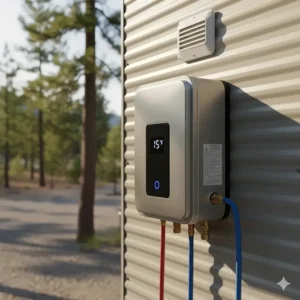
✨Was this helpful? Spread the word! 🚀
Your camper water heater isn’t just another appliance—it’s the difference between luxurious comfort and roughing it like a pioneer. Whether you’re a weekend warrior or a full-time road tripper, having reliable hot water transforms your camping experience. From morning showers to washing dishes after that epic campfire dinner, your water heater for rv use works harder than you might think.
The market has evolved dramatically over the past few years. Today’s rv water heater options range from traditional 6-gallon tank models to cutting-edge tankless systems that deliver endless hot water. Each type has its sweet spots and trade-offs, and honestly, what works for a solo adventurer in Arizona won’t necessarily suit a family of four camping in Colorado’s mountains.
In this guide, I’ll walk you through seven top-performing camper water heater models available in 2025, breaking down their specs, real-world performance, and who they’re actually best for. No fluff, no marketing jargon—just honest insights based on extensive research and actual user experiences. By the end, you’ll know exactly which water heater rv system deserves a spot in your rig.
Quick Comparison Table
| Product | Type | BTU/Power | Flow Rate/Capacity | Price Range | Best For |
|---|---|---|---|---|---|
| Suburban SW6DE | Tank | 12,000 BTU + 1400W | 6 gallons | $649-$794 | Dual power flexibility |
| FOGATTI InstaShower 8 Plus | Tankless | 55,000 BTU | 2.9 GPM | $500-$550 | High altitude camping |
| Ranein 65,000 BTU Gen II | Tankless | 65,000 BTU | 3.9 GPM | $450-$550 | Budget-conscious buyers |
| GIRARD GSWH-2 | Tankless | 42,000 BTU | 1-1.5 GPM | $665-$700 | Quiet operation needs |
| Furrion FWH09A | Tankless | 60,000 BTU | 2.4 GPM | $580-$750 | Full-time RVers |
| Atwood WH-6GA | Tank | 6 gallons | 7.4 GPH recovery | $400-$500 | Traditional reliability |
| FOGATTI InstaShower 9 Pro | Tankless | 66,000 BTU | 3.6 GPM | $650-$750 | Premium performance |
🔥 Ready to Upgrade Your Hot Water Game?
✨ Click on any product name above to check current Amazon pricing and customer reviews. These water heater systems represent the best value and performance in 2025—don’t settle for cold showers! 🚿💧
💬 Just one click – help others make better buying decisions too! 😊
Top 7 Camper Water Heater Models: Expert Analysis
1. Suburban SW6DE – The Dual-Power Champion
When flexibility matters most, the Suburban SW6DE stands tall. This 6-gallon tank model gives you the best of both worlds with its gas-electric combination system.
Key Specifications:
- 12,000 BTU propane heating
- 1400W electric heating element
- Porcelain-lined steel tank
- Direct spark ignition (DSI)
- Dimensions: 12.69″ × 12.69″ × 19.19″
The beauty of this camper water heater lies in its versatility. Running on shore power at the campground? Flip it to electric mode and save your propane. Boondocking in the wilderness? The gas mode has you covered. You can even run both simultaneously for a recovery rate that’ll knock your socks off—16.2 gallons per hour combined.
Customer Feedback: Users consistently praise this unit’s reliability and the convenience of switching between power sources. One full-timer mentioned going three years without a single issue, even in below-freezing temperatures.
Pros:
✅ Dual fuel flexibility saves money
✅ Proven reliability with 2-year tank warranty
✅ Fits standard 6-gallon cutouts perfectly
Cons:
❌ Heavier than tankless alternatives (35 lbs)
❌ Limited to 6 gallons before recovery time
Price Range: $649-$794
Best For: RVers who want fuel flexibility and proven tank technology
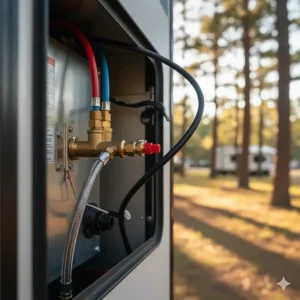
2. FOGATTI InstaShower 8 Plus – Mountain-Ready Performance
Here’s where things get interesting. The FOGATTI InstaShower 8 Plus is engineered specifically for those of us who love high-altitude adventures.
Key Specifications:
- 55,000 BTU output
- 2.9 GPM continuous flow
- High altitude mode up to 9,800 feet
- 12V DC powered
- Staged combustion technology
This tankless camper water heater shines when traditional units start to struggle. That high-altitude mode isn’t just marketing speak—it actually adjusts the combustion to maintain consistent performance whether you’re at sea level or camping near Denver’s plateau.
The staged combustion tech is clever, too. In summer, it automatically reduces flame intensity to prevent scalding and conserve propane. Meanwhile, the included remote controller lets you adjust temperatures from up to 6.5 feet away.
Customer Feedback: Full-timers rave about this unit. One couple reported using it daily through a week of -30°F temperatures in northern Idaho without issues (with a heated water hose, of course).
Pros:
✅ Exceptional high-altitude performance
✅ Endless hot water supply
✅ Built-in pressure relief valve included
Cons:
❌ Requires learning curve for temperature adjustment
❌ Water must run briefly to reach full temperature
Price Range: $500-$550
Best For: High-altitude campers and full-time RVers needing consistent performance
3. Ranein 65,000 BTU Gen II – Best Bang for Your Buck
If you’re watching your budget but refuse to compromise on performance, the Ranein 65,000 BTU Gen II deserves serious consideration.
Key Specifications:
- Powerful 65,000 BTU heating
- Maximum 3.9 GPM output
- External shower connection included
- Multi-function remote control
- High altitude ready
What sets this water heater for rv apart? The value proposition is outstanding. You’re getting premium features—including an external shower hookup and comprehensive remote controller—at a price point that won’t make your wallet cry.
The second-generation upgrade brought significant improvements to the remote control. You can now monitor gas usage, voltage, GPM flow, and even check if the anti-freeze protection has activated. That’s information that helps you optimize propane consumption during extended boondocking trips.
Customer Feedback: One solo female owner with “limited DIY skills” successfully installed this herself, praising its straightforward setup and noting she’s been using two 20-pound propane tanks per month.
Pros:
✅ Excellent value for money
✅ External shower capability
✅ Comprehensive monitoring features
Cons:
❌ Door sold separately
❌ Slightly narrower than standard 6-gallon heaters
Price Range: $450-$550
Best For: Budget-conscious RVers wanting tankless performance
4. GIRARD GSWH-2 – The Quiet Professional
Sometimes, peace matters. The GIRARD GSWH-2 brings library-level quietness to your hot water system.
Key Specifications:
- 42,000 BTU output
- 1-1.5 GPM flow rate
- Quiet brushless motor
- Onboard microprocessor control
- Temperature range: 95-124°F
This camper water heater runs on less than 3 amps at 12V, making it incredibly efficient for power consumption. The real magic happens inside with the onboard microprocessor that constantly monitors inlet water flow, inlet temperature, and outlet temperature to maintain your set point perfectly.
The digital control panel simplifies everything. Want it cooler for hand-washing? Warmer for showers? Just dial it in, and the system maintains that exact temperature. The freeze protection feature automatically activates when needed, giving you worry-free winter camping capability.
Customer Feedback: Owners consistently mention the near-silent operation and appreciate the lack of temperature fluctuations that plague cheaper units. One full-timer said, “Finally, no more dancing out of the shower when someone flushes the toilet!”
Pros:
✅ Ultra-quiet operation under 3 amps
✅ Precise temperature control
✅ Consumes half the LP gas of tank heaters
Cons:
❌ Lower flow rate limits simultaneous use
❌ Higher price point
Price Range: $665-$700
Best For: Those prioritizing quiet operation and fuel efficiency
5. Furrion FWH09A – Premium Full-Timer’s Choice
When you’re living in your RV 365 days a year, you need equipment that won’t let you down. Enter the Furrion FWH09A.
Key Specifications:
- 60,000 BTU heating capacity
- 2.4 GPM output
- Vortex mixing technology
- VibrationSmart durability
- Antifreeze protection feature
Furrion’s Vortex technology is game-changing for consistent temperatures. It premixes hot and cold water before delivery, eliminating those shocking temperature spikes when someone uses water elsewhere in the rig. The system maintains steady output even when ambient temperatures drop to 32°F.
The VibrationSmart technology deserves mention, too. This water heater rv system is engineered to withstand the constant shaking and rattling of road travel—a critical feature that separates quality units from ones that fail prematurely.
Customer Feedback: Users consistently rate this among the most reliable systems available. One owner reported, “Mind blowing… if hot water is a problem for you, then you are nuts for not purchasing this heater.”
Pros:
✅ Vortex technology prevents temperature fluctuations
✅ Robust build quality for constant travel
✅ Excellent antifreeze protection
Cons:
❌ Installation may require custom framing
❌ Some units need propane regulator upgrades
Price Range: $580-$750
Best For: Full-time RVers and families needing consistent, reliable hot water
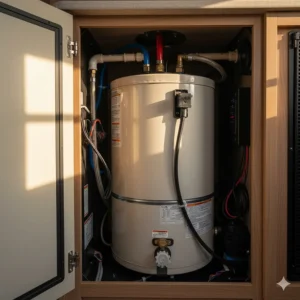
6. Atwood/Dometic WH-6GA – Old-School Reliability
There’s something to be said for proven technology that’s been refined over decades. The Atwood WH-6GA represents traditional tank design done right.
Key Specifications:
- 6-gallon aluminum-clad tank
- Pilot ignition system
- 7.4 GPH recovery rate at 70% efficiency
- External service access
- No anode rod required
This camper water heater uses pilot ignition—old technology that actually offers advantages. Manually light the pilot when you arrive at camp, and hot water’s ready in under 30 minutes. Simple, reliable, and there’s virtually nothing that can go wrong electronically because there are no electronic ignition systems to fail.
The aluminum-clad tank eliminates the need for an anode rod, reducing maintenance requirements. Meanwhile, 95% of serviceable components access through the exterior door, meaning you’ll rarely need someone crawling inside your RV for repairs.
Customer Feedback: Long-term RVers appreciate the simplicity and reliability. These units routinely last 10+ years with basic maintenance, and replacement parts remain widely available.
Pros:
✅ Time-tested reliability
✅ No anode rod maintenance
✅ Easy exterior-accessed servicing
Cons:
❌ Manual pilot lighting required
❌ Limited to 6-gallon capacity before refill
Price Range: $400-$500
Best For: Traditional RVers who value simplicity and proven reliability
7. FOGATTI InstaShower 9 Pro – The Ultimate Performer
If you want the absolute best performance available and budget isn’t your primary concern, the FOGATTI InstaShower 9 Pro sits at the peak.
Key Specifications:
- Impressive 66,000 BTU output
- Up to 3.6 GPM flow rate
- Built-in mixing tank
- Generation 3 technology
- High-altitude optimized
This represents FOGATTI’s flagship camper water heater, incorporating everything they’ve learned over multiple generations. The built-in mixing tank is the standout feature—it acts as a buffer to maintain absolutely consistent water temperature during low-flow situations like hand-washing.
The enhanced BTU output means this unit can handle cold water inputs that would stagger lesser heaters. Even in freezing conditions, it maintains strong performance and can support multiple simultaneous hot water uses without the temperature dropping.
Customer Feedback: Owners describe this as the “set it and forget it” option. One reported, “Perfect hot water every single time—no adjustments needed after initial setup.”
Pros:
✅ Highest BTU and flow rate
✅ Mixing tank ensures stable temperatures
✅ Handles extreme cold excellently
Cons:
❌ Premium pricing
❌ Higher propane consumption
Price Range: $650-$750
Best For: Premium-focused buyers wanting the best performance money can buy
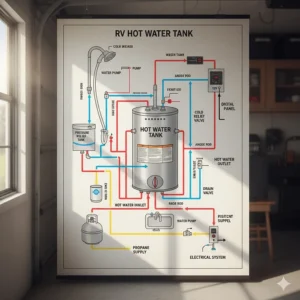
Understanding Camper Water Heater Types
Let’s get real about the two main categories dominating the market. Each type has distinct advantages, and understanding these differences helps you make the right choice for your specific needs.
Tank vs Tankless Systems
Traditional tank-style water heater for rv installations work like your home water heater. They store heated water and maintain it at temperature, ready when you need it. Tankless systems, conversely, heat water on-demand as it flows through the unit.
Tank advantages: immediate hot water availability, dual-power options (gas/electric), lower initial cost, and proven reliability over decades. They’re particularly good for users who prefer set-it-and-forget-it simplicity.
Tankless advantages: endless hot water supply, significant space and weight savings, better fuel efficiency, and no waiting for recovery between uses. They excel for full-timers and anyone who’s experienced that frustration of running out mid-shower.
The choice often comes down to usage patterns. Do you take back-to-back showers? Run multiple fixtures simultaneously? Tankless wins. Prefer simple operation with occasional hot water needs? Traditional tanks remain solid choices.
Power Source Considerations
Your power source availability dramatically impacts which camper water heater makes sense. Propane-only models work anywhere but require adequate tank capacity for extended trips. Electric-only units need shore power or robust battery/inverter systems. Dual-fuel models like the Suburban SW6DE offer maximum flexibility but command premium prices.
For boondockers, propane efficiency becomes critical. Modern tankless units use 40-50% less propane than traditional tank heaters for equivalent hot water production—a significant saving during extended off-grid stays. However, they require 12V DC power for ignition and controls, typically drawing 2-3 amps.
Sizing Your Camper Water Heater Correctly
Here’s where many RVers make expensive mistakes. Getting the size wrong means either wasting money on oversized capacity or suffering through inadequate hot water.
Flow Rate Requirements
For tankless systems, flow rate (measured in gallons per minute or GPM) determines simultaneous usage capability. A basic guideline:
- Solo travelers or couples: 1.5-2.0 GPM handles single-fixture use comfortably
- Small families (3-4 people): 2.5-3.0 GPM supports most scenarios
- Large families or simultaneous use: 3.5+ GPM prevents flow compromises
Remember that fixtures consume different amounts. Low-flow RV showerheads typically use 1.5-2.0 GPM, while kitchen faucets run 1.0-1.5 GPM. Add these together if you’ll use them simultaneously.
Tank Capacity Needs
Traditional water heater rv tanks typically come in 6, 10, or 16-gallon sizes. A 6-gallon tank provides roughly:
- 2-3 quick showers (3-4 minutes each)
- 1 longer shower (7-8 minutes)
- Enough for cooking and dishwashing daily
Ten-gallon tanks obviously extend this, but they also add weight, take more space, and cost more to operate. Most weekend campers find 6-gallon tanks perfectly adequate, especially with conservative water habits.
Installation Complexity and Requirements
I’ve installed both tank and tankless systems, and honestly, the difficulty varies more by your specific RV than the heater type.
DIY vs Professional Installation
Tank replacements often qualify as straightforward DIY projects if you’re replacing a same-size unit. The connections—water inlet/outlet, gas line, and electrical (if applicable)—typically match existing hookups. Budget 4-6 hours for a first-time installation.
Tankless installations get trickier. Most tankless units are smaller than the tanks they replace, requiring custom framing to fill gaps and provide mounting surfaces. You’ll likely need PEX fittings, butyl tape, and potentially electrical upgrades. One owner reported 6-8 hours for their first tankless installation.
Critical Installation Factors
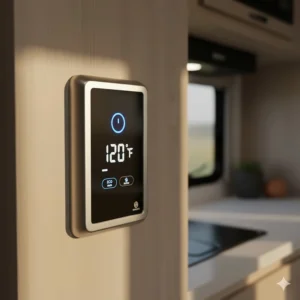
Your propane regulator capacity matters significantly for high-BTU tankless units. Standard RV regulators may not deliver sufficient gas pressure for 60,000+ BTU heaters, necessitating upgrades to two-stage regulators—add $50-100 to your budget.
Venting requirements differ between models, too. Most modern units use forced-air exhaust, but verify your RV’s existing vent sizing matches the new heater’s requirements. Mismatched venting causes dangerous performance issues or outright failures.
Maintenance and Longevity Tips
Your camper water heater represents a significant investment, and proper maintenance dramatically extends its service life.
Regular Maintenance Schedule
Monthly during active use:
- Inspect for leaks around connections
- Check exhaust vent for blockages
- Test pressure relief valve operation
Every 3-4 months:
- Flush tank systems to remove sediment
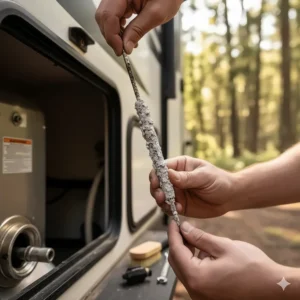
- Inspect anode rod condition (tank models)
- Clean tankless unit filters
- Check gas connections for leaks
Annually:
- Descale tankless heat exchangers
- Replace anode rods showing 75% deterioration
- Inspect all electrical connections
- Test ignition system operation
Common Problems and Solutions
Issue: Insufficient hot water
Typically indicates sediment buildup (tank models) or mineral scaling (tankless). Thorough flushing usually resolves this. For persistent problems with water heater for rv systems, the heating element or gas burner may need service.
Issue: Temperature fluctuations
Often caused by inadequate water pressure, partially clogged filters, or gas pressure irregularities. Check your RV’s water pump output (should be 45+ PSI) and replace inline filters. Propane regulator issues can also cause this with tankless units.
Issue: No ignition
First, verify propane supply and valve positions. Check 12V power supply to the unit—most ignition failures stem from low battery voltage or blown fuses. For pilot ignition systems, check that the pilot orifice is clean.
Winter Use and Freeze Protection
Cold-weather camping requires special considerations for your water heater rv setup.
Winterization Strategies
Most tankless systems include antifreeze modes that automatically warm internal components when temperatures drop below 40-42°F. This prevents damage but requires maintaining 12V power to the unit throughout winter storage.
Tank systems need complete drainage and propylene glycol antifreeze circulation through the lines. Don’t skip this—frozen tanks crack porcelain linings, causing irreparable damage. Budget 30-45 minutes for proper winterization.
For winter camping, use heated water hoses and tank heater pads. Even units with freeze protection struggle when inlet water arrives at 33°F. Insulate exposed water lines and keep underbelly compartments heated during freezing conditions.
Cold Weather Performance
Higher BTU output becomes critical in winter. A 42,000 BTU unit might struggle to heat 32°F inlet water to 120°F output during heavy flow. Consider 60,000+ BTU models for serious winter camping.
Altitude matters more in cold weather, too. High-elevation winter camping combines thin air with cold water—a tough combo for standard heaters. The FOGATTI InstaShower 8 Plus and Ranein Gen II models specifically address this with altitude compensation.
Energy Efficiency and Operating Costs
Let’s talk real numbers because fuel costs add up quickly during extended trips.
Propane Consumption Comparison
Traditional 6-gallon tank heaters: Consume roughly 1-1.5 lbs of propane daily maintaining temperature, plus heating demands. Monthly propane cost: $25-40 for average use.
Tankless systems: Use zero propane on standby, only consuming fuel during active water heating. Monthly propane cost: $15-25 for equivalent hot water production—about 40% savings.
However, tankless units draw more amperage from your 12V system. That 2-3 amp continuous draw adds up to 50-70 amp-hours daily. With quality batteries, this poses no issue, but marginal electrical systems may struggle.
Calculating Your Usage
Average shower: 7-10 minutes = 2.5-3.0 gallons (tank) or 10-15 minutes unlimited (tankless)
Dishwashing: 2-3 gallons typically
Daily per person: 4-6 gallons hot water average
Multiply your daily usage by trip length to determine whether tankless efficiency justifies the higher upfront cost. For full-timers, the payback period runs 12-18 months. Weekend warriors might take 3-5 years to break even on the cost difference.
Safety Features and Certifications
Don’t compromise on safety when selecting your camper water heater. Proper certifications aren’t optional—they’re essential.
Must-Have Safety Features
Pressure relief valves: Automatically vent excess pressure preventing dangerous buildup. Every modern heater should include this.
Flame failure detection: Cuts gas supply if the flame extinguishes unexpectedly, preventing gas accumulation.
Over-temperature protection: Shuts down heating when water exceeds safe temperatures (typically 140-150°F), preventing scalding injuries.
Low water pressure protection: Prevents dry firing that damages heating elements or heat exchangers.
Critical Certifications
Look for CSA (Canadian Standards Association) certification on any water heater for rv use. This independent testing verifies safe operation and proper construction. Units lacking CSA approval shouldn’t be considered, regardless of price savings.
Many manufacturers also carry UL listings or NSF certifications. While less critical for RV applications, these additional certifications indicate serious quality control and testing protocols.
FAQ Section
❓ How long does a camper water heater last on average?
❓ Can I install a tankless water heater for rv in place of my existing tank model?
❓ What's the best camper water heater for full-time living?
❓ How much propane does a water heater rv system use per month?
❓ Do I need special tools to install a camper water heater myself?
Conclusion: Choosing Your Perfect Camper Water Heater
After diving deep into specifications, real-world performance, and user experiences, here’s the bottom line: your perfect camper water heater depends entirely on your specific camping style and priorities.
For weekend warriors seeking simplicity and reliability, traditional tank models like the Suburban SW6DE or Atwood WH-6GA deliver proven performance without complexity. The dual-power flexibility of the Suburban particularly shines for those alternating between campground and boondocking adventures.
Full-timers and serious adventurers gain tremendous value from tankless systems. The FOGATTI InstaShower 8 Plus represents exceptional value for high-altitude enthusiasts, while the Furrion FWH09A offers premium reliability for year-round RV living. Budget-conscious buyers shouldn’t overlook the Ranein 65,000 BTU Gen II—it delivers impressive performance without the premium price tag.
For those seeking absolute top-tier performance regardless of cost, the FOGATTI InstaShower 9 Pro stands alone with its industry-leading BTU output and mixing tank technology. Meanwhile, the GIRARD GSWH-2 fills a unique niche for those prioritizing ultra-quiet operation.
Remember that any water heater for rv use requires proper installation and regular maintenance to deliver its rated lifespan. Don’t cut corners on installation—a professional setup costs $200-400 but prevents expensive mistakes. Similarly, follow manufacturer maintenance schedules religiously; descaling and flushing prevent 90% of premature failures.
Ultimately, today’s camper water heater market offers outstanding options for every need and budget. The technology has matured beautifully, and even budget models now deliver performance that would’ve been flagship-level just five years ago. Choose based on your real-world usage patterns, maintain it properly, and you’ll enjoy endless hot showers wherever your adventures take you.
🔥 Time to Upgrade Your Hot Water System!
✨ Don’t spend another trip rationing hot water or suffering through cold showers! Click through to Amazon to compare current prices, read additional reviews, and score deals on these top-rated camper water heaters. Your future self will thank you after that first unlimited hot shower! 🚿
Recommended for You
- RV Electric Tankless Water Heater: 7 Best Models for Your Camper
- RV Electric Hot Water Heater: 7 Best Models 2025
- RV Tankless Water Heater: 7 Best Picks for Endless Hot 2025
Disclaimer: This article contains affiliate links. If you purchase products through these links, we may earn a small commission at no additional cost to you.
✨ Found this helpful? Share it with your friends! 💬🤗
