
In This Article
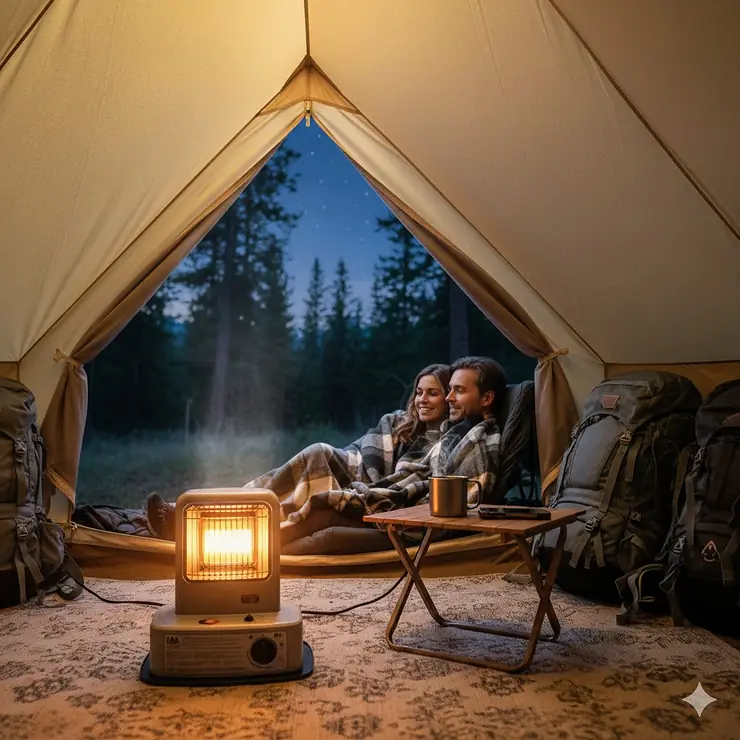
Picture this: you’re nestled in your tent under a star-filled sky, but instead of shivering through the night, you’re wrapped in cozy warmth. That’s the magic a quality camping space heater brings to your outdoor adventures. Whether you’re a weekend warrior or a seasoned backcountry explorer, the right heater transforms cold-weather camping from an endurance test into pure enjoyment.
The camping space heater market has exploded in 2025, offering everything from compact propane models to whisper-quiet electric units. I’ve spent countless nights testing these heaters in real-world conditions—from chilly autumn evenings to freezing winter expeditions—and I’m here to share what actually works. The challenge isn’t just finding something that produces heat; it’s discovering a heater that balances warmth, safety, portability, and fuel efficiency without breaking the bank.
In this comprehensive guide, you’ll discover the top camping space heater models available today, complete with honest pros and cons, pricing insights, and safety tips straight from experts. We’ll explore both propane and electric options, because your perfect heater depends entirely on your camping style. Let’s dive into what makes a great tent heater and which models deserve a spot in your gear collection.
Quick Comparison Table
| Product | Type | Heat Output | Coverage | Price Range | Best For |
|---|---|---|---|---|---|
| Mr. Heater Portable Buddy | Propane | 4,000-9,000 BTU | 225 sq ft | $90-$120 | Medium-large tents |
| Mr. Heater Little Buddy | Propane | 3,800 BTU | 95-100 sq ft | $70-$90 | Small tents, solo camping |
| Mr. Heater Big Buddy | Propane | 4,000-18,000 BTU | 450 sq ft | $150-$200 | Large tents, RVs, cabins |
| Honeywell HHF360V | Electric | 1,500W | 200 sq ft | $60-$80 | Car camping with power |
| Vornado MVH Vortex | Electric | 750-1,500W | 256 sq ft | $80-$100 | Temperature precision |
| Amazon Basics Ceramic | Electric | 500W | 100 sq ft | $15-$25 | Budget-friendly option |
| Lasko Ceramic Tower | Electric | 900-1,500W | 300 sq ft | $50-$70 | Versatile heating |
💬 Just one click – help others make better buying decisions too!😊
Top 7 camping space heater Models: Expert Analysis
1. Mr. Heater Portable Buddy – The Gold Standard for Propane Heating
The Mr. Heater Portable Buddy (Model MH9BX) has earned its reputation as North America’s most popular portable propane heater, and for good reason. This powerhouse delivers 4,000 to 9,000 BTU of radiant heat, capable of warming spaces up to 225 square feet—perfect for medium to large tents.
Key Specifications:
- Dual heat settings (4,000 & 9,000 BTU)
- Runs 5.4 hours on low with 1 lb propane cylinder
- Weighs 10.6 lbs with built-in handle
- Piezo ignition for easy startup
What sets this Mr. Heater Portable Buddy apart is its comprehensive safety system. The oxygen depletion sensor (ODS) automatically shuts off the unit if oxygen levels drop too low, while the accidental tip-over switch activates if the heater gets knocked over. The thermal shut-down system provides an extra layer of protection against overheating. Customers consistently praise its reliability, with one reviewer noting it kept their large family tent toasty during a sudden snowstorm in Colorado.
The unit connects directly to standard 1 lb disposable propane cylinders, though you can adapt it to 20 lb tanks with optional accessories. The radiant heating element warms nearby objects and people rather than just heating air, making it incredibly efficient even in drafty conditions.
✅ Pros:
- Multiple safety features including ODS and tip-over protection
- Powerful dual heat settings for flexibility
- Proven reliability with thousands of positive reviews
❌ Cons:
- Requires propane fuel which needs separate transportation
- Relatively heavy at 10+ pounds for backpacking trips
Price: $90-$120 | Rating: 4.7/5 stars
2. Mr. Heater Little Buddy – Compact Heat for Solo Adventures
For minimalist campers and solo adventurers, the Mr. Heater Little Buddy (Model F215100) delivers impressive warmth in a surprisingly small package. At just 5.8 pounds, this 3,800 BTU heater easily fits into your camping kit without weighing you down.
Key Specifications:
- 3,800 BTU heat output
- Heats up to 95-100 square feet
- Approximately 5.6 hours runtime per 1 lb cylinder
- Compact dimensions with integrated stability base
The Mr. Heater Little Buddy features the same robust safety systems as its bigger sibling—oxygen depletion sensor and tip-over shutoff—packed into a more portable frame. One satisfied user shared how this little heater kept them comfortable during early morning ice fishing sessions, warming a small pop-up shelter perfectly. The one-button ignition makes operation dead simple, even with cold, gloved hands.
While it won’t heat a large family tent, it excels at creating a warm zone around you in smaller spaces. The radiant heating is gentle yet effective, and the unit remains relatively quiet during operation. It’s particularly popular among hunters using ground blinds and solo backpackers who need just enough warmth to take the edge off cold nights.
✅ Pros:
- Extremely portable and lightweight
- Simple, foolproof operation
- Excellent fuel efficiency for its size
❌ Cons:
- Limited coverage area—not suitable for larger groups
- Lower BTU output may struggle in extreme cold
Price: $70-$90 | Rating: 4.6/5 stars
3. Mr. Heater Big Buddy – Maximum Power for Serious Cold
When temperatures plummet and you need serious heating power, the Mr. Heater Big Buddy (Model MH18B) steps up with a massive 4,000 to 18,000 BTU output. This beast can heat spaces up to 450 square feet, making it ideal for large wall tents, cabins, or extended RV adventures.
Key Specifications:
- Triple heat settings (4,000/9,000/18,000 BTU)
- Connects to two 1 lb cylinders or remote gas supply
- Integrated fan for enhanced heat distribution (on some models)
- Four-position control for precise temperature management
The Big Buddy combines radiant and convection heating for more efficient warmth distribution throughout larger spaces. The swivel regulators give you flexibility to run it on disposable cylinders or connect to a larger propane tank for extended use. Safety features include the comprehensive ODS system, tip-over protection, and thermal shutdown.
Customer feedback highlights its ability to transform cold camping experiences. One family reported using it in their 12-person tent during a winter camping trip, noting that everyone stayed comfortable even when outside temps dropped below 20°F. The fold-down handle and swivel-out fuel connection make transportation and setup straightforward despite its larger size.
✅ Pros:
- Exceptional heating capacity for large spaces
- Multiple fuel connection options for versatility
- Fan-assisted models provide better heat circulation
❌ Cons:
- Heavier and bulkier—not ideal for backpacking
- Higher fuel consumption on maximum setting
Price: $150-$200 | Rating: 4.8/5 stars
4. Honeywell HHF360V – Best Electric Option for Car Campers
The Honeywell HHF360V stands out as the premium electric camping space heater choice, featuring innovative 360-degree heat circulation that distributes warmth evenly throughout your tent or camper. This 1,500-watt powerhouse handles spaces up to 200 square feet with impressive efficiency.
Key Specifications:
- 1,500W ceramic heating element
- Dual heat settings with adjustable thermostat
- 360-degree fan design for even heat distribution
- Cool-touch handle for safe mobility
What makes this Honeywell HHF360V exceptional is its surround-heat technology. Place it in the center of your tent, and the omnidirectional fan pushes warm air in all directions, eliminating cold spots. One reviewer praised how it transformed their RV camping experience, providing consistent comfort without the noise typically associated with forced-air heaters.
Safety features include comprehensive overheat protection and 360-degree tip-over shutoff—meaning it automatically turns off if tipped in any direction, not just forward. The cool-touch exterior prevents accidental burns, crucial when children or pets are present. The unit plugs into standard outlets, making it perfect for campgrounds with electrical hookups or use with portable generators.
✅ Pros:
- Even heat distribution eliminates cold spots
- Multiple safety certifications exceed industry standards
- Quiet operation won’t disturb sleep or conversation
❌ Cons:
- Requires electrical power source
- Higher upfront cost than basic electric models
Price: $60-$80 | Rating: 4.5/5 stars
5. Vornado MVH Vortex – Precision Temperature Control
The Vornado MVH Vortex brings Vornado’s legendary air circulation technology to camping, creating whole-room heat distribution through its unique vortex action. This sleek electric heater covers up to 256 square feet while maintaining whisper-quiet operation.
Key Specifications:
- Three heat settings (750W/1,125W/1,500W)
- Advanced thermostat with adjustable dial
- Vortex air circulation technology
- Weighs just 3 pounds for easy transport
The signature feature of this Vornado model is how it spirals heated air throughout your space rather than just blasting it in one direction. The result? More even temperatures and better efficiency. The cool-touch case lets you move it safely even while operating, and the compact footprint means it tucks easily into your vehicle or gear storage.
Campers appreciate the precision temperature control, though the thermostat dial’s 1-7 numbering system requires some experimentation to find your ideal setting. The automatic safety shut-off engages if the unit tips over or overheats, providing peace of mind during overnight use. One tester noted it worked beautifully in their four-season tent, maintaining comfortable temperatures even with outside walls exposed to freezing conditions.
✅ Pros:
- Superior air circulation technology
- Lightweight and highly portable
- Cool-touch exterior for safety
❌ Cons:
- Thermostat markings aren’t intuitive
- Requires power source like generator or hookup
Price: $80-$100 | Rating: 4.6/5 stars
6. Amazon Basics Ceramic Space Heater – Budget-Friendly Warmth
For campers on a tight budget who still need reliable warmth, the Amazon Basics Ceramic Space Heater delivers surprising performance at an unbeatable price point. This 500-watt mini heater covers approximately 100 square feet—perfect for small tents or creating a personal warm zone.
Key Specifications:
- 500W ceramic heating element
- Ultra-compact: 5.9 x 3.2 x 6 inches
- Weighs just 1.4 pounds
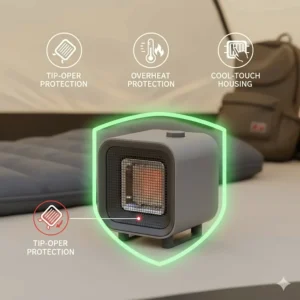
- Tip-over protection included
The Amazon Basics model proves that effective camping space heater options don’t require a huge investment. Its ceramic element heats up quickly and maintains consistent output without consuming excessive power. The lightweight design makes it incredibly portable, and many campers report using it for both tent camping and as an office desk heater.
Customer reviews highlight its reliability despite the low price. One user mentioned taking it on numerous camping trips over two years without a single issue. The tip-over safety feature provides basic protection, though it lacks some advanced features found in pricier models. For car camping where you have electrical access and don’t need to heat a large space, this little heater punches well above its weight class.
✅ Pros:
- Extremely affordable entry point
- Remarkably lightweight and portable
- Adequate heating for personal spaces
❌ Cons:
- Limited coverage area—won’t heat larger tents
- Basic features without advanced temperature control
Price: $15-$25 | Rating: 4.3/5 stars
7. Lasko Ceramic Digital Tower – Feature-Rich Versatility
The Lasko Ceramic Digital Tower (Model 755320) brings premium features to camping, including oscillating heat distribution, remote control operation, and digital temperature displays. This 900-1,500 watt tower heater handles spaces up to 300 square feet with style and efficiency.
Key Specifications:
- Dual heat settings (900W & 1,500W)
- Widespread oscillation for even heating
- Digital thermostat with remote control
- Slim tower design saves floor space
What sets this Lasko apart is its smart energy management. The adjustable thermostat automatically cycles the heater on and off to maintain your desired temperature, reducing electricity consumption and costs. The oscillating function sweeps warm air across your entire tent or camper, and the remote lets you adjust settings from the comfort of your sleeping bag.
Users appreciate the quiet operation—significantly quieter than many competing models. One family reported using it in their large canvas wall tent, praising how the oscillation ensured everyone stayed warm regardless of where they were positioned. The slim profile means it takes up minimal floor space, crucial in crowded tent environments.
The main limitation is the absence of tip-over protection, which some safety-conscious campers may find concerning. However, the stable tower design and overheat protection provide reasonable safety assurances.
✅ Pros:
- Extensive feature set including remote control
- Energy-efficient with auto thermostat
- Effective oscillation for large coverage area
❌ Cons:
- Lacks tip-over protection
- Taller profile may be less stable on uneven ground
Price: $50-$70 | Rating: 4.4/5 stars
Understanding camping space heater Types: Propane vs Electric
Choosing between propane and electric camping heaters depends entirely on your camping style and available resources. Let’s break down the key differences to help you make an informed decision.
Propane Camping Heaters
Propane models reign supreme for true off-grid adventures. These heaters generate heat through combustion, requiring no electrical power whatsoever. The radiant heat they produce warms objects and people directly, making them feel warmer even in drafty conditions. According to the U.S. Consumer Product Safety Commission, modern propane camping heaters designed for enclosed spaces include critical safety features like oxygen depletion sensors that automatically shut off the unit when oxygen levels drop too low.
The BTU (British Thermal Unit) output determines heating capacity—higher BTU means more warmth. A 9,000 BTU heater can warm 200+ square feet, while compact 3,800 BTU models work perfectly for small tents or personal use. Runtime varies based on BTU setting and cylinder size, with typical 1 lb propane bottles providing 3-6 hours of heat. Connecting to larger 20 lb tanks extends operation significantly, ideal for extended trips or base camp scenarios.
Electric Camping Heaters
Electric heaters excel at car camping, RV trips, or any situation where you have access to electrical outlets or can run a generator. They operate silently compared to propane units, produce no combustion byproducts, and require zero fuel storage or transportation. Safety features typically include automatic shutoff for overheating and tip-over protection, with no concerns about carbon monoxide production.
Wattage determines heating power, with most camping-appropriate models ranging from 500W to 1,500W. A 1,500W heater can warm 150-300 square feet depending on insulation and outside temperatures. The main limitation is power dependency—you’ll need either campground hookups, a portable power station with sufficient capacity, or a generator. Additionally, high-wattage heaters can quickly drain portable power stations, so calculating runtime before your trip prevents midnight cold surprises.

Essential Safety Considerations for camping space heater Use
Using any heating device in enclosed spaces requires serious attention to safety. The University of Utah Health emphasizes that carbon monoxide poisoning remains a significant risk with fuel-burning heaters, making proper ventilation absolutely critical.
Carbon Monoxide Awareness
Carbon monoxide is colorless, odorless, and deadly. Propane heaters produce CO as a combustion byproduct, and even units with oxygen depletion sensors aren’t foolproof. Always use a battery-operated CO detector in your tent—wall-plug versions won’t work in camping situations. Check detector batteries before every trip, and know the symptoms of CO poisoning: headache, dizziness, weakness, nausea, and confusion. If anyone experiences these symptoms, immediately evacuate to fresh air and seek medical attention.
Modern camping space heater models include ODS systems that shut down when oxygen drops below safe levels, but never rely solely on built-in safety features. Equipment can fail, and the consequences are too severe to risk. One camper’s motto I appreciate: “Better to be cold and cautious than warm and sorry.”
Ventilation Requirements
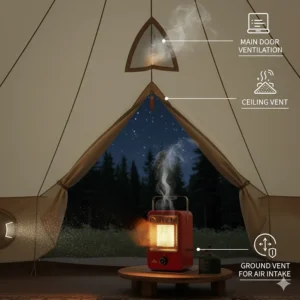
Even in freezing weather, maintaining adequate tent ventilation is non-negotiable when running any heater. Crack open vents, leave a small gap in your tent door, or use mesh windows to ensure continuous air exchange. This might seem counterintuitive—why let cold air in when you’re trying to stay warm?—but propane heaters consume oxygen and produce moisture along with heat. Without ventilation, you’ll experience oxygen depletion and excessive condensation that makes everything damp and actually increases cold sensation.
Proper placement matters enormously. Position your camping space heater on a stable, level surface away from tent walls, sleeping bags, and any flammable materials. Maintain at least 3 feet of clearance on all sides. Never leave a heater running unattended or while sleeping—the risk of tip-over, malfunction, or fire far outweighs the comfort benefits.
Fire Prevention
Keep a fire extinguisher accessible in your camping area. Inspect your heater before each use, checking for damage, proper fuel connections (for propane), or frayed cords (for electric). Store propane cylinders outside your tent when not in use, always in an upright position in a well-ventilated area. Inside vehicles, elevated temperatures can cause dangerous pressure buildup in propane tanks.
For electric heaters, never overload circuits or use damaged extension cords. Match your heater’s wattage to your power source capacity—a 1,500W heater requires a generator that can handle continuous 1,500W+ draw plus a safety margin. Running heaters beyond generator capacity creates fire risks and equipment damage.
Comparison: Benefits vs Traditional Alternatives
| Heating Method | Advantages | Disadvantages | Best Use Case |
|---|---|---|---|
| Propane Space Heaters | No electricity needed, powerful BTU output, radiant warmth | Requires fuel transport, CO concerns, needs ventilation | Off-grid camping, winter expeditions |
| Electric Space Heaters | Zero emissions, silent operation, precise temperature control | Power dependency, limited portability | Campground camping, RV use |
| Hot Water Bottles | Zero power/fuel needed, ultra-portable, safe | Limited duration, requires boiling water source | Supplemental warmth, emergency backup |
| Heated Sleeping Bags | Efficient, battery-powered, no external heater needed | Expensive, limited to sleep time only | Backpacking, minimalist camping |
| Campfire Only | Free fuel (in many areas), traditional experience, cooking capability | Doesn’t warm tent interior, weather-dependent, fire restrictions | Day use warmth, social gathering |
Choosing the Right camping space heater for Your Needs
Selecting your ideal heater involves analyzing several key factors. Start with your camping style—are you car camping with vehicle access and potential electrical hookups, or are you heading deep into the backcountry where every ounce matters? This fundamental question immediately narrows your options.
Tent Size and Insulation
Match BTU output to your tent’s square footage. Small 1-2 person tents (50-100 sq ft) work fine with 3,000-4,000 BTU or 500-750W heaters. Medium family tents (150-225 sq ft) need 6,000-9,000 BTU or 1,200-1,500W. Large wall tents or canvas shelters (300+ sq ft) require 12,000-18,000 BTU or multiple electric heaters. Consider your tent’s insulation quality too—four-season tents retain heat far better than basic summer models, meaning you can use lower-output heaters effectively.
Temperature range in your camping locations matters significantly. If you’re camping in mild 40-50°F conditions, a small electric heater might suffice. Planning trips in sub-freezing weather? You’ll want higher BTU propane units or multiple heat sources. Altitude affects both human comfort and heater performance, with propane heaters typically operating less efficiently at elevation.
Budget Considerations
Quality camping space heater options exist across price ranges. Entry-level electric heaters start around $15-25, offering basic functionality for occasional use. Mid-range options ($50-100) add safety features, better build quality, and enhanced performance. Premium models ($100-200+) deliver maximum heating capacity, comprehensive safety systems, and features like remote controls or integrated fans.
Don’t forget ongoing costs. Propane requires regular fuel purchases—1 lb cylinders cost $3-5 each, while refilling larger tanks costs less per BTU but requires initial tank investment. Electric heaters add to your power costs if using campground hookups or require generator fuel if running one. Calculate expected usage to estimate seasonal costs.
Portability Requirements
Backpackers prioritize weight above almost everything else. Even the lightest propane heaters (5-6 lbs) plus fuel become burdensome over miles. Car campers can accommodate heavier, more powerful units since vehicle transport eliminates weight concerns. RV travelers often prefer electric heaters that integrate with existing electrical systems, though backup propane heaters provide insurance against hookup unavailability.
Storage space in your vehicle or gear locker matters too. Compact electric heaters pack efficiently, while larger propane units like the Big Buddy require dedicated space. Think about your typical gear loadout and whether adding a heater forces compromises elsewhere.
Maximizing Efficiency and Runtime
Getting the most from your camping space heater involves smart usage strategies that extend fuel/power while maintaining comfort. Here’s what actually works in real-world conditions.
Temperature Management
Resist cranking your heater to maximum constantly. Start at lower settings and adjust upward only if needed—you’ll use significantly less fuel and power. Most people find comfortable tent temperatures around 55-65°F when in proper sleeping bags, far below typical home heating levels. Pre-warm your tent before bedtime, then reduce heat or turn off the unit overnight. Your sleeping bag handles the rest, and you avoid running heaters unattended while sleeping.
Layer your tent by creating a smaller “warm zone” using tarps or blankets as interior dividers. Heating 100 square feet requires far less energy than heating 300 square feet. Position sleeping areas in the warmest section, typically away from tent doors and corners where cold air infiltrates.
Fuel and Power Conservation
For propane heaters, bring spare cylinders but use them strategically. A single 1 lb cylinder provides 3-6 hours depending on BTU setting—plan fuel needs based on expected temperatures and heating duration. Larger 20 lb tanks dramatically reduce per-hour costs for extended trips. Consider refillable 1 lb cylinders to save money and reduce waste.
Electric heater users should understand their power source capacity. A typical camping generator produces 1,000-3,000 watts; running a 1,500W heater leaves minimal capacity for other devices. Portable power stations work for short heating sessions but drain quickly under continuous load. Calculate watt-hours available versus heater consumption to avoid surprises. For instance, a 500Wh power station running a 1,500W heater lasts just 20 minutes at full power.
Insulation Improvements
The best heat is the heat you retain. Ground pads beneath your tent floor reduce cold transfer from frozen ground. Reflective emergency blankets behind your heater bounce radiant heat back into living space rather than letting it escape through tent walls. Close tent vents slightly (while maintaining minimum ventilation for safety) to reduce heat loss, and use door draft stoppers to block cold air infiltration.
Maintenance and Storage Tips
Proper maintenance extends heater lifespan and ensures safe operation season after season. Before storing your camping space heater after any trip, clean it thoroughly. For propane units, disconnect fuel cylinders and clean burner plates with a soft brush to remove dust and debris. Check for spider webs or insect nests in burner assemblies—surprisingly common and potentially dangerous. Electric heaters need similar attention: vacuum intake and exhaust grills, wipe down exterior surfaces, and inspect cords for damage.
Store heaters in dry locations away from temperature extremes. Garages work fine as long as they stay dry; damp basements risk corrosion. Keep propane cylinders separate from heaters, always in upright positions in well-ventilated areas. Never store propane in living spaces, vehicles, or enclosed sheds where leaks could accumulate to dangerous levels.
Before each camping season, conduct a full inspection. Test ignition systems on propane heaters, verify safety shutoffs activate properly, and confirm electric heaters power on without issues. Replace batteries in CO detectors even if they seem functional—fresh batteries could save lives. This 15-minute pre-season check catches problems while you can fix them, not when you’re shivering in a tent miles from civilization.
Price Range & Value Analysis
| Price Tier | Products | Typical Features | Best For |
|---|---|---|---|
| Budget ($15-40) | Amazon Basics, basic Lasko models | Simple controls, 500-1,000W, basic safety | Occasional campers, supplemental heat |
| Mid-Range ($50-100) | Honeywell HHF360V, Vornado MVH, Mr. Heater Little Buddy | Enhanced safety, adjustable thermostats, 1,500W or 3,800-4,000 BTU | Regular campers, balanced features |
| Premium ($100-200+) | Mr. Heater Portable Buddy, Mr. Heater Big Buddy, Lasko Tower | Maximum BTU/wattage, comprehensive safety, advanced features | Serious camping enthusiasts, extreme conditions |
Value isn’t always about the lowest price. A $25 heater that breaks after one season costs more long-term than a $100 model lasting five years. Consider warranty coverage too—reputable brands like Mr. Heater, Honeywell, and Vornado stand behind their products with solid warranty support. Read customer reviews focusing on long-term durability, not just initial impressions.
✨ Don’t Miss These Exclusive Deals!
🔍 Take your camping to the next level with these carefully selected products. Click on any highlighted item to check current pricing and availability. These tools will help you create authentic outdoor comfort your family will love!

Common Mistakes to Avoid
Even experienced campers make preventable errors with camping space heater use. Understanding these pitfalls helps you avoid discomfort and danger.
Mistake #1: Undersizing Your Heater
Buying an underpowered heater for your tent size means running it constantly at maximum output, burning through fuel rapidly and never achieving comfortable temperatures. Always oversize slightly rather than undersize—you can turn down a powerful heater, but you can’t make a weak one stronger.
Mistake #2: Ignoring Ventilation
The “seal everything tight to keep heat in” mentality kills people every year. Propane heaters must have continuous air exchange even when it’s freezing outside. That slight chill from ventilation is nothing compared to carbon monoxide poisoning or oxygen depletion. Never compromise on this.
Mistake #3: Leaving Heaters Unattended
Stepping away “just for a minute” or leaving heaters running overnight invites disaster. Equipment malfunctions, tips over, or simply overheats without warning. If you’re not actively monitoring it, turn it off. Period.
Mistake #4: Skipping the CO Detector
“My heater has a built-in oxygen sensor” isn’t sufficient. Those sensors can fail, and when they do, you have zero warning before CO levels become dangerous. A $20 battery-operated CO detector is the cheapest insurance policy you’ll ever buy.
Mistake #5: Using Outdoor Heaters Indoors
Outdoor-rated propane heaters produce far more carbon monoxide than indoor-safe models. The packaging clearly states this, yet every year people ignore warnings because they already own an outdoor heater. Don’t do it—the risk far outweighs any convenience.
Real User Experiences and Testimonials
Sarah from Minnesota shares: “We invested in the Mr. Heater Portable Buddy three years ago for our annual winter camping trips. It’s performed flawlessly in temperatures down to -10°F. The dual heat settings mean we’re not wasting propane when we just need to take the edge off, and the safety features give us peace of mind with our kids along. Worth every penny.”
Mike, an avid solo hiker, prefers the Little Buddy: “As someone who camps alone frequently, the Little Buddy is perfect. It weighs almost nothing in my pack, warms my two-person tent admirably, and I’ve never had a single issue with it. The compact size means I can bring it on backpacking trips where weight matters, something impossible with larger models.”
Jennifer’s family uses the Honeywell HHF360V for RV camping: “The 360-degree heat distribution is genius. We place it in the center of our RV living area, and everyone stays equally warm. It’s whisper-quiet, so it doesn’t interfere with conversation or sleep. The automatic shutoff gives us confidence using it with our two young children around. Highly recommend for anyone with electrical access.”
These real-world experiences highlight how different camping space heater options suit different needs. The right choice depends on your specific circumstances, not just which model gets the best reviews.
❓ Frequently Asked Questions
❓ Can you safely use a propane heater inside a tent?
❓ How long does a 1 lb propane cylinder last with a camping space heater?
❓ What size generator do I need to run a 1,500W electric camping heater?
❓ Are ceramic heaters better than propane for tent camping?
❓ How do you prevent condensation when using a camping space heater?
Conclusion: Warmth Transforms Your Camping Experience
Investing in a quality camping space heater fundamentally changes cold-weather outdoor adventures from endurance challenges into genuine enjoyment. Whether you choose the proven reliability of the Mr. Heater Portable Buddy, the budget-friendly Amazon Basics model, or the feature-rich Honeywell HHF360V, the right heater extends your camping season and enhances comfort dramatically.
Remember that safety always comes first. No amount of warmth justifies skipping critical precautions like proper ventilation, carbon monoxide detection, or attentive monitoring. Follow manufacturer guidelines, trust your instincts, and prioritize protection for yourself and fellow campers.
Start by honestly assessing your camping style, frequency, and typical conditions. Match heater capabilities to your realistic needs rather than buying the biggest or cheapest option. Consider trying a mid-range model first—something like the Little Buddy for solo trips or the Honeywell for car camping—and upgrade from there based on actual experience.
The camping community continues growing as more people discover outdoor recreation’s mental and physical benefits. With proper equipment like reliable camping space heater options, even harsh weather becomes an opportunity rather than an obstacle. Get out there, stay warm, and enjoy those crisp autumn mornings and starlit winter nights that make camping magical.
Recommended for You
- 7 Best Recliner Massage Heat Chairs That Transform Your Living Space 2025
- 7 Best Heated Office Chairs That Transform Your Workday 2025
- 7 Best Heated Outdoor Chair Options for Winter 2025
Disclaimer: This article contains affiliate links. If you purchase products through these links, we may earn a small commission at no additional cost to you.
✨ Found this helpful? Share it with your friends! 💬🤗
