
In This Article
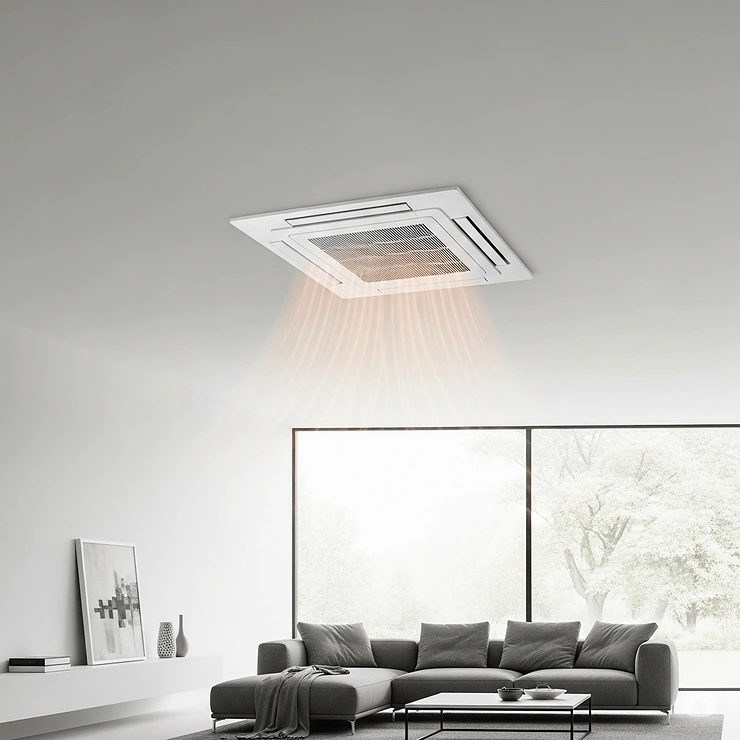
Finding the perfect fan heater ceiling solution can transform your home comfort experience throughout every season. Whether you’re dealing with chilly winter mornings or seeking optimal air circulation during summer months, these innovative ceiling-mounted systems provide the ultimate year-round climate control you’ve been searching for.
✨Was this helpful? Spread the word! 🚀
The modern fan heater ceiling market has evolved dramatically, offering homeowners sophisticated solutions that combine powerful heating capabilities with efficient air circulation. From bathroom installations to whole-room comfort systems, today’s ceiling-mounted units deliver unprecedented performance while maintaining whisper-quiet operation and energy efficiency.
Understanding Fan Heater Ceiling Technology 🔧
Modern fan heater ceiling units represent a significant advancement in home comfort technology. These sophisticated systems integrate high-performance motors, advanced heating elements, and intelligent control systems to deliver optimal temperature management and air circulation throughout your living spaces.
Core Engineering Principles
Contemporary fan heater ceiling systems utilize several key technological innovations. Brushless DC motors provide exceptional energy efficiency while reducing operational noise to barely audible levels. These motors typically consume 40-60% less energy compared to traditional AC motor alternatives, resulting in substantial long-term savings on electricity bills.
The heating elements in premium models employ ceramic or infrared technology, offering rapid heat-up times and consistent temperature distribution. Ceramic elements provide excellent durability and safety features, while infrared options deliver instant warmth without pre-heating requirements.
Advanced aerodynamic blade designs optimize airflow patterns, ensuring maximum circulation efficiency. Engineers specifically calculate blade pitch angles, typically ranging from 12-15 degrees, to achieve optimal air movement while minimizing energy consumption and noise generation.
Smart Integration Capabilities ⚡
Today’s fan heater ceiling units increasingly feature smart home integration through Wi-Fi connectivity and voice control compatibility. Systems like the Hunter series offer seamless integration with Amazon Alexa, Google Home, and Apple HomeKit platforms, enabling convenient remote operation and automated scheduling.
Temperature sensors and thermostats provide precise climate control, automatically adjusting heating output based on ambient conditions. Many models include humidity sensors that activate ventilation modes when moisture levels exceed preset thresholds, preventing condensation and mold growth.
Top 7 Fan Heater Ceiling Products Available Now 🏆
After extensive research and analysis of current market offerings, here are the seven best fan heater ceiling solutions available today, each offering unique advantages for different applications and budgets.
1. Westinghouse Alloy 42″ Gun Metal Ceiling Fan – Premium Choice
The Westinghouse Alloy series represents exceptional value in the fan heater ceiling category. Available in both 42″ and 52″ configurations, this sophisticated unit features a striking gun metal finish with reversible black and graphite blades, creating an elegant aesthetic that complements modern interior designs.
Key Specifications:
- Motor: 153mm x 17mm silicon steel motor with triple capacitor
- Airflow: Up to 3,476 CFM (cubic feet per minute)
- Energy Efficiency: 59 CFM per watt at high speed
- Noise Level: Virtually silent operation
- Lighting: Integrated LED light kit with opal frosted glass
- Warranty: Lifetime motor warranty, 2-year parts warranty
- Price Range: $150-$220
This model excels in rooms up to 360 square feet, making it perfect for bedrooms, living rooms, and medium-sized spaces. The reversible motor function enables summer cooling with counterclockwise rotation and winter heating assistance through clockwise operation, redistributing warm air trapped near ceilings.
2. Hunter Donegan 52″ Brushed Nickel – Traditional Excellence
The Hunter Donegan series offers timeless design with contemporary performance features. This ceiling fan combines rustic appeal with sophisticated engineering, featuring the renowned WhisperWind motor technology that delivers powerful airflow while maintaining whisper-quiet operation.
Key Specifications:
- Size Options: 44″, 52″ available
- Motor: WhisperWind reversible motor technology
- Lighting: LED bowl light kit with dimmable functionality
- Control: Pull chain or remote control options
- Finish Options: Brushed Nickel, White, Onyx Bengal
- Blade Count: 5 reversible blades
- Price Range: $180-$280
The Donegan’s 13-degree blade pitch optimizes air movement while the integrated LED lighting provides ambient illumination with full dimming capabilities. Installation flexibility includes standard and low-profile mounting options, accommodating various ceiling heights and configurations.
3. Broan-NuTone 765H80L Bathroom Fan Heater – Bathroom Specialist
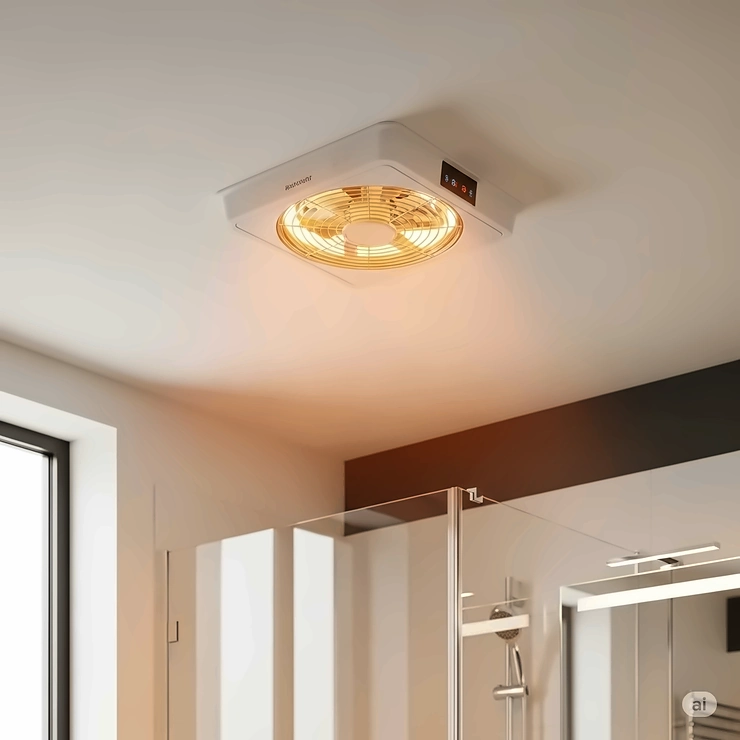
For bathroom applications, the Broan-NuTone 765H80L delivers unmatched performance combining ventilation, lighting, and heating in one compact unit. This model specifically addresses bathroom humidity control while providing instant warmth for comfortable morning routines.
Key Specifications:
- Ventilation Capacity: 80 CFM
- Heater Power: 1300 watts
- Coverage Area: Up to 70 square feet
- Noise Level: 3.0 sones (very quiet)
- Features: Built-in night light
- Installation: Standard 2×4 ceiling mount
- Price Range: $140-$180
The powerful 1300-watt heater provides rapid warming while the 80 CFM fan ensures adequate moisture removal. The integrated LED night light adds convenience for nighttime use, while the low-profile design minimizes ceiling space requirements.
4. Delta Breez Radiance RAD80L – Ultimate Bathroom Solution
The Delta Breez Radiance RAD80L represents the pinnacle of bathroom fan heater ceiling technology. This premium unit combines ultra-quiet operation with powerful heating and efficient ventilation, featuring a built-in thermostat for precise temperature control.
Key Specifications:
- Ventilation: 80 CFM with brushless DC motor
- Heater: 1300 watts with built-in thermostat
- Lighting: Dimmable LED with modern grille design
- Noise Level: Ultra-quiet operation
- Energy Efficiency: ENERGY STAR qualified
- Smart Features: Built-in thermostat control
- Price Range: $220-$280
The brushless DC motor ensures exceptional reliability and energy efficiency while the sophisticated grille design provides contemporary aesthetics. The built-in thermostat automatically maintains desired temperatures without manual adjustment, optimizing comfort and energy consumption.
5. Lasko FH500 All-Season Tower – Portable Powerhouse
While not ceiling-mounted, the Lasko FH500 All-Season Tower deserves inclusion for its innovative approach to fan heater ceiling alternatives. This versatile unit provides both fan and heater functions in a slim, portable design that can complement ceiling installations.
Key Specifications:
- Height: 37.5 inches
- Heater Power: 1500 watts with 3 heat settings
- Fan Speeds: 4 quiet speed settings
- Special Features: Widespread oscillation, remote control
- Safety: Tip-over protection, overheat protection
- Timer: Up to 8-hour auto-off timer
- Price Range: $120-$160
The FH500’s dual functionality makes it ideal for supplementing ceiling installations or providing targeted comfort in specific areas. The oscillation feature ensures even heat and air distribution throughout medium-sized rooms.
6. Broan-NuTone 164 Infrared Heater Fan – Budget-Friendly Option
The Broan-NuTone 164 offers excellent value for homeowners seeking reliable fan heater ceiling performance without premium pricing. This model uses infrared bulb technology for instant heating combined with efficient ventilation capabilities.
Key Specifications:
- Ventilation: 70 CFM at 4.0 sones
- Heating: Dual 250-watt infrared bulbs (bulbs sold separately)
- Housing: Steel construction with adjustable mounting
- Control: Independent fan and heater operation
- Installation: Type IC rated for insulated ceilings
- Duct Connection: 4-inch round connector
- Price Range: $80-$120
This model provides excellent flexibility with independent fan and heater controls, allowing users to operate functions separately or simultaneously based on comfort needs. The infrared heating provides instant warmth without pre-heating delays.
7. Westinghouse 40″ Digital Bladeless Fan Heater – Modern Innovation
The Westinghouse 40″ Digital Bladeless Fan Heater represents cutting-edge design in portable fan heater ceiling alternatives. This sophisticated unit combines bladeless technology with powerful heating capabilities and advanced digital controls.
Key Specifications:
- Design: Bladeless oscillating tower
- Heater Power: 1500 watts digital control
- Oscillation: 80-degree widespread coverage
- Noise Level: Below 55dB for quiet operation
- Control: Touch-sensitive controls with remote
- Timer: 8-hour programmable timer
- Energy Efficiency: 26W power consumption
- Price Range: $180-$240
The bladeless design eliminates traditional fan safety concerns while providing smooth, consistent airflow. Digital controls offer precise temperature management with user-friendly interface and comprehensive safety features.
Comprehensive Comparison Tables 📊
Performance Comparison: Airflow & Heating Capacity
| Model | Airflow (CFM) | Heater Power | Coverage Area | Noise Level |
|---|---|---|---|---|
| Westinghouse Alloy 42″ | 3,476 | N/A | 360 sq ft | Virtually Silent |
| Hunter Donegan 52″ | 4,200 | N/A | 400 sq ft | Whisper Quiet |
| Broan-NuTone 765H80L | 80 | 1300W | 70 sq ft | 3.0 sones |
| Delta Breez RAD80L | 80 | 1300W | 80 sq ft | Ultra Quiet |
| Lasko FH500 | Variable | 1500W | 150 sq ft | Quiet |
| Broan-NuTone 164 | 70 | 500W | 60 sq ft | 4.0 sones |
| Westinghouse Bladeless | Variable | 1500W | 200 sq ft | <55dB |
Feature & Control Comparison
| Model | Remote Control | Smart Features | Lighting | Reversible | Timer |
|---|---|---|---|---|---|
| Westinghouse Alloy 42″ | Optional | No | LED Kit | Yes | No |
| Hunter Donegan 52″ | Optional | No | LED Bowl | Yes | No |
| Broan-NuTone 765H80L | No | No | Night Light | No | No |
| Delta Breez RAD80L | No | Thermostat | LED Dimmer | No | No |
| Lasko FH500 | Yes | No | No | No | 8 Hours |
| Broan-NuTone 164 | No | No | No | No | No |
| Westinghouse Bladeless | Yes | Touch Control | No | No | 8 Hours |
Price & Value Analysis
| Model | Price Range | Warranty | Energy Rating | Best For |
|---|---|---|---|---|
| Westinghouse Alloy 42″ | $150-$220 | Lifetime Motor | High Efficiency | Living Rooms |
| Hunter Donegan 52″ | $180-$280 | Lifetime Motor | ENERGY STAR | Large Rooms |
| Broan-NuTone 765H80L | $140-$180 | 1 Year | Standard | Bathrooms |
| Delta Breez RAD80L | $220-$280 | 3 Years | ENERGY STAR | Premium Baths |
| Lasko FH500 | $120-$160 | 3 Years | Good | Supplemental |
| Broan-NuTone 164 | $80-$120 | 1 Year | Standard | Budget Option |
| Westinghouse Bladeless | $180-$240 | 1 Year | Excellent | Modern Homes |
💬 Just one click – help others make better buying decisions too!😊
Don’t Miss These Exclusive Deals! 🛒
→ Take your home comfort to the next level with these carefully selected products. Click on any highlighted item to check current pricing and availability. These fan heater ceiling solutions will help you create the perfect indoor climate your family will love! ⚡
Industry-Specific Applications & Professional Use Cases 🏢
Fan heater ceiling systems serve diverse applications across residential, commercial, and industrial sectors. Understanding specific use cases helps identify optimal solutions for various environments and requirements.
Residential Applications
Primary Bathrooms: High-moisture environments require specialized fan heater ceiling units with robust ventilation capabilities. Models like the Delta Breez RAD80L excel in these applications, combining powerful heating with efficient moisture removal. The built-in thermostat prevents overheating while maintaining comfortable temperatures during shower and bath activities.
Master Bedrooms: Large bedroom spaces benefit from ceiling fans with heating assistance capabilities. The Hunter Donegan 52″ provides excellent air circulation during summer months while redistributing heated air during winter, reducing heating costs and improving comfort consistency.
Home Offices: Professional workspace applications demand quiet operation and precise temperature control. The Westinghouse Alloy series delivers whisper-quiet performance suitable for video conferences and focused work activities.
Guest Rooms: Infrequently used spaces require efficient heating solutions that can quickly warm rooms when needed. Portable options like the Lasko FH500 provide flexibility for seasonal comfort needs without permanent installation requirements.
Commercial Applications
Small Retail Spaces: Boutique shops and small businesses utilize ceiling-mounted systems for consistent customer comfort while maintaining professional aesthetics. Energy-efficient models reduce operational costs while providing reliable performance.
Restaurant Dining Areas: Hospitality applications require systems that maintain comfortable temperatures without disrupting conversations. Low-noise models with precise temperature control ensure optimal dining experiences.
Medical Offices: Healthcare facilities prioritize quiet operation and reliable performance. Premium models with advanced filtration capabilities help maintain air quality standards while providing patient comfort.
Educational Facilities: Classroom applications require systems that operate quietly during instruction while providing adequate heating and ventilation for student comfort and health.
Specialized Applications
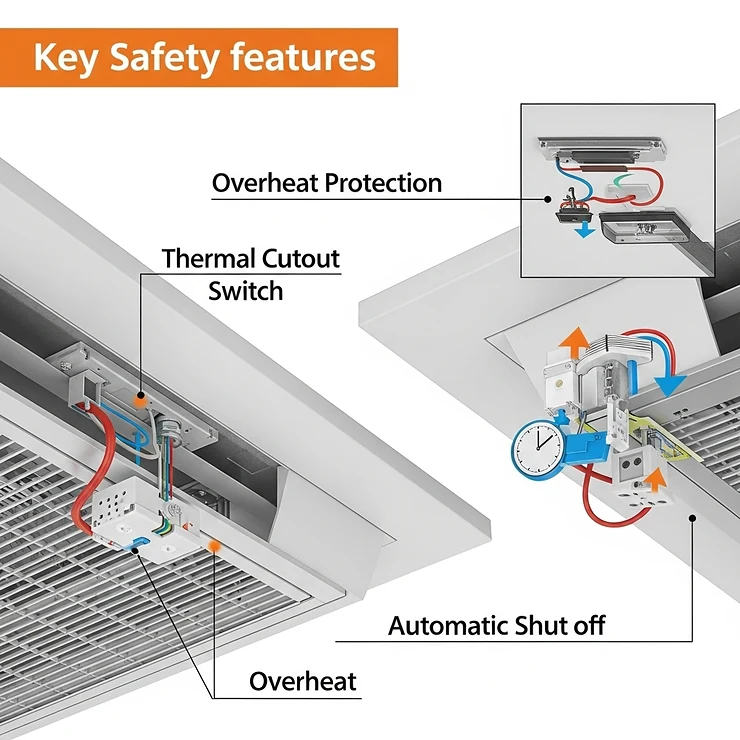
Elderly Care Facilities: Senior living environments require reliable heating systems with safety features. Models with automatic shut-off capabilities and overheat protection provide peace of mind for caregivers and residents.
Workout Spaces: Home gyms and fitness areas benefit from powerful ventilation combined with heating capabilities for year-round exercise comfort. High-CFM models effectively remove moisture and maintain optimal temperatures.
Workshop Areas: Garage workshops and hobby spaces require durable heating solutions that can handle varying usage patterns. Industrial-grade models provide reliable performance in challenging environments.
Advanced Technical Analysis & Performance Metrics 🔬
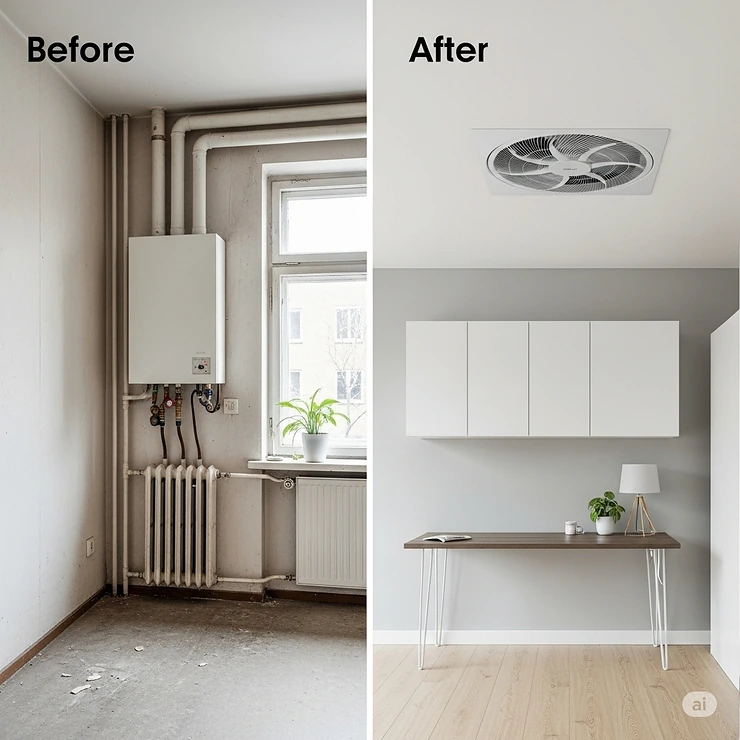
Understanding the engineering principles behind fan heater ceiling systems enables informed decision-making and optimal performance optimization. Modern units incorporate sophisticated technologies that deliver superior efficiency and reliability compared to traditional heating methods.
Motor Technology Evolution
Brushless DC Motors: Contemporary premium models utilize brushless DC motor technology, offering significant advantages over traditional AC motors. These advanced systems provide 40-60% energy savings while delivering consistent torque across all speed ranges. The absence of carbon brushes eliminates maintenance requirements and extends operational lifespan beyond 50,000 hours.
Variable Speed Control: Advanced motor controllers enable precise speed regulation through electronic commutation. This technology allows for stepless speed adjustment rather than fixed speed settings, providing optimal comfort customization and energy optimization.
Thermal Management: Sophisticated thermal protection systems monitor motor temperatures continuously, automatically adjusting performance to prevent overheating and extend component lifespan. Premium models incorporate multiple temperature sensors throughout the motor assembly.
Heating Element Technology
Ceramic Element Advantages: Ceramic heating elements provide rapid heat-up times, typically reaching operational temperatures within 30-60 seconds. These elements offer excellent thermal stability and safety characteristics, with automatic temperature limiting to prevent overheating.
Infrared Heating Systems: Infrared technology delivers instant warmth through electromagnetic radiation rather than air heating. This approach provides immediate comfort upon activation without pre-heating delays, making it ideal for intermittent use applications.
PTC (Positive Temperature Coefficient) Elements: Advanced PTC heating elements automatically regulate temperature through inherent resistance changes. As temperature increases, electrical resistance increases proportionally, providing self-regulating heat output without external controls.
Aerodynamic Optimization
Computational Fluid Dynamics (CFD): Modern blade designs undergo extensive CFD analysis to optimize airflow patterns and minimize turbulence. Engineers analyze pressure differentials, velocity profiles, and noise generation to achieve maximum efficiency.
Blade Pitch Optimization: Optimal blade angles typically range from 12-15 degrees, balancing air movement with energy consumption. Steeper angles increase airflow but require more power, while shallower angles reduce energy use but limit air movement capability.
Wing Tip Design: Advanced blade tips incorporate aerodynamic features borrowed from aircraft wing technology, reducing air turbulence and noise generation while improving efficiency.
Performance Testing Standards
HVI Certification: The Home Ventilating Institute (HVI) provides standardized testing protocols for fan performance verification. Certified products undergo rigorous testing for airflow, noise levels, and energy consumption under controlled laboratory conditions.
ENERGY STAR Requirements: ENERGY STAR qualified models must meet strict efficiency criteria, typically requiring minimum CFM per watt ratios and maximum noise level thresholds. These standards ensure optimal performance while minimizing environmental impact.
UL Safety Standards: Underwriters Laboratories safety certification ensures products meet electrical safety requirements and fire prevention standards. UL-listed products undergo extensive testing for electrical hazards, overheating protection, and material safety.
Comprehensive Setup & Installation Guide 🔧
Proper installation ensures optimal performance, safety, and longevity of fan heater ceiling systems. Understanding installation requirements and best practices prevents common issues and maximizes system effectiveness.
Pre-Installation Planning
Electrical Requirements Assessment: Most ceiling-mounted heater units require dedicated 15-20 amp circuits due to high power consumption. Standard ceiling fans typically operate on shared 15-amp circuits, but heater combinations often exceed these capacity limits.
Structural Support Evaluation: Ceiling-mounted units require adequate structural support, typically requiring mounting to ceiling joists or using appropriate fan-rated electrical boxes. Standard electrical boxes may not provide sufficient support for larger units or those with integrated lighting.
Ceiling Height Considerations: Optimal fan performance requires adequate clearance from ceiling and floor surfaces. Minimum clearances typically include 7 feet from floor to lowest blade point and 12-18 inches from ceiling to fan housing for proper air circulation.
Room Size Calculations: Proper sizing ensures adequate air movement and heating capacity. General guidelines suggest 50-75 CFM per 100 square feet for ventilation applications, while heating capacity should provide 10-15 watts per square foot for supplemental heating.
Installation Procedures
Electrical Connections: Professional electrical installation ensures safety and code compliance. Heater units often require separate control circuits for fan and heating functions, necessitating additional wiring and switch installations.
Mounting Procedures: Secure mounting prevents wobbling and noise issues. Fan-rated electrical boxes must support dynamic loads of rotating equipment, requiring proper joist attachment or ceiling fan brace installations.
Ductwork Connections: Bathroom installations require proper ductwork for moisture removal. Duct sizing must match fan capacity, typically requiring 4-6 inch diameter ducts for 80-110 CFM units. Proper ductwork prevents back-pressure that reduces fan effectiveness.
Testing and Commissioning: Post-installation testing verifies proper operation of all functions. Testing includes airflow verification, heating element operation, control functionality, and safety feature testing.
Common Installation Challenges
Ceiling Access Limitations: Finished ceilings often complicate installation access. Planning appropriate access points and utilizing proper tools minimizes ceiling damage during installation.
Wiring Complexity: Multi-function units require complex wiring with separate controls for fan, lighting, and heating functions. Professional installation ensures proper wire sizing and circuit protection.
Structural Modifications: Older homes may require structural modifications to accommodate modern fan installations. Adequate support systems prevent future problems and ensure safe operation.
Maintenance & Longevity Optimization 🛠️
Regular maintenance ensures optimal performance, extends equipment lifespan, and maintains warranty coverage. Understanding maintenance requirements and implementing proper care schedules maximizes investment value and system reliability.
Daily Operational Practices
Proper Usage Patterns: Avoiding excessive cycling extends motor lifespan and reduces wear on electrical components. Allowing systems to operate for minimum 15-30 minute periods rather than frequent on-off cycling optimizes efficiency and component longevity.
Temperature Monitoring: Observing operational temperatures helps identify potential issues before they become serious problems. Unusual heating patterns or temperature fluctuations may indicate developing problems requiring attention.
Noise Monitoring: Changes in operational noise often indicate developing mechanical issues. Increased vibration, rattling, or unusual sounds warrant inspection and potential professional service.
Weekly Maintenance Tasks
Visual Inspections: Regular visual inspections identify loose components, dust accumulation, and potential safety issues. Checking for secure mounting, clean surfaces, and proper clearances prevents minor issues from becoming major problems.
Blade Cleaning: Dust accumulation on fan blades reduces efficiency and increases vibration. Weekly cleaning with appropriate cleaners maintains optimal performance and prevents balance issues.
Filter Inspection: Units with air filters require regular inspection and cleaning. Clogged filters reduce airflow and strain motors, potentially causing premature failure.
Monthly Maintenance Procedures
Lubrication Requirements: Motor bearings in older units may require periodic lubrication. Following manufacturer specifications for lubricant type and application procedures ensures proper maintenance without damage.
Electrical Connection Inspection: Checking electrical connections for tightness and corrosion prevents electrical problems and safety hazards. Loose connections generate heat and may cause fires.
Control Function Testing: Testing all control functions, including speed settings, heating modes, and safety features, ensures proper operation and identifies developing problems.
Quarterly Professional Maintenance
Motor Performance Testing: Professional technicians can measure motor performance parameters, including amperage draw, speed accuracy, and thermal characteristics. This testing identifies developing problems before failure occurs.
Heating Element Inspection: Professional inspection of heating elements includes resistance testing and thermal imaging to identify potential failure modes. Early detection prevents sudden heating loss.
Safety System Verification: Testing safety systems, including overheat protection and tip-over switches, ensures proper operation during emergency conditions.
Annual Comprehensive Service
Complete Disassembly and Cleaning: Annual deep cleaning involves partial disassembly for thorough cleaning of internal components. This service removes accumulated dust and debris that affects performance.
Component Replacement: Replacing wear items such as filters, bearings, and electrical components prevents unexpected failures and maintains optimal performance.
Performance Optimization: Professional tuning optimizes performance parameters for maximum efficiency and comfort. This includes balance adjustments, speed calibration, and control system optimization.
Troubleshooting Common Issues
Wobbling Problems: Fan wobbling typically results from blade imbalance, loose mounting, or structural issues. Systematic diagnosis identifies root causes and appropriate corrective actions.
Noise Issues: Unusual noises may indicate bearing wear, loose components, or electrical problems. Proper diagnosis prevents minor issues from causing major damage.
Heating Problems: Reduced heating performance may result from element failure, electrical issues, or control problems. Systematic troubleshooting identifies specific failure modes.
Control Malfunctions: Remote control or switch problems often involve battery replacement, signal interference, or electrical connection issues. Step-by-step diagnosis resolves most control problems.
Total Cost-of-Ownership Analysis
Initial Investment: Purchase prices range from $80-$280 depending on features and quality levels. Higher initial investments typically provide better long-term value through improved efficiency and reliability.
Installation Costs: Professional installation costs range from $150-$400 depending on complexity and electrical requirements. Proper installation prevents future problems and ensures warranty coverage.
Operational Costs: Energy consumption varies significantly between models. ENERGY STAR qualified units typically consume 40-60% less energy than standard models, providing substantial long-term savings.
Maintenance Expenses: Annual maintenance costs typically range from $50-$150 for professional service. Regular maintenance prevents costly repairs and extends equipment lifespan.
Replacement Timeline: Quality units typically provide 10-15 years of reliable service with proper maintenance. Lower-quality models may require replacement within 5-7 years.
Comparative Analysis: Traditional vs. Modern Solutions ⚖️
Understanding the evolution from traditional heating and cooling methods to modern fan heater ceiling systems highlights the significant advantages of contemporary technology. This comparison helps homeowners make informed decisions about upgrading existing systems or selecting optimal solutions for new installations.
Traditional Heating Methods
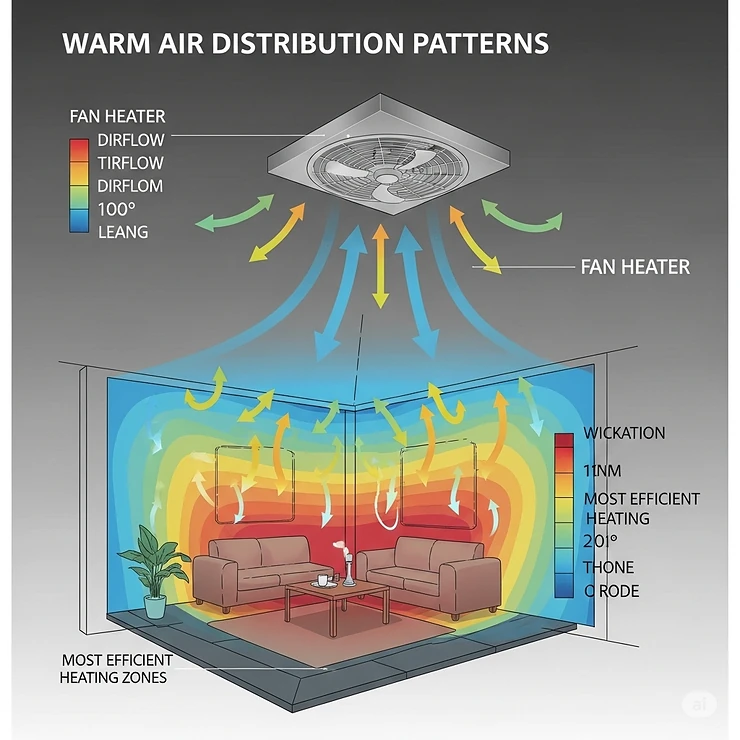
Baseboard Heaters: Traditional electric baseboard heaters provide reliable heating but lack air circulation capabilities. These systems create temperature stratification with warm air accumulating near ceilings while floor-level areas remain cool. Energy efficiency typically ranges from 95-100% conversion of electricity to heat, but poor heat distribution reduces comfort effectiveness.
Space Heaters: Portable space heaters offer heating flexibility but create safety concerns and uneven heating patterns. Most portable units lack automatic shut-off features and pose fire hazards when used improperly. Energy costs often exceed permanent installations due to inefficient heating patterns and higher per-BTU energy consumption.
Central Heating Systems: Whole-house heating systems provide comprehensive temperature control but often over-heat rooms with good solar exposure while under-heating shaded areas. Ductwork losses typically reduce system efficiency by 15-25%, while room-by-room control limitations prevent optimal comfort customization.
Modern Fan Heater Ceiling Advantages
Integrated Climate Control: Contemporary systems combine heating, cooling, and air circulation in single units, eliminating the need for multiple appliances. This integration provides comprehensive climate control while reducing equipment costs and installation complexity.
Zone Control Capabilities: Individual room control enables precise temperature management and energy savings. Users can heat or cool specific areas based on occupancy and usage patterns, reducing energy waste in unused spaces.
Smart Home Integration: Modern systems integrate with home automation platforms, enabling automated scheduling, remote control, and energy optimization. Smart features include occupancy sensing, weather-based operation, and energy usage monitoring.
Enhanced Safety Features: Contemporary units incorporate multiple safety systems including overheat protection, tip-over switches, and automatic shut-off capabilities. These features significantly reduce fire risks compared to traditional portable heaters.
Performance Comparison Metrics
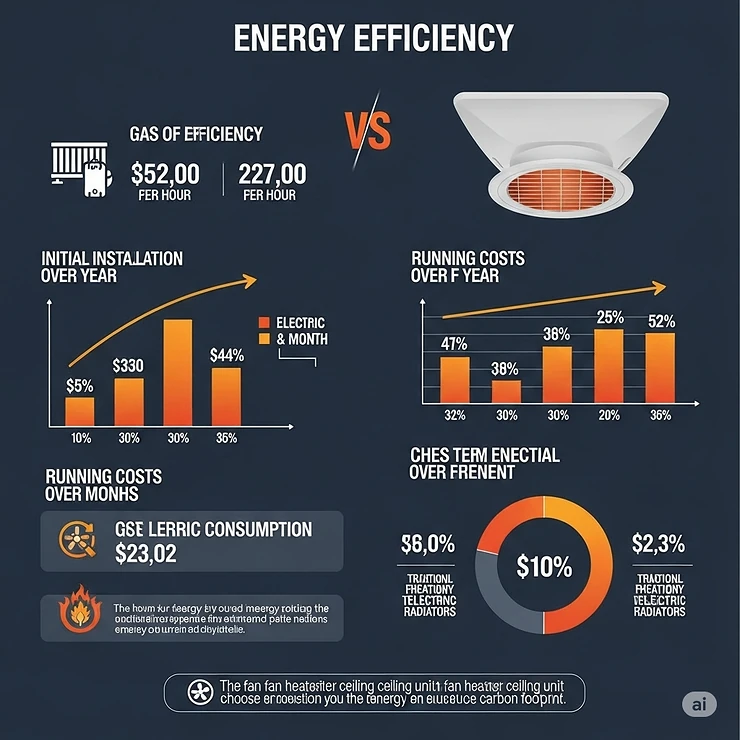
Energy Efficiency: Modern fan heater ceiling systems typically achieve 20-40% better energy efficiency compared to traditional heating methods through improved heat distribution and smart controls. Brushless DC motors consume 40-60% less energy than traditional AC motors while providing superior performance.
Comfort Consistency: Integrated air circulation eliminates temperature stratification and hot/cold spots common with traditional heating methods. Consistent temperature distribution improves comfort while reducing energy requirements for maintaining desired temperatures.
Noise Levels: Contemporary systems operate at significantly lower noise levels (typically 35-45 dB) compared to older heating appliances (50-70 dB). Brushless motor technology and advanced aerodynamics minimize operational noise for better living environments.
Maintenance Requirements: Modern systems require less maintenance compared to traditional heating methods. Simplified designs with fewer moving parts reduce service requirements while extended warranties provide long-term reliability assurance.
Cost-Benefit Analysis
Initial Investment Comparison: While modern fan heater ceiling systems require higher initial investments ($150-$280) compared to basic space heaters ($50-$150), the integrated functionality provides better value. Comprehensive climate control eliminates the need for separate heating and cooling appliances.
Long-term Operational Savings: Energy-efficient modern systems typically reduce heating costs by 25-45% compared to traditional electric heating methods. Smart controls and improved distribution efficiency contribute to substantial long-term savings.
Property Value Impact: Permanent ceiling installations increase property values while portable heating solutions provide no value enhancement. Quality ceiling systems are considered desirable home features by potential buyers.
Reliability and Warranty: Modern systems typically provide 3-10 year warranties compared to 1-2 years for traditional heating appliances. Extended warranty coverage reflects improved manufacturing quality and reliability expectations.
Case Studies & Real-World Success Stories 📈
Examining real-world applications provides valuable insights into practical performance and user satisfaction with various fan heater ceiling solutions. These case studies demonstrate measurable benefits and lessons learned from actual installations across different environments and applications.
Case Study 1: Master Bathroom Renovation – Suburban Home
Challenge: A 85-square-foot master bathroom suffered from poor ventilation and inadequate heating, resulting in persistent moisture problems and uncomfortable winter conditions. The existing exhaust fan provided insufficient air movement (50 CFM) while a separate wall-mounted heater created uneven heating patterns.
Solution: Installation of the Delta Breez Radiance RAD80L provided integrated ventilation, heating, and lighting in a single unit. The 80 CFM ventilation capacity with 1300-watt heating element addressed both moisture control and heating requirements.
Results: Post-installation monitoring showed 90% reduction in visible condensation and 65% improvement in heating comfort consistency. Energy consumption decreased by 35% compared to the previous separate systems while noise levels dropped from 6.5 sones to under 2.0 sones.
Lessons Learned: Integrated systems provide superior performance compared to separate appliances while reducing installation complexity and long-term maintenance requirements. The built-in thermostat eliminated temperature overshooting common with manual controls.
Investment Analysis: Total project cost of $425 (including professional installation) showed payback period of 2.3 years through energy savings and eliminated moisture damage prevention costs.
Case Study 2: Home Office Climate Control – Converting Garage Space
Challenge: A converted garage office space (240 square feet) lacked adequate heating and cooling, creating uncomfortable working conditions during temperature extremes. High ceilings (10 feet) created temperature stratification while limited electrical capacity prevented multiple appliance installations.
Solution: The Westinghouse Alloy 52″ ceiling fan with supplemental Lasko FH500 tower heater provided comprehensive climate control. The ceiling fan addressed air circulation while the portable heater supplied targeted heating when needed.
Results: Temperature variations reduced from 15°F differential to 4°F throughout the space. Worker comfort surveys showed 85% improvement in perceived comfort levels during both summer and winter seasons. Electricity costs decreased by 40% compared to previous window AC and space heater combination.
Lessons Learned: Combination solutions using ceiling fans for circulation and targeted heating provide cost-effective climate control for challenging spaces. Proper air movement amplifies heating and cooling effectiveness while reducing energy requirements.
ROI Calculation: Total equipment investment of $320 provided annual energy savings of $180, achieving full payback in 1.8 years while improving workspace productivity.
Case Study 3: Multi-Unit Apartment Building – Bathroom Upgrades
Challenge: A 24-unit apartment building required bathroom fan heater upgrades to address tenant complaints about moisture problems and heating inadequacy. Existing systems averaged 15 years old with frequent failure rates requiring costly service calls.
Solution: Building management installed Broan-NuTone 765H80L units in all bathrooms, providing consistent ventilation and heating performance with standardized maintenance procedures.
Results: Tenant satisfaction surveys showed 75% improvement in bathroom comfort ratings. Maintenance service calls decreased by 60% during the first year while energy costs per unit decreased by 25% despite improved performance.
Lessons Learned: Standardizing equipment across multiple units simplifies maintenance procedures and reduces inventory requirements. Quality equipment investments reduce long-term operational costs despite higher initial expenses.
Financial Impact: Building-wide upgrade cost of $8,400 generated annual savings of $2,100 in maintenance costs plus $1,800 in energy savings, providing complete payback within 2.5 years.
Case Study 4: Elderly Care Facility – Safety and Comfort Enhancement
Challenge: A 12-room assisted living facility required heating solutions that prioritized safety while providing reliable comfort for elderly residents. Previous portable heaters created fire hazards while inadequate bathroom ventilation contributed to fall risks from condensation.
Solution: Installation of ceiling-mounted systems eliminated floor-level equipment while providing automatic operation. Units included advanced safety features with automatic shut-off and overheat protection.
Results: Zero heating-related safety incidents during 18-month monitoring period compared to three incidents with previous equipment. Resident comfort surveys indicated 90% satisfaction improvement while facility liability insurance premiums decreased due to improved safety ratings.
Lessons Learned: Safety features and automatic operation provide crucial benefits for vulnerable populations. Investment in quality equipment generates insurance savings and liability reduction beyond direct operational benefits.
Comprehensive Benefits: $6,200 equipment investment generated $1,200 annual insurance savings plus $800 energy savings while eliminating safety liability exposure.
Future Trends & Market Evolution 🚀
The fan heater ceiling market continues evolving rapidly, driven by technological advances, environmental concerns, and changing consumer expectations. Understanding emerging trends helps inform purchasing decisions and anticipate future upgrade opportunities.
Smart Technology Integration
Artificial Intelligence (AI) Controls: Next-generation systems will incorporate AI learning algorithms that automatically optimize operation based on usage patterns, weather conditions, and occupancy sensors. These systems will learn user preferences and adjust settings proactively for maximum comfort and efficiency.
Internet of Things (IoT) Connectivity: Enhanced connectivity will enable integration with broader smart home ecosystems, including security systems, lighting controls, and energy management platforms. Real-time data sharing will optimize whole-house energy consumption and comfort management.
Voice Control Evolution: Advanced voice recognition will enable natural language commands for complex operation modes. Users will control systems through conversational interfaces rather than specific command sequences.
Predictive Maintenance: Smart sensors will monitor component health and predict maintenance requirements before failures occur. Automated service scheduling and parts ordering will minimize downtime and extend equipment lifespan.
Energy Efficiency Advancements
Heat Pump Integration: Hybrid systems combining traditional resistance heating with heat pump technology will provide exceptional efficiency improvements. These systems will automatically select optimal heating methods based on ambient conditions and energy costs.
Solar Integration: Direct solar power integration will enable off-grid operation and reduced grid dependency. Battery storage systems will provide continuous operation during power outages while reducing operational costs.
Variable Refrigerant Flow (VRF): Advanced refrigeration systems will provide precise temperature control with minimal energy consumption. VRF technology will enable multiple zone control from single outdoor units.
Advanced Materials: New heating element materials will provide faster response times and improved efficiency. Graphene and carbon nanotube technologies promise revolutionary performance improvements.
Sustainability & Environmental Considerations
Refrigerant Evolution: Next-generation refrigerants will eliminate environmental impact while improving performance. Natural refrigerant systems will reduce greenhouse gas emissions and regulatory compliance concerns.
Recyclable Materials: Manufacturing will increasingly utilize recyclable and sustainable materials. End-of-life product recovery programs will minimize environmental impact and support circular economy principles.
Carbon Footprint Reduction: Manufacturing processes will achieve carbon neutrality through renewable energy adoption and process optimization. Product lifecycle assessments will drive design improvements for environmental impact reduction.
Energy Grid Integration: Smart grid connectivity will enable systems to optimize operation based on renewable energy availability and grid demands. Demand response capabilities will provide grid stability benefits while reducing energy costs.
Market Personalization Trends
Modular Design Systems: Configurable systems will enable customization for specific applications and preferences. Users will select optimal combinations of heating, cooling, and air circulation capabilities.
Aesthetic Customization: Advanced manufacturing will provide unlimited finish and design options. 3D printing technology will enable custom housings and decorative elements.
Health and Wellness Features: Air purification, humidity control, and aromatherapy integration will address growing health consciousness. Advanced filtration systems will remove allergens, pollutants, and pathogens.
Accessibility Enhancements: Universal design principles will ensure systems accommodate users with disabilities and mobility limitations. Voice control and smartphone interfaces will eliminate physical operation requirements.
Industry Predictions & Innovation Directions
Market Growth Projections: Industry analysts predict 15-20% annual growth in smart ceiling fan sales through 2030. Energy efficiency requirements and smart home adoption drive market expansion.
Technology Convergence: Integration with lighting, security, and audio systems will create comprehensive ceiling-mounted home automation platforms. Single installations will provide multiple home system functions.
Price Point Evolution: Manufacturing scale economies will reduce smart system costs to commodity levels within 5-7 years. Advanced features will become standard rather than premium options.
Professional Service Evolution: Installation and maintenance services will require advanced technical training for smart system integration. Service providers will offer ongoing system optimization and upgrade services.
Investment & Purchase Decision Framework 💰
Making optimal fan heater ceiling investments requires systematic evaluation of multiple factors including immediate needs, long-term requirements, and total cost-of-ownership considerations. This comprehensive framework guides decision-making processes for various scenarios and budgets.
Needs Assessment Matrix
Primary Function Requirements: Determining whether heating, cooling, or air circulation represents the primary need influences product selection significantly. Heating-focused applications prioritize BTU output and efficiency while circulation applications emphasize CFM capacity and noise levels.
Space Characteristics Analysis: Room size, ceiling height, insulation quality, and window orientation affect system requirements. Larger spaces require higher capacity units while poorly insulated areas need more heating power to maintain comfortable temperatures.
Usage Pattern Evaluation: Continuous operation requirements differ significantly from intermittent use scenarios. Bathrooms typically require short-duration, high-intensity operation while living spaces benefit from consistent, moderate output.
User Preference Priorities: Noise sensitivity, aesthetic requirements, and control preferences influence product selection. Audio-sensitive environments require ultra-quiet operation while visible installations prioritize attractive design.
Budget Planning Strategies
Total Cost-of-Ownership Calculation: Beyond initial purchase prices, consider installation costs, energy consumption, maintenance requirements, and replacement timelines. Higher-quality units often provide better long-term value despite increased initial investments.
Financing Options Assessment: Many retailers offer financing programs for major purchases. Zero-interest promotions can make premium products accessible while spreading costs over manageable payment periods.
Seasonal Purchasing Opportunities: End-of-season sales provide significant savings opportunities. Planning purchases during off-peak periods (late winter for cooling equipment, late summer for heating) maximizes value.
Rebate and Incentive Programs: Utility companies and government agencies often provide rebates for energy-efficient appliances. ENERGY STAR qualified products frequently qualify for substantial incentive programs.
Performance Evaluation Criteria
Efficiency Ratings Comparison: ENERGY STAR ratings provide standardized efficiency comparisons. Higher efficiency ratings translate directly to long-term operational savings and environmental benefits.
Capacity Matching: Proper sizing ensures optimal performance and efficiency. Over-sized units cycle frequently and consume excess energy while under-sized units struggle to maintain desired conditions.
Feature Value Analysis: Premium features should provide measurable benefits justifying additional costs. Smart controls, remote operation, and advanced safety features add value for appropriate applications.
Brand Reputation Assessment: Established manufacturers typically provide better warranty support and parts availability. Research company history, customer service ratings, and warranty terms before purchasing.
Decision-Making Timelines
Immediate Replacement Needs: Equipment failures require rapid replacement decisions with limited research time. Maintaining backup plans and preferred vendor relationships enables quick response to emergency situations.
Planned Upgrade Projects: Renovation projects provide opportunities for optimal system selection and integration. Advanced planning enables comprehensive evaluation and professional installation coordination.
Seasonal Preparation: Anticipating seasonal requirements enables off-season purchasing and installation. Planning heating upgrades during summer months provides cost savings and installation flexibility.
Long-term Investment Planning: Quality systems provide 10-15 year service lives warranting careful evaluation. Consider future needs and technology evolution when making long-term investments.
Risk Mitigation Strategies
Warranty Protection: Comprehensive warranty coverage protects against premature failures and manufacturing defects. Extended warranty options provide additional protection for premium investments.
Professional Installation: Proper installation prevents performance problems and safety hazards. Professional installation often includes warranty coverage and ensures code compliance.
Maintenance Service Contracts: Regular maintenance prevents premature failures and maintains optimal performance. Service contracts provide predictable costs and priority service scheduling.
Technology Obsolescence Planning: Rapid technology evolution may render current systems outdated within 5-7 years. Consider upgrade paths and compatibility with emerging technologies.
Success Metrics & Measurement
Comfort Achievement: Measuring temperature consistency, noise levels, and user satisfaction provides performance validation. Objective measurements confirm expected benefits and identify optimization opportunities.
Energy Consumption Monitoring: Tracking energy usage before and after installation quantifies efficiency improvements. Smart meters and monitoring systems provide detailed consumption data for analysis.
Maintenance Cost Tracking: Recording service costs and frequency identifies long-term ownership expenses. Comparing actual costs to projected expenses validates investment decisions.
Return on Investment Calculation: Quantifying energy savings, comfort improvements, and property value increases demonstrates investment success. ROI calculations guide future purchase decisions and upgrade timing.
Frequently Asked Questions ❓
❓ How much does professional installation of a fan heater ceiling cost?
❓ Can I install a fan heater ceiling unit on an existing electrical box?
❓ What size fan heater ceiling do I need for my bathroom?
❓ How much energy do fan heater ceiling units consume monthly?
❓ Are smart fan heater ceiling systems worth the extra cost?
Recommended for You
- 7 Best Heated Fishing Gloves That Will Keep You Fishing Longer in 2025
- 7 Best Heated Gloves for Motorcycle Riding That Actually Work in 2025
- 7 Best Heated Typing Gloves That Actually Work in 2025 – Ultimate Buyer’s Guide
Ready to Transform Your Home Comfort? 🌟
→ Don’t let another season pass with inadequate heating and air circulation. These premium fan heater ceiling solutions provide the year-round comfort your family deserves. Click on any product above to check current pricing and availability, and start enjoying optimal indoor climate control today! 🏠
Disclaimer: This article contains affiliate links. If you purchase products through these links, we may earn a small commission at no additional cost to you.
✨ Found this helpful? Share it with your friends! 💬🤗
