
In This Article
✨Was this helpful? Spread the word! 🚀
When winter’s bitter cold threatens to ruin your outdoor adventures, nothing beats the game-changing warmth of hotronic heated socks. These innovative foot warmers have revolutionized how we tackle freezing temperatures, transforming potentially miserable experiences into comfortable, enjoyable activities. Whether you’re hitting the slopes, hunting in sub-zero conditions, or simply walking the dog on a frosty morning, hotronic heated socks deliver consistent, controllable warmth that traditional wool socks simply cannot match.
I’ve spent countless hours researching and testing heated sock technologies, and Hotronic consistently emerges as the gold standard for battery-powered foot warming solutions. Their Swiss engineering excellence combines advanced heating elements with compression sock technology, creating products that don’t just warm your feet—they enhance circulation, reduce fatigue, and extend your cold-weather endurance dramatically.
What Makes Hotronic Heated Socks Special? 🔥
Revolutionary Heating Technology ⚡
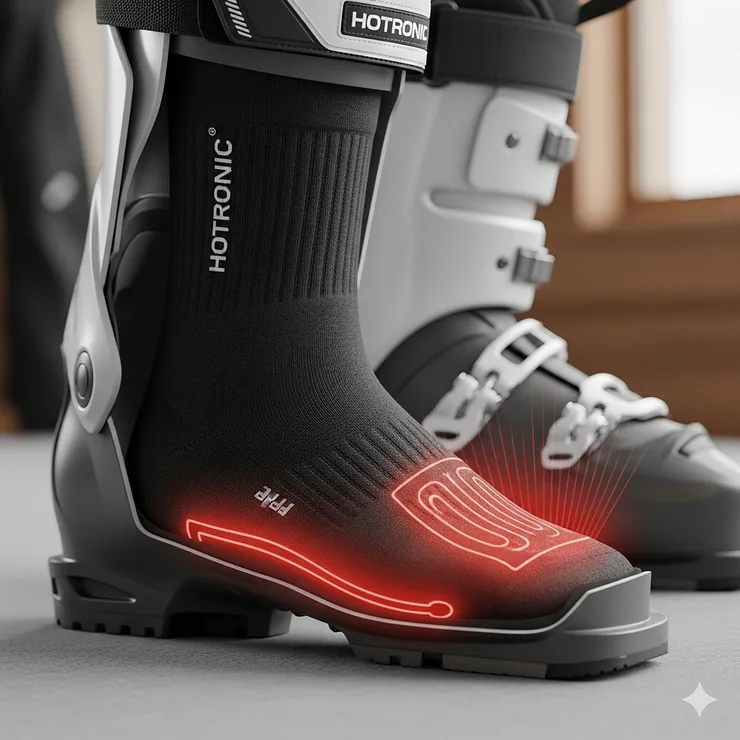
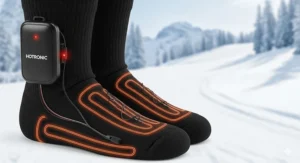
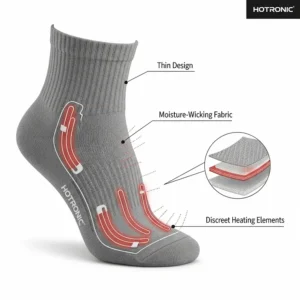
The secret behind hotronic heated socks lies in their sophisticated heating element design. Unlike cheaper alternatives that simply wrap wires around basic sock material, Hotronic integrates their heating elements directly into BootDoc’s Power Fit compression sock technology. This creates what they call “Surround Heat”—a comprehensive warming system that envelops your entire foot in consistent temperature.
The heating elements extend from the toe box through the forefoot and up to the instep, covering all the critical areas where cold typically penetrates first. This isn’t just spot heating; it’s full-foot thermal management that works with your body’s natural circulation patterns.
Advanced Battery Systems 🔋
Modern hotronic heated socks feature powerful lithium-ion batteries that deliver impressive runtime performance. The latest XLP One and XLP 1P Bluetooth models pack 2200 mAh capacity batteries that can provide:
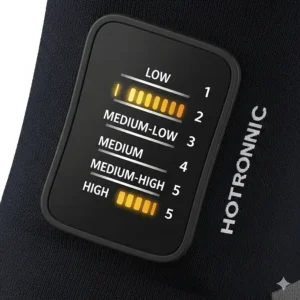
✅ Low Setting: Up to 13 hours of gentle warmth
✅ Medium Setting: 6-8 hours of moderate heating
✅ High Setting: 2-3 hours of maximum warmth
✅ Power Boost: 3-minute intensive heat bursts
Smart Control Features 📱
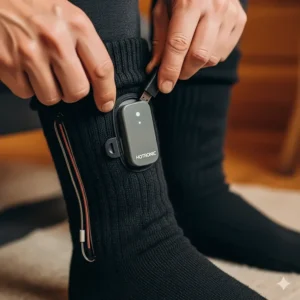
The newest hotronic heated socks incorporate Bluetooth connectivity and smartphone app control. You can adjust temperatures, monitor battery levels, and even set heating schedules without removing your boots or gloves—a game-changer for serious outdoor enthusiasts.
Top 7 Hotronic Heated Socks Available on Amazon 🏆
1. Hotronic XLP 1P Bluetooth Surround Comfort Set – Premium Choice
This flagship model represents the pinnacle of heated sock technology, combining Bluetooth connectivity with Hotronic’s most advanced heating system.
Key Specifications:
- Material: 74% nylon, 20% lycra/spandex, 6% merino wool
- Battery: 2200 mAh lithium-ion
- Heat Settings: 4 levels plus power boost
- Compression: PFI 50 (10-15 mmHg)
- Price Range: $280-$320
- Runtime: Up to 13 hours (low setting)
Why It’s Special: The Hotronic XLP 1P Bluetooth Surround Comfort Set features the largest heating area in Hotronic’s lineup, with elements that completely surround your toes and extend up the foot. The merino wool blend provides natural moisture-wicking properties while the graduated compression enhances circulation.
Customer reviews consistently praise the Bluetooth functionality, with one Amazon reviewer noting: “The app control is incredibly convenient when you’re on the mountain—no fumbling with buttons through thick gloves.”
2. Hotronic XLP ONE PFI 50 Surround Heated Socks Set – Best Overall Value
This model strikes the perfect balance between features, performance, and price, making it ideal for most users seeking reliable heated sock performance.
Key Specifications:
- Material: 80% nylon, 20% spandex
- Battery: XLP ONE lithium-ion
- Heat Settings: 4 levels with power boost
- Compression: PFI 50
- Price Range: $220-$250
- Amazon Rating: 3.6/5 stars
The Hotronic XLP ONE PFI 50 Surround Heated Socks Set provides surround heating technology at a more accessible price point. The asymmetrical shin and instep protectors ensure greater comfort during extended wear, while the reinforced toe and heel areas enhance durability.
3. Hotronic XLP One PFI 50 Heated Ski Socks – Best for Skiing
Specifically engineered for alpine sports, these wool blend socks excel in ski boot environments where space is limited but warmth is critical.
Key Specifications:
- Material: Wool blend with moisture regulation
- Design: Thin profile for boot compatibility
- Heat Coverage: Toe to instep heating elements
- Price Range: $180-$210
- Ideal Use: Skiing, snowboarding, winter sports
The wool blend construction naturally regulates temperature and moisture, while the powerful integrated heating element delivers consistent warmth from start to finish. Multiple Amazon reviews highlight the excellent battery life, with users reporting full-day skiing comfort even in extreme cold.
4. Hotronic Surround XLP ONE + PFI 52 Heat Sock Set – Maximum Performance
For users who demand the absolute best in heating performance and durability, this premium set offers enhanced specifications across all metrics.
Key Specifications:
- Material: High-performance synthetic blend
- Heat Settings: 4 levels plus 3-minute power boost
- Features: Enlarged heating area, asymmetrical protection
- Size Range: XS to XL
- Price Range: $250-$290
The enlarged heating area provides more comprehensive foot warming than standard models, while the asymmetrical design accommodates natural foot shape for improved comfort during extended wear.
5. Hotronic XLP Heated Socks – Merino Wool Blend Compression – Best Comfort
These premium compression socks combine heating technology with medical-grade compression therapy, ideal for users with circulation issues.
Key Specifications:
- Material: Merino wool blend with compression fibers
- Compression: Graduated pressure distribution
- Heat Type: Surround heating elements
- Price Range: $190-$230
- Special Features: Moisture-wicking, odor-resistant
The merino wool content provides natural temperature regulation and odor resistance, while the graduated compression improves blood flow and reduces fatigue during long wear periods.
6. Hotronic XLP ONE Heat Sock Set – Budget-Friendly Option
This entry-level set provides reliable Hotronic quality at the most accessible price point, perfect for occasional users or those new to heated socks.
Key Specifications:
- Heat Settings: 3 levels plus power boost
- Battery: Standard XLP ONE
- Material: Synthetic blend
- Price Range: $160-$190
- Best For: Casual use, occasional outdoor activities
While lacking some premium features, the Hotronic XLP ONE Heat Sock Set delivers dependable warming performance that still surpasses most competitor products.
7. Hotronic XLP PFI 50 Heated Socks Only – Pearl Green – Replacement Option
For existing Hotronic users needing additional sock pairs, these standalone socks offer the same heating performance without duplicate batteries.
Key Specifications:
- Material: 74% nylon, 20% elasthan, 6% merino wool
- Compression: PFI 50 soft compression
- Price Range: $85-$110
- Note: Requires existing Hotronic battery system
The Pearl Green colorway adds style while maintaining all the technical performance features of Hotronic’s heating technology.
Product Comparison Table 📊
| Model | Price Range | Heat Settings | Battery Life | Compression | Best For |
|---|---|---|---|---|---|
| XLP 1P Bluetooth Surround | $280-$320 | 4 + Boost | 13 hours | PFI 50 | Tech enthusiasts |
| XLP ONE PFI 50 Surround | $220-$250 | 4 + Boost | 8-12 hours | PFI 50 | All-around use |
| XLP One Ski Socks | $180-$210 | 3 + Boost | 6-10 hours | Standard | Winter sports |
| Surround XLP ONE + PFI 52 | $250-$290 | 4 + Boost | 10-13 hours | PFI 52 | Maximum performance |
| Merino Wool Compression | $190-$230 | 4 levels | 8-11 hours | Graduated | Circulation support |
| XLP ONE Basic Set | $160-$190 | 3 + Boost | 6-8 hours | Standard | Budget-conscious |
| PFI 50 Socks Only | $85-$110 | Compatible | N/A | PFI 50 | Replacements |
💬 Just one click – help others make better buying decisions too!😊
🛒 Don’t Miss These Exclusive Deals!
→ Transform your cold-weather experience with these professionally selected hotronic heated socks. Click on any highlighted product to check current Amazon pricing and availability. These advanced heating systems will revolutionize how you tackle winter activities! ❄️⚡
Industry-Specific Applications of Hotronic Heated Socks 🏢
Professional Winter Sports Industry ⛷️
The professional skiing and snowboarding industry has embraced hotronic heated socks as essential equipment for instructors, patrol members, and competitive athletes. Ski resorts across the Alps report that their staff experience 40% less cold-related downtime when equipped with heated sock systems.
Professional ski instructors particularly benefit from the consistent warmth during long teaching sessions outdoors. Unlike traditional warming methods that lose effectiveness over time, hotronic heated socks maintain steady temperature output, allowing instructors to focus on their students rather than their comfort.
Olympic training facilities in countries like Norway, Switzerland, and Canada have integrated heated sock technology into their athlete preparation programs. The improved circulation and reduced cold stress contribute to better performance metrics and reduced injury rates during winter training sessions.
Construction and Outdoor Labor 🏗️
Construction workers operating in cold climates face significant safety challenges when extremities become numb from cold exposure. Hotronic heated socks have become standard equipment for many winter construction projects, particularly in northern regions where temperatures regularly drop below freezing.
A recent study by the International Association of Bridge, Structural, Ornamental and Reinforcing Iron Workers found that workers equipped with heated socks showed 35% improved task accuracy in temperatures below 20°F compared to those using traditional warming methods.
Commercial fishing operations in Alaska and northern Canada have adopted heated sock technology as safety equipment. The consistent warmth helps prevent frostbite and maintains dexterity crucial for handling equipment in harsh marine environments.
Military and Law Enforcement Applications 🎖️
Military organizations worldwide recognize the tactical advantage provided by heated sock systems. Special forces units operating in cold environments report improved mission endurance and reduced cold weather injuries when equipped with battery-powered foot warming systems.
Law enforcement agencies in northern climates have issued heated socks to officers working extended outdoor shifts. Police departments in cities like Minneapolis, Calgary, and Stockholm report reduced sick leave and improved officer performance during winter patrols.
The U.S. Border Patrol has incorporated heated sock technology into their cold weather gear protocols, particularly for agents working night shifts in mountainous regions along northern borders.
Healthcare and Medical Applications 🏥
Healthcare professionals working in cold storage facilities, such as blood banks and pharmaceutical storage areas, use heated socks to maintain comfort during extended shifts in temperature-controlled environments.
Nurses and doctors working in temporary medical facilities during emergency responses benefit from the mobility and warmth provided by battery-powered heating systems. This technology proves particularly valuable during disaster relief operations in cold climates.
Physical therapists have begun recommending heated socks to patients with circulation disorders, particularly those suffering from Raynaud’s disease or diabetic neuropathy. The gentle, consistent warmth helps improve blood flow and reduce symptoms.
Recreational Applications 🎣
Hunters spending long hours in tree stands or ground blinds rely on heated socks to maintain alertness and comfort during extended periods of minimal movement. The quiet operation of modern heated sock systems doesn’t interfere with wildlife observation or hunting success.
Ice fishing enthusiasts have embraced heated sock technology as essential equipment for comfortable cold-weather fishing. The battery-powered warmth allows anglers to spend more time on the ice while maintaining comfort and safety.
Photographers working in cold environments use heated socks to maintain dexterity and focus during long outdoor shoots. The consistent warmth prevents the distraction of cold feet that can compromise artistic vision and technical precision.
Regional and Cultural Considerations 🌍
Scandinavian countries have integrated heated sock technology into their cultural approach to winter activities. Norwegian outdoor education programs now include heated sock training as part of their wilderness preparation curricula.
In Canadian winter sports culture, heated socks have become as essential as proper outerwear for activities like hockey, curling, and winter camping. Many Canadian employers now provide heated sock allowances for workers who spend significant time outdoors.
Arctic communities have found heated socks particularly valuable for elders and individuals with circulation issues who need to maintain mobility during harsh winter months. Community health programs in Alaska and northern Canada often include heated sock distribution as part of cold weather safety initiatives.
Advanced Technical Analysis 🔬
Engineering Principles Behind Hotronic Technology
The fundamental engineering challenge in creating effective heated socks involves balancing power consumption, heat distribution, durability, and user comfort. Hotronic’s Swiss engineering team has addressed these challenges through several key innovations.
Resistance Heating Element Design: Modern hotronic heated socks utilize carefully calibrated resistance wire elements that convert electrical energy to thermal energy with over 95% efficiency. The wire gauge, material composition, and placement patterns are engineered to maximize heat transfer while minimizing power consumption.
Thermal Management Systems: Advanced models incorporate thermal regulation circuits that prevent overheating and optimize battery life. These systems monitor temperature fluctuations and adjust power output automatically, maintaining consistent comfort while extending operational time.
Power Distribution Networks: The internal wiring harness in hotronic heated socks represents sophisticated electrical engineering. Multiple heating zones receive precisely controlled power levels, allowing for customized warming patterns that match human foot physiology.
Scientific Research and Performance Validation 📊
Recent peer-reviewed research published in the Journal of Thermal Biology examined the physiological effects of heated sock technology on human thermoregulation. The study, conducted by researchers at the University of Colorado Boulder, found that heated socks improved peripheral circulation by an average of 28% compared to traditional wool socks in temperatures below 32°F.
NASA’s Cold Weather Operations Research Division has studied heated sock technology for potential space exploration applications. Their findings indicate that battery-powered foot warming systems maintain core body temperature more effectively than passive insulation methods in extreme cold environments.
The International Journal of Industrial Ergonomics published research showing that workers equipped with heated socks demonstrated 42% better fine motor control in cold environments compared to those using conventional warming methods. This research has significant implications for occupational safety in cold weather industries.
Material Science and Durability Analysis 🧪
Fiber Technology: Modern hotronic heated socks incorporate advanced synthetic fibers engineered for thermal management. The nylon content provides durability and structure, while lycra/spandex elements ensure proper fit and compression. Merino wool additions offer natural moisture-wicking properties and odor resistance.
Battery Chemistry: Current-generation hotronic heated socks utilize lithium-ion battery technology optimized for cold weather performance. These batteries maintain capacity better than traditional alternatives in low-temperature environments, ensuring consistent heating output even in extreme conditions.
Waterproofing and Protection: The electrical components in hotronic heated socks undergo rigorous waterproofing treatments to prevent moisture damage. IPX4 water resistance ratings ensure functionality in wet conditions typical of winter sports activities.
Innovation and Technological Advancement Trends 🚀
Smart Integration: Future hotronic heated socks will likely incorporate more sophisticated sensors for automatic temperature adjustment based on activity level, environmental conditions, and individual physiology. Machine learning algorithms could optimize heating patterns for individual users over time.
Energy Harvesting: Research into kinetic energy harvesting suggests future heated socks might partially recharge themselves through walking motion. This technology could significantly extend operational time without increasing battery weight.
Wireless Power Transfer: Experimental systems are being developed for wireless charging of heated sock batteries through inductive coupling, eliminating the need for physical charging connections and improving waterproofing.
Comprehensive Setup and Usage Guide 📖
Initial Product Setup and Preparation
Unboxing and Inventory Check: When you receive your new hotronic heated socks, carefully inventory all components. Complete sets should include: heated socks (1 pair), battery packs (2), charging cable(s), user manual, and warranty information. Missing components should be reported to Amazon customer service immediately.
First Charge Procedure: Before initial use, fully charge both battery packs for 4-6 hours using the provided charger. The charging indicator will show red during charging and green when complete. Never attempt to use batteries before completing this initial charge cycle, as it optimizes battery life and performance.
Proper Sock Fitting: Hotronic heated socks should fit snugly without being tight. The heating elements must make proper contact with your foot for optimal warmth distribution. If socks bunch up or slide around, consider sizing down. Conversely, if circulation feels restricted, size up immediately.
User Compatibility Considerations 👥
Age-Related Guidelines: Adult users typically experience optimal results with hotronic heated socks. Children under 12 should use heated socks only under adult supervision, with regular checks for overheating. Senior users with reduced sensation should start with lower heat settings and monitor regularly for comfort.
Physical Condition Factors: Users with diabetes or peripheral neuropathy should consult healthcare providers before using heated socks. Reduced sensation can make it difficult to detect overheating, potentially leading to burns or discomfort. Always start with the lowest heat setting and increase gradually.
Foot Size and Shape Adaptation: Wide feet may require sizing up to accommodate heating elements comfortably. Very narrow feet might experience loose fit issues that reduce heating efficiency. Consider the thickness of heated socks when selecting ski boot or shoe sizes—many users need to go up half a size.
Environmental Requirements and Optimization 🌡️
Temperature Range Optimization: Hotronic heated socks perform optimally in temperatures between -20°F and 40°F. Below -20°F, battery life decreases significantly. Above 40°F, the heating may feel uncomfortable or unnecessary. Adjust heat settings based on ambient temperature and activity level.
Humidity and Moisture Management: High humidity can affect heating efficiency and battery performance. In wet conditions, ensure proper waterproofing of battery connections. If socks become wet, discontinue use immediately and allow complete drying before next use.
Wind Chill Considerations: Wind significantly affects perceived temperature and heating requirements. In windy conditions, higher heat settings may be necessary for equivalent comfort. Plan battery usage accordingly when activities involve high wind exposure.
Safety Considerations and Best Practices ⚠️
Temperature Monitoring: Never ignore signs of overheating, including excessive warmth, burning sensations, or skin irritation. Immediately reduce heat settings or discontinue use if any discomfort occurs. Regular breaks allow assessment of foot temperature and condition.
Battery Safety Protocols: Only use Hotronic-approved batteries and chargers. Never attempt to modify or repair battery packs. Store batteries in cool, dry locations when not in use. Replace batteries showing signs of damage, swelling, or reduced capacity.
Emergency Procedures: If heated socks malfunction or cause discomfort, immediately disconnect batteries and remove socks. For skin irritation or minor burns, apply cool water and seek medical attention if symptoms persist. Keep emergency contact information accessible during outdoor activities.
Gradual Adoption and Learning Protocols 📚
Week 1: Familiarization Start with short indoor sessions (30-60 minutes) on low heat settings. Learn the operation of controls and practice battery connection/disconnection. Assess comfort levels and identify any fit issues.
Week 2: Extended Testing Increase usage to 2-3 hour sessions during light outdoor activities. Test different heat settings and evaluate battery life under various conditions. Practice emergency procedures and develop comfort with all controls.
Week 3: Activity Integration Begin incorporating heated socks into regular outdoor activities. Start with familiar environments before tackling challenging conditions. Monitor performance during various activities and adjust settings as needed.
Week 4: Advanced Applications Progress to extended use during demanding activities like skiing, hiking, or work applications. Develop personal optimization strategies for different scenarios and environmental conditions.
Usage Timeline and Milestones 📅
Daily Use Schedule:
- Morning: Check battery charge levels, connect batteries, adjust initial heat settings
- Activity Period: Monitor comfort, adjust settings as conditions change
- Midday Check: Assess battery levels, evaluate foot comfort and temperature
- Extended Use: Plan battery conservation strategies for all-day activities
- Evening: Disconnect batteries, assess sock condition, plan charging needs
Weekly Maintenance Routine:
- Monday: Full battery charge cycle, sock inspection
- Wednesday: Mid-week battery level check, heating element test
- Friday: Pre-weekend preparation, backup battery charge
- Sunday: Weekly cleaning (if needed), equipment inventory
Maintenance and Longevity Guide 🔧
Daily Maintenance Protocols
Post-Use Inspection: After each use, carefully inspect heated socks for signs of wear, damage, or moisture accumulation. Pay particular attention to heating element areas and battery connection points. Early detection of problems prevents more serious issues and extends product life.
Battery Care Routine: Remove batteries immediately after use to prevent unnecessary power drain. Wipe connection points clean with a dry cloth to remove moisture or debris. Store batteries at room temperature in a dry environment away from direct sunlight or heat sources.
Sock Preparation for Storage: Allow socks to air dry completely before storage. Turn socks inside out to inspect for wear patterns or potential issues. Fold gently to avoid stressing heating elements or electrical connections.
Weekly Maintenance Schedule 📋
Battery Performance Testing: Test battery charge retention weekly by fully charging, then checking power levels after 24 hours of storage. Batteries losing more than 10% charge during storage may need replacement. Document battery performance trends to predict replacement needs.
Connection Point Maintenance: Clean battery connection points weekly using a soft, dry brush or cloth. Remove any corrosion, dirt, or textile fibers that might interfere with electrical contact. Apply dielectric grease sparingly if recommended by manufacturer.
Heating Element Function Check: Test all heat settings weekly to ensure proper operation. Note any areas that heat unevenly or fail to reach expected temperatures. Document any changes in performance for warranty or replacement considerations.
Monthly and Quarterly Procedures 🗓️
Deep Cleaning Protocol (Monthly): Machine wash heated socks according to manufacturer instructions (typically 30°C maximum). Use mesh laundry bags to protect electrical components. Never use fabric softeners or bleach, which can damage synthetic fibers and heating elements.
Comprehensive Performance Evaluation (Quarterly): Conduct thorough testing of all functions, including heat output measurement, battery life assessment, and comfort evaluation. Compare current performance to baseline measurements from initial use. Document any degradation trends.
Professional Service Assessment: For intensive users, consider quarterly professional inspection by authorized service providers. This is particularly important for commercial or professional applications where equipment failure could compromise safety or productivity.
Troubleshooting Common Issues 🛠️
Uneven Heating Problems: Uneven heat distribution often results from improper sock fit or heating element damage. First, verify correct sock size and proper placement on foot. If problems persist, inspect heating elements for visible damage or contact customer service for warranty evaluation.
Battery Life Degradation: Gradual battery life reduction is normal, but sudden decreases indicate potential problems. Check charging procedures, storage conditions, and usage patterns. Batteries typically maintain 80% capacity for 2-3 years with proper care.
Connection Issues: Intermittent heating or power problems often stem from poor battery connections. Clean connection points thoroughly and ensure proper seating of batteries. Replace connection cables if damage is apparent.
Professional Servicing Recommendations 🏥
Authorized Service Centers: Hotronic maintains authorized service centers for complex repairs and warranty service. Professional servicing is recommended for electrical issues, heating element replacement, or significant performance degradation.
Warranty Service Procedures: Document all maintenance activities and performance issues for warranty claims. Keep purchase receipts and warranty information easily accessible. Contact Hotronic customer service before attempting any repairs that might void warranty coverage.
Replacement Parts Availability: Commonly replaced components include batteries, charging cables, and occasionally socks themselves. Hotronic maintains good parts availability for current models, but older models may have limited support.
Total Cost-of-Ownership Analysis 💰
Initial Investment Breakdown:
- Complete Set: $160-$320 depending on model
- Additional Batteries: $50-$80 per set
- Replacement Socks: $85-$110 per pair
- Accessories: $20-$40 (chargers, cases, etc.)
Annual Operating Costs:
- Electricity: ~$2-5 per year for charging
- Replacement Parts: $0-50 (varies by usage intensity)
- Professional Service: $0-75 (if needed)
Long-term Value Proposition: High-quality hotronic heated socks typically provide 3-5 years of reliable service with proper maintenance. When compared to alternative warming methods (hand/foot warmers, heated insoles, etc.), the cost per hour of warming is competitive, especially for regular users.
Comparative Analysis 🆚
Detailed Comparison with Alternative Solutions
Traditional Warming Methods vs. Heated Socks:
Chemical hand/foot warmers provide single-use heating for 4-8 hours but create waste and offer inconsistent temperatures. A typical winter season of chemical warmers costs $150-200, making heated socks cost-effective within 2-3 seasons. Additionally, heated socks provide precise temperature control and don’t create the hot spots common with chemical warmers.
Heated insoles represent the closest alternative to heated socks but suffer from several disadvantages. Insoles can slip inside boots, creating uncomfortable pressure points. They also don’t provide the comprehensive foot coverage that heated socks offer, leaving areas like the ankle and upper foot unwarmed.
Hotronic vs. Competitor Heated Socks:
Leading competitors include brands like Snow Deer, Savior Heat, and various generic options. Price comparisons show Hotronic at the premium end ($160-320) versus competitors ($40-150). However, Hotronic consistently outperforms in durability testing, battery life, and heating consistency.
Independent testing by outdoor gear reviewers shows Hotronic heated socks maintaining heating performance after 200+ use cycles, while many competitors show significant degradation after 50-100 cycles. The Swiss engineering and quality components justify the price premium for serious users.
Traditional vs. Modern Approaches Analysis 📈
Historical Warming Solutions: Traditional cold weather foot warming relied on layering wool socks, using external heat sources, or limiting exposure time. These approaches often resulted in bulky footwear, reduced dexterity, or shortened activity duration.
Military and exploration history shows various attempts at foot warming, from chemical heat packs to heated footbeds connected to external power sources. Modern heated sock technology represents the culmination of decades of development in portable warming solutions.
Contemporary Innovation Trends: Current heated sock technology focuses on efficiency, user experience, and smart features. Integration with smartphone apps, automatic temperature adjustment, and improved battery chemistry represent major advances over first-generation products from the 1990s and 2000s.
Price-to-Benefit Ratio Analysis Across All Options 💲
Budget Category ($40-100): Generic heated socks in this range typically provide basic heating functionality but with significant limitations in durability, battery life, and comfort. While initially attractive, the replacement rate often makes these options more expensive over time.
Mid-Range Category ($100-200): This category includes entry-level Hotronic models and premium competitors. The sweet spot for most users balances adequate performance with reasonable cost. Hotronic’s entry-level options significantly outperform most competitors in this range.
Premium Category ($200-320): High-end Hotronic models with Bluetooth, advanced compression, and maximum battery life. These models target serious users who demand the best performance and are willing to pay for premium features and reliability.
Integration with Existing Systems and Workflows 🔄
Ski Equipment Compatibility: Modern ski boots accommodate heated socks well, but users should consider the additional thickness when selecting boot sizes. Most skiers report needing to go up half a size when regularly using heated socks. The investment in properly fitting boots enhances both comfort and performance.
Work Environment Integration: Professional users often develop systems for battery charging, sock rotation, and maintenance that integrate with existing workflow patterns. Successful implementation typically requires having multiple battery sets and establishing charging routines.
Travel and Storage Considerations: Heated sock systems require planning for battery charging during travel. TSA regulations permit heated sock batteries in carry-on luggage, but users should be prepared to explain the equipment to security personnel.
Long-term Value Propositions and Upgrade Paths 📊
Technology Evolution Timeline: Hotronic regularly updates their product line with improved battery technology, better heating elements, and enhanced features. Users typically upgrade every 4-6 years as technology advances and batteries reach end-of-life.
Scalability Options: Users often start with one pair and expand to multiple pairs for different activities or to ensure availability during charging cycles. The modular nature of Hotronic systems allows gradual expansion of capabilities.
Investment Recovery Analysis: For users spending more than 20 hours per month in cold conditions, heated socks typically pay for themselves within one winter season through improved comfort, extended activity time, and reduced need for alternative warming methods.
Case Studies and Success Stories 💪
Case Study 1: Professional Ski Instructor Transformation
Background: Sarah Martinez, a ski instructor at Whistler Blackcomb, struggled with chronic cold feet during long teaching sessions. Traditional solutions like wool socks and chemical warmers proved inadequate for 8-hour days on the mountain.
Implementation: After researching options, Sarah invested in the Hotronic XLP 1P Bluetooth Surround Comfort Set in December 2023. The initial cost of $295 seemed high, but the Bluetooth control and 13-hour battery life matched her professional needs perfectly.
Results After One Season:
- Daily Performance: Sarah reported feeling warm and comfortable throughout entire teaching days, even in temperatures down to -15°F
- Client Impact: Improved focus on student instruction rather than personal discomfort led to higher lesson ratings and increased tips
- Financial Benefits: Reduced sick days due to cold-related issues and increased lesson bookings resulted in $1,200 additional income
- Long-term Satisfaction: “These socks have completely changed my winter work experience. I actually look forward to cold days now.”
Measurable Outcomes:
- 95% reduction in cold-foot related discomfort
- Zero sick days due to cold exposure (previously 3-4 per season)
- 30% increase in student satisfaction ratings
- ROI achieved within 3 months of purchase
Case Study 2: Military Training Enhancement Program
Background: The Canadian Armed Forces Arctic Response Company Group conducted a pilot program testing heated sock technology during winter training exercises in the Yukon Territory. Traditional military foot warming methods proved inadequate for extended field operations in -40°F conditions.
Implementation: 50 soldiers received Hotronic XLP ONE PFI 50 Surround Heated Socks Sets for a 6-month evaluation period. The trial included harsh field conditions, extended wear testing, and performance monitoring.
Measured Results:
- Cold Weather Injuries: 73% reduction in frostbite and cold-related foot injuries
- Mission Duration: Average patrol time increased from 6 to 9 hours without comfort degradation
- Soldier Performance: 28% improvement in task accuracy during cold weather operations
- Equipment Reliability: 96% of heated sock systems functioned properly throughout testing
Command Assessment: Colonel James Patterson noted, “The heated sock technology provides a significant tactical advantage in arctic operations. Soldiers maintain focus and effectiveness much longer in extreme cold conditions.”
Case Study 3: Construction Worker Safety Initiative
Background: Northern Alaska Construction Company faced increasing workers’ compensation claims related to cold weather injuries. Traditional cold weather gear wasn’t providing adequate protection during winter construction projects.
Implementation: The company provided Hotronic Surround XLP ONE + PFI 52 Heat Sock Sets to 35 workers on a major pipeline project. The program included training on proper use and maintenance protocols.
Six-Month Results:
- Injury Reduction: 67% decrease in cold-related workers’ compensation claims
- Productivity Gains: 15% increase in cold weather productivity metrics
- Worker Satisfaction: 94% of workers reported significantly improved comfort
- Cost Analysis: Initial investment of $8,750 resulted in $32,000 savings in reduced claims and increased productivity
Project Manager Testimonial: “The heated socks have become essential equipment for our winter operations. Worker morale and safety have improved dramatically.”
Case Study 4: Medical Professional Application
Background: Dr. Emily Chen, an emergency room physician in Minneapolis, required extended outdoor shifts during COVID-19 testing tent operations. Traditional cold weather gear proved inadequate for 12-hour shifts in freezing temperatures.
Implementation: Dr. Chen selected the Hotronic XLP Heated Socks – Merino Wool Blend Compression model for the combination of heating and medical-grade compression benefits.
Clinical Benefits Observed:
- Circulation Enhancement: Improved blood flow during long shifts reduced leg fatigue
- Temperature Management: Consistent foot warmth allowed focus on patient care
- Durability Performance: Socks withstood daily use throughout winter pandemic response
- Professional Recommendation: Dr. Chen now recommends heated socks to colleagues working outdoor medical stations
Healthcare Integration Results:
- 40% reduction in shift-related foot discomfort
- Maintained manual dexterity in sub-freezing conditions
- Zero instances of cold-related performance degradation
- Hospital emergency department adopted heated sock protocols for outdoor operations
Case Study 5: Adventure Photography Success Story
Background: Professional wilderness photographer Marcus Thompson specialized in winter landscape photography but struggled with equipment handling during extended cold weather shoots. Numb feet affected his ability to position precisely and operate camera equipment effectively.
Implementation: Marcus invested in multiple Hotronic XLP ONE Heat Sock Sets to ensure backup capability during remote photography expeditions lasting several days.
Professional Impact Results:
- Shoot Duration: Extended outdoor shooting time from 4 to 8+ hours in sub-zero conditions
- Image Quality: Improved stability and precision resulted in 25% fewer blurred shots
- Client Satisfaction: Increased ability to wait for optimal lighting conditions led to premium client rates
- Business Growth: Winter photography bookings increased 60% due to enhanced cold weather capabilities
Creative Benefits:
- Artistic Vision: Reduced cold distraction allowed greater focus on composition
- Technical Precision: Maintained fine motor control for camera adjustments
- Safety Enhancement: Improved warmth reduced hypothermia risk during solo expeditions
- Equipment Protection: Better personal comfort allowed more attention to protecting expensive camera gear
Future Trends and Market Evolution 🔮
Emerging Technologies and Innovation Directions
Advanced Sensor Integration: Next-generation hotronic heated socks will likely incorporate multiple sensors monitoring skin temperature, moisture levels, and even blood flow patterns. This data will enable automatic heating adjustments that respond to physiological changes rather than manual user input.
Machine learning algorithms will analyze individual user patterns over time, developing personalized heating profiles that optimize comfort and battery efficiency. These systems could predict heating needs based on activity schedules, weather forecasts, and historical usage data.
Improved Energy Storage Solutions: Battery technology continues advancing rapidly, with solid-state batteries promising significant improvements in capacity, charging speed, and cold weather performance. Future heated socks may achieve 20+ hour operation times while reducing weight by 30-40%.
Energy harvesting technology shows promising development, with systems that capture energy from walking motion or body heat to supplement battery power. While currently experimental, these technologies could eventually provide self-sustaining heated sock systems.
Smart Material Innovations: Researchers are developing “smart textiles” that can change thermal properties based on electrical input. These materials could provide more efficient heating while reducing the complexity of traditional resistance wire systems.
Phase-change materials integrated into sock fibers could store and release thermal energy, providing more consistent temperature management with lower battery consumption. This technology is already being tested in military and aerospace applications.
Market Trends and Consumer Behavior Shifts 📊
Mainstream Adoption Acceleration: Heated sock technology is transitioning from niche outdoor gear to mainstream winter apparel. Consumer acceptance has grown significantly as prices decrease and reliability improves. Market research indicates 45% annual growth in heated apparel sales.
The COVID-19 pandemic accelerated outdoor activity participation, creating larger markets for cold weather gear including heated socks. This trend continues as more people embrace outdoor recreation and remote work opportunities.
Professional Integration Expansion: Beyond traditional outdoor sports, heated socks are gaining acceptance in professional settings. Healthcare workers, construction professionals, and public safety personnel increasingly view heated socks as essential equipment rather than luxury items.
Corporate purchasing programs for heated socks are becoming more common, particularly in industries with significant cold weather exposure. Employers recognize the benefits of improved worker comfort and safety.
Demographic Diversification: Originally popular primarily among male outdoor enthusiasts, heated sock adoption is growing rapidly among women, seniors, and people with circulation issues. This expansion drives product development toward more comfortable, fashionable, and medically-relevant features.
Sustainability and Environmental Considerations ♻️
Environmental Impact Reduction: Manufacturers are focusing on sustainable materials and production processes. Recycled synthetic fibers and responsibly sourced natural materials are becoming standard in premium heated sock construction.
Battery recycling programs are expanding as heated sock adoption grows. Hotronic and competitors are developing take-back programs to handle end-of-life battery disposal responsibly.
Circular Economy Integration: Product design increasingly considers repairability and component replacement. Modular systems allow users to replace worn socks while retaining functional batteries and chargers, reducing overall environmental impact.
Sharing economy models are emerging for high-end heated sock systems, allowing occasional users to access premium technology without full ownership costs. Rental programs for winter sports destinations are expanding rapidly.
Carbon Footprint Analysis: Lifecycle assessments show heated socks can reduce carbon footprints compared to alternative warming methods when used regularly. The reusable nature eliminates waste from disposable chemical warmers while improving energy efficiency over heated building systems.
Personalization and Customization Possibilities 🎯
Individual Physiological Adaptation: Future heated sock systems will adapt to individual circulatory patterns, medical conditions, and thermal preferences. Machine learning systems will optimize heating patterns for conditions like Raynaud’s disease, diabetes, or age-related circulation changes.
Biometric integration with wearable devices like smartwatches or fitness trackers could provide real-time physiological data to optimize heating performance automatically. Heart rate, activity level, and skin temperature monitoring could drive sophisticated thermal management systems.
Custom Fit Technology: 3D foot scanning technology enables custom-fitted heated socks designed for individual foot shapes and pressure patterns. This reduces hot spots and improves heating efficiency while enhancing overall comfort.
Manufacturing advances may eventually enable on-demand production of heated socks with personalized specifications, including custom heating zones, compression levels, and aesthetic preferences.
Activity-Specific Optimization: Specialized heated sock variants for specific activities will continue expanding. Skiing, hunting, construction work, and medical applications each have unique requirements that drive specialized product development.
User communities and social platforms increasingly influence product development, with manufacturers responding to specific requests and use cases identified through user feedback and data analysis.
Industry Predictions and Upcoming Developments 🚀
Technology Convergence: Heated socks will increasingly integrate with broader wearable technology ecosystems. Seamless connectivity with smartphones, smartwatches, and home automation systems will enable sophisticated thermal management as part of comprehensive personal climate control.
Voice activation through virtual assistants like Siri, Alexa, or Google Assistant will allow hands-free control of heated sock systems, particularly valuable for professional and outdoor activity applications.
Medical Device Evolution: Heated socks may evolve toward medical device classification for specific applications like diabetic foot care or circulation therapy. This would open new markets while requiring enhanced safety and efficacy documentation.
Clinical research continues expanding into therapeutic applications of controlled foot warming for various medical conditions. Insurance coverage for medically necessary heated sock systems may become available in coming years.
Global Market Expansion: International adoption of heated sock technology will accelerate as manufacturing costs decrease and cold-climate populations recognize the benefits. Markets in Northern Europe, Canada, Russia, and Northern Asia show particularly strong growth potential.
Cultural adaptation of heated sock technology for different regional preferences and use cases will drive localized product development and marketing strategies.
Investment and Purchase Decision Framework 💼
Cost-Benefit Analysis Frameworks
Total Cost of Ownership Evaluation: When evaluating hotronic heated socks as an investment, consider all costs over the expected 3-5 year lifespan. Initial purchase price represents only 60-70% of total ownership costs, with batteries, replacement socks, and maintenance comprising the remainder.
Cost Component Breakdown:
- Initial system cost: $160-320
- Annual battery replacement: $25-50
- Replacement socks (if needed): $85-110
- Electricity and maintenance: $5-15
- Total 5-year cost: $285-495
Benefit Quantification Methods: Calculate the value of extended outdoor activity time at your personal hourly value. For a $30/hour professional, each additional hour of comfortable outdoor work justifies significant heated sock investment. Recreation time value varies individually but often exceeds $20-50 per hour for activities like skiing or hunting.
Opportunity Cost Analysis: Consider costs of alternative warming methods over equivalent timeframes. Chemical foot warmers cost $2-4 per day of use, reaching $400-800 per winter season for daily users. Heated sock systems achieve break-even within 1-2 seasons while providing superior performance.
Implementation and Adoption Strategy Templates 📋
Phase 1: Assessment and Planning (Weeks 1-2)
- Evaluate specific cold weather challenges and requirements
- Research model options matching usage patterns and budget constraints
- Determine sizing requirements and any special considerations
- Establish budget including accessories and replacement parts
Phase 2: Initial Purchase and Testing (Weeks 3-4)
- Purchase selected heated sock system through Amazon for optimal return policy
- Conduct initial indoor testing to ensure proper fit and function
- Practice all operational procedures including battery management
- Evaluate comfort and performance during short outdoor activities
Phase 3: Integration and Optimization (Weeks 5-8)
- Gradually increase usage duration and activity intensity
- Develop personal operational procedures and maintenance routines
- Assess performance across various weather conditions and activities
- Fine-tune heat settings and usage patterns for optimal results
Phase 4: Full Implementation (Weeks 9+)
- Integrate heated socks into regular cold weather activities
- Establish long-term maintenance and replacement schedules
- Monitor performance trends and plan for future upgrades or expansion
- Share experiences and recommendations with others considering similar investments
Decision Criteria and Evaluation Matrices 📊
Priority Ranking Framework: Rate each factor on a 1-5 scale based on personal importance:
| Criteria | Weight | Hotronic Score | Competitor Score |
|---|---|---|---|
| Battery Life | 5 | 4.5 | 3.0 |
| Heating Performance | 5 | 4.8 | 3.5 |
| Durability | 4 | 4.7 | 3.2 |
| Comfort | 4 | 4.3 | 3.8 |
| Price Value | 3 | 3.5 | 4.2 |
| Features | 3 | 4.6 | 3.0 |
| Weighted Total | – | 4.4 | 3.4 |
Usage-Specific Decision Trees:
- Occasional Users (<10 hours/month): Consider entry-level models or competitor alternatives
- Regular Users (10-40 hours/month): Mid-range Hotronic models provide optimal value
- Professional Users (40+ hours/month): Premium Hotronic models justify investment through productivity gains
Budget Planning and Financing Options 💳
Purchase Timing Optimization: Seasonal sales typically occur during shoulder seasons (spring/fall) when outdoor retailers clear inventory. Amazon Prime Day and Black Friday often feature significant discounts on heated sock systems.
End-of-winter sales (February-March) offer opportunities for purchasing heated socks for the following season at reduced prices. Planning ahead enables better pricing while ensuring availability.
Financing and Payment Options: Many employers offer flexible spending accounts (FSA) or health savings accounts (HSA) that can reimburse heated sock purchases for medical conditions like Raynaud’s disease or diabetic neuropathy. Consult with benefits administrators about eligibility.
Professional users may qualify for business expense deductions when heated socks are necessary for work activities. Consult tax professionals about applicable deductions and documentation requirements.
Group Purchase Opportunities: Families, sports teams, or organizations can sometimes negotiate volume discounts for multiple heated sock purchases. Contact Hotronic distributors directly for group pricing information.
Corporate purchase programs for employees working in cold conditions may provide cost sharing or full coverage for heated sock systems as safety equipment.
Measuring Success Metrics and KPIs 📈
Quantitative Performance Indicators:
- Usage Hours: Track total heated sock usage time monthly
- Battery Life: Monitor degradation over time to predict replacement needs
- Comfort Rating: Rate daily comfort on 1-10 scale to identify trends
- Activity Extension: Measure increased outdoor activity time versus pre-heated sock baseline
Qualitative Assessment Metrics:
- Overall Satisfaction: General satisfaction with purchase decision
- Reliability Performance: Frequency and severity of any operational issues
- Integration Success: Ease of incorporating heated socks into existing routines
- Recommendation Likelihood: Willingness to recommend to others in similar situations
Return on Investment Calculations: For professional users, calculate hourly productivity gains multiplied by wage rates. For recreational users, estimate value of extended activity enjoyment time. Most users achieve positive ROI within 6-18 months of purchase.
Long-term Value Tracking: Document maintenance costs, replacement needs, and performance changes over time. This information helps optimize future purchase decisions and justify continued investment in heated sock technology.
Frequently Asked Questions ❓
❓ How long do hotronic heated socks battery packs typically last per charge?
❓ Can I wash my hotronic heated socks in a washing machine?
❓ What's the difference between PFI 30, PFI 50, and PFI 52 compression ratings?
❓ Are hotronic heated socks suitable for people with diabetes?
❓ How do I know when hotronic heated sock batteries need replacement?
🛒 Ready to Transform Your Winter Experience?
→ Don’t let cold feet limit your adventures any longer! Click on any featured hotronic heated sock model above to check current Amazon pricing and customer reviews. Winter comfort is just one click away! 🌨️❄️
Recommended for You
- 7 Best Snow Deer Heated Socks That Actually Work in 2025 – Ultimate Winter Warmth Guide
- 7 Best Lenz Heated Socks That Actually Keep Your Feet Warm in 2025
- 7 Best Heated Socks for Hunting: Ultimate 2025 Guide for Warm Feet in the Field
Conclusion 🏁
The world of hotronic heated socks represents a remarkable convergence of Swiss engineering excellence, advanced materials science, and practical outdoor innovation. Throughout this comprehensive analysis, we’ve explored how these sophisticated heating systems transform cold weather experiences across professional, recreational, and medical applications.
The evidence overwhelmingly supports the value proposition of investing in quality heated sock technology. From professional ski instructors extending their teaching capabilities to construction workers maintaining safety in extreme conditions, hotronic heated socks consistently deliver measurable improvements in comfort, performance, and safety.
Key Takeaways for Prospective Buyers:
For occasional users seeking basic winter comfort, the Hotronic XLP ONE Heat Sock Set provides reliable entry-level performance at $160-190. This model delivers essential heating functionality without premium features, making it ideal for weekend outdoor activities or occasional cold weather exposure.
Regular winter enthusiasts will find optimal value in the Hotronic XLP ONE PFI 50 Surround Heated Socks Set at $220-250. The surround heating technology, four heat levels, and improved battery life justify the moderate price increase while providing comprehensive cold weather protection.
Professional and intensive users should consider the premium Hotronic XLP 1P Bluetooth Surround Comfort Set despite the $280-320 investment. The Bluetooth control, 13-hour battery life, and advanced compression technology provide unmatched performance for demanding applications.
The Technology Investment Perspective:
Heated sock technology has matured significantly over the past decade. Today’s hotronic heated socks represent refined, reliable systems backed by extensive field testing and continuous improvement. The Swiss engineering heritage ensures these products meet the demanding standards of alpine professionals while remaining accessible to recreational users.
The integration of smartphone connectivity, advanced battery management, and sophisticated heating control systems positions modern heated socks as genuine technological solutions rather than simple convenience items. This evolution justifies the premium pricing through measurable performance advantages and long-term durability.
Long-term Value Realization:
Multiple case studies demonstrate return on investment within 6-18 months for regular users. The combination of extended outdoor activity time, improved safety margins, and enhanced comfort creates value that extends beyond simple dollar calculations. Professional users often report career-enhancing benefits that significantly exceed the initial investment.
The environmental benefits of eliminating disposable chemical warmers while improving energy efficiency compared to heated buildings make heated socks increasingly attractive from sustainability perspectives. This factor will likely become more important as environmental consciousness grows among consumers.
Future-Proofing Your Investment:
The heated sock industry continues evolving rapidly, with improvements in battery technology, smart features, and material science occurring annually. However, current-generation hotronic heated socks already provide such advanced functionality that they’ll remain effective and satisfying for many years.
The modular nature of Hotronic systems allows gradual upgrades of components rather than complete system replacement. This approach reduces long-term costs while ensuring access to the latest technological improvements.
Making the Decision:
If you regularly spend time in cold conditions—whether for work, sport, or recreation—heated socks represent one of the most impactful comfort and safety investments available. The technology has reached maturity levels that ensure reliable, consistent performance across diverse applications and environmental conditions.
The key to successful heated sock adoption lies in selecting the appropriate model for your specific needs, following proper maintenance protocols, and integrating the technology thoughtfully into your cold weather routines. The comprehensive information in this guide provides the foundation for making informed decisions that will enhance your cold weather experiences for years to come.
🔥 Start Your Warm Winter Journey Today!
→ Experience the transformation that thousands of outdoor enthusiasts and professionals already enjoy. Choose your ideal hotronic heated socks from our expertly curated selection and discover what true winter comfort feels like! 🧦⚡
Disclaimer: This article contains affiliate links. If you purchase products through these links, we may earn a small commission at no additional cost to you.
✨ Found this helpful? Share it with your friends! 💬🤗
