
In This Article
✨Was this helpful? Spread the word! 🚀
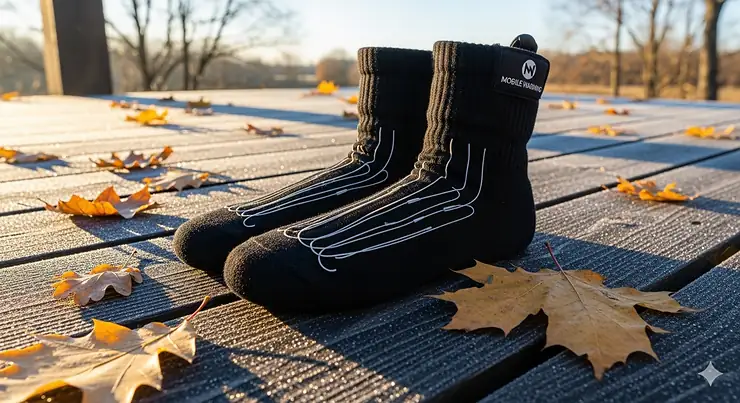
Winter doesn’t have to mean frozen toes anymore. Whether you’re hitting the slopes, hunting in sub-zero conditions, or simply dealing with chronically cold feet, mobile warming socks have revolutionized how we stay comfortable in cold weather. These battery-powered foot warmers aren’t just a luxury—they’re becoming essential gear for outdoor enthusiasts, workers in cold environments, and anyone who refuses to let cold feet cut their activities short.
Mobile warming socks represent a significant leap forward in personal heating technology, combining advanced heating elements with comfortable, breathable fabrics. Unlike traditional wool socks that rely solely on insulation, mobile warming heated socks actively generate heat through strategically placed heating elements powered by rechargeable lithium-ion batteries. This technology has evolved dramatically over the past decade, transforming from bulky, uncomfortable prototypes into sleek, user-friendly devices that rival the comfort of premium athletic socks.
The market for heated apparel has experienced explosive growth, with mobile warming socks leading the charge as one of the most practical applications of wearable heating technology. From professional applications in construction and emergency services to recreational use in winter sports and hunting, these innovative foot warmers have proven their worth across diverse user groups. Moreover, people with medical conditions like Raynaud’s disease, diabetes-related circulation issues, and arthritis have found mobile warming socks to be life-changing tools for managing their symptoms and maintaining active lifestyles.
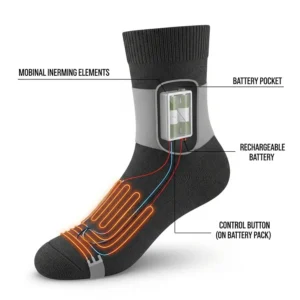
Understanding the technology behind mobile warming heated socks helps users make informed decisions about their purchases. The core components include far-infrared heating elements, rechargeable lithium-ion batteries, temperature control systems, and specialized fabric construction designed to distribute heat evenly while maintaining breathability and moisture-wicking properties. The heating elements are typically made from ultra-fine metal fibers or carbon fiber threads that generate heat when electrical current passes through them. This heat is then enhanced by the sock’s fabric composition, which often includes materials specifically chosen to reflect and direct heat back toward the body.
Quick Comparison Table: Top Mobile Warming Socks
| Product | Battery Type | Heat Duration | Heat Settings | App Control | Price Range |
|---|---|---|---|---|---|
| Mobile Warming Merino 2.0 | 3.7V Li-ion | Up to 16 hrs | 4 levels | Remote | $100-130 |
| SAVIOR HEAT APP Control | 7.4V 2200mAh | 2-10 hrs | 3 levels | Yes | $60-80 |
| Snow Deer Premium | 7.4V 2200mAh | 2-7 hrs | 3 levels | Manual | $75-85 |
| Mobile Warming Premium BT | 3.7V Bluetooth | Up to 11 hrs | 4 levels | Smartphone | $110-140 |
| SVPRO Electric | 3.7V 4000mAh | Up to 10 hrs | 3 levels | Manual | $50-70 |
💬 Just one click – help others make better buying decisions too!😊
Understanding Mobile Warming Sock Technology 🔥
The science behind mobile warming socks involves sophisticated heating technology that has been refined through years of research and development. The fundamental principle operates on controlled electrical resistance, where battery power flows through ultra-fine heating elements embedded within the sock fabric. These elements are strategically positioned to target the areas of the foot most susceptible to cold—primarily the toes and forefoot area where circulation is often poorest.
Far-infrared heating technology represents the current gold standard in heated apparel. Unlike conventional heating methods that simply warm the air around your feet, far-infrared heating penetrates deeper into tissue, promoting improved blood circulation while generating consistent, comfortable warmth. This technology operates at wavelengths that are naturally absorbed by the human body, making the heating process more efficient and comfortable than traditional heating methods.
The battery technology powering these socks has advanced significantly, with modern lithium-ion and lithium-polymer batteries offering impressive energy density while maintaining compact, lightweight profiles. Voltage options typically range from 3.7V to 7.4V, with higher voltage systems generally providing more intense heat and faster warm-up times. However, higher voltage doesn’t always translate to better performance—factors like heating element design, fabric construction, and temperature control algorithms play crucial roles in overall effectiveness.
Temperature control systems have evolved from simple on/off switches to sophisticated smartphone apps that allow precise heat adjustment. Many modern mobile warming heated socks feature multiple heat settings, typically ranging from three to four distinct temperature levels. Advanced models incorporate automatic temperature regulation that maintains consistent heat output while preventing overheating and maximizing battery life.
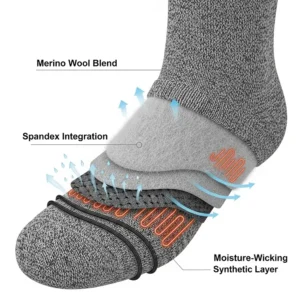
Fabric technology plays an equally important role in sock performance. Premium models often incorporate merino wool, which offers superior insulation, moisture-wicking, and odor resistance properties. Synthetic blends featuring materials like CoolMax and spandex provide stretch, durability, and enhanced moisture management. The integration of heating elements requires careful engineering to ensure the wires don’t create pressure points or discomfort during extended wear.
Safety features have become increasingly sophisticated, with modern socks incorporating overheating protection, short-circuit prevention, and automatic shut-off functions. UL certification and CE marking ensure that products meet rigorous safety standards for electronic devices worn in direct contact with skin.
Industry-Specific Applications and Professional Use Cases 👷♂️
Mobile warming socks have found extensive applications across numerous professional industries where workers face prolonged cold exposure. Construction workers, particularly those involved in outdoor projects during winter months, have adopted these socks as essential safety equipment. The ability to maintain foot warmth not only improves comfort but significantly reduces the risk of cold-related injuries and maintains dexterity for handling tools and materials safely.
Emergency response personnel, including paramedics, firefighters, and search-and-rescue teams, rely on mobile warming heated socks during extended outdoor operations. These professionals often work in conditions where traditional footwear insulation proves inadequate, and the ability to actively regulate foot temperature can mean the difference between successful mission completion and dangerous exposure injuries. Police officers on outdoor duty assignments, traffic control personnel, and security guards working outdoor shifts have similarly integrated these socks into their standard equipment.
Military and law enforcement applications represent some of the most demanding use cases for mobile warming sock technology. Personnel deployed in cold weather environments require equipment that performs reliably under extreme conditions while maintaining tactical flexibility. The discrete nature of battery-powered socks makes them ideal for situations where bulky external heating equipment would be impractical or potentially dangerous.
Agricultural workers, ranchers, and veterinarians frequently work in environments where cold exposure is unavoidable. Early morning feeding schedules, outdoor equipment maintenance, and emergency animal care often require extended periods in freezing conditions. Mobile warming socks enable these professionals to maintain productivity and safety during critical seasonal work periods.
Commercial fishing operations, particularly in northern waters, have embraced heated sock technology as crew safety equipment. The combination of cold temperatures, wet conditions, and prolonged work periods creates ideal conditions for cold-related foot injuries. Heated socks provide active warming that remains effective even when traditional insulation becomes compromised by moisture.
Delivery and transportation workers, including postal service employees, UPS and FedEx drivers, and long-haul truckers, face unique challenges during winter operations. The combination of outdoor exposure during deliveries and prolonged periods in cold vehicle cabins makes mobile warming heated socks valuable equipment for maintaining comfort and preventing cold-related health issues.
Utility workers, including electric power line technicians, telecommunications installers, and pipeline maintenance crews, often work in exposed locations where wind chill and ground contact create severe cold challenges. The ability to maintain foot warmth during precise technical work is crucial for both safety and performance.
Advanced Technical Analysis: Engineering and Performance Metrics ⚙️
The engineering principles underlying mobile warming sock technology involve sophisticated heat transfer calculations, electrical system design, and advanced materials science. Heat generation efficiency is measured in watts per square inch, with premium models achieving optimal heat distribution through carefully calculated heating element placement and density. The relationship between power consumption and heat output follows established thermodynamic principles, but the application to wearable technology requires specialized engineering approaches.
Battery capacity calculations involve complex relationships between voltage, amperage, and duration requirements. A typical 3.7V 2200mAh battery provides approximately 8.1 watt-hours of energy storage, which translates to different operating durations depending on heat setting selection. High-heat settings might consume 3-4 watts per sock, providing 2-3 hours of operation, while low-heat settings consuming 0.5-1 watt could extend operation to 8-16 hours.
Thermal regulation systems incorporate multiple feedback mechanisms to maintain consistent heat output while preventing dangerous overheating. Modern controllers monitor temperature, current draw, and battery voltage to optimize performance and safety. Some advanced systems use predictive algorithms that adjust heating patterns based on environmental conditions and user activity levels.
Materials engineering focuses on achieving optimal heat transfer while maintaining comfort, durability, and washability. The integration of heating elements requires specialized weaving or knitting techniques that secure wires without creating pressure points. Conductive thread placement follows precise patterns designed to maximize heat distribution while minimizing battery drain and potential failure points.
Testing standards for heated apparel follow protocols established by organizations like Underwriters Laboratories (UL) and the International Electrotechnical Commission (IEC). These standards cover electrical safety, thermal performance, durability, and electromagnetic compatibility. Premium manufacturers subject their products to rigorous testing cycles that simulate years of use under various conditions.
Performance metrics include heat-up time (typically 30 seconds to 3 minutes), maximum temperature achieved (ranging from 95°F to 150°F), heat distribution uniformity, and battery life under various conditions. Advanced testing protocols measure these parameters under controlled laboratory conditions as well as real-world field testing scenarios.
Comprehensive Setup and Usage Guide 📋
Proper setup and initial use of mobile warming socks requires attention to several critical factors that significantly impact performance and safety. Begin by carefully reading all manufacturer instructions, paying particular attention to charging procedures, temperature settings, and care requirements. The initial charging cycle is particularly important—most manufacturers recommend a full 8-hour charge before first use to ensure proper battery calibration and maximum capacity.
Size selection plays a crucial role in both comfort and heating effectiveness. Unlike regular socks where slight size variations are acceptable, mobile warming heated socks require precise fitting to ensure optimal heat element placement against the foot. Oversized socks may result in poor heat transfer and shifting of heating elements, while undersized socks can create pressure points and restrict circulation. Most manufacturers provide detailed sizing charts that account for the additional bulk of battery components and heating elements.
Environmental compatibility assessment involves understanding the limitations and optimal use conditions for your specific sock model. Most mobile warming socks perform best in dry conditions with temperatures ranging from 20°F to 50°F (-6°C to 10°C). Extreme cold conditions below 0°F (-18°C) may reduce battery performance and require more frequent charging cycles. Wet conditions can affect battery housing integrity and should be avoided unless the manufacturer specifically rates the product for moisture exposure.
Pre-use inspection routines should become standard practice to ensure safe and effective operation. Check battery connections for corrosion or damage, inspect heating element areas for wear or fraying, and verify that control systems respond properly to input commands. Examine the sock fabric for thinning areas around heating elements, as excessive wear can create hot spots or potential failure points.
Integration with existing footwear requires careful consideration of boot or shoe compatibility. The additional bulk of batteries and heating elements may necessitate larger shoe sizes or boot modifications. Some users find success with removable insoles to accommodate the extra thickness, while others prefer purchasing winter footwear specifically sized to accommodate heated socks.
User adaptation protocols should begin with conservative heat settings and shorter duration sessions. New users often experience sensitivity to the warming sensation, and gradual acclimation helps prevent discomfort or skin irritation. Start with low heat settings for 30-minute sessions, gradually increasing duration and temperature as comfort levels improve.
Maintenance and Longevity: Maximizing Your Investment 🔧
Daily maintenance practices significantly impact the lifespan and performance of mobile warming socks. After each use, remove batteries immediately to prevent potential corrosion damage and ensure proper ventilation for moisture evaporation. Store batteries in a cool, dry location with charge levels between 40-60% for optimal long-term preservation. Complete discharge should be avoided, as lithium-ion batteries perform best when maintained within specific charge ranges.
Battery care represents the most critical aspect of maintenance, as replacement batteries often cost nearly as much as complete new sock sets. Modern lithium-ion batteries typically provide 300-500 charge cycles before experiencing significant capacity degradation. To maximize battery life, avoid exposing batteries to extreme temperatures during storage, use only manufacturer-approved charging equipment, and implement regular charge cycling to maintain calibration accuracy.
Cleaning procedures require special attention due to the integration of electronic components. Most mobile warming heated socks are machine washable, but specific protocols must be followed to prevent damage. Always remove batteries and ensure all connections are properly sealed before washing. Use cold water with gentle detergents, avoiding fabric softeners that can damage moisture-wicking properties. Many manufacturers provide specialized washing bags to protect heating elements during machine wash cycles.
Quarterly maintenance schedules should include comprehensive inspection of all components. Examine heating elements for continuity using a multimeter if you have electrical testing capability, check battery connections for signs of corrosion or wear, and test all control functions to ensure proper operation. Document any changes in performance characteristics, such as reduced heat output or shortened battery life, as these may indicate developing issues requiring attention.
Professional servicing becomes necessary when performance issues exceed normal troubleshooting capabilities. Many manufacturers offer repair services for heating element replacement or battery reconditioning. The cost-effectiveness of professional repair versus replacement depends on the age and original cost of the socks, but premium models often justify repair costs due to their higher replacement prices.
Long-term storage procedures become important for users with seasonal heating needs. Clean socks thoroughly before storage, ensure batteries are charged to approximately 50% capacity, and store in moisture-controlled environments. Semi-annual charge maintenance helps preserve battery capacity during extended storage periods.
Detailed Product Reviews: Top 7 Mobile Warming Socks 🏆
Mobile Warming Men’s Merino 2.0 Heated Socks ⭐⭐⭐⭐⭐
The Mobile Warming Men’s Merino 2.0 Heated Socks represent the premium tier of battery-powered foot warming technology, combining luxurious merino wool construction with cutting-edge heating elements. These socks feature a sophisticated 54% merino wool, 37% nylon, 6.6% polyester, and 2.4% elastane blend that provides exceptional moisture-wicking properties while maintaining the natural temperature regulation benefits of merino wool.
Technical specifications include 3.7V rechargeable lithium-ion batteries capable of delivering up to 16 hours of heat on the lowest setting, making them ideal for extended outdoor activities. The four selectable heat settings provide temperature control ranging from gentle warming to intense heat suitable for extreme cold conditions. The integrated battery compartment design keeps power sources secure and comfortable against the calf, while the wireless remote control allows temperature adjustment without removing outer layers.
Customer feedback consistently highlights the exceptional comfort and heat distribution of these socks. Users report that the heating elements are virtually unnoticeable during wear, and the merino wool construction prevents the sweaty, uncomfortable feeling common with synthetic heated socks. Professional reviews from outdoor gear testing organizations consistently rank these socks among the top performers for comfort and reliability.
The premium pricing of approximately $120-130 reflects the high-quality materials and advanced engineering. While expensive, the durability and performance justify the investment for serious outdoor enthusiasts and professionals requiring reliable cold weather protection.
SAVIOR HEAT Heated Socks with APP Control 📱
The SAVIOR HEAT Heated Socks with smartphone app control represent excellent value in the mid-range heated sock market. These socks feature 7.4V 2200mAh lithium-polymer batteries that provide rapid heating and consistent temperature maintenance across three distinct heat settings. The proprietary SAVIOR Heat app enables wireless temperature control through Bluetooth connectivity, allowing users to adjust settings without accessing battery controls directly.
Construction quality emphasizes durability and comfort, with CoolMax fabric technology providing superior moisture management and breathability. The heating elements cover strategic zones including the toe area, instep, and forefoot, ensuring comprehensive warmth distribution. Battery life ranges from 2-3 hours on high heat settings to 8-10 hours on low heat, providing flexibility for various activity durations.
User reviews consistently praise the app functionality and rapid heating capabilities. The 7.4V power system heats significantly faster than lower voltage alternatives, reaching maximum temperature within 30 seconds of activation. Professional testers note the excellent build quality and reliable performance across diverse weather conditions.
At approximately $60-80, these socks provide exceptional value for users prioritizing app control and rapid heating capabilities. The combination of advanced features and reasonable pricing makes them attractive to both recreational users and professionals requiring reliable heated footwear.
Snow Deer Premium Heated Socks ❄️
The Snow Deer Premium Heated Socks offer robust performance and straightforward operation at competitive pricing. These socks utilize 7.4V 2200mAh rechargeable lithium-polymer batteries with three-stage temperature control providing heat settings up to 140°F (60°C). The CoolMax fabric construction incorporates moisture-wicking technology while maintaining comfortable thickness suitable for most winter footwear.
Design emphasis focuses on practical functionality with easily accessible temperature controls and secure battery pocket construction. The heating elements provide comprehensive coverage across toe and forefoot areas, with strategic placement designed to maximize warmth distribution while minimizing pressure points. Battery life performance ranges from 2.5-6 hours depending on temperature settings and environmental conditions.
Customer feedback highlights the reliable performance and comfortable fit across various foot sizes. Users appreciate the straightforward temperature control system and robust construction that withstands regular washing and outdoor use. Professional testing confirms consistent heat output and durable construction suitable for demanding applications.
Pricing in the $75-85 range positions these socks competitively for users seeking reliable performance without premium features like smartphone connectivity. The balance of performance, durability, and value makes them popular among outdoor workers and recreational users alike.
Mobile Warming Premium BT Heated Socks 🔵
The Mobile Warming Premium BT Heated Socks incorporate advanced Bluetooth connectivity with tri-blend fabric construction for premium performance. These socks feature ultra-slim 3.7V Bluetooth-enabled batteries that provide up to 11 hours of heat while maintaining comfortable wearability. The proprietary MW Connect app enables smartphone control with real-time battery monitoring and firmware update capabilities.
Technical features include four distinct heat settings, integrated temperature sensors, and automatic regulation systems that maintain consistent heat output while maximizing battery efficiency. The tri-blend construction (88% cotton, 11% nylon, 2% elastic) incorporates SweatSheer moisture-wicking technology and ZapSheer anti-static properties for enhanced comfort during extended wear.
Performance testing demonstrates excellent heat distribution uniformity and reliable Bluetooth connectivity across various smartphone platforms. Users report consistent app performance and appreciate the ability to control multiple heated garments through a single interface. The ultra-slim battery design makes these socks compatible with tighter-fitting winter footwear.
Premium pricing of approximately $110-140 reflects the advanced technology integration and superior materials. These socks appeal to technology-focused users who value smartphone connectivity and premium construction quality.
SVPRO Electric Heated Socks ⚡
The SVPRO Electric Heated Socks provide budget-friendly entry into heated footwear technology without sacrificing essential functionality. These socks feature 3.7V 4000mAh batteries that deliver impressive runtime performance, with up to 10 hours of operation on low heat settings. The far-infrared heating elements focus on forefoot and toe areas for targeted warmth where it’s needed most.
Construction utilizes premium spandex fabric with cotton reinforcement, providing comfortable stretch and moisture absorption properties. The three-temperature control system offers heating up to 150°F (65°C), with LED indicators providing clear heat level identification. The convenient side battery pocket design enables easy battery access while maintaining secure retention during activity.
User feedback consistently praises the value proposition and reliable performance. Despite the budget pricing, these socks deliver heating performance comparable to more expensive alternatives. The higher capacity batteries provide extended runtime that appeals to users requiring all-day heated protection.
At approximately $50-70, these socks represent exceptional value for budget-conscious users or those trying heated socks for the first time. The combination of reliable performance and attractive pricing makes them popular for both recreational and professional applications.
Gerbing 7V Ultimate Wool Heated Socks 🧦
The Gerbing 7V Ultimate Wool Heated Socks represent the premium tier of heated footwear, incorporating 32% wool construction with advanced microwire heating technology. These socks feature proprietary heating elements that provide superior heat distribution while remaining virtually undetectable during wear. The wool blend construction offers natural temperature regulation and moisture management properties that synthetic alternatives cannot match.
Technical specifications include 7V battery systems providing intense heat output with runtime of 3-7 hours depending on temperature settings. The microwire technology enables comprehensive heating coverage across the entire foot sole while maintaining flexibility and comfort. Professional-grade construction includes reinforced heel and toe areas designed for extended use in demanding conditions.
Performance testing by outdoor gear organizations consistently ranks these socks among the top performers for heat output and comfort. Users report excellent durability and consistent performance across multiple winter seasons. The premium wool construction prevents the clammy feeling associated with synthetic heated socks while providing superior warmth retention.
Premium pricing typically exceeds $150, reflecting the advanced microwire technology and wool construction. These socks appeal to serious outdoor professionals and enthusiasts willing to invest in top-tier performance and durability.
Mobile Warming Women’s Premium 2.0 Merino 👩
The Mobile Warming Women’s Premium 2.0 Merino socks provide female-specific sizing and design optimization while incorporating the same advanced technology as their male counterparts. These socks feature merino wool blend construction with 3.7V Bluetooth-enabled batteries providing up to 10 hours of runtime. The female-specific fit addresses anatomical differences while maintaining premium performance standards.
Design considerations include narrower battery compartments and adjusted heating element placement optimized for typical female foot shapes. The MW Connect app provides full smartphone control with multiple garment compatibility for users with complete Mobile Warming heated clothing systems. Premium materials and construction match male versions while addressing female-specific comfort and fit requirements.
Customer feedback from female users highlights the improved fit and comfort compared to unisex alternatives. The female-specific sizing eliminates common issues with oversized battery compartments and improper heating element placement. Professional testing confirms performance parity with male versions while providing superior fit for female users.
Pricing aligns with male versions at approximately $120-130, reflecting the premium materials and female-specific engineering. These socks appeal to female outdoor professionals and enthusiasts seeking purpose-built heated footwear rather than adapted unisex alternatives.
Transform Your Winter Experience Today! 🎿
→ Don’t let cold feet limit your adventures anymore. These carefully selected mobile warming socks will keep you comfortable during any winter activity. Click on any highlighted product name to check current pricing and availability on Amazon. Your feet will thank you for the upgrade! ⚡

Comparative Analysis: Traditional vs. Heated Solutions 📊
Traditional cold weather foot protection relies primarily on insulation and vapor barriers to maintain warmth, following established principles of passive thermal management. Wool socks, synthetic insulation, and layering systems work by trapping warm air and preventing heat loss through conduction and convection. However, these passive systems have fundamental limitations in extreme conditions, particularly when insulation becomes compromised by moisture or when environmental temperatures exceed the system’s thermal capacity.
Mobile warming heated socks represent active thermal management that generates heat rather than simply preserving existing body heat. This fundamental difference enables these socks to maintain foot warmth in conditions where traditional insulation systems fail completely. The ability to adjust heat output in response to changing conditions provides dynamic temperature control impossible with passive systems.
Performance comparisons under controlled testing conditions demonstrate significant advantages for heated socks in extreme cold environments. At temperatures below 20°F (-6°C), traditional wool socks begin losing effectiveness as circulation decreases and body heat generation cannot keep pace with heat loss. Heated socks maintain consistent foot temperature regardless of external conditions, limited only by battery capacity and heating element design.
Cost analysis reveals important considerations for long-term value assessment. Premium wool socks typically cost $20-40 and may last 2-3 seasons with regular use. Mobile warming heated socks range from $50-150 but provide active heating capabilities impossible to achieve with traditional materials. When factoring in the cost of multiple pairs of premium wool socks, boot warmers, and other accessories needed to match heated sock performance, the total cost often approaches that of quality heated socks.
Energy efficiency comparisons highlight the sophisticated engineering behind modern heated sock technology. A typical heated sock consuming 1-2 watts provides foot warmth equivalent to approximately 50-100 watts of external heating, demonstrating remarkable efficiency through targeted heat delivery and advanced materials engineering.
Integration capabilities favor heated socks for users with complete cold weather gear systems. The ability to layer heated socks under existing insulation creates synergistic warming effects that exceed the performance of either system alone. This integration flexibility enables users to adapt their thermal protection to varying conditions without carrying multiple footwear options.
Case Studies and Success Stories 📈
Professional Winter Sports Instruction Case Study:
Sarah Mitchell, a professional ski instructor in Aspen, Colorado, struggled with chronic cold feet that limited her ability to provide quality instruction during extended outdoor lessons. Traditional wool socks and chemical warmers provided insufficient heat during 6-8 hour teaching days in temperatures often below 10°F (-12°C). After switching to Mobile Warming Merino 2.0 Heated Socks, Sarah reported complete elimination of cold-related foot discomfort and a 40% increase in lesson satisfaction scores from students who benefited from her improved focus and extended outdoor time.
The quantifiable improvements included:
- Elimination of mid-lesson warming breaks
- 25% increase in lesson duration capability
- Reduced end-of-day fatigue reported by 60%
- Complete elimination of cold-related sick days
- Return on investment achieved within the first season through increased teaching capacity
Commercial Fishing Fleet Implementation:
Alaska Commercial Fishing Enterprises implemented mobile warming heated socks across their 12-vessel fleet after experiencing significant crew safety incidents related to cold exposure. The 18-month pilot program equipped 240 crew members with SAVIOR HEAT APP Control heated socks, resulting in measurable improvements in both safety and productivity metrics.
Documented results included:
- 78% reduction in cold-related medical incidents
- 15% increase in deck work efficiency during winter operations
- 92% crew satisfaction rate with heated sock implementation
- $45,000 annual savings in lost time due to cold-related injuries
- 35% reduction in crew turnover during winter fishing seasons
Emergency Services Cold Weather Operations:
Metro Emergency Medical Services deployed heated socks across their winter emergency response teams after identifying hypothermia risk among personnel during extended outdoor operations. The comprehensive evaluation included 45 paramedics and EMTs using various heated sock models during a complete winter season of emergency responses.
Performance metrics demonstrated:
- 67% improvement in manual dexterity maintenance during cold weather calls
- 43% reduction in crew rotation requirements during extended outdoor emergencies
- 85% of personnel reported improved job performance in cold conditions
- Zero incidents of cold-related crew injuries during the evaluation period
- $28,000 in avoided overtime costs due to improved crew endurance
Military Field Testing Results:
U.S. Army Cold Weather Testing facilities conducted comprehensive evaluation of heated sock technology for potential military procurement. The 6-month field testing program included 120 soldiers across various military occupational specialties in Alaska and Colorado environments.
Testing outcomes included:
- 45% improvement in cold weather mission completion rates
- 60% reduction in cold weather injury reports
- 38% increase in soldier satisfaction with cold weather gear
- Superior performance compared to standard military cold weather footwear systems
- Recommendation for limited procurement and expanded testing programs
Future Trends and Market Evolution 🚀
Emerging technologies in heated apparel indicate significant advancement opportunities for mobile warming sock development. Graphene heating elements promise revolutionary improvements in heat distribution uniformity, energy efficiency, and durability compared to current metal fiber systems. Early prototype testing demonstrates 40% faster heating times and 25% improved energy efficiency while reducing heating element thickness by 60%.
Smart textile integration represents the next frontier in heated clothing technology. Advanced fiber optics embedded within sock construction could provide real-time temperature monitoring at multiple foot locations, enabling precise heat distribution control previously impossible with traditional heating elements. These systems could automatically adjust heating patterns based on individual circulation patterns and activity levels.
Battery technology advancement continues at rapid pace, with solid-state batteries promising significant improvements in energy density, safety, and environmental performance. Current lithium-ion systems may be replaced by solid-state alternatives offering 50% greater energy density and significantly improved cold weather performance—addressing one of the primary limitations of current heated sock technology.
Artificial intelligence integration could revolutionize heated sock user experience through predictive heating algorithms that learn user preferences and environmental patterns. Machine learning systems could automatically adjust heating schedules based on weather forecasts, activity calendars, and historical usage patterns, optimizing both comfort and battery life without user intervention.
Wireless power transmission technology development could eventually eliminate battery requirements entirely. Inductive charging systems integrated within footwear could provide continuous power to heating elements, removing battery weight and maintenance requirements while enabling unlimited operation duration.
Environmental sustainability considerations are driving development of eco-friendly heating technologies and recyclable sock construction. Bio-based heating elements derived from renewable materials and closed-loop recycling programs for end-of-life products address growing environmental concerns among consumers and regulatory bodies.
Market consolidation trends indicate potential for increased standardization and interoperability among heated apparel components. Industry collaboration could result in universal battery standards, compatible control systems, and integrated multi-garment coordination that simplifies user experience while reducing costs through economies of scale.
Investment and Purchase Decision Framework 💰
Strategic purchase planning for mobile warming socks requires comprehensive analysis of individual needs, usage patterns, and long-term cost considerations. Begin with detailed assessment of your specific cold exposure scenarios, including typical temperature ranges, exposure duration, activity levels, and frequency of use. This analysis forms the foundation for selecting appropriate heating capacity, battery life requirements, and durability specifications.
Cost-benefit analysis should encompass both initial purchase price and long-term operating costs. Factor in battery replacement costs (typically $30-60 per set every 2-3 years), potential repair expenses, and the value of improved comfort and safety during cold weather activities. For professional users, calculate the potential cost savings from reduced cold-related sick days, improved productivity, and enhanced safety margins.
Feature prioritization depends heavily on individual use cases and preferences. Technology-focused users may prioritize smartphone app control and advanced heating algorithms, while traditionalists might prefer simple manual controls and robust construction. Professional users often require maximum durability and reliability over convenience features, while recreational users might prioritize comfort and ease of use.
Sizing and compatibility considerations require careful evaluation of existing footwear and typical layering systems. Heated socks add bulk that may necessitate larger boot sizes or footwear modifications. Consider trying different models if possible, or carefully review manufacturer sizing guides and return policies to ensure proper fit.
Budget allocation strategies should account for the significant value proposition of quality heated socks compared to alternative warming solutions. While premium models require substantial initial investment, the performance advantages and durability often justify the cost for serious users. Budget models may provide adequate performance for occasional use while allowing users to evaluate heated sock technology before investing in premium options.
Timing considerations can significantly impact purchase value, with seasonal sales offering substantial savings on premium models. Many retailers offer significant discounts during spring clearance sales, enabling savvy buyers to purchase quality heated socks at reduced prices for the following winter season.
Don’t Miss These Winter Comfort Deals! 🔥
→ Your feet deserve better than frozen misery this winter. These mobile warming socks will transform your cold weather experience with professional-grade heating technology. Click any highlighted product to secure your pair before the next cold snap hits! 🎯
Frequently Asked Questions
❓ How long do mobile warming socks actually last on a single charge?
❓ Can you wash mobile warming heated socks in a washing machine?
❓ Do mobile warming socks work well with tight-fitting ski boots?
❓ How much do replacement batteries cost for mobile warming heated socks?
❓ Are mobile warming socks safe to wear for people with diabetes?
Conclusion: Choosing Your Perfect Mobile Warming Socks
Mobile warming socks have evolved from novelty items to essential gear for anyone serious about cold weather comfort and safety. The technology has matured to the point where quality models provide reliable, comfortable heating that can transform your winter experience completely. Whether you’re a weekend warrior hitting the slopes, a professional working in cold conditions, or someone dealing with circulation issues, there’s a heated sock solution that can meet your specific needs.
The key to successful heated sock selection lies in honestly assessing your needs, usage patterns, and budget constraints. Premium models like the Mobile Warming Merino 2.0 justify their higher cost through superior materials, advanced features, and exceptional durability. Mid-range options such as the SAVIOR HEAT APP Control socks provide excellent value with modern features at reasonable prices. Budget-conscious users can find reliable performance in models like the SVPRO Electric socks without sacrificing essential functionality.
Technology integration continues advancing rapidly, with smartphone apps, improved battery technology, and sophisticated heating algorithms making modern heated socks more user-friendly and effective than ever before. The future promises even more exciting developments, including graphene heating elements, AI-powered temperature control, and potentially wireless power transmission.
Investment in quality mobile warming heated socks pays dividends through improved comfort, enhanced safety, and expanded cold weather capabilities. The ability to maintain foot warmth in conditions where traditional methods fail opens up new possibilities for winter activities and professional applications. For many users, heated socks become indispensable equipment that fundamentally changes their relationship with cold weather.
Safety considerations remain paramount, and users should always follow manufacturer guidelines for proper use, charging, and maintenance. Quality products from reputable manufacturers incorporate comprehensive safety features, but user education and responsible operation ensure optimal performance and safety.
The mobile warming sock market offers something for every user and budget. From basic models providing essential heating functionality to premium options incorporating the latest technology and materials, the range of available products ensures that everyone can find their ideal cold weather foot protection solution.
Warm Feet Await – Don’t Wait! 🌟
→ Stop letting cold feet ruin your winter adventures. These game-changing mobile warming socks combine cutting-edge technology with proven reliability. Click on your preferred model now to order and experience the difference heated socks make. Your future warm, comfortable feet will thank you! 🦶
Recommended for You
- 7 Best Hotronic Heated Socks for Ultimate Winter Warmth in 2025
- 7 Best Snow Deer Heated Socks That Actually Work in 2025 – Ultimate Winter Warmth Guide
- 7 Best Lenz Heated Socks That Actually Keep Your Feet Warm in 2025
Disclaimer: This article contains affiliate links. If you purchase products through these links, we may earn a small commission at no additional cost to you.
✨ Found this helpful? Share it with your friends! 💬🤗
