
In This Article
Water Heater Water Valves
Every homeowner has experienced that moment of panic when something goes wrong with their water heater. Perhaps you’ve come home to a flooded basement or stepped into an ice-cold shower on a winter morning. In many cases, the humble water heater water valve could have prevented these disasters.
Despite its critical importance, this small component often remains overlooked until problems arise. Understanding how the water heater water valve functions is not just about technical knowledge—it’s about protecting your home, ensuring family comfort, and potentially saving thousands in water damage repairs.
As a homeowner who once faced a flooded basement due to a faulty water heater water valve, I’m passionate about helping others avoid similar experiences. This comprehensive guide will walk you through everything you need to know about this essential component of your home’s plumbing system.
What Exactly Is a Water Heater Water Valve?
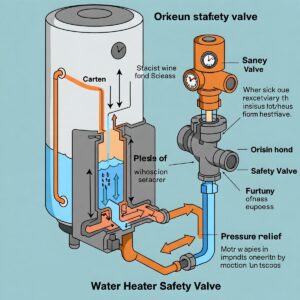
A water heater water valve is a crucial control mechanism that regulates water flow into and out of your water heater. Think of it as the gatekeeper for your hot water system—allowing you to control when water enters the tank and providing an emergency shutoff option when necessary.
Types of Water Heater Water Valves
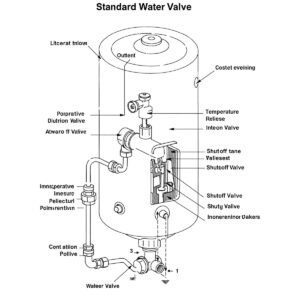
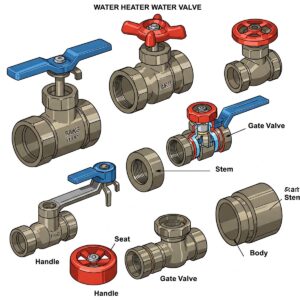
Water heater systems typically incorporate several different valves, each serving a specific purpose:
✅ Main Supply Valve: Located on the cold water inlet pipe, this valve controls the flow of water into your water heater. It’s your primary shutoff point for maintenance or emergencies.
✅ Temperature and Pressure Relief Valve (T&P Valve): This safety device releases pressure if the temperature or pressure inside your tank reaches dangerous levels. It’s essentially your water heater’s emergency escape mechanism.
✅ Drain Valve: Found near the bottom of the tank, this valve allows you to empty the water heater for maintenance, replacement, or when winterizing your home.
✅ Expansion Tank Valve: In systems with expansion tanks, this valve helps manage pressure fluctuations that occur during the heating cycle.
Understanding these different water heater water valve types is the first step toward proper maintenance and troubleshooting when issues arise.
Why Your Water Heater Water Valve Matters
The water heater water valve may seem like just another plumbing component, but its importance cannot be overstated. Here’s why this small device deserves your attention:
Safety First
Water heaters operate under significant pressure and high temperatures. Without properly functioning valves, particularly the temperature and pressure relief valve, your water heater could literally become a bomb in your basement. According to the Consumer Product Safety Commission, improperly maintained water heaters cause numerous injuries and property damage incidents annually.
Financial Protection
A malfunctioning or stuck water heater water valve can lead to extensive water damage. The Insurance Information Institute reports that water damage claims average $10,000+ per incident. Having functioning shutoff valves ensures you can quickly stop water flow if leaks develop.
Energy Efficiency
Properly functioning valves contribute to your water heater’s efficiency. When valves leak or fail to close completely, your system works harder, consuming more energy and increasing utility bills.
Longevity of Your System
Regular maintenance of your water heater water valve extends the life of your entire water heating system. This maintenance includes checking for corrosion, ensuring smooth operation, and promptly addressing any issues that arise.
Identifying Common Water Heater Water Valve Types
Let’s explore the different types of water heater water valves you might encounter in your home:
Ball Valves
Ball valves feature a rotatable ball with a hole through its center. When aligned with the pipe, water flows freely; when rotated 90 degrees, the flow stops. These water heater water valve types are recognizable by their lever-style handle that typically turns a quarter turn between open and closed positions.
Key Benefits:
- Quick operation (quarter-turn to fully open or close)
- Clear visual indication of whether they’re open or closed
- Excellent durability and longevity
- Minimal pressure drop when fully open
Gate Valves
Gate valves use a gate-like mechanism that raises and lowers to control water flow. These are commonly found on older installations and require multiple turns to open or close fully.
Key Benefits:
- When fully open, they provide minimal restriction to water flow
- Generally affordable and widely available
- Familiar to most plumbers and DIY enthusiasts
Globe Valves
Globe valves control flow through an internal baffle and are excellent for regulating flow rates rather than simply turning water on or off. They’re less common on residential water heaters but may be present in some installations.
Key Benefits:
- Superior flow regulation capabilities
- Good for applications requiring throttling
- Generally repairable without complete replacement
Check Valves
These one-way valves permit water to flow in only one direction, preventing backflow. They’re crucial in certain water heater installations, particularly in complex plumbing systems or where code requires backflow prevention.
Key Benefits:
- Prevent contamination of water supply
- Operate automatically without user intervention
- Protection against thermal expansion issues
Signs Your Water Heater Water Valve Needs Attention
How can you tell if your water heater water valve requires maintenance or replacement? Watch for these warning signs:
- Visible Leaking: Water droplets or moisture around any valve is a clear sign of failure. Even small leaks can lead to significant damage over time.
- Corrosion or Mineral Buildup: Discoloration, crusty deposits, or visible rust on or around your water heater water valve indicates chemical reactions that may impair function.
- Difficulty Operating: If your valve requires excessive force to turn or won’t turn at all, internal components may be damaged or corroded.
- Inconsistent Water Temperature: Fluctuating hot water temperatures can indicate valve issues that affect water flow or pressure.
- Strange Noises: Hissing, gurgling, or banging sounds near valves often signal problems with pressure regulation or water flow.
- Reduced Water Pressure: A sudden or gradual decrease in hot water pressure might stem from partially blocked or failing valves.
- Age: Most water heater water valve components should be inspected after 5 years and may need replacement after 7-10 years, even if no obvious problems exist.
Being proactive about these warning signs can prevent emergency situations and extend the life of your entire water heating system.
How to Locate Your Water Heater Water Valve
Before you can maintain or service your water heater water valve, you need to know where to find it. The location varies depending on the type of valve and your specific installation:
Main Supply Valve Location
The main water heater water valve is typically located on the cold water inlet pipe entering the top of your water heater. Look for a valve handle—either a lever (ball valve) or a wheel (gate valve)—on the pipe leading into your water heater. This valve is usually color-coded blue to indicate cold water.
In some installations, you might find an additional shutoff valve further away from the water heater, perhaps where the branch line connects to your home’s main water supply. Knowing the location of both valves is advantageous during emergencies.
Temperature and Pressure Relief Valve Location
The T&P valve is almost always located on the side or top of the water heater tank. It includes a lever or test tab and has a discharge pipe that should extend downward toward the floor. This pipe directs hot water safely away if the valve activates.
Drain Valve Location
Look near the bottom of your water heater tank for the drain valve. It often resembles an outdoor spigot or hose bib and typically includes threads for attaching a garden hose.
Tip for New Homeowners
If you’ve recently moved into a new home, locating these valves should be one of your first priorities. Take photos of their locations and keep them accessible in case of emergencies when you might need to quickly shut off water to your heater.
Maintenance Tips for Your Water Heater Water Valve
Regular maintenance of your water heater water valve can prevent expensive repairs and extend the lifespan of your water heating system. Here’s a simple maintenance routine every homeowner should follow:
Quarterly Valve Checks
Every three months, perform these simple inspections:
- Visual Inspection: Look for signs of leakage, corrosion, or mineral buildup around all water heater water valve components.
- Valve Operation: Gently test the operation of your main water supply valve by turning it slightly (not completely closed) and returning it to its original position. This helps prevent the valve from seizing over time.
- T&P Valve Test: Check your temperature and pressure relief valve by lifting the test lever briefly and allowing it to snap back. You should hear a gurgling sound as water enters the drain tube. If no water flows or if the valve continues to run after releasing the lever, replacement is likely needed.
⚠️ Safety Tip: When testing the T&P valve, be extremely careful as the discharged water can be very hot. Wear protective gloves and ensure the discharge pipe is properly installed before testing.
Annual Maintenance
Once yearly, perform these more thorough maintenance tasks:
- Sediment Flush: Mineral buildup can affect valve performance. Use your drain valve to flush a few gallons of water from the tank:
- Turn off the water heater power/gas
- Close the cold water inlet valve
- Connect a garden hose to the drain valve
- Open the drain valve and collect a few gallons in a bucket
- Close the drain valve, remove the hose, restore water supply, and turn the heater back on
- Check Valve Connections: Verify that all connections around valves are tight but not overly tightened. Look for signs of wear or damage in valve stems, handles, and seals.
- Pressure Assessment: If your home has a pressure gauge, check the water pressure when hot water is running and when it’s not. Significant pressure differences might indicate valve issues.
According to the Department of Energy, proper maintenance of your water heater can reduce energy costs by up to 10% while extending equipment life.
DIY vs. Professional Valve Replacement
When your water heater water valve needs replacement, should you tackle it yourself or call a professional? Let’s weigh the factors:
When DIY Makes Sense
For those with moderate plumbing experience, replacing certain water heater water valve components can be a reasonable DIY project:
- Drain Valve Replacement: Relatively straightforward if you’re comfortable draining your tank and using basic plumbing tools.
- Supply Line Valves: Ball valve replacements on copper lines are within reach of skilled DIYers with soldering experience.
- Valve Handles or Stems: Repairing or replacing these components is often simpler than full valve replacement.
When to Call a Professional
Some situations warrant professional assistance:
- T&P Valve Issues: These critical safety devices should typically be handled by licensed plumbers to ensure proper installation and function.
- Complex Valve Systems: If your water heater connects to multiple systems or includes anti-scald valves or mixing valves.
- Signs of Broader Issues: When valve problems appear connected to system-wide pressure issues or tank problems.
- Permit Requirements: Some jurisdictions require permits and inspections for water heater component replacements.
A survey by HomeAdvisor found that professional water heater valve replacement typically costs between $150-$400, depending on valve type and complexity—potentially a worthwhile investment for safety and reliability.
Top Water Heater Water Valve Products
Choosing the right replacement valve or maintaining your existing one requires quality products. Here are some top options available on Amazon:
Best Main Supply Valves
- SharkBite 22222-0000LF Ball Valve
- Features: Quarter-turn operation, push-to-connect installation, no soldering required
- Best for: DIY installations and retrofits
- Durability: Brass construction with 25-year warranty
- Price range: $15-25
- BrassCraft G2CR19X C1 Gas Ball Valve
- Features: Full-port design for maximum flow, lever handle with stop
- Best for: High-volume water heater systems
- Durability: Forged brass body resistant to dezincification
- Price range: $20-30
- Rheem SP20060 Water Heater Ball Valve
- Features: Specifically designed for water heater applications, includes union connection
- Best for: Direct replacement of existing water heater valves
- Durability: Commercial-grade construction
- Price range: $25-35
Best T&P Relief Valves
- Watts 0955800 Temperature and Pressure Relief Valve
- Features: ASME certified, 3/4″ inlet/outlet, temperature sensing element
- Best for: Standard residential water heaters
- Pressure rating: 150 PSI
- Price range: $10-20
- Cash Acme 23000-0045 Pressure Relief Valve
- Features: Adjustable pressure setting, high flow capacity
- Best for: Large capacity water heaters and commercial applications
- Certification: ASME and ANSI certified
- Price range: $20-30
Best Drain Valves
- Camco 10283 Water Heater Drain Valve
- Features: Brass construction, hose threading, reinforced stem
- Best for: Direct replacement of leaking plastic valves
- Durability: Solid brass construction prevents breaking during use
- Price range: $8-15
- Rheem SP10385C Drain Valve
- Features: OEM replacement part, compatible with most Rheem/Richmond heaters
- Best for: Exact replacements for specific models
- Installation: Simple thread-in design
- Price range: $15-25
Comparison Table: Water Heater Water Valve Options
| Product | Type | Material | Installation Difficulty | Price Range | Best Feature |
|---|---|---|---|---|---|
| SharkBite 22222-0000LF | Supply Valve | Brass | Easy (No soldering) | $15-25 | Push-to-connect |
| Watts 0955800 | T&P Valve | Bronze | Moderate | $10-20 | ASME certified |
| Camco 10283 | Drain Valve | Brass | Easy | $8-15 | Replaces plastic valves |
| Rheem SP20060 | Supply Valve | Brass | Moderate | $25-35 | Purpose-designed |
| Cash Acme 23000-0045 | T&P Valve | Bronze | Moderate | $20-30 | Adjustable pressure |
| Rheem SP10385C | Drain Valve | Brass | Easy | $15-25 | OEM quality |
Water Heater Valve Maintenance Kits
For comprehensive maintenance, consider these complete kits:
- Plumb Pak PP835-66 Water Heater Installation Kit
- Features: Includes water supply lines, shut-off valve, and T&P valve
- Best for: Complete replacements or new installations
- Compatibility: Works with most standard water heaters
- Price range: $30-50
- Everbilt Water Heater Installation Kit
- Features: All necessary components for replacement, including flexible connectors
- Best for: First-time installers needing a complete solution
- Includes: Valves, supply lines, discharge tube, and fittings
- Price range: $25-40
Specialty Tools for Valve Maintenance
Proper tools make valve maintenance easier and more effective:
- RIDGID 31030 Model 2-A Spud Wrench
- Features: Specifically designed for water heater fittings
- Best for: Professional-quality installations and repairs
- Durability: Heavy-duty steel construction
- Price range: $15-25
- Reed Tool TWWP2 Pipe Wrench Set
- Features: Includes two wrenches for holding and turning
- Best for: DIY homeowners tackling valve replacements
- Versatility: Works on multiple pipe sizes
- Price range: $30-50
🛠️ Upgrade Your Water Heater Safety Today! 🛠️
Don’t wait for a middle-of-the-night emergency! Click on any of the highlighted products above to check current pricing and availability on Amazon. These high-quality water heater water valve components provide peace of mind and protection for one of your home’s most essential systems! 🔧💧
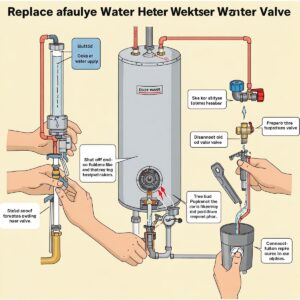
Step-by-Step Guide to Replacing a Water Heater Water Valve
If you’ve decided to replace your water heater water valve yourself, follow these comprehensive steps for a successful installation:
Preparation
- Gather Materials:
- New water heater water valve of the correct type and size
- Pipe wrench or adjustable wrench
- Teflon tape or pipe compound
- Bucket and towels for water spillage
- Garden hose (for drain valve replacement)
- Turn Off Power:
- Electric water heaters: Switch off the dedicated circuit breaker
- Gas water heaters: Turn the gas valve to the “Off” position
- Shut Off Water:
- Close the main water supply to the house
- If you have isolation valves for the water heater, close those instead
Replacement Process for Main Supply Valve
- Drain the Lines:
- Open a hot water faucet in your home to relieve pressure
- Place a bucket under the area where you’ll be working
- Remove the Old Valve:
- Use pipe wrenches to loosen the connections on both sides of the valve
- For soldered connections, you’ll need to cut the pipe and remove the old valve
- Prepare the New Valve:
- Apply Teflon tape or pipe compound to the threaded connections
- Ensure the valve is oriented correctly for proper flow direction
- Install the New Valve:
- Connect the valve to the water supply line
- Ensure connections are tight but not overtightened
- For soldered connections, clean the pipe ends and valve fittings before soldering
- Test for Leaks:
- Partially open the main water supply
- Check for leaks at connections
- Tighten as necessary before fully restoring water
Replacement Process for T&P Valve
- Drain the Tank Partially:
- Connect a garden hose to the drain valve
- Drain water to below the level of the T&P valve
- Remove the Old Valve:
- Use a pipe wrench to unscrew the old valve
- Be prepared for some water spillage
- Install the New Valve:
- Apply Teflon tape or pipe compound to the threads
- Hand-tighten the new valve, then use a wrench for final tightening (usually 1-2 turns past hand-tight)
- Attach the Discharge Pipe:
- Install the discharge pipe, ensuring it terminates 6″ from the floor
- Verify the pipe slopes downward from the valve
- Test Operation:
- Restore water and power
- Test the valve by lifting the test lever briefly
Replacement Process for Drain Valve
- Drain the Tank Completely:
- Connect a garden hose to the existing drain valve
- Empty the tank entirely
- Remove the Old Valve:
- Use a pipe wrench to unscrew the old drain valve
- Install the New Drain Valve:
- Apply Teflon tape or pipe compound to the threads
- Hand-tighten, then use a wrench for final tightening
- Refill and Test:
- Close the new drain valve
- Restore water supply and refill the tank
- Check for leaks around the new valve
Post-Installation
- Restore Power/Gas:
- Once you’ve verified no leaks, restore power or gas to the water heater
- Document the Replacement:
- Note the date of replacement and valve type/brand in your home maintenance records
- Keep any remaining warranty information
- Dispose of Old Parts:
- Check local regulations for proper disposal of old plumbing components
According to This Old House, proper valve replacement can extend the life of your water heater by several years while preventing potential water damage.
Common Water Heater Water Valve Problems and Solutions
Even with proper maintenance, various issues can develop with your water heater water valves. Here are common problems and their solutions:
Leaking Valves
Problem: Water dripping or seeping from around valve stems or connections.
Solutions:
- Tighten packing nuts on the valve stem (if applicable)
- Replace valve washers or gaskets
- Apply pipe compound or Teflon tape to threaded connections
- In severe cases, replace the entire valve
Valves That Won’t Fully Close
Problem: Water continues to flow despite the valve being in the closed position.
Solutions:
- For gate valves: Open and close several times to dislodge debris
- Clean valve seats if accessible
- Replace internal components (washer, disc, or ball)
- Replace the entire valve if internal parts are not serviceable
Continuously Running T&P Valve
Problem: Temperature and pressure relief valve discharges water constantly.
Solutions:
- Check water heater temperature setting (should be below 120°F)
- Verify home water pressure (should be below 80 PSI)
- Install an expansion tank if thermal expansion is causing pressure spikes
- Replace the T&P valve if it fails to seat properly
Frozen or Stuck Valves
Problem: Valve handle won’t turn or moves with extreme difficulty.
Solutions:
- Apply penetrating oil to the valve stem and wait several hours
- Gently tap the valve body with a rubber mallet
- Use a valve wheel puller for stubborn handles
- As a last resort, replace the valve
Corrosion-Related Issues
Problem: Visible rust, deterioration, or mineral buildup affecting valve function.
Solutions:
- Clean accessible surfaces with a wire brush
- Treat with vinegar solution to dissolve mineral deposits
- Apply corrosion inhibitor to external surfaces
- Replace severely corroded valves
Noisy Valve Operation
Problem: Squealing, chattering, or hammering sounds when using valves.
Solutions:
- Lubricate valve stems with appropriate lubricant
- Install water hammer arrestors to reduce pressure fluctuations
- Replace worn internal components
- Check water pressure and consider a pressure-reducing valve if pressure is excessive
Water Heater Water Valve Regulations and Code Requirements
Navigating building codes and regulations ensures your water heater installation remains safe and compliant. Here’s what homeowners should know about water heater water valve regulations:
National Code Requirements
The International Plumbing Code (IPC) and Uniform Plumbing Code (UPC) specify several requirements for water heater valve installations:
- T&P Valve Requirements:
- Must be ASME certified
- Must have a pressure rating not exceeding the tank’s rated working pressure
- Must have a temperature rating not exceeding 210°F
- Discharge pipe must terminate within 6″ of the floor
- Discharge pipe cannot be threaded at the end
- Shutoff Valve Requirements:
- A full-port shutoff valve must be installed on the cold water supply line
- Valve must be accessible and located near the water heater
- Valve must be the same diameter as the pipe it’s installed on
- Drain Valve Requirements:
- Must be installed at the lowest point of the water heater
- Must be at least 3/4″ in size for proper draining
According to the International Association of Plumbing and Mechanical Officials, improper valve installation is one of the most common code violations in residential plumbing.
Local Considerations
Many local jurisdictions have additional requirements beyond national codes:
- Permit Requirements: Many localities require permits for water heater replacement or major component changes
- Expansion Tank Mandates: Some areas require expansion tanks with all new water heater installations
- Professional Installation: Certain components may require certified plumber installation for warranty or insurance purposes
- Earthquake Strapping: In seismic zones, special requirements for water heater securing affect valve installations
Energy Efficiency Regulations
The Department of Energy’s efficiency standards indirectly impact valve selections:
- Higher efficiency tanks often require specific valve configurations
- Recirculation systems need specialized valves to function properly
- Advanced tankless systems have unique valve requirements for proper operation
Advanced Water Heater Water Valve Configurations
Beyond basic valve setups, several advanced configurations can enhance safety, efficiency, and convenience:
Thermostatic Mixing Valves
These specialized water heater water valve components blend hot water from your heater with cold water to deliver a consistent, safe temperature throughout your home.
Benefits:
- Prevents scalding accidents
- Allows setting water heater to higher temperatures for better sanitation
- Provides consistent shower temperatures
- Reduces energy waste from constant temperature adjustments
According to the Centers for Disease Control and Prevention, installing thermostatic mixing valves is one of the most effective ways to prevent scalding injuries, especially in homes with children or elderly residents.
Recirculation System Valves
These advanced systems use specialized valves to maintain hot water circulation, eliminating wait times for hot water at fixtures.
Components:
- Check valves to prevent backflow
- Temperature-sensitive valves that activate circulation
- Timer-controlled or demand-activated valves
- Balancing valves for system efficiency
Expansion Tank Connections
Modern code often requires expansion tanks with check valves or backflow preventers. These systems need specialized connection valves.
Key Features:
- Diaphragm check valves to protect against backpressure
- Air charging valves for expansion tank maintenance
- Pressure gauge connections for system monitoring
- Automatic air venting valves for improved system performance
Smart Water Heater Valves
The newest advancement in water heater water valve technology includes WiFi-connected smart valves that offer:
- Remote shutoff capability via smartphone
- Leak detection and automatic water shutoff
- Usage monitoring and efficiency reporting
- Integration with home automation systems
These systems, while more expensive initially, can prevent catastrophic water damage and offer significant convenience benefits.
🚿 Protect Your Home with Premium Valve Solutions! 🚿
Investing in quality water heater water valve components is one of the smartest decisions you can make for your home’s plumbing system. Browse the trusted products mentioned above—a small investment now can prevent costly emergencies later! Click any product link to see current prices and availability. 💧🏠
Frequently Asked Questions About Water Heater Water Valves
How often should I replace my water heater water valve?
Most water heater water valve components should be inspected annually and replaced every 5-7 years, even without visible problems. The T&P valve, being a critical safety device, should never exceed manufacturer recommendations for replacement intervals, typically 3-5 years.
Can I replace just the handle of my water heater shut-off valve?
In many cases, yes. Valve handles often wear out before the internal valve components. For ball valves and gate valves, replacement handles are readily available. However, if the valve stem is damaged or the valve leaks around the stem, complete valve replacement is usually recommended.
Is it normal for my T&P valve to drip occasionally?
Small, infrequent drips from the T&P valve discharge pipe might occur during heating cycles due to thermal expansion. However, consistent dripping indicates either excess pressure, excessive temperature, or a faulty valve requiring immediate attention.
What’s the difference between a gate valve and a ball valve for my water heater?
Gate valves use a sliding gate mechanism and require multiple turns to open or close completely. They’re prone to sticking and deteriorating over time. Ball valves operate with a quarter-turn lever and provide more reliable operation with less maintenance. When replacing old gate valves, upgrading to ball valves is generally recommended.
Can I install a water heater water valve myself?
While main supply valve and drain valve replacements are within the capabilities of experienced DIYers, T&P valve replacement should generally be left to professionals due to its critical safety function. Always check local codes, as some jurisdictions require licensed plumbers for certain water heater work.
Why is my water heater making knocking sounds when I use hot water?
Knocking or hammering sounds often indicate water hammer—pressure surges in pipes that can damage valves and piping. Installing water hammer arrestors and ensuring valves open slowly can alleviate this issue. In some cases, sediment buildup in the tank can also cause knocking sounds.
How do I know if my water heater needs an expansion tank?
If your home has a closed water system (with check valves or pressure reducers), thermal expansion during water heating can cause excessive pressure. Signs include frequent T&P valve activation, fluctuating water pressure, or “moaning” pipes. Most modern installations require expansion tanks to address these issues.
Conclusion: Maintaining Your Water Heater Water Valve
Your water heater’s valves are the unsung heroes of your home’s plumbing system. Though small and often overlooked, these components protect your home from potential disasters while ensuring the comfort and convenience you expect from your hot water system.
Regular maintenance of your water heater water valve components is not just about preventing problems—it’s about peace of mind. Knowing you’ve properly maintained these critical components means fewer emergencies, lower repair costs, and more reliable hot water for your family.
Remember these key takeaways:
- Regular Inspection Matters: Set calendar reminders for quarterly visual checks and annual maintenance of all water heater valves.
- Know When to DIY and When to Call Pros: Simple maintenance is accessible to most homeowners, but know your limits and don’t hesitate to call professionals for complex valve issues.
- Quality Components Make a Difference: Investing in premium valve products pays dividends in reliability and longevity.
- Documentation Is Valuable: Keep records of all valve maintenance and replacements to track the health of your system.
- Prevention Is Always Cheaper Than Remediation: The cost of regular valve maintenance is minimal compared to water damage repairs.
By understanding and properly maintaining your water heater water valve components, you’re not just caring for your plumbing—you’re protecting your home and ensuring your family’s comfort and safety for years to come.
🔧 Don’t Wait Until It’s Too Late! 🔧
Your water heater’s valves are crucial safety features that deserve attention before problems develop. Click any product link above to explore high-quality replacement options that will give you peace of mind and reliable performance. Your future self will thank you! 🏡💦
More FAQs:
❓ How do I shut off the water supply to my water heater?
❓ What causes a water heater's drain valve to leak?
❓ How much does it cost to replace a water heater's gas valve?
❓ What types of valves are found on water heaters?
❓ How do I fix a stuck water heater shut-off valve?
Recommended for You:
- 10 Best Window Mounted Heat Pump Options For Year-Round Comfort in 2025
- 7 Best Wood Heater for Garage Options to Transform Your Workspace in 2025
- Wood Stove with Heat Shield: 7 Best Options for Safe & Efficient Heating in 2025
Disclaimer: This article contains affiliate links. If you purchase products through these links, we may earn a small commission at no additional cost to you.
