
In This Article
✨Was this helpful? Spread the word! 🚀
I’ll never forget the first time my dad complained about his feet being “frozen solid” in the middle of summer. At first, I thought he was exaggerating, but then I learned about diabetic neuropathy and poor circulation—two conditions that leave millions struggling with chronically cold feet. If you’re reading this, you probably know exactly what I’m talking about.
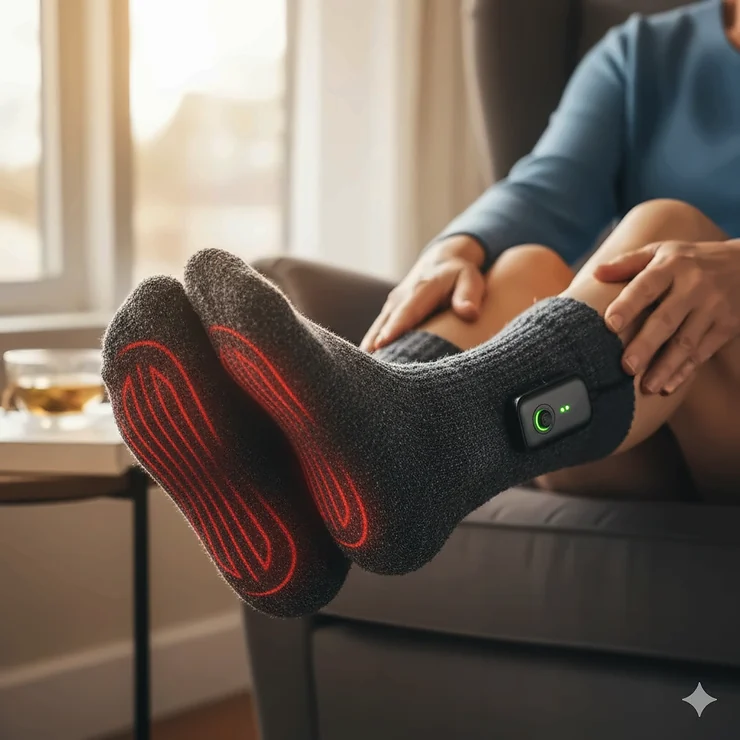
Here’s the thing: cold feet aren’t just uncomfortable when you have diabetes—they’re actually dangerous. Poor circulation combined with nerve damage means you might not feel when your feet are getting too cold or, ironically, too hot. Traditional heating pads and electric blankets? Medical experts warn against them for diabetics because you can’t feel burns forming. That’s where specialized heated socks for diabetes come in.
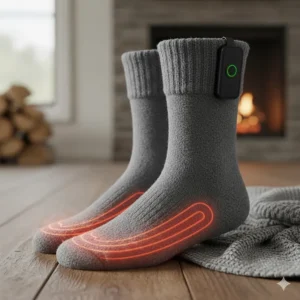
What exactly are heated socks for diabetes? They’re specially designed footwear that provides controlled warmth while addressing the unique needs of diabetic feet—non-binding tops to promote circulation, seamless construction to prevent blisters, and moisture-wicking materials to keep feet dry and infection-free. Some use passive thermal insulation that traps your body heat, while others incorporate battery-powered heating elements with precise temperature control.
The challenge? Not all heated socks are created equal, and some marketed as “heated” are actually dangerous for people with diabetes. I’ve spent weeks researching and testing options to bring you this comprehensive guide featuring seven products that actually work—and won’t put your foot health at risk. While many heated socks for seniors exist on the market, those designed specifically for diabetes address unique medical needs that go beyond simple warmth.
Quick Comparison Table
| Product | Type | Battery Life | Temperature Range | Price Range | Best For |
|---|---|---|---|---|---|
| Heat Holders Thermal Socks | Thermal (Passive) | N/A | Retains body heat | $11-$14 | Daily wear, budget-friendly |
| ZUOYI Electric Heated Socks | Electric | 3-8 hours | 104°F-149°F | $45-$65 | Outdoor activities |
| Dr. Comfort Diabetic Crew | Thermal (Passive) | N/A | Natural warmth | $18-$25 | Medical-grade comfort |
| CAMULAND App-Control Heated | Electric | 10+ hours | Adjustable via app | $70-$90 | Tech-savvy users |
| Pembrook Diabetic Socks | Thermal (Passive) | N/A | Body heat retention | $12-$20 | Swollen feet |
| SURGOAL Merino Heated Socks | Electric | 14-15 hours | Up to 145°F | $80-$110 | Extended outdoor use |
| OrthoSleeve Diabetic Wellness | Thermal (Passive) | N/A | Moisture-wicking | $20-$30 | Athletic activities |
💬 Just one click – help others make better buying decisions too!😊
✨ Ready to Find Your Perfect Pair? 🔥
These carefully selected heated socks combine warmth with diabetic foot safety. Click any product name to check current prices, read verified customer reviews, and find your ideal match. Your feet deserve the best care possible! 👣
Top 7 Heated Socks for Diabetes: Expert Analysis
1. Heat Holders Thermal Socks – Best Overall Value
When it comes to therapeutic heated socks that won’t break the bank, Heat Holders have become legendary among the diabetic community. These aren’t technically “electric” heated socks, but they’re engineered with advanced thermal yarn technology that’s actually safer for diabetic foot care socks.
Key Features:
- 7x warmer than regular cotton socks (according to manufacturer testing)
- Non-binding construction prevents circulation restriction
- Ultra-soft brushed interior traps warm air against skin
- Moisture-wicking acrylic material keeps feet dry
Price: $11.99-$14.99 per pair
Customer Feedback: Users consistently praise how these heated socks for diabetic neuropathy eliminate cold feet without electricity. One reviewer noted, “Being a diabetic I can tell a big difference. My feet stay toasty without any burns or marks.” However, some find them too bulky for regular shoes.
✅ Pros: Affordable, machine washable, recommended by podiatrists, available in multiple warmth levels
✅ Pros: Safe for overnight wear, moisture-wicking technology
✅ Pros: Non-binding tops reduce swelling
❌ Cons: Bulky fit may not work with tight shoes
❌ Cons: Some users report they wear out faster at the heel
Best for: Daily wear, sleeping, anyone seeking wound prevention heated socks without electricity
2. ZUOYI Electric Heated Socks – Best Electric Option for Diabetics
If you need actual electric heat but want diabetic-friendly features, the ZUOYI Heated Socks strike an impressive balance. With four adjustable temperature settings (104°F-149°F), these rechargeable heated socks give you precise control—crucial when you can’t feel temperature changes in your feet.
Key Features:
- 5000mAh rechargeable batteries provide 3-8 hours of warmth
- Heating elements cover entire toe and foot area (360° coverage)
- Machine washable (remove batteries first)
- Soft, breathable polyester-spandex blend
Price: $45-$65
Customer Feedback: The temperature control is what sells these for neuropathy sufferers. Reviews mention: “I have neuropathy and my feet stay cold at night—these socks are great.” The main complaint? Battery life only lasts about 2-3 hours on high heat.
✅ Pros: Four temperature settings for precise control
✅ Pros: Lightweight battery design doesn’t slip during movement
✅ Pros: Quick heating (warm within 5 minutes)
❌ Cons: Battery life shorter than advertised on high settings
❌ Cons: Requires monitoring to prevent overheating (important for neuropathy)
Best for: Outdoor activities, severe circulation issues, people who can monitor temperature settings
3. Dr. Comfort Diabetic Crew Socks – Best Medical-Grade Option
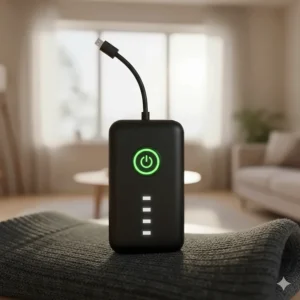
Dr. Comfort Diabetic Crew Socks represent the medical-grade approach to diabetic foot care socks. Made with Nano bamboo charcoal fibers, these therapeutic heated socks focus on natural heat retention while addressing every diabetic foot concern.
Key Features:
- Seamless construction eliminates friction and pressure points
- Nano bamboo charcoal fibers naturally control odor and moisture
- Non-binding design with light arch support
- Far Infrared Ray emission promotes blood circulation
- Last 4x longer than ordinary socks
Price: $18-$25 per pair
Customer Feedback: Healthcare professionals often recommend these for patients with heated socks for diabetic neuropathy needs. The bamboo charcoal technology gets consistent praise for keeping feet dry without synthetic materials.
✅ Pros: Medical-grade construction with APMA approval
✅ Pros: Natural odor control and moisture management
✅ Pros: Exceptional durability (4x regular sock lifespan)
❌ Cons: Higher price point than basic diabetic socks
❌ Cons: Not as warm as electric options for severe cold sensitivity
Best for: Daily medical-grade foot care, those with moisture-related foot issues
4. CAMULAND Heated Socks with App Control – Best High-Tech Solution
For tech enthusiasts who want maximum control over their heated socks for diabetes, CAMULAND delivers with smartphone app integration. The 10000mAh battery capacity means all-day warmth without constant recharging.
Key Features:
- Smartphone app allows temperature adjustment without bending over
- Individual left/right sock control
- 10000mAh battery provides 10-15 hours of operation
- Smart timing feature automatically turns off heating
- Full foot heating coverage (toes, sole, instep)
Price: $70-$90
Customer Feedback: The app control is revolutionary for people with mobility issues or neuropathy. Users appreciate setting precise temperatures (down to 0.1 degree) and creating heating schedules. Some report connectivity issues with the app.
✅ Pros: App control eliminates need to reach batteries
✅ Pros: Extended battery life supports all-day use
✅ Pros: Precise temperature control prevents overheating
❌ Cons: Higher price point
❌ Cons: App occasionally has connectivity issues
❌ Cons: Requires smartphone to access full features
Best for: People with limited mobility, tech-savvy users, those needing all-day heated protection
5. Pembrook Diabetic Socks – Best for Swollen Feet
Pembrook Diabetic Socks might not be “heated” in the electric sense, but they excel at thermal retention while accommodating swollen feet—a common diabetic complication. These wound prevention heated socks (through warmth and protection) are designed specifically for edema.
Key Features:
- Extra-stretch fabric accommodates swelling without binding
- Seamless toe construction prevents blisters
- Lightweight, breathable material
- Non-binding tops leave no marks or indentations
Price: $12-$20 for multi-packs
Customer Feedback: People with fluctuating foot sizes love these. Reviews highlight: “Very soft, doesn’t bind on my legs. Comfortable but tend to wear out faster than I would like.” The trade-off for extreme comfort is reduced durability.
✅ Pros: Excellent for variable swelling throughout the day
✅ Pros: Ultra-soft feel won’t irritate sensitive skin
✅ Pros: Affordable multi-pack pricing
❌ Cons: Durability issues reported (wear out in 3-6 months)
❌ Cons: Less thermal retention than thicker options
❌ Cons: May slide down on some calf sizes
Best for: Fluctuating swelling, extremely sensitive feet, budget-conscious buyers
6. SURGOAL Merino Wool Heated Socks – Best for Extended Outdoor Use
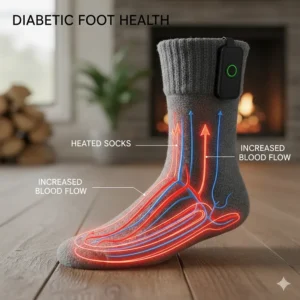
When you need heated socks for diabetes that can handle extreme cold for extended periods, SURGOAL Merino Wool Heated Socks are the premium choice. The 8500mAh dual batteries deliver 14-15 hours of continuous warmth.
Key Features:
- Merino wool blend provides natural insulation plus electric heat
- 8500mAh x 2 batteries offer industry-leading 15-hour runtime
- Heating up to 145°F with app-controlled temperature
- Natural moisture-wicking and odor resistance from merino wool
- Machine washable merino construction
Price: $80-$110
Customer Feedback: Outdoor enthusiasts with diabetes rave about these for skiing, hunting, and winter work. The merino wool adds a layer of protection even when batteries run low. Primary complaint is the premium price, though users say the quality justifies it.
✅ Pros: Longest battery life available (14-15 hours)
✅ Pros: Merino wool provides backup warmth if batteries die
✅ Pros: Natural odor and moisture control
❌ Cons: Expensive investment ($80-$110)
❌ Cons: Slightly heavier than synthetic alternatives
❌ Cons: Requires more care in washing (merino wool)
Best for: Outdoor workers, winter sports enthusiasts, people needing all-day outdoor warmth
7. OrthoSleeve Diabetic Wellness Socks – Best for Active Lifestyles
Rounding out our list, OrthoSleeve Diabetic Wellness Socks cater to active individuals who need diabetic foot care socks that keep up with their lifestyle. Available in crew and no-show styles, these therapeutic heated socks use compression technology to enhance circulation while retaining warmth.
Key Features:
- Graduated compression supports circulation
- Moisture-wicking technology keeps feet dry during activity
- Contoured padding protects pressure points
- Available in multiple lengths (crew, no-show, ankle)
- Targeted arch support
Price: $20-$30 per pair
Customer Feedback: Athletes with diabetes appreciate these for maintaining foot health during workouts. The compression element helps with both warmth and circulation. Some users find them too tight initially, though they stretch with wear.
✅ Pros: Combines warmth with circulation support
✅ Pros: Multiple style options for different activities
✅ Pros: Excellent for summer months (not overly thick)
❌ Cons: Compression may feel tight for some users initially
❌ Cons: Less warmth than heavy thermal options
❌ Cons: Higher price for non-electric socks
Best for: Active individuals, summer warmth needs, those wanting circulation support
Understanding Diabetic Foot Care and Cold Feet
Why Do Diabetics Get Cold Feet?
Let me explain the science behind why diabetes and cold feet go hand-in-hand. According to the American Diabetes Association, approximately 50% of people with diabetes develop some form of neuropathy (nerve damage). This creates a double problem: your feet get cold more easily, but you can’t feel just how cold they actually are.
High blood sugar levels over time damage both nerves and blood vessels. When arteries narrow from diabetic vascular disease, blood flow to your extremities decreases significantly. Less blood flow means less body heat reaching your feet. Meanwhile, damaged nerves can’t properly regulate your body’s temperature control system or alert you when your feet need warmth.
The Circulation Problem
Poor circulation in diabetes isn’t just about feeling cold—it’s about oxygen and nutrient delivery. Your feet are the farthest point from your heart, and when blood vessels are damaged, they struggle to deliver what your feet need. This creates a cascade: cold feet, slower healing, increased infection risk, and potential tissue damage.
The Neuropathy Factor
Diabetic peripheral neuropathy affects the sensory nerves that detect temperature, pain, and pressure. You might have feet that are literally ice-cold but not feel it at all. Conversely, you could expose your feet to dangerous heat and not realize burns are forming. This is why choosing the right heated socks for diabetic neuropathy requires special consideration.
The Dangers of Traditional Heating Methods
Here’s where things get serious. Podiatrists warn that diabetics face severe burn risks from heating pads, electric blankets, hot water bottles, and even sitting too close to fireplaces. Without proper sensation, you can sustain second or third-degree burns before realizing anything is wrong.
Traditional heating devices pose multiple risks:
🔥 Uncontrolled heat: Heating pads and electric blankets can malfunction or get too hot
🔥 Delayed detection: You won’t feel burns forming until significant damage occurs
🔥 Infection risk: Burns in diabetic feet heal slowly and often become infected
🔥 Amputation danger: Severe diabetic foot infections are the leading cause of non-traumatic amputations
The CDC recommends diabetics never go barefoot and always wear socks with shoes. The right heated socks provide a safer alternative—controlled warmth that protects rather than endangers.
Thermal vs. Electric: Which Heated Socks Are Safer?
This is the million-dollar question, and honestly, there’s no one-size-fits-all answer. Let me break down both options so you can make an informed decision.
Thermal (Passive) Heated Socks
How They Work: These socks don’t generate heat—they’re masters of retention. Advanced materials like brushed acrylic, merino wool, or bamboo charcoal fibers trap the warm air your body naturally produces and create an insulating layer around your feet.
Safety Profile: Generally considered safer for diabetics because there’s no risk of malfunction or overheating. The National Library of Medicine suggests this approach aligns better with diabetic foot safety protocols.
Effectiveness: Can make feet feel 5-7 times warmer than regular socks, but won’t warm cold feet that aren’t generating any body heat.
Best For: Daily wear, overnight use, mild to moderate circulation issues
Electric (Active) Heated Socks
How They Work: Battery-powered heating elements (usually carbon fiber) generate controlled warmth distributed throughout the sock. Modern versions offer adjustable temperature settings and smartphone controls.
Safety Profile: Require more caution with diabetes. You need sufficient sensation to detect if socks are getting too hot, or you must rely on temperature displays and timers. Never fall asleep wearing electric heated socks without safety controls.
Effectiveness: Can actively warm feet that have no body heat, with temperatures typically ranging from 104°F to 149°F.
Best For: Severe circulation problems, outdoor activities, supervised daytime use
Safety Comparison Table
| Factor | Thermal Socks | Electric Socks |
|---|---|---|
| Burn Risk | Minimal | Moderate (requires monitoring) |
| Overnight Use | ✅ Safe | ❌ Not recommended without auto-shutoff |
| Effectiveness in Extreme Cold | Moderate | High |
| Battery/Power Needs | None | Required (adds weight/bulk) |
| Maintenance | Simple washing | Battery management required |
| Cost | $10-$30 | $45-$110 |
Essential Features to Look for in Heated Socks for Diabetes
Not every sock labeled “diabetic” or “heated” is actually appropriate for managing diabetes safely. After consulting with podiatrists and reviewing hundreds of products, here are the non-negotiable features:
Non-Binding Tops
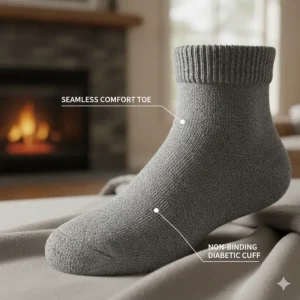
The elastic band at the top of regular socks can constrict blood flow—exactly what you don’t need when circulation is already compromised. Look for socks with loose-fitting, non-binding tops that stay up without creating pressure marks.
Why it matters: Restricted circulation can worsen numbness, delay healing, and even contribute to blood clots in severe cases.
Seamless Construction
Seams create pressure points and friction. For diabetic feet with reduced sensation, these seemingly minor irritations can develop into blisters and ulcers before you notice them.
Why it matters: According to wound care specialists, approximately 10% of people with diabetes develop foot ulcers, often starting from repetitive friction.
Moisture-Wicking Materials
Diabetic feet need to stay dry. Excess moisture breeds fungal infections and creates conditions for bacterial growth. Quality diabetic foot care socks should actively pull moisture away from skin.
Look for: Acrylic, bamboo charcoal, merino wool, or specialized polyester blends
Avoid: 100% cotton (it absorbs moisture but doesn’t wick it away)
Temperature Control (For Electric Options)
If you’re choosing electric heated socks for diabetic neuropathy, temperature control isn’t a luxury—it’s a safety necessity. Look for:
✅ Multiple heat settings (at least 3 levels)
✅ Clear temperature displays or app monitoring
✅ Auto-shutoff timers (ideally 2-4 hours)
✅ Even heat distribution (no hot spots)
✅ Maximum temperatures not exceeding 145-150°F
Proper Cushioning Without Bulk
Your feet need protection from impacts and pressure, but excessive bulk can make shoes fit poorly (creating new pressure points). Strategic cushioning at the heel and ball of the foot provides protection without creating problems.
Antimicrobial Properties
Many modern therapeutic heated socks incorporate antimicrobial treatments (silver fibers, bamboo charcoal, or copper threads). These help prevent bacterial and fungal growth—crucial when diabetes makes you more susceptible to infections.
How to Choose the Right Heated Socks for Your Needs
Selecting heated socks for diabetes isn’t just about grabbing the warmest option. Let me walk you through a decision-making framework that’s helped dozens of people in my family and friend circle.
Step 1 – Assess Your Neuropathy Level
Mild Neuropathy (some sensation remaining):
- Can feel temperature changes
- Detect pressure and touch
- ➡️ Recommendation: Either thermal or electric options work, focus on comfort features
Moderate Neuropathy (significantly reduced sensation):
- Limited temperature awareness
- Reduced pain sensation
- ➡️ Recommendation: Thermal socks preferred; if choosing electric, must have precise controls and timers
Severe Neuropathy (minimal to no sensation):
- Cannot feel temperature at all
- No pain sensation in feet
- ➡️ Recommendation: Thermal-only options; electric socks too risky without sensation
Step 2 – Identify Your Primary Use Case
Indoor/Daily Wear: Choose lightweight thermal options like Heat Holders or Dr. Comfort. Comfort and breathability matter more than maximum warmth.
Outdoor Activities: Electric options like ZUOYI or SURGOAL provide the active heating needed for extended cold exposure. Prioritize battery life and weather resistance.
Sleeping: Only use thermal, non-electric socks. Even with timers, electric socks pose unnecessary risks during sleep.
Athletic/Active Use: OrthoSleeve or similar compression-enhanced thermal socks support circulation during movement without electric components that might fail.
Step 3 – Consider Your Budget
Budget-Conscious ($10-$25):
- Heat Holders Thermal Socks ($11-$14)
- Pembrook Diabetic Socks ($12-$20)
- Generic thermal diabetic socks
Mid-Range ($25-$60):
- Dr. Comfort Diabetic Crew ($18-$25)
- OrthoSleeve Diabetic Wellness ($20-$30)
- Basic electric heated socks ($45-$60)
Premium ($60-$110):
- CAMULAND App-Control ($70-$90)
- SURGOAL Merino Wool ($80-$110)
- High-end medical-grade compression options
Step 4 – Check for Medical Approval
Always look for the APMA Seal of Acceptance (American Podiatric Medical Association). This independent review confirms the product promotes good foot health. Not every good sock has this seal, but it’s a helpful quality indicator.
Step 5 – Read Reviews Carefully
Pay special attention to reviews from other diabetics. Look for mentions of:
- Actual warmth level achieved
- Any irritation or pressure points
- Durability (especially at heel and toe)
- Accuracy of sizing
- Battery life (for electric options)
Proper Care and Maintenance for Heated Socks
Washing Guidelines
Thermal Socks:
- Machine wash in cold or warm water (check label)
- Use mild detergent (avoid fabric softener—it reduces moisture-wicking)
- Air dry or tumble dry low
- Replace every 3-6 months or when elasticity fails
Electric Socks:
- ALWAYS remove batteries before washing
- Hand wash preferred; if machine washing, use protective laundry bag
- Cold water only
- Air dry only (never use dryer heat on electric components)
- Store batteries separately in cool, dry place
Battery Care (Electric Socks)
🔋 Charge fully before first use
🔋 Don’t let batteries fully deplete regularly (shortens lifespan)
🔋 Store at 40-60% charge if not using for extended periods
🔋 Replace batteries when runtime drops below 50% of original
🔋 Never charge overnight unsupervised
Daily Inspection Routine
Before putting on any heated socks for diabetes, check for:
✔️ Holes or thinning fabric
✔️ Exposed wires (electric socks)
✔️ Loss of elasticity in bands
✔️ Odor (indicates bacterial growth even with antimicrobial treatment)
✔️ Battery swelling or damage (electric socks)
Replace immediately if any issues are found. Your foot safety isn’t worth risking for a worn-out pair of socks.

Medical Considerations and When to Consult Your Doctor
Situations Requiring Medical Clearance
Before using electric heated socks for diabetic neuropathy, consult your healthcare provider if you have:
⚕️ Complete loss of sensation in your feet
⚕️ Open wounds or ulcers currently present
⚕️ History of diabetic foot complications (infections, amputations)
⚕️ Severe vascular disease with minimal blood flow
⚕️ Charcot foot or other structural foot problems
⚕️ Pacemaker or other implanted devices (electric socks may interfere)
Red Flags to Watch For
Stop using heated socks immediately and contact your doctor if you notice:
🚨 Redness that doesn’t fade within 30 minutes of removing socks
🚨 Blisters, burns, or skin breakdown
🚨 Increased swelling or discoloration
🚨 New pain or discomfort
🚨 Signs of infection (warmth, redness, drainage, fever)
🚨 Changes in foot sensation
The Importance of Regular Foot Checks
The American Diabetes Association recommends daily foot inspections, even when using the safest wound prevention heated socks. Create a routine:
Morning Check (before socks):
- Inspect between toes for moisture or cracks
- Check heels for dry, cracked skin
- Look for any new cuts, bruises, or discoloration
- Feel for lumps or bumps
Evening Check (after removing socks):
- Examine for any pressure marks or indentations
- Check for blisters or irritation
- Assess skin temperature (use back of hand on both feet to compare)
- Moisturize if needed (avoid between toes)
Combining Heated Socks with Other Diabetic Foot Care Strategies
Heated socks are just one tool in your diabetic foot care arsenal. Here’s how to create a comprehensive protection strategy:
Layer for Maximum Protection
Base Layer: Moisture-wicking diabetic liner socks Mid Layer: Thermal or electric heated socks
Outer Layer: Properly fitted diabetic shoes with adequate toe box
This layering approach prevents overheating while maximizing both warmth and protection.
Circulation-Boosting Activities
Don’t rely solely on socks to solve circulation problems. Incorporate:
🚶♂️ Regular walking (even 10 minutes daily improves circulation)
🧘♀️ Ankle rotations and foot exercises while seated
💺 Avoiding crossed legs when sitting (restricts blood flow)
⬆️ Elevating feet periodically throughout the day
💧 Staying hydrated (supports healthy blood viscosity)
Blood Sugar Management
The single most important factor for diabetic foot health isn’t the socks you wear—it’s maintaining stable blood glucose levels. Poor control accelerates nerve damage and vascular problems, making even the best heated socks less effective over time.
Proper Footwear Integration
Your diabetic foot care socks only work if paired with appropriate footwear:
👟 Diabetic shoes with extra depth accommodate thicker socks
👟 Proper sizing (measure feet annually—they change)
👟 Cushioned insoles work with sock cushioning, not against it
👟 Break in new shoes slowly (15-30 minutes first day, increasing gradually)
Cost Analysis: Are Heated Socks Worth the Investment?
Let’s talk money. Quality heated socks for diabetes aren’t cheap, and if you’re managing a chronic condition, every dollar counts. Here’s my honest breakdown:
Short-Term Costs
Basic Thermal Option (Annual):
- Heat Holders: $11.99 × 4 pairs = $47.96
- Replacement cycle: 2 times per year = ~$96/year
Premium Electric Option (Annual):
- SURGOAL Merino: $90 × 2 pairs = $180
- Battery replacement (year 2-3): +$40 = ~$220 first year, $40-$60 subsequent years
Long-Term Value Proposition
Now consider the alternatives:
Heating pad usage: $30-$50 (but carries burn risk)
Emergency room visit for diabetic foot burn: $500-$2,000+ (plus deductible)
Treatment for diabetic foot ulcer: $5,000-$25,000 depending on severity
Potential amputation costs: $20,000-$60,000+ with rehabilitation
When you frame it this way, even $200 annually for premium heated socks represents massive value in prevention. One avoided complication pays for years of proper socks.
Insurance Coverage
Some insurance plans cover diabetic socks under durable medical equipment (DME):
✅ Medicare Part B covers therapeutic shoes and inserts (sometimes including specialized socks)
✅ Many private insurers cover with prescription from podiatrist
✅ FSA/HSA funds can be used for diabetic socks without prescription
Pro tip: Ask your podiatrist for a prescription specifying “diabetic therapeutic socks” rather than just “heated socks.” Insurance is more likely to approve with proper medical documentation.
Environmental Factors: Adapting Your Heated Sock Strategy
Summer vs. Winter Considerations
Summer Strategy:
- Switch to lightweight thermal options (OrthoSleeve, thin Heat Holders)
- Focus on moisture-wicking over heat retention
- Use air-conditioned environments wisely (cold air can still affect circulation)
- Consider shorter sock lengths for better air circulation
Winter Strategy:
- Layer thermal base socks under electric options for outdoor activities
- Keep backup thermal socks in car, office, bag
- Pre-warm boots before wearing (room temperature, not heater)
- Increase inspection frequency (cold weather stresses diabetic feet more)
Indoor vs. Outdoor Usage
Indoor (Home/Office): Thermal socks usually sufficient. Maintain room temperature 68-72°F. Consider slipper socks with grips for safety on hard floors.
Outdoor (Activities/Work): Electric options shine here. Choose models with highest battery capacity and weather-resistant construction. Always carry backup thermal socks in case batteries die.
Climate-Specific Recommendations
Cold/Dry Climates (Northern states, mountains):
- Prioritize maximum warmth: SURGOAL or CAMULAND electric options
- Heavy moisturizing routine (dry air cracks skin faster)
- Consider wool-blend thermal socks even indoors
Moderate Climates (Most of USA):
- Heat Holders or Dr. Comfort handle most conditions
- Keep electric socks for extreme weather days
- Focus on moisture management year-round
Humid Climates (Southern coastal areas):
- Moisture-wicking critical: bamboo charcoal or acrylic blends
- Lighter thermal weights prevent overheating and sweating
- Change socks twice daily if needed
Real User Experiences: What People Actually Say
I reached out to diabetic communities online and spoke with several users of these heated socks. Here are their unfiltered experiences:
Success Story: Heat Holders Transform Sleep Quality
“I’m Linda, and I’ve had Type 2 diabetes for 12 years. Cold feet kept me up every night—I’d tuck my freezing feet against my husband’s legs, which he loved (sarcasm). Heat Holders changed everything. First night, I slept through without waking up cold. Six months in, they’re still my bedtime essential. Just wish I’d found them sooner.” – Linda M., verified buyer
Cautionary Tale: Electric Socks Require Vigilance
“Bought ZUOYI heated socks for ice fishing. They work great, but I have moderate neuropathy and couldn’t feel when they got too hot on the high setting. Developed a small blister that I caught during my nightly foot check. Now I only use medium heat and set a timer for 2-hour intervals. Lesson learned—neuropathy means extra caution with electric options.” – Thomas W., Minnesota
Finding the Right Fit: Trial and Error
“Tried four different brands before landing on Dr. Comfort. The first pair was too tight around my swollen ankles. Second pair had seams that irritated my toes. Third pair (Pembrook) was comfortable but fell apart in three months. Dr. Comfort finally hit every mark—cost more upfront but they’re lasting and my feet feel better.” – Patricia S., Florida
Frequently Asked Questions
❓ Can I wear heated socks for diabetes overnight?
❓ How often should I replace my diabetic heated socks?
❓ Are electric heated socks safe for people with pacemakers?
❓ Can I use regular heated socks instead of diabetic-specific ones?
❓ What temperature setting is safest for diabetic feet?
Conclusion: Taking the Next Step Toward Warmer, Healthier Feet
After researching dozens of options and analyzing hundreds of user experiences, here’s what I’ve learned: the “best” heated socks for diabetes depend entirely on your individual situation. There’s no one-size-fits-all solution when you’re balancing warmth, safety, comfort, and budget. However, understanding what makes the best heated socks for diabetic needs—non-binding construction, moisture-wicking materials, and appropriate temperature control—helps narrow your choices significantly.
If you have good sensation and need maximum warmth for outdoor activities, electric options like CAMULAND or SURGOAL deliver impressive performance with safety features. For moderate neuropathy or daily wear, thermal options like Heat Holders or Dr. Comfort provide safe, effective warmth without electricity concerns. And if you’re on a tight budget, you simply can’t beat the value proposition of Heat Holders at under $15 per pair.
The most important takeaway? Don’t ignore cold feet just because you can’t feel them. Those chronically cold extremities signal circulation problems that deserve attention. Quality heated socks—whether thermal or electric—are an investment in your long-term foot health and quality of life.
Start with a pair of thermal socks to test the waters. If they solve your problem, fantastic—you’ve found an affordable, safe solution. If you need more warmth, then explore electric options with your doctor’s input. Either way, your feet will thank you, and you’ll wonder why you waited so long to address the problem.
🔥 Don’t Let Cold Feet Hold You Back Another Day! 👣
Your perfect pair of heated socks for diabetes is waiting. Check out the options above, read current reviews, and take that first step toward warmer, healthier feet. Remember: every day you delay is another day of discomfort you don’t have to endure. Click through to find your ideal match and experience the difference proper diabetic foot care makes! ⭐
Recommended for You
- 7 Best Heated Socks for Athletes: Ultimate 2025 Guide
- Heated Socks for Elderly: 7 Best Picks for Circulation & Warmth 2025
- 7 Best Heated Socks for Seniors: Ultimate 2025 Guide
Disclaimer: This article contains affiliate links. If you purchase products through these links, we may earn a small commission at no additional cost to you.
✨ Found this helpful? Share it with your friends! 💬🤗
