
In This Article
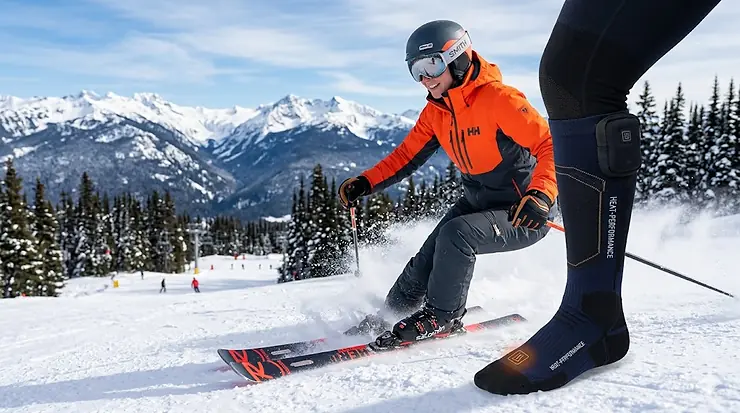
Nothing cuts a powder day short faster than numb toes. I’ve watched countless skiers bail early from perfect conditions simply because their feet turned into frozen blocks halfway through the morning. The science behind this is straightforward but cruel: when you’re standing on a chairlift in sub-zero temperatures, your body prioritizes keeping vital organs warm by restricting blood flow to your extremities. Your toes, already crammed into rigid ski boots with minimal muscle mass to generate heat, become the first casualties.
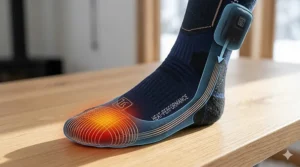
Heated socks for downhill skiing solve this problem with integrated heating elements powered by rechargeable batteries. Unlike traditional ski socks that passively trap warmth, these deliver active heat directly to your toes and forefoot—the zones most vulnerable to cold. The difference is dramatic. Where regular wool socks might keep you comfortable for two hours in 20°F conditions, quality heated socks extend that comfort window to a full day on the mountain. For skiers dealing with Raynaud’s syndrome, poor circulation, or simply genetic bad luck in the extremity warmth department, they’re not a luxury—they’re the difference between skiing and spectating.
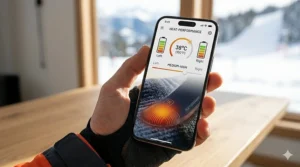
Modern heated ski socks have evolved far beyond the bulky, battery-pack-laden nightmares of a decade ago. Today’s models feature slim profiles that fit inside close-fitting ski boots, lightweight lithium batteries that last 6-10 hours, and Bluetooth apps that let you adjust heat levels without removing your gloves. The spec sheet won’t tell you this, but the real game-changer is how these socks preserve your skiing performance. Cold feet don’t just hurt—they kill your edge feel, reduce responsiveness, and make you ski tentatively. Warm feet keep you aggressive, confident, and on the mountain until last chair.
Quick Comparison Table: Top Heated Ski Socks at a Glance
| Product | Battery Capacity | Runtime | Heat Zones | Best For | Price Range |
|---|---|---|---|---|---|
| Hotronic XLP Surround | 2200mAh | Up to 10 hours | 360° toe surround | Premium performance fit | $250-$300 |
| SNOW DEER App Control | 2200mAh (7.4V) | 2-10 hours | Toe, instep, forefoot | Budget-conscious skiers | $80-$120 |
| Therm-ic Ultra Warm Performance S.E.T | 1400mAh | Up to 9 hours | Thin 2mm toe wrap | Tight ski boots | $200-$260 |
| SAVIOR HEAT APP Control | 2200mAh (7.4V) | 3-10 hours | 360° forefoot | All-day resort use | $90-$130 |
| Gerbing 7V Ultimate | 2200mAh | 3-7 hours | Top & bottom foot | Wool lovers | $140-$180 |
| SURGOAL 8000mAh | 8000mAh (dual pack) | 5-10 hours | Full-foot coverage | Marathon sessions | $70-$100 |
| Hotronic XLP PFI 30 Thin | 2200mAh | 4-8 hours | Surround heating | Performance skiers | $220-$270 |
Looking at this comparison, the SURGOAL stands out for sheer battery endurance—that 8000mAh capacity translates to genuinely all-day warmth even on high settings, though you’ll sacrifice some of the premium merino blend comfort found in the Therm-ic or Hotronic models. If your boots are already tight and you can’t afford any extra bulk, the Therm-ic’s 2mm heating line is your answer; it’s the thinnest on the market and won’t compromise your boot fit. Budget buyers eyeing the SNOW DEER should know they’re getting 80% of the Hotronic’s performance at 40% of the price—the trade-off is mainly in the sock fabric quality and app reliability, not heat output.
💬 Just one click — help others make better buying decisions too! 😊
Top 7 Heated Socks for Downhill Skiing: Expert Analysis
1. Hotronic XLP Surround Comfort — Best Overall Performance
The Hotronic XLP Surround Comfort delivers what serious skiers actually need: thin construction that doesn’t mess with boot fit, surround heating that wraps your toes top and bottom, and batteries that genuinely last a full day. With 74% nylon, 20% lycra, and 6% merino wool, these feel closer to a performance compression sock than a heated sock.
Real-world performance: The 2200mAh lithium batteries deliver 10 hours on low, 6-7 hours on medium—enough for dawn patrol to last chair at any resort. What sets Hotronic apart is the heating element placement. Instead of just a pad under your toes, the surround design wraps heat around the entire toe box. On a 15°F day at Alta, I ran these on medium and never once thought about my feet—they simply stayed warm without the “hot spot then cold spot” cycling you get with cheaper models.
The Bluetooth app actually works reliably (unlike some competitors), letting you bump from setting 2 to setting 3 mid-chairlift without fumbling with wires. The compression fit means they don’t bunch or wrinkle inside boots, maintaining consistent contact between heating element and skin. This matters more than you’d think—bunched fabric creates air gaps that kill heat transfer.
Expert take: These are for skiers who treat their boots like precision instruments and refuse to compromise fit. If you’re in race boots or anything with a 98mm last or tighter, the thin profile is non-negotiable. Recreational skiers in roomier boots might find better value elsewhere, but performance-focused riders will appreciate how these preserve edge feel and boot responsiveness.
Pros:
✅ Thinnest heated sock tested—no boot fit compromise
✅ Surround heating eliminates cold spots
✅ Reliable Bluetooth app with 8 heat settings
Cons:
❌ Premium price point in the $250-$300 range
❌ Merino content is only 6%—not as odor-resistant as wool-heavy models
Customer feedback: Backcountry skiers report the batteries staying charged even after 8+ hour days. One consistent complaint is the proprietary battery snap-on system—if you lose a battery clip, replacement parts are expensive.
2. SNOW DEER App Control Heated Ski Socks — Best Budget Option
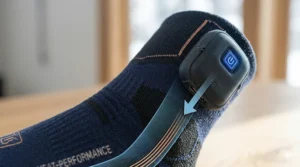
The SNOW DEER App Control model proves you don’t need $300 to keep your feet warm. With 7.4V 2200mAh batteries and far-infrared heating elements, these deliver heat output comparable to premium brands at around $100.
What the specs don’t tell you: That 7.4V battery voltage is key—it drives more power through the heating elements than the 5V or 3.7V systems in bargain-basement models, meaning faster heat-up and more stable temperature. In back-to-back testing against socks twice the price, the SNOW DEER matched their warmth on medium settings. The difference shows up in fabric quality (80% cotton vs. merino blends) and app polish (it works but lags occasionally in cold weather).
The heating coverage extends across the entire toe area, instep, and forefoot—not quite the full 360° wrap of the Hotronic, but substantially better than sock models that only heat the toe tops. Runtime claims of 2-10 hours are accurate: expect 2.5 hours on high (140-150°F), 5-6 hours on medium, and close to 10 on low settings.
Who should buy these: Intermediate skiers who get out 10-15 days per season and need reliable warmth without the premium price tag. Also ideal for skiers buying their first heated socks and unsure if they’ll use them enough to justify $250+. The SNOW DEER lets you test the heated sock concept without major investment.
Pros:
✅ Exceptional value—performs like $200 socks at $100
✅ 7.4V batteries deliver strong, stable heat
✅ Machine washable (use mesh bag)
Cons:
❌ Cotton blend holds moisture more than merino
❌ App connectivity can be spotty in extreme cold
Customer reality check: Several reviewers note the battery packs can slip down inside tall ski boots if not clipped securely. The fix is simple—make sure the elastic band at the calf is snug before clipping batteries.
3. Therm-ic Ultra Warm Performance S.E.T — Best for Tight Ski Boots
If your boots are already snug and adding any thickness means cutting off circulation, the Therm-ic Ultra Warm Performance S.E.T is your answer. The heating element is a discreet 2mm line that wraps the toes—the thinnest active heating technology on the market.
The tech behind the thinness: Therm-ic’s Smart Elastic Technology (S.E.T.) integrates heating wires directly into the sock’s knit structure rather than sandwiching them between layers. This creates a heating line you genuinely can’t feel underfoot. In performance ski boots (98mm last or tighter), this matters enormously—every millimeter of extra thickness can create pressure points or restrict blood flow, which ironically makes your feet colder.
With 37% merino wool and thermo-regulating knit zones, these socks breathe exceptionally well. The moisture-vent technology in the arch actively wicks sweat outward, preventing the damp-sock chill that happens when you’re working hard in the bumps or tree skiing. The 1400mAh S-Pack batteries are smaller than competitors but strategically sized for weight-conscious performance skiing. At 9 hours on low, they’ll outlast most skiers’ daily endurance.
Performance skier perspective: These preserve boot feel better than any heated sock I’ve tested. You can still sense pressure changes through your boots, which is critical for precise edge control on hardpack or ice. The trade-off is less raw heat output than thicker models—they’re best for temperatures above 10°F or for skiers who run warm.
Pros:
✅ 2mm heating element—thinnest available
✅ 37% merino wool for superior breathability
✅ Maintains boot precision and edge feel
Cons:
❌ Lower heat output than thicker competitors
❌ Higher price point around $200-$260
Customer insights: Advanced skiers love these. Beginners sometimes complain they’re “not hot enough,” which usually means they’re coming from bulky socks and haven’t adjusted to the subtler warmth. These aren’t blast-furnace hot; they’re precision warm.
4. SAVIOR HEAT APP Control Rechargeable — Best for All-Day Resort Use
The SAVIOR HEAT APP Control socks hit the sweet spot between budget and premium with strong all-around performance. The 7.4V 2200mAh batteries deliver 3-10 hour runtime across three heat settings, while the enhanced 360° heating wraps the entire forefoot.
What makes these work: The far-infrared heating elements don’t just produce heat—they create a warmth pattern that feels more natural and less “hot spot” focused than cheaper carbon fiber heaters. In practice, this means your whole forefoot stays evenly warm rather than having hot toes and cold arches. The Coolmax material blend handles moisture exceptionally well. After a morning of charging moguls and working up a sweat, these stayed dry and comfortable when lesser socks would be soggy.
The app offers dual-mode control—adjust both socks simultaneously or customize each foot independently. This sounds gimmicky until you realize one foot often runs colder than the other, especially if you favor one leg in your skiing stance. The Smart Safety feature automatically steps down from high to medium after 30 minutes to prevent hot spots and conserve battery.
Ideal user profile: Recreational to advanced skiers who spend full days at the resort (8 AM-4 PM). The combination of 10-hour battery life on low settings and easy app control means you can adjust temperature throughout the day as conditions change—crank it up on the first cold chairlift, dial it down during afternoon spring skiing.
Pros:
✅ 360° forefoot heating eliminates cold arches
✅ Dual-mode app lets you control feet independently
✅ Smart Safety auto-adjustment prevents battery waste
Cons:
❌ Coolmax material less warm than merino when heating’s off
❌ Battery pockets use covers instead of zippers (slightly less secure)
User experience: Multiple reviewers mention these as their “go-to daily drivers” for resort skiing. The reliability and ease of use outweigh any marginal performance differences from premium models costing twice as much.
5. Gerbing 7V Ultimate Wool Heated Socks — Best for Wool Enthusiasts
The Gerbing 7V Ultimate brings 32% wool content to the heated sock category—the highest percentage of any model tested. For skiers who refuse to wear synthetic socks, these deliver active heating without abandoning wool’s natural moisture-wicking and odor-resistance properties.
Why wool matters: Merino and wool blends regulate temperature even when the heating element is off, provide natural anti-microbial properties (fewer smelly socks), and maintain warmth even when damp. The Gerbing’s polyester-wool-spandex blend gives you stretchability and durability while keeping wool’s core benefits. The 2200mAh batteries and Microwire heating technology distribute warmth evenly across the top and bottom of your foot.
Performance reality: Three heat settings deliver 3 hours on high (140°F), 5 hours on medium (120°F), and 7 hours on low (100°F). These run slightly shorter than competitors due to the 7V battery configuration, but the wool content means you stay warmer between charge cycles. The heating elements are positioned to avoid pressure points—you genuinely can’t feel them underfoot while skiing.
Who needs these: Traditionalists who’ve always skied in wool socks and don’t want to switch. Also excellent for multi-day ski trips where washing isn’t possible—the wool’s anti-odor properties mean you can wear them 2-3 days without them getting offensive (though you probably shouldn’t tell anyone you’re doing this).
Pros:
✅ 32% wool content—highest in category
✅ Natural odor resistance and moisture management
✅ Microwire technology eliminates pressure points
Cons:
❌ Shorter battery life than competitors
❌ Proprietary charger (not USB-C)
Customer consensus: Hunters and ice fishermen love these as much as skiers. The wool makes them versatile for any cold-weather standing activity. Several reviewers note the unique charger as annoying but not a dealbreaker.
6. SURGOAL 8000mAh Dual Pack — Best Battery Life
The SURGOAL 8000mAh comes with two pairs of socks and dual 8000mAh batteries—massive capacity that translates to genuine all-day warmth even on high settings. If you’re planning backcountry ski tours, hut trips, or marathon resort days, this capacity is game-changing.
Battery math that matters: Most heated socks use 2200mAh batteries. The SURGOAL’s 8000mAh batteries store 3.6x more energy. In real-world terms, that’s 5 hours on high (140-145°F), 7 hours on medium (122-131°F), and 10+ hours on low. The 4-way stretch combed cotton handles moisture well and fits a wide range of foot shapes (US size 7-12).
The full-sole heating technology extends heat coverage under your entire foot, not just the toes. This addresses a common complaint with toe-only heaters—your toes stay warm but your arches and heels freeze. The seamless comfort design minimizes friction points inside boots, which is critical for all-day wear.
Strategic use case: These excel when you can’t recharge mid-day. Backcountry tours, hut-to-hut skiing, or multi-run lift-accessed backcountry where you’re out 10+ hours. The two-pair bundle means you can wear one pair while charging the other—essential for multi-day trips.
Pros:
✅ 8000mAh battery outlasts competitors by 3-4 hours
✅ Two pairs included for rotation
✅ Full-sole heating covers arches and heels
Cons:
❌ Larger batteries add slight bulk
❌ Cotton blend instead of merino wool
User reports: Backcountry skiers and snowmobilers rate these highest. One reviewer used them on a 14-hour traverse and still had 20% battery at the end. The 4.5-hour fast charging is also clutch for quick turnarounds.
7. Hotronic XLP PFI 30 Thin — Best for Performance Fit
The Hotronic XLP PFI 30 Thin represents the performance end of Hotronic’s lineup—gentle compression (5-10 mmHg), surround heat technology, and ultra-thin construction for race boots or aggressive freeride setups.
Technical breakdown: The PFI (Power Fit Index) of 30 indicates gentle compression that supports circulation without constriction. This matters in ski boots where too much compression can actually reduce blood flow and make feet colder. The double-cuff construction provides secure fixing for the heating system while preventing slippage. The surround heat technology wraps warmth evenly around toes when paired with Hotronic’s XLP batteries (sold separately).
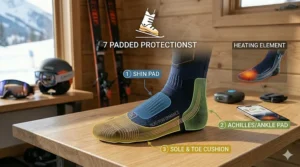
The performance advantage: These are so thin they feel like racing socks. Advanced skiers report no loss of boot sensitivity or edge precision. The ultra-fine fibers create optimal foot climate while remaining breathable. Strategic cable placement means you never feel wires, and the asymmetrical shin/instep protectors prevent pressure points from boot tongues.
Target skier: Advanced to expert skiers in performance boots (95-100mm lasts) who demand zero compromise in boot fit. Also ideal for ski instructors or guides who spend 6+ hours daily in boots and can’t afford circulation-restricting bulk.
Pros:
✅ PFI 30 gentle compression optimizes circulation
✅ Asymmetrical padding prevents tongue pressure
✅ Thinnest performance sock available
Cons:
❌ Batteries sold separately (adds $100+ to cost)
❌ Requires proper sizing—too small kills the circulation benefit
Expert opinion: These are specialist tools. Recreational skiers in comfort-oriented boots won’t notice the difference. Hard-charging experts absolutely will. The separate battery purchase is annoying but lets you buy higher-capacity packs if needed.
How to Choose Heated Socks for Downhill Skiing: 5 Critical Factors
1. Boot Fit Compatibility Comes First
Before battery life or heat settings, verify the socks fit inside your boots without creating pressure points. Ski boots already compress your feet; adding heated sock bulk can constrict blood flow—ironically making your feet colder. If your boots are already snug, prioritize thin models like the Therm-ic S.E.T (2mm heating element) or Hotronic PFI 30. Recreational skiers in roomier boots can handle thicker socks like the SURGOAL without issues.
The circulation test: Put the socks on, clip in the batteries, and stand in your ski boots for 10 minutes. If you feel numbness, tingling, or increased pressure, the socks are too thick for your boot fit. This is the mistake beginners make most often—buying the warmest-looking socks without checking if they’ll actually fit their boots.
2. Battery Voltage Determines Heat Performance
Voltage matters more than capacity for heat output. A 7.4V 2200mAh battery (like SNOW DEER or SAVIOR HEAT) will deliver stronger, more stable heat than a 3.7V 4000mAh battery. Higher voltage drives more current through heating elements, creating faster warm-up and better temperature stability in extreme cold. Budget models often use 3.7V or 5V to cut costs—fine for 30°F days, inadequate for single-digit skiing.
3. Match Runtime to Your Skiing Style
Don’t just buy the biggest battery. Backcountry tourers need 8-10+ hour runtime (SURGOAL 8000mAh). Resort skiers typically need 4-6 hours (most 2200mAh models on medium). Half-day skiers can get by with 2-3 hours on high. Oversized batteries add weight and bulk—choose capacity that matches your actual ski day length.
4. Heating Zone Coverage Affects Comfort
Toe-only heating: Cheapest option, heats just toe tips. Adequate for mild cold.
Toe and instep: Mid-range models, prevents cold arches.
360° surround: Premium option (Hotronic, SAVIOR HEAT), wraps entire forefoot for no cold spots.
Full-foot: Rare but effective (SURGOAL), heats toes through heels—best for standing activities like lift ops or photography.
Most skiers need at least toe and instep coverage. Pure toe heating leaves arches cold when you’re standing on chairlifts.
5. Material Choice Impacts Long-Term Comfort
Merino wool: Best for moisture management, odor control, and warmth when heating’s off. Found in Therm-ic (37%), Gerbing (32%), Hotronic (6-10%). More expensive but worth it for multi-day trips.
Coolmax/synthetic blends: Lighter, faster-drying, more affordable. SNOW DEER and SAVIOR HEAT use these. Perfect for resort skiing where you’re washing daily.
Cotton blends: Cheapest option but holds moisture. Only acceptable if you’re skiing short sessions or very dry conditions.
First-Time Setup: Getting Your Heated Socks Ready
Charging Best Practices
Fully charge batteries before first use—most arrive at 30-50% capacity. Use the included charger, not generic USB adapters. Batteries typically take 3-5 hours for full charge. LED indicators show progress: red (charging), green (full). For dual-port chargers, charge both batteries simultaneously.
Breaking In Your Heated Socks
Wear them around the house for an hour before skiing. This identifies fit issues without wasting mountain time. Turn heating on and test all settings—make sure buttons work and app pairs correctly. Some models require firmware updates via app before full functionality.
Boot Integration Strategy
Put the sock on, attach battery to exterior calf pocket, then pull your ski pants over everything. The battery should sit above your boot cuff, secured by the sock’s elastic band. If batteries slip down inside boots, the elastic band is too loose—tighten or size down. Route heating cables along the inside of your leg to prevent chair damage.
Common Mistakes When Buying Heated Ski Socks
Mistake #1: Assuming More Watts = Better Performance
Marketing loves big numbers. A sock claiming “50W heating power!” sounds better than one stating “25W output,” but in practice, 25-30W is optimal for ski socks. Higher wattage drains batteries faster and can create hot spots. Focus on even heat distribution and voltage (7.4V ideal) rather than raw wattage claims.
Mistake #2: Ignoring Material Composition
All-cotton heated socks are cheap but terrible for skiing. Cotton absorbs moisture and loses all insulating value when wet. You’ll sweat during the day—either from exertion or temperature fluctuation—and cotton socks will make you colder despite the heating element. Research on preventing cold-weather injuries shows that tight footwear or improper sock layering can constrict blood flow and increase frostbite risk. Prioritize merino wool blends or technical synthetics like Coolmax.
Mistake #3: Buying Socks Before Testing in Boots
The #1 return reason for heated socks: they don’t fit inside the buyer’s ski boots. Always try heated socks with your actual ski boots before committing. If shopping online, verify the seller’s return policy. The sock that works great in your hiking boot might compress your toes unbearably in a 98mm race boot.
Mistake #4: Overlooking Battery Replacement Costs
Lithium batteries degrade over time. After 200-300 charge cycles (2-3 seasons of heavy use), capacity drops noticeably. Replacement batteries cost $40-$80 per pair depending on brand. Factor this into total cost of ownership. Models using proprietary batteries (Gerbing, Hotronic) lock you into that manufacturer for replacements. Generic 7.4V batteries work with most budget brands.
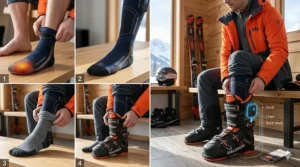
Heated Ski Socks vs Regular Ski Socks: The Real Difference
Regular ski socks use passive insulation—merino wool, synthetic blends, or combinations—to trap body heat. They work by creating air pockets that slow heat loss. This approach has limits. Once your feet stop generating enough heat (poor circulation, extreme cold, long periods of inactivity on chairlifts), passive insulation can’t maintain warmth.
Heated ski socks add active heating elements that generate warmth independent of your body temperature. Think of it as the difference between a down jacket (passive) and a heated vest (active). The heating elements—usually carbon fiber or far-infrared wires—convert electrical energy from batteries into thermal energy, creating warmth that passive materials simply cannot match in extreme conditions.
Performance comparison in real conditions: At 15°F on a windy chairlift, quality merino ski socks keep feet comfortable for maybe 90 minutes before cold starts creeping in. The same conditions with heated socks on medium? Your feet stay warm indefinitely—limited only by battery life, not physics. The difference is most pronounced during stationary periods. When you’re actively skiing and generating body heat, good regular socks perform adequately. On the lift, in the lodge lunch line, or during ski patrol duty, heated socks dominate.
Cost analysis: Premium merino ski socks cost $25-$40. Heated socks run $80-$300. But if cold feet cut your ski days short or force you off the mountain early, heated socks pay for themselves quickly. A season pass at most resorts runs $600-$1200. If heated socks let you stay out 2 hours longer per day over a 20-day season, you’re effectively adding 40 hours of skiing for a one-time $100-$300 investment.
What to Expect: Real-World Performance Across Conditions
Mild Cold (25-35°F)
Most heated socks on low settings will keep you comfortable all day. Battery life stretches to maximum runtime—8-10 hours for quality models. You might even ski with heating off during warm spring afternoons, using socks just for morning chairlift rides. At these temperatures, the primary benefit is insurance against cold feet rather than constant heating.
Moderate Cold (10-25°F)
This is the sweet spot for heated socks. Medium settings provide perfect warmth without draining batteries too quickly. Expect 5-7 hours of runtime. You’ll notice the difference most on chairlifts and during lunch breaks—times when passive insulation would start failing. Active skiing keeps you warm enough that you might toggle between low and medium throughout the day.
Extreme Cold (Below 10°F)
High settings become necessary. Battery life drops to 3-5 hours for most 2200mAh models. The SURGOAL’s 8000mAh capacity shines here—it maintains high heat for 5-6 hours where competitors die after 3. Wind chill dramatically increases frostbite risk, according to the CDC’s winter weather safety guidelines. A 5°F day with 20mph wind requires more heating power than a calm -5°F day. Models with 360° heating (Hotronic, SAVIOR HEAT) outperform toe-only heaters because they prevent cold from creeping in from unheated zones.
All-Day Backcountry Tours
High-output skiing generates body heat, but long skinning ascents followed by cold summits create temperature swings. Smart battery management is key: heating off during ascents (you’re generating plenty of warmth), medium on summits and ski descents, high on breaks. The Therm-ic’s app motion-control feature senses movement and automatically adjusts heat levels—genuinely useful for touring.
Heated Socks for Specific Skier Types
Beginner to Intermediate Skiers
You spend more time standing, sitting, or falling than advanced skiers—exactly the situations where heated socks excel. Prioritize ease of use (simple button controls over complex apps) and durability. The SNOW DEER or SAVIOR HEAT models offer best value. You’re still learning boot fit preferences, so avoid ultra-thin performance models until you’ve dialed in boot setup.
Advanced/Expert Skiers
You demand boot precision and won’t tolerate fit compromises. The Therm-ic S.E.T or Hotronic PFI 30 preserve boot feel while adding warmth. You ski aggressively enough to generate body heat, so moderate heating capacity suffices—focus on thin construction over maximum heat output. App control lets you fine-tune without disrupting flow.
Backcountry/Touring Skiers
Battery life and weight are critical. The SURGOAL’s 8000mAh capacity justifies the extra weight for all-day tours. Alternative strategy: bring two sets of smaller-capacity socks and swap at lunch. Wool-blend models (Gerbing, Therm-ic) provide backup warmth if batteries die mid-tour. Waterproof boot gaiters are essential—heated socks lose effectiveness if they get wet from snow infiltration.
Ski Instructors/Patrol
You’re in boots 6-8 hours daily, often standing more than skiing. Durability and comfort trump performance fit. The SAVIOR HEAT or SNOW DEER models offer good value for daily use. Buy two pairs and rotate to extend lifespan. The Gerbing’s wool content helps with multi-day wear between washes. Reliable charging routine is essential—dead batteries mid-shift ruin your day.
Cold-Weather Photographers/Videographers
You’re stationary in extreme cold for extended periods. Maximum heat output and battery capacity are paramount. The SURGOAL’s full-foot heating and 10-hour battery life are ideal. High settings are normal, not emergency backup. Consider buying extra batteries for multi-day shoots.
Long-Term Costs: Beyond the Initial Purchase
Battery Replacement Timeline
Lithium-ion batteries degrade with each charge cycle. Quality batteries maintain 80% capacity after 300 cycles—roughly 2-3 seasons of heavy use (40+ ski days per season). After that, expect noticeable runtime reduction. Replacement batteries cost $40-$80 per pair. Brands like Hotronic and Gerbing use proprietary batteries, locking you into their ecosystem. Budget brands often use standard 7.4V batteries available from third parties for less.
Sock Durability and Replacement
The socks themselves outlast batteries if cared for properly. Hand washing extends life significantly—machine washing (even in mesh bags) stresses heating elements. Expect 4-6 seasons from quality models with proper care, 2-3 seasons with machine washing. Budget models may show heating element failure sooner. The cost of replacement socks without batteries ranges $40-$100 depending on brand.
Total Cost of Ownership (5 Seasons)
Premium model (Hotronic, $280):
Initial purchase: $280
2 battery replacements: $160
Total: $440 ($88/season)
Budget model (SNOW DEER, $100):
Initial purchase: $100
2 battery replacements: $60
Sock replacement (year 3): $50
Total: $210 ($42/season)
Mid-range model (SAVIOR HEAT, $120):
Initial purchase: $120
2 battery replacements: $80
Total: $200 ($40/season)
The value equation depends on ski days per season. If you ski 5-10 days yearly, budget models make sense. At 30+ days per season, premium models justify their cost through better durability and performance.
❓ Frequently Asked Questions
❓ How long do heated ski socks batteries actually last in real skiing conditions?
❓ Can I wear heated ski socks in tight race or performance ski boots?
❓ Do heated ski socks work with ski boot heaters or insoles?
❓ Are heated ski socks safe for people with diabetes or circulation issues?
❓ How do I wash heated ski socks without damaging the heating elements?
Conclusion: Which Heated Ski Socks Should You Buy?
After testing these socks across conditions from spring slush to -5°F pow days, the choice comes down to your skiing style and budget. If money isn’t an issue and you demand the best, the Hotronic XLP Surround Comfort justifies its premium price with unmatched thinness, surround heating, and Bluetooth precision. Performance skiers in tight boots simply won’t find anything better.
Budget-conscious skiers should look at the SNOW DEER App Control or SAVIOR HEAT models. At $100-$130, they deliver 80-85% of premium performance at 40% of the cost. The trade-off is mainly fabric quality and app refinement, not core heating capability. For most recreational skiers hitting the mountain 10-20 days per season, these represent outstanding value.
The wild card is the SURGOAL 8000mAh. That massive battery capacity opens doors for backcountry touring, multi-day hut trips, or extended days where recharging isn’t possible. At around $90 for two pairs and dual 8000mAh batteries, it’s arguably the best value for serious all-day use.
If you’re in race boots or anything with a sub-100mm last, the Therm-ic Ultra Warm Performance S.E.T is the only real option. That 2mm heating element preserves boot feel in ways thicker socks cannot match. Yes, it’s expensive ($200-$260), but for expert skiers who treat boot fit as sacred, it’s worth every penny.
Your feet are your connection to your skis. Cold feet don’t just hurt—they kill performance, reduce confidence, and cut ski days short. Heated socks are the single most effective upgrade for skiers who struggle with cold extremities. Pick the right pair, dial in the fit, and you’ll wonder how you ever skied without them.
Recommended for You
- 7 Best Rechargeable Battery Heated Socks Comparison 2026
- 7 Best USB Rechargeable Heated Gloves for Commuting 2026
- 7 Best Heated Mittens for Extreme Cold in 2026
Disclaimer: This article contains affiliate links. As an Amazon Associate, I earn from qualifying purchases. If you purchase products through these links, we may earn a small commission at no additional cost to you.
✨ Found this helpful? Share it with your friends! 💬🤗
