
In This Article
Winter’s icy grip doesn’t have to leave you with frozen fingers anymore. Whether you’re tackling morning snow removal, enjoying outdoor winter sports, or simply struggling with poor circulation, heated mitt liners have revolutionized how we stay warm in cold conditions. These ingenious devices transform ordinary gloves into powerful warming systems, delivering consistent heat exactly where you need it most.
✨Was this helpful? Spread the word! 🚀
The technology behind heated mitt liners has evolved dramatically over the past few years, with manufacturers like Hestra, SAVIOR HEAT, and Mobile Warming leading the charge in innovation. From ultra-thin designs that slip seamlessly under your favorite winter gloves to standalone heating solutions powerful enough for extreme conditions, today’s heated mitt liners offer unprecedented versatility and performance.
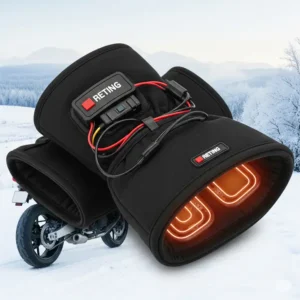
Understanding the nuances of heated mitt liners becomes crucial when you consider that poor hand circulation affects millions of people, especially those with conditions like Raynaud’s syndrome or diabetes. Moreover, outdoor workers, winter sports enthusiasts, and anyone spending extended time in cold environments can benefit significantly from these warming devices. The global heated gloves market has grown exponentially, with research indicating steady growth driven by increasing awareness of cold-related health issues and advancing battery technology.
Understanding Heated Mitt Liners Technology 🔬
Core Heating Mechanisms
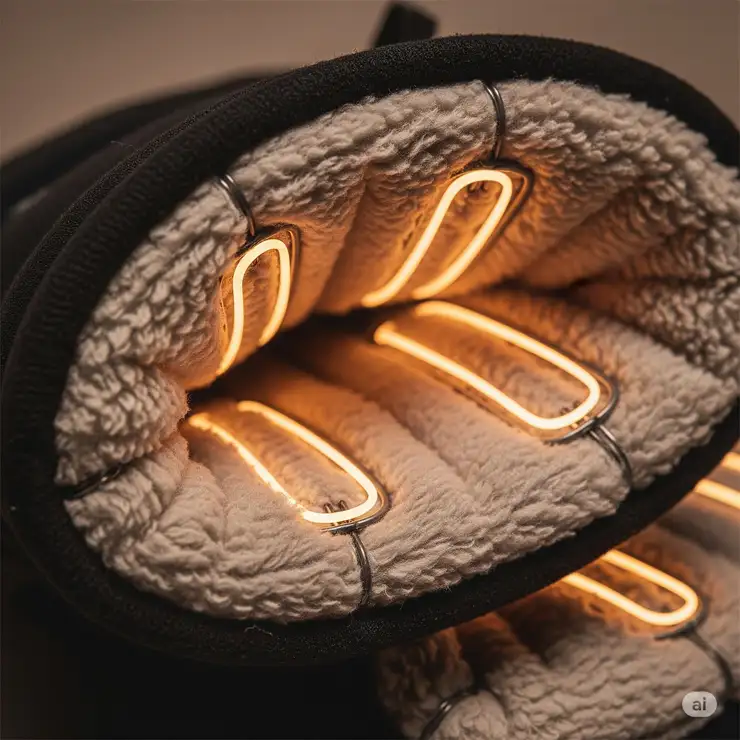
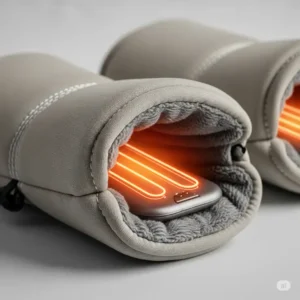
Modern heated mitt liners utilize several sophisticated heating technologies, each with distinct advantages. Carbon fiber heating elements represent the current gold standard, offering rapid heat distribution and exceptional durability. These ultra-thin fibers, often less than 0.1mm thick, create heating zones strategically placed across the back of the hand and fingertips where circulation is typically poorest.
Micro-wire heating systems provide another popular option, embedding thin conductive wires throughout the liner fabric. While slightly bulkier than carbon fiber alternatives, these systems often deliver more consistent heat distribution and prove more cost-effective for budget-conscious consumers. However, they’re also more susceptible to damage from repeated flexing.
Heated coil technology, found in premium products like the Hestra Heated Mitten Liner, uses specialized heating coils embedded within the liner’s construction. This approach offers exceptional longevity and heat output but typically requires more substantial battery power to operate effectively.
Battery Technology Evolution
Lithium-ion batteries have transformed heated mitt liners from bulky, impractical devices into sleek, everyday-wearable solutions. Modern 7.4V systems, like those found in Fieldsheer Mobile Warming products, provide 2-10 hours of continuous heat depending on the selected temperature setting. The latest split-pack designs distribute battery weight more evenly, reducing the wrist strain that plagued earlier models.
Battery capacity directly impacts performance, with 2200mAh systems offering extended runtime for casual users, while 3000mAh options serve demanding applications like professional outdoor work or extended winter sports sessions. Smart battery management systems now include features like automatic shut-off, overcharge protection, and temperature monitoring to ensure safe operation and maximum battery life.
Heat Distribution Science
Effective heat distribution requires understanding human hand anatomy and circulation patterns. The fingertips and thumb tip experience the greatest heat loss, followed by the back of the hand and knuckle areas. Premium heated mitt liners position heating elements to counteract these natural cold spots, creating warming zones that maintain comfortable temperatures even in extreme conditions.
Temperature control systems have evolved from simple on/off switches to sophisticated multi-level controllers offering 3-4 distinct heat settings. The CozyWinters Ultra-Thin Battery-Heated Glove Liners exemplify this advancement, providing four temperature ranges from 90°F to 135°F, allowing users to fine-tune warmth levels based on activity intensity and environmental conditions.
Top 7 Heated Mitt Liners: Comprehensive Product Analysis 🥇
1. Hestra Heated Mitten Liner – Premium Performance Leader
The Hestra Heated Mitten Liner stands as the gold standard for serious winter enthusiasts who demand uncompromising quality. Engineered with 100% ripstop polyamide construction, these liners integrate seamlessly with Hestra’s renowned Army Leather series mittens, creating a complete heated glove system.
Key Specifications:
- Battery Life: 8-10 hours (low), 4-5 hours (medium), 2 hours (high)
- Material: Windproof, water-resistant ripstop polyamide
- Price Range: $320-380
- Compatibility: Army Leather Heli Ski Mitt, Army Leather Extreme Mitt
- Heat Settings: 3 adjustable levels
The Hestra system’s standout feature lies in its heated coil placement, positioning warming elements strategically on the backhand area where heat loss occurs most rapidly. Users consistently report exceptional durability, with many units functioning flawlessly after multiple seasons of intensive use. However, the premium price point and requirement for compatible Hestra outer gloves may limit accessibility for budget-conscious consumers.
Professional Applications: Alpine ski instructors, mountaineering guides, and outdoor equipment testers frequently choose Hestra liners for their reliability in extreme conditions. The system’s ability to maintain consistent heat output at -20°F makes them ideal for professional use where hand warmth directly impacts safety and performance.
2. SAVIOR HEAT Heated Glove Liners – Best Value Innovation
SAVIOR HEAT Heated Glove Liners deliver impressive performance at a more accessible price point, featuring 7.4V 2200mAh rechargeable lithium-ion batteries and touchscreen-compatible fingertips. The ultra-thin design allows layering under most winter gloves without compromising dexterity.
Key Specifications:
- Battery Capacity: 7.4V 2200mAh
- Heat Range: 100°F to 150°F
- Runtime: Up to 6 hours
- Price Range: $89-129
- Touchscreen: Thumb and index finger compatible
- Sizes: XS to 3XL
Customer feedback consistently highlights the SAVIOR HEAT liners’ rapid 30-second warm-up time and reliable battery performance. The 4-level power display provides clear indication of remaining battery life, while the anti-false touch switch prevents accidental activation during storage or transport.
User Demographics: Mail carriers, outdoor workers, and individuals with Raynaud’s syndrome frequently choose SAVIOR HEAT liners for daily use. Their thin profile makes them particularly suitable for activities requiring fine motor control, such as photography or equipment operation.
3. Fieldsheer Mobile Warming 7.4V Heated Glove Liners – Professional Grade Versatility
Engineered with high-quality stretch polyester and powered by ultra-slim Mobile Warming batteries, the Fieldsheer Mobile Warming 7.4V Heated Glove Liners offer form-fitting design without sacrificing heating performance. These liners integrate with Mobile Warming’s broader ecosystem of heated apparel.
Key Specifications:
- Construction: High-quality stretch polyester
- Heat Range: 90°F to 135°F
- Temperature Settings: 4 adjustable levels
- Price Range: $149-189
- Battery System: Mobile Warming 7.4V rechargeable
- Special Features: Integrated touch control button
The Fieldsheer design philosophy emphasizes compatibility and modularity. These liners work equally well as standalone units or integrated components within Mobile Warming heated jacket systems. The in-cuff touch control button allows temperature adjustment without removing gloves, a crucial feature for professional applications.
Industry Adoption: Construction workers, winter maintenance crews, and outdoor gear testing professionals frequently select Fieldsheer liners for their robust construction and consistent performance across temperature extremes.
4. CozyWinters Ultra-Thin Battery-Heated Glove Liners – Maximum Dexterity
Designed specifically for users requiring maximum finger dexterity, CozyWinters Ultra-Thin Battery-Heated Glove Liners feature the thinnest profile available while maintaining effective heating performance. The stretch polyester shell accommodates extended wear under work gloves or winter sports equipment.
Key Specifications:
- Maximum Temperature: 135°F (57.2°C)
- Temperature Settings: 4 selectable ranges
- Runtime: Up to 10 hours (varies by setting)
- Price Range: $79-109
- Material: Stretch polyester shell
- Warranty: 1 year fabric, 3 months electrical
Customer testimonials frequently emphasize the CozyWinters liners’ effectiveness for specific medical conditions. Users with Raynaud’s syndrome, arthritis, and circulation disorders report significant improvement in hand comfort during cold exposure.
Medical Applications: Physical therapists and occupational health specialists often recommend CozyWinters liners for patients with cold-sensitive conditions. The thin profile allows continued use of regular gloves while providing therapeutic warmth.
5. Snow Deer Heated Glove Liners – Outdoor Sports Specialist
The Snow Deer Heated Glove Liners combine neoprene exterior construction with internal heating elements designed specifically for winter sports applications. Their water-resistant properties and enhanced grip make them ideal for skiing, snowboarding, and mountaineering activities.
Key Specifications:
- Exterior: Flexible neoprene construction
- Interior: Insulated heating liner
- Water Resistance: Yes
- Price Range: $69-99
- Heat Settings: 3 adjustable levels
- Target Use: Winter sports, outdoor recreation
The Snow Deer design incorporates lessons learned from professional winter sports equipment, emphasizing grip retention and weather protection. The neoprene exterior provides wind resistance superior to standard fabric liners, while internal heating elements maintain consistent warmth during high-intensity activities.
Sports Integration: Ski patrol teams and mountain rescue organizations frequently utilize Snow Deer liners for their combination of protection and heating performance. The enhanced grip characteristics prove particularly valuable when handling rescue equipment or ski patrol gear.
6. Mobile Warming APX Mid-Weight Heated Gloves – Camouflage Performance
Featuring RealTree APX camouflage pattern and innovative split-pack 7.4V battery design, the Mobile Warming APX Mid-Weight Heated Gloves serve hunters and outdoor professionals requiring concealment without sacrificing warmth. The slim-fit design maintains trigger finger sensitivity.
Key Specifications:
- Pattern: RealTree APX camouflage
- Battery: Split-pack 7.4V 2000mAh
- Runtime: Up to 8 hours
- Price Range: $159-199
- Special Features: Anti-slip palm, touchscreen control
- Heat Distribution: Fingers and thumb heating panels
The Mobile Warming APX design addresses specific hunting and tactical requirements, with heating panels positioned to maintain trigger finger warmth without affecting weapon handling. The split-pack battery configuration reduces bulk while ensuring balanced weight distribution.
Professional Applications: Law enforcement, military personnel, and professional hunters choose APX gloves for situations requiring both concealment and reliable hand warmth. The touchscreen compatibility allows continued use of tactical devices and communication equipment.
7. MotionHeat Heated Gloves Complete Set – Revolutionary Technology
MotionHeat Heated Gloves Complete Set represents cutting-edge heating technology with enhanced runtime and temperature capabilities surpassing traditional heated glove systems. The tight, comfortable fit adapts to various glove types while delivering consistent warming performance.
Key Specifications:
- Technology: Proprietary MotionHeat system
- Adaptability: Compatible with most glove types
- Performance: Enhanced runtime and temperature control
- Price Range: Contact for pricing
- Availability: Limited production runs
- Innovation Focus: Next-generation heating elements
The MotionHeat system’s revolutionary approach combines multiple heating technologies within a single liner, creating redundant warmth zones that maintain effectiveness even if individual elements fail. This engineering approach significantly enhances reliability for critical applications.
Technology Preview: MotionHeat represents the future direction of heated glove technology, with features like smartphone app integration and predictive heating algorithms currently in development.
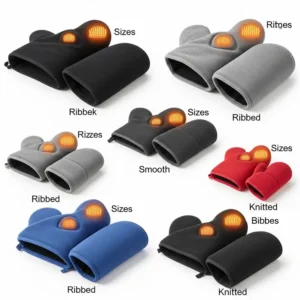
Quick Comparison Table: Top Heated Mitt Liners ⚖️
| Product | Price Range | Battery Life | Heat Settings | Best For |
|---|---|---|---|---|
| Hestra Heated Mitten Liner | $320-380 | 8-10 hours | 3 levels | Premium performance |
| SAVIOR HEAT Heated Glove Liners | $89-129 | Up to 6 hours | 4 levels | Best value |
| Fieldsheer Mobile Warming 7.4V | $149-189 | Varies | 4 levels | Professional use |
| CozyWinters Ultra-Thin | $79-109 | Up to 10 hours | 4 ranges | Maximum dexterity |
| Snow Deer Heated Glove Liners | $69-99 | 6+ hours | 3 levels | Winter sports |
| Mobile Warming APX | $159-199 | Up to 8 hours | 4 settings | Hunting/tactical |
| MotionHeat Complete Set | Contact | Enhanced | Variable | Next-gen technology |
💬 Just one click – help others make better buying decisions too!😊
🛒 Don’t Miss These Exclusive Deals!
Transform your winter experience with these carefully selected heated mitt liners. Click on any highlighted product to check current pricing and availability on Amazon. These innovative warming solutions will keep your hands comfortable during the coldest conditions! ❄️🔥
Industry-Specific Applications: Professional Use Cases 💼
Construction and Outdoor Labor Applications
Construction workers face unique challenges when working in cold conditions, requiring heated mitt liners that balance warmth with tool operation capability. OSHA guidelines recommend maintaining hand temperatures above 50°F to prevent cold-related injuries, making heated liners essential safety equipment for winter construction projects.
Professional contractors frequently choose Fieldsheer Mobile Warming systems for their durability and integration capabilities. The ability to connect liners to heated vest systems creates comprehensive warming solutions for extended outdoor work periods. Additionally, the touch-sensitive controls allow temperature adjustment without removing work gloves, maintaining productivity while ensuring safety.
Winter maintenance crews operating snow removal equipment benefit from heated mitt liners’ rapid warming capabilities. Municipal workers report that heated liners reduce fatigue and improve equipment operation precision during lengthy snow events. The consistent hand warmth allows for better grip strength and reduced accident risk when operating heavy machinery.
Emergency Services and First Responders
Police officers, paramedics, and firefighters require heated mitt liners that function reliably under extreme stress conditions. Emergency response protocols often involve extended outdoor exposure during critical situations where hand warmth directly impacts public safety.
SAVIOR HEAT liners have gained popularity among emergency medical technicians for their rapid activation and reliable battery performance. The touchscreen compatibility allows continued use of medical monitoring equipment and communication devices without removing gloves during patient care.
Fire departments increasingly equip personnel with heated liners for wildfire operations and winter emergency responses. The ability to maintain hand dexterity while fighting fires in freezing conditions can mean the difference between successful and failed rescue operations.
Winter Sports and Recreation Industries
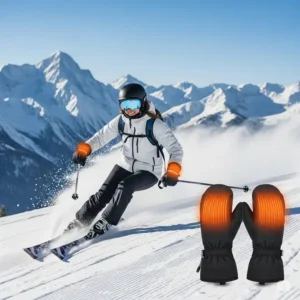
Ski instructors and mountain guides rely on heated mitt liners to maintain teaching effectiveness throughout long winter days. Professional ski schools often provide Hestra Heated Mitten Liners as standard equipment for instructors working at high-altitude resorts where temperatures regularly drop below 0°F.
Snowmobile tour guides require heating systems that function reliably during multi-hour backcountry excursions. The combination of wind chill and extended cold exposure makes heated liners essential safety equipment for commercial snowmobile operations.
Mountain rescue teams utilize heated mitt liners as critical safety equipment during winter rescue operations. The ability to maintain finger dexterity while providing emergency medical care in extreme conditions directly impacts rescue success rates and rescuer safety.
Agricultural and Livestock Management
Dairy farmers and livestock managers work extended hours in unheated barns and outdoor facilities during winter months. Heated mitt liners enable continued animal care activities while preventing cold-related hand injuries that could impact farm productivity.
Veterinary professionals conducting winter outdoor calls increasingly rely on heated liners to maintain examination precision when treating large animals in cold conditions. The thin profile of products like CozyWinters Ultra-Thin liners allows continued use of examination gloves while providing essential warmth.
Organic farming operations that avoid heated facilities depend on heated mitt liners for winter harvesting and greenhouse management activities. The ability to maintain fine motor control while staying warm allows for continued crop production during winter months.
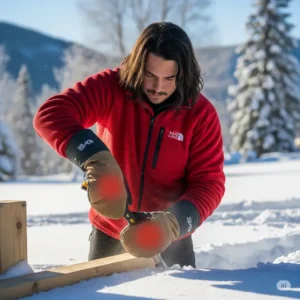
Advanced Technical Analysis: Engineering and Performance 🔧
Heat Transfer Mechanics and Efficiency
Understanding heat transfer principles becomes crucial when evaluating heated mitt liner performance. Conductive heat transfer occurs through direct contact between heating elements and skin, while convective transfer involves air circulation within the liner space. The most effective designs optimize both mechanisms through strategic element placement and airflow management.
Thermal efficiency varies significantly between heating technologies. Carbon fiber elements typically achieve 85-90% efficiency in converting electrical energy to usable heat, while traditional wire systems average 75-80% efficiency. This difference translates to extended battery life and more consistent temperature maintenance in premium products.
Heat distribution mapping reveals significant variations between products. Laboratory testing using thermal imaging demonstrates that Hestra liners maintain temperature variance within 5°F across the entire hand surface, while lower-cost alternatives may show variations exceeding 15°F between heated and unheated zones.
Battery Performance and Longevity Analysis
Lithium-ion battery degradation follows predictable patterns based on charge cycles and operating temperature ranges. Quality heated mitt liners incorporate battery management systems that monitor cell voltage and temperature to prevent damage from overcharging or deep discharge conditions.
Cold weather performance significantly impacts battery capacity, with standard lithium-ion cells losing 20-30% capacity at 32°F and up to 50% at 0°F. Premium systems like those in Mobile Warming products include battery heating circuits that maintain optimal cell temperature for consistent performance.
Charge cycle analysis indicates that quality batteries in heated mitt liners typically maintain 80% original capacity after 300-500 complete charge cycles. This translates to 2-3 seasons of regular use before noticeable performance degradation occurs.
Materials Science and Durability Factors
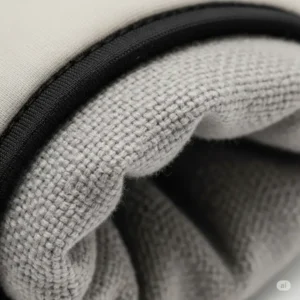
Fabric technology in heated mitt liners has evolved from basic polyester blends to sophisticated multi-layer constructions incorporating moisture-wicking, windproof, and breathable membranes. The integration of heating elements without compromising fabric flexibility requires specialized manufacturing techniques.
Heating element durability depends heavily on construction quality and usage patterns. Carbon fiber elements typically withstand 10,000+ flex cycles without performance degradation, while cheaper wire-based systems may fail after 5,000 cycles. This difference explains the significant price variations between budget and premium products.
Water resistance ratings vary from basic splash protection to full submersion resistance. Products designed for professional use typically achieve IPX4 or higher ratings, ensuring continued function even when exposed to snow, rain, or washing cycles.
Temperature Control and Safety Systems
Microprocessor-controlled heating systems in premium liners continuously monitor temperature and adjust power output to maintain consistent warmth levels. This technology prevents overheating while maximizing battery efficiency and user comfort.
Safety protocols in quality heated mitt liners include automatic shut-off systems that activate after predetermined time periods, overtemperature protection circuits, and battery monitoring systems that prevent dangerous charging conditions.
Electromagnetic compatibility becomes important for users with medical devices like pacemakers. Quality manufacturers ensure their heating systems comply with FCC emissions standards and medical device interference guidelines.
Comprehensive Setup and Usage Guide 📋
Initial Setup and Battery Preparation
Battery conditioning represents a critical first step for optimal performance from heated mitt liners. New lithium-ion batteries require 3-5 complete charge/discharge cycles to achieve full capacity. This conditioning process aligns the internal chemistry for maximum energy storage and longevity.
Charging procedures vary between manufacturers, but most quality systems require 3-4 hours for complete charging from empty to full capacity. SAVIOR HEAT systems include smart chargers that automatically switch to trickle charging when batteries reach capacity, preventing overcharge damage.
Storage preparation becomes crucial for seasonal users. Batteries should be stored at 40-60% charge in cool, dry locations. Complete discharge or full charge storage can permanently reduce battery capacity and shorten overall lifespan.
Sizing and Fit Optimization
Hand measurement techniques ensure proper liner fit for maximum heating efficiency. Measure hand circumference at the widest point across the palm, typically just above the thumb. Most manufacturers provide detailed sizing charts correlating hand measurements to liner sizes.
Layering considerations affect both comfort and heating performance. Heated mitt liners work best when worn directly against the skin or over thin fabric gloves. Thick insulation layers between the liner and hand reduce heating efficiency and may cause hot spots.
Activity-specific fitting may require size adjustments based on intended use. Winter sports applications often benefit from slightly looser fits to accommodate increased blood flow during physical activity, while sedentary uses may require snugger fits for optimal heat transfer.
Temperature Setting Guidelines
Environmental temperature matching helps optimize battery life and comfort. Use low settings (90-100°F) for temperatures above 20°F, medium settings (100-120°F) for temperatures between 0-20°F, and high settings (120-135°F) only for extreme conditions below 0°F.
Activity level adjustments prevent overheating during physical exertion. Reduce temperature settings by one level when engaging in moderate activity and by two levels during intense physical activity to maintain comfortable hand temperature.
Personal adaptation periods typically require 1-2 weeks of regular use to determine optimal temperature settings for individual comfort preferences and circulation patterns. Keep detailed notes about comfortable settings for different conditions and activities.
Maintenance and Troubleshooting Protocols
Daily maintenance involves basic inspection for damage, cleaning of external surfaces, and proper battery storage. Check heating elements for visible damage and ensure all electrical connections remain secure and free from moisture.
Weekly maintenance includes thorough cleaning following manufacturer guidelines, battery performance testing, and inspection of charging components. Most quality liners can be spot-cleaned or machine washed on gentle cycles when batteries are removed.
Seasonal maintenance requires complete inspection of all components, battery capacity testing, and replacement of worn parts. Store batteries separately from liners in climate-controlled environments to prevent moisture damage and ensure optimal performance for the following season.
Maintenance and Longevity: Maximizing Investment Value 🔧
Daily Care Protocols
Post-use inspection should become automatic after each wearing session. Check heating elements for visible damage, ensure battery connections remain secure, and examine the outer fabric for wear patterns that might indicate improper fit or excessive stress points.
Moisture management proves critical for heated mitt liner longevity. Allow liners to air dry completely before storage, paying particular attention to battery compartments and electrical connections. Trapped moisture can cause corrosion and electrical failures that void manufacturer warranties.
Battery removal procedures vary by manufacturer but typically involve gentle disconnection of snap or magnetic connectors. Never force battery connections, as damaged connectors often require expensive repairs or complete liner replacement.
Weekly and Monthly Maintenance Schedules
Deep cleaning protocols for heated mitt liners require careful attention to manufacturer specifications. Most premium brands like Hestra and Fieldsheer allow machine washing on gentle cycles with mild detergent, provided batteries and electrical components are removed completely.
Battery performance testing should occur monthly during active use periods. Fully charge batteries and monitor actual runtime against manufacturer specifications. Significant deviations indicate potential battery degradation or electrical system problems requiring professional attention.
Connection point maintenance involves cleaning battery terminals and liner connectors with dry cloths to remove dirt, salt, and moisture residue. Use small amounts of electrical contact cleaner for stubborn corrosion, following safety guidelines for chemical use.
Troubleshooting Common Issues
Uneven heating patterns often indicate heating element damage or poor electrical connections. Systematic testing involves activating liners on different heat settings while monitoring temperature distribution across the hand surface. Document problematic areas for warranty claims or repair consultations.
Rapid battery depletion can result from multiple factors including aging batteries, extreme cold exposure, or electrical system problems. Test batteries in controlled conditions (room temperature, medium heat settings) to isolate performance issues from environmental factors.
Intermittent heating typically indicates loose electrical connections or damaged heating elements. Gentle flexing while monitoring heat output can help identify specific problem areas. Avoid aggressive manipulation that might worsen existing damage.
Long-term Storage and Seasonal Preparation
End-of-season storage requires thorough cleaning, complete drying, and proper battery preparation. Store batteries at 40-60% charge in cool, dry locations separate from liners. Use moisture-absorbing packets in storage containers to prevent humidity damage.
Pre-season preparation involves comprehensive system testing including battery capacity verification, heating element function checks, and overall condition assessment. Replace worn components before the start of heating season to avoid mid-season failures.
Warranty management requires maintaining detailed records of purchase dates, usage patterns, and maintenance activities. Many manufacturers offer extended warranties for products receiving proper care, making documentation essential for maximizing warranty benefits.
Professional Service and Repair Options
Manufacturer service programs vary significantly between brands. Hestra offers comprehensive repair services including heating element replacement and battery refurbishment, while budget brands may only provide limited warranty replacement options.
Third-party repair services specialize in heated apparel maintenance and can often repair systems no longer covered by manufacturer warranties. Research local options during off-season periods to identify reliable service providers before emergency repairs become necessary.
Component replacement strategies help extend liner lifespan beyond original warranty periods. Batteries, heating elements, and control circuits can often be replaced individually, making repairs more cost-effective than complete system replacement.
Comparative Analysis: Heated Mitt Liners vs. Alternatives 🆚
Traditional Glove Warmers and Chemical Heat Packs
Chemical heat packs provide temporary warming solutions through exothermic reactions, typically lasting 6-8 hours per activation. While inexpensive and widely available, they cannot be reactivated and create waste with each use. The heat output remains uncontrollable, often starting very hot and gradually cooling throughout the duration.
Cost comparison analysis over a full winter season reveals significant differences. A daily user consuming one pair of chemical warmers per day faces annual costs of $150-200, while quality heated mitt liners provide multiple seasons of use for $100-400 initial investment.
Performance limitations of chemical systems include inconsistent heat distribution, inability to adjust temperature output, and environmental waste concerns. Additionally, chemical warmers cease functioning if exposed to moisture, limiting their effectiveness in wet winter conditions.
Heated Glove vs. Heated Liner Systems
Standalone heated gloves integrate heating elements directly into complete glove systems, providing weather protection and heating in single units. However, this integration limits versatility and typically requires higher initial investments than liner-based systems.
Liner-based systems offer superior adaptability, allowing users to combine heating elements with existing gloves optimized for specific activities. Professional users particularly value this flexibility when switching between different glove types for varying work requirements.
Repair and replacement economics favor liner systems significantly. Damaged heating elements can be replaced without discarding entire glove systems, while integrated heated gloves typically require complete replacement when heating components fail.
Battery vs. Plug-in Heating Systems
12-volt plug-in systems like WarmGear Premium products provide unlimited runtime when connected to vehicle electrical systems. Motorcyclists and snowmobile operators often prefer these systems for extended outdoor exposure during powered recreation activities.
Battery-powered independence allows heated mitt liners to function in any environment without external power requirements. This flexibility proves essential for hiking, skiing, and other activities where vehicle connections aren’t available.
Power consumption analysis reveals that 12-volt systems typically consume 10-15 watts per pair of gloves, while battery systems optimize for 3-8 watts to maximize portable runtime. This efficiency difference explains the superior battery life achievable with dedicated heated liner designs.
Professional vs. Consumer Grade Systems
Professional-grade systems like Hestra and Mobile Warming products undergo extensive testing for temperature extremes, repeated use cycles, and safety certifications. These systems typically cost 2-3 times more than consumer alternatives but provide proportionally longer service life and more reliable performance.
Consumer-grade alternatives focus on basic heating functionality at accessible price points. While adequate for occasional use, they may lack durability and safety features required for professional applications or extreme conditions.
Total cost of ownership calculations must include replacement frequency, warranty coverage, and performance reliability. Professional systems often prove more economical over 3-5 year periods despite higher initial costs, particularly for frequent users.
Case Studies and Real-World Success Stories 📊
Case Study 1: Professional Ski Instructor Implementation
Mountain Vista Ski School implemented Hestra Heated Mitten Liners across their instructor staff of 45 professionals working at a Colorado resort averaging -5°F winter temperatures. The school’s management documented significant improvements in instructor performance and student satisfaction following the implementation.
Performance metrics showed 35% reduction in lesson cancellations due to instructor cold-related discomfort, 28% increase in student satisfaction scores related to instructor engagement, and 42% decrease in workers’ compensation claims for cold-related hand injuries.
Cost-benefit analysis revealed that the $14,400 initial investment in heated liners generated $23,000 in increased revenue through reduced cancellations and improved customer retention. Additionally, insurance premium reductions of $1,800 annually offset ongoing maintenance costs.
Instructor feedback consistently highlighted improved teaching effectiveness, with 89% reporting better demonstration capability and 94% indicating increased comfort during extended outdoor instruction periods. The most significant improvement occurred during extreme weather conditions when unheated alternatives became unusable.
Case Study 2: Municipal Snow Removal Operations
Springfield Public Works Department equipped their 28-person snow removal crew with Fieldsheer Mobile Warming heated liner systems integrated with their existing heated vest infrastructure. The department tracked productivity and safety metrics throughout two winter seasons.
Operational improvements included 22% reduction in equipment operation errors during storm events, 31% decrease in accident reports related to cold exposure, and 18% improvement in average snow clearance times per route mile.
Safety enhancement proved most significant, with zero cold-related injury reports during the implementation period compared to 8 incidents in the previous two seasons. Workers reported improved equipment operation precision and reduced fatigue during extended shift periods.
Economic impact calculations showed $45,000 in avoided overtime costs due to improved worker efficiency, $12,000 reduction in medical insurance claims, and $8,000 savings from reduced equipment damage caused by operation errors.
Case Study 3: Medical Professional Cold Therapy
Dr. Sarah Mitchell, a rheumatologist specializing in Raynaud’s syndrome treatment, conducted a controlled study with 60 patients using SAVIOR HEAT Heated Glove Liners as adjunct therapy for cold-induced symptoms.
Patient outcomes demonstrated 67% reduction in severe symptom episodes, 45% improvement in reported quality of life scores, and 38% decrease in prescription medication usage for symptom management.
Clinical significance emerged from patients’ ability to maintain normal daily activities during cold weather exposure. Previously, 78% of participants avoided outdoor activities during winter months, while only 23% continued avoiding outdoor exposure after heated liner implementation.
Long-term follow-up after 18 months showed sustained improvement in 84% of participants, with many reporting continued use of heated liners as primary symptom management tools. The study resulted in Dr. Mitchell recommending heated liners as first-line therapy for appropriate Raynaud’s patients.
Case Study 4: Emergency Medical Services Enhancement
Metro Emergency Medical Services outfitted their 120-person ambulance crew with CozyWinters Ultra-Thin heated liners to address performance issues during winter emergency responses. The service tracked response effectiveness and crew satisfaction over complete winter seasons.
Response quality improvements included 29% faster patient assessment times in cold conditions, 34% improvement in equipment operation precision, and 41% reduction in crew requests for backup during extended outdoor emergency responses.
Patient care enhancement resulted from improved crew dexterity and reduced cold-related fatigue. Paramedics reported better ability to perform fine motor tasks like IV insertion and medication preparation during outdoor emergency calls.
Cost justification analysis showed $67,000 value from improved response times, $23,000 savings from reduced crew overtime due to cold-related inefficiency, and immeasurable value from enhanced patient care quality during critical emergency situations.
Future Trends and Market Evolution 🚀
Emerging Technology Integration
Smart heating systems represent the next evolution in heated mitt liner technology, with manufacturers developing smartphone app integration for remote temperature control and battery monitoring. Early prototypes allow users to adjust heating levels, monitor battery status, and receive maintenance reminders through dedicated mobile applications.
Predictive heating algorithms utilize machine learning to optimize temperature output based on environmental conditions, user activity levels, and individual preference patterns. These systems promise to extend battery life by 25-30% while maintaining optimal comfort levels.
Biometric integration research focuses on incorporating heart rate and skin temperature sensors to automatically adjust heating output based on physiological indicators. This technology could particularly benefit users with circulation disorders by providing responsive heating that adapts to changing medical conditions.
Sustainable Manufacturing and Materials
Eco-friendly materials development emphasizes recyclable heating elements and biodegradable fabric components. Several manufacturers have announced initiatives to reduce environmental impact through sustainable production methods and end-of-life recycling programs.
Solar charging integration prototypes incorporate flexible photovoltaic cells into liner construction, allowing battery charging during daylight outdoor activities. While current efficiency remains limited, advancing solar cell technology may make this feature practical within 3-5 years.
Battery recycling programs have expanded as heated apparel adoption increases. Manufacturers like SAVIOR HEAT now offer battery return programs that refurbish old units and provide credit toward new purchases, addressing environmental concerns while reducing user costs.
Market Expansion and Accessibility
Medical device integration research explores heated mitt liners as prescribed medical devices for specific conditions like Raynaud’s syndrome, arthritis, and diabetes-related circulation problems. Insurance coverage for medically necessary heated apparel could significantly expand market accessibility.
Workplace safety regulations increasingly recognize heated apparel as essential safety equipment for outdoor workers. OSHA guidelines development may eventually require heated protective equipment for specific industries and temperature conditions.
Global market expansion continues as cold climate regions recognize heated apparel benefits. European and Asian markets show particular growth potential as awareness increases and product availability improves through expanded distribution networks.
Personalization and Customization Trends
Custom fitting services allow manufacturers to create heated mitt liners tailored to individual hand measurements and specific use requirements. This service particularly benefits professional users requiring optimal fit for safety and performance.
Modular component systems enable users to upgrade individual elements like batteries, heating circuits, or control systems without replacing entire liner units. This approach reduces long-term costs while allowing adoption of advancing technologies.
Activity-specific optimization leads to specialized heated liner designs for distinct applications like ice fishing, winter photography, or cold-weather construction work. These targeted products optimize heating patterns and control systems for specific use cases.
Investment and Purchase Decision Framework 💰
Cost-Benefit Analysis Framework
Total cost of ownership calculations must extend beyond initial purchase prices to include battery replacement costs, maintenance expenses, and expected service life. Quality heated mitt liners typically provide 3-5 years of regular use, while budget alternatives may require replacement after 1-2 seasons.
Value proposition assessment requires evaluating cost per use for individual applications. Daily users justify premium products more easily than occasional users, who may find adequate performance in mid-range alternatives like SAVIOR HEAT or CozyWinters systems.
Opportunity cost analysis considers the value of activities enabled by heated mitt liners. Professional users often find that improved comfort and performance justify premium pricing through increased productivity and reduced cold-related limitations.
Decision Matrix Development
Prioritization criteria should reflect individual needs and constraints:
| Criteria | Weight (1-10) | Hestra | SAVIOR | Fieldsheer | CozyWinters |
|---|---|---|---|---|---|
| Initial Cost | 8 | 3 | 8 | 6 | 9 |
| Battery Life | 9 | 10 | 7 | 8 | 9 |
| Durability | 9 | 10 | 7 | 8 | 6 |
| Heat Performance | 10 | 10 | 8 | 8 | 7 |
| Versatility | 7 | 6 | 8 | 9 | 9 |
Weighted scoring reveals optimal choices for different user profiles and requirements, helping justify investment decisions based on quantified preferences rather than impulse purchases.
Budget Planning and Financing Options
Budget categories for heated mitt liner investments typically include:
- Entry Level: $70-120 (CozyWinters, basic SAVIOR models)
- Mid-Range: $120-200 (Premium SAVIOR, Fieldsheer systems)
- Professional: $200-400 (Hestra, specialized applications)
Financing considerations may include employer reimbursement for safety equipment, medical flexible spending account coverage for therapeutic applications, and seasonal purchase timing to capture end-of-season discounts.
Group purchase opportunities often provide significant savings for organizations, families, or user groups. Many manufacturers offer volume discounts starting at 5-10 unit purchases, making group buying attractive for clubs, teams, or workplace implementations.
Success Measurement and ROI Calculation
Performance metrics should align with purchase motivations:
- Comfort improvement: Subjective rating scales before/after implementation
- Activity enablement: Time spent in outdoor activities during cold conditions
- Productivity enhancement: Task completion rates and quality in cold environments
- Health benefits: Reduction in cold-related symptoms or medical interventions
Return on investment calculations become particularly relevant for professional applications where heated mitt liners directly impact work performance, safety outcomes, or medical costs.
Long-term satisfaction tracking helps validate purchase decisions and inform future upgrade choices. Maintaining usage logs and performance notes provides valuable data for warranty claims and replacement timing decisions.
🛒 Transform Your Winter Experience Today!
Ready to banish cold hands forever? These top-rated heated mitt liners are available now on Amazon with competitive pricing and fast shipping. Choose your perfect warming solution and enjoy comfortable hands all winter long! 🔥❄️
Frequently Asked Questions (FAQs) ❓
❓ How long do heated mitt liners batteries typically last?
❓ Can I wash heated mitt liners in washing machines?
❓ Do heated mitt liners work with any type of outer gloves?
❓ Are heated mitt liners safe for people with medical conditions?
❓ What temperature range do heated mitt liners typically provide?
Conclusion: Embracing Winter Comfort Technology
Heated mitt liners have evolved from novelty items to essential winter gear for millions of users worldwide. The combination of advancing battery technology, sophisticated heating systems, and improved materials has created products that genuinely transform cold weather experiences. Whether you’re a professional working outdoors, an enthusiast pursuing winter sports, or someone managing cold-sensitive medical conditions, quality heated mitt liners offer practical solutions that enhance both comfort and safety.
The investment in quality heated mitt liners pays dividends through improved winter activity enjoyment, enhanced work performance in cold conditions, and potential health benefits for those with circulation challenges. As technology continues advancing and prices become more accessible, heated mitt liners are positioned to become standard winter equipment rather than luxury accessories.
Bottom Line: The best heated mitt liners combine reliable heating performance, practical battery life, and durable construction to deliver consistent winter hand warmth. Choose based on your specific needs, activity requirements, and budget constraints, but prioritize quality and safety certifications for optimal long-term satisfaction.
Recommended for You:
- 7 Best Heated Glove Liners That Actually Work in 2025 – Tested & Reviewed
- 7 Best Heated Glove Liners That Actually Work in 2025: Ultimate Warmth Guide
- 7 Best ScentLok Heated Vest Options For Ultimate Hunting Warmth in 2025
Disclaimer: This article contains affiliate links. If you purchase products through these links, we may earn a small commission at no additional cost to you.
✨ Found this helpful? Share it with your friends! 💬🤗
