
In This Article
Fingers are the first thing winter takes from you. They sit at the far end of your circulation, they’re thin, and they have almost no mass to hold heat. That’s why a bulky ski mitten can still leave your hands aching by the second lift ride. It’s also why heated glove liners have gone from niche gadget to winter staple.

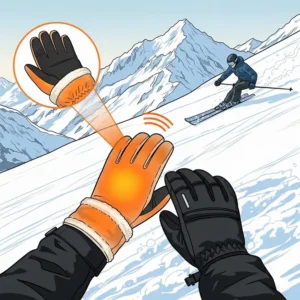
The idea is simple. A slim, stretchy inner glove carries tiny heating elements, a small lithium battery sits at the cuff, and the whole thing slides under the glove or mitten you already own. You get active warmth without paying for an entirely new pair of full heated gloves. Editors at several outdoor publications now single out liners as the smart move for people who want heat and still need to grip a phone, a zipper or a handlebar.
I’ll be straight with you: liners aren’t magic. Government cold-stress guidance from NIOSH says hands, ears, face and feet need protection in extreme cold, and a battery is one tool among several. This guide ranks seven real options for 2026 using published specs and aggregated review sentiment, and it explains what each spec means in practice. Prices below are ranges only, so check current pricing before you buy.
Quick Comparison: Heated Glove Liners at a Glance
| Product | Standout Trait | Power Source | Best For |
|---|---|---|---|
| Savior Heat Rechargeable Glove Liners | Slim and touchscreen-friendly | Two 7.4V Li-polymer packs | Value seekers and daily wear |
| Arcfomor Dragonfly 0.5mm Liners | Ultra-thin profile | Rechargeable battery | Dexterity under snug gloves |
| Gerbing 7V Battery Heated Glove Liner | Waterproof battery pocket, extended gauntlet | 7V Li-polymer | Riders and cold-weather workers |
| ActionHeat 5V Battery Heated Glove Liners | Kit with two batteries and dual charger | Two 5V 3000 mAh packs | Long outings, spare-battery fans |
| Boss Therm Heated Glove Liner | One-size, machine washable | Rechargeable, 2-2.5 hr charge | Tradespeople on a budget |
| Fieldsheer 12V Heated Glove Liner (Mobile Warming) | Runs on vehicle power | 12V harness or dual-power gear | Motorcyclists |
| ORORO Glasgow Heated Liner Gloves | Designed for roomy outer gloves | Rechargeable, 3 settings | Layering under oversized gloves |
Look at this table as a map, not a verdict. Savior Heat and Boss Therm target buyers who want solid warmth without a premium bill, while the Fieldsheer 12V liner trades portability for a nearly endless power supply on a bike. If you already own a good outer glove, the “Best For” column tells you which liner slots in with the least friction.
💬 Just one click — help others make better buying decisions too!😊
What Are Heated Glove Liners?
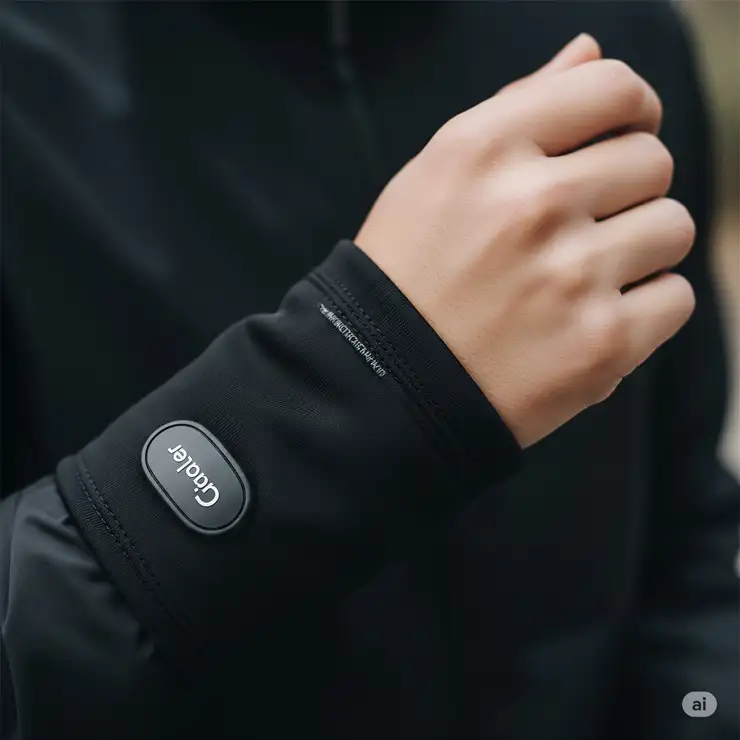
Heated glove liners are thin, stretchy inner gloves with built-in heating elements, powered by a small rechargeable battery at the wrist. They’re worn alone in mild cold or under a ski, work or motorcycle glove in harsher weather, adding adjustable warmth without the bulk of full heated gloves.
That definition hides the real appeal. A regular glove depends on insulation alone, meaning it can only slow heat loss. Liners add a heat source, so they can offset it. Most use three settings, typically a low, medium and high, and the hottest setting drains the battery fastest. Product listings for the models below put element temperatures in roughly the 104-140°F band, which is warm, not toasty-hot.
Top 7 Heated Glove Liners: Expert Analysis
1. Savior Heat Rechargeable Glove Liners — slim, touchscreen-friendly value pick
Editors at Reviewed, SKI and Outdoor Life all flagged Savior Heat as a top liner, and it’s easy to see why. The fabric is a Lycra-and-fleece blend that reads as a thin glove rather than a gadget.
Several versions exist, so read the listing carefully. Common specs include two 7.4V 2,200 mAh lithium-polymer batteries, three heat settings and runtimes quoted anywhere from about 3 to 9 hours, with testers landing around 5-6 hours. Translation: a morning on the slopes, but not a full day on high. Conductive fingertips handle phone screens.
Based on the spec sheet, this is the liner for someone who wants heat without surrendering dexterity. Reviewers consistently praise the slim profile and the ability to layer a work glove over it. A recurring complaint in user reviews is that heat concentrates at the back of the hand and wrist more than the fingertips. One tester noted the trade-off plainly: liners sacrifice some warmth for finesse.
Pros:
- ✅ Thin enough to fit under most gloves
- ✅ Strong touchscreen response for phone use
- ✅ Three heat levels with quick warm-up
Cons:
- ❌ Fingertip heat can feel weaker than wrist heat
- ❌ Runtime varies widely by version and setting
Price range: roughly $70-$130 depending on the version, so check current price. Verdict: the best starting point for most people.
2. Arcfomor Dragonfly 0.5mm Liners — thinnest layer for dexterity-first buyers
At just 0.5mm, the Arcfomor Dragonfly lives up to its delicate name. It was named a top pick for dexterity and layering in a 2026 winter gift guide, designed to go beneath winter, ski, work or motorcycle gloves while keeping finger mobility intact.
Why does thickness matter? A snug outer glove has almost no spare volume. Add a bulky liner and you compress the insulation you already own, and compressed insulation is cold insulation. An ultra-thin liner avoids that trap, so it suits slim leather gloves and fitted work gloves where every millimeter counts.
On paper, this is the one for precision tasks: photographers, mechanics, cyclists. I couldn’t verify a large pool of independent customer reviews for this model, so treat the “great dexterity” claim as the maker’s design intent plus one guide’s endorsement, not a proven consensus. Check battery size and runtime on the current listing before you commit.
Pros:
- ✅ Ultra-thin 0.5mm construction
- ✅ Adjustable warmth for varied conditions
- ✅ Fits inside snug existing gloves
Cons:
- ❌ Limited verifiable review data
- ❌ Thin build usually means modest heat output
Price range: check current price. Verdict: worth a look if tight fit is your main problem.
3. Gerbing 7V Battery Heated Glove Liner — rugged build with a waterproof battery pocket
Gerbing has a loyal following among riders, and this 7V liner shows why. The shell is 92% polyester and 8% spandex, with a waterproof zippered pocket for the lithium-polymer battery, an extended gauntlet and touch-button control across three heat settings.
The extended cuff does real work. It tucks under a jacket sleeve and keeps wind off the wrist, a pulse point that matters when you’re trying to keep blood warm. The sealed battery pocket also means splashes and snow aren’t a worry.
Customer feedback on retailer listings is mixed but informative. Reviewers report roughly 5 hours on medium, though one reviewer reported closer to 2-3 hours. The most repeated complaint is fit: several users describe the liners as snug, with fingers running short. Order using the brand’s size guidance, not your usual glove size.
Pros:
- ✅ Waterproof zippered battery pocket
- ✅ Extended gauntlet blocks wrist drafts
- ✅ Three settings via touch button
Cons:
- ❌ Runs small, with short fingers per some reviewers
- ❌ Runtime inconsistent across reported experiences
Price range: sits toward the premium end of liners, so check current price. Verdict: good for riders and workers, provided the fit works for you.
4. ActionHeat 5V Battery Heated Glove Liners — complete kit with spare power
The ActionHeat 5V package includes two liners, two rechargeable 5V 3,000 mAh batteries and a 24-inch dual-battery charger. Everything arrives in one box, which is a convenience a lot of competitors skip.
Here’s what that 3,000 mAh figure means in practice: larger capacity can mean longer runtime, though runtime depends on setting and temperature. The catch is size. The battery packs sit at the cuff and make the gauntlet chunky.
Retailer reviews average above four stars. One owner who used them a full Minnesota season said they keep hands warm even alone, then listed the nitpicks: bulky cuffs bunch against a wristwatch, and the power button hides beneath outer layers. Others complained that fingers are short and that battery life disappointed them. If your outer glove is already snug, expect it to get tighter.
Pros:
- ✅ Two batteries and dual charger included
- ✅ Thin enough to wear alone in a pinch
- ✅ Works with a wide choice of outer gloves
Cons:
- ❌ Bulky battery gauntlet near the wrist
- ❌ Some reviewers report short fingers and weak battery life
Price range: mid-range to upper-mid for a full kit, so check current price. Verdict: strong for long days where a spare battery matters.
5. Boss Therm Heated Glove Liner — washable work-friendly budget option
The Boss Therm is the no-nonsense choice, built from soft four-way-stretch nylon in a single size, with three heat settings and a heating element on the back of the hand. Charge time runs about 2-2.5 hours, and both battery packs can charge simultaneously.
Here’s the part tradespeople will love: it’s machine washable on a gentle cycle, which beats hand-washing a work-grimed liner. One-size stretch fit also means fewer sizing gambles, though very large or very small hands may find the fit less forgiving.
Retailer listings show ratings in the mid-4-star range at the time of research, but some reviews were collected through promotions, so weigh them with that in mind. Common themes: quick heat-up, a comfortable snug fit and adjustable temperature. Battery life draws a lukewarm response, with one reviewer calling it just okay but acceptable at the price.
Pros:
- ✅ Machine washable for dirty jobs
- ✅ Dual battery packs charge together
- ✅ Heats up quickly under a work glove
Cons:
- ❌ Battery life described as merely adequate
- ❌ One-size stretch may not suit extreme hand sizes
Price range: around $80, so check current price. Verdict: sensible value for daily work wear.
6. Fieldsheer 12V Heated Glove Liner (Mobile Warming) — vehicle-powered for riders
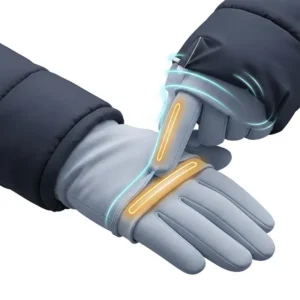
The Fieldsheer 12V takes a different path. Instead of battery packs, it runs off a motorcycle’s 12-volt system through an included Y-harness, or from compatible dual-power jackets and vests. It uses ultra-thin stretch polyester, offers four selectable heat settings, supports touchscreens and places heat around the outer perimeter of the fingers.
The upside is obvious: no cuff batteries to bulk up, and heat that lasts as long as the engine runs. The downside is just as obvious: you’re tethered to the vehicle, so it makes little sense for hiking or shoveling snow.
I couldn’t find a deep pool of independent consumer reviews for this specific liner, so this is analysis based on the design. One retailer listing marked a Mobile Warming version as discontinued, so verify current availability before buying. For motorcyclists who already run heated gear off the bike, it can make sense.
Pros:
- ✅ Four heat settings with in-cuff control
- ✅ No wrist battery bulk
- ✅ Slim fit under existing motorcycle gloves
Cons:
- ❌ Needs a 12V bike or compatible dual-power gear
- ❌ Limited verifiable review data and availability
Price range: around the $100 mark, so check current price. Verdict: a specialist pick for riders.
7. ORORO Glasgow Heated Liner Gloves — made for roomy outer gloves
ORORO Glasgow is the premium-feeling entry. ORORO describes heat across the back of the hand and along the finger edges, with high, medium and low settings on a glove-mounted button, plus a size calculator that uses hand measurements.
A comparison article specifically flagged the ORORO Glasgow as best for people who already own a roomy ski or work glove, noting it needs a compatible outer glove with layering space. That caveat matters: squeeze it into a snug glove and you’ll lose warmth.
Reviews on the brand’s own page praise it as the best of several brands tried, though they call it expensive. Brand-site reviews lean positive, so view them as one data point.
Pros:
- ✅ Three settings via simple button
- ✅ Sizing calculator reduces guesswork
- ✅ Comfortable for loose outer gloves
Cons:
- ❌ Needs room in the outer glove
- ❌ Considered pricey by at least one reviewer
Price range: toward the premium end, so check current price. Verdict: great if your outer gloves are generous.
Top 7 Heated Glove Liners Compared: Specs and Value
| Product | Power | Settings | Reported Runtime | Price Range | Best For |
|---|---|---|---|---|---|
| Savior Heat | Two 7.4V 2,200 mAh | 3 | About 3-9 hrs (testers: 5-6) | $70-$130 | All-round value |
| Arcfomor Dragonfly | Rechargeable | Adjustable | Check listing | Check current price | Thin, snug layering |
| Gerbing 7V | 7V Li-polymer | 3 | About 2-5 hrs (reviewers) | Premium-leaning | Riders, workers |
| ActionHeat 5V | Two 5V 3,000 mAh | Multiple | Mixed reviews | Mid to upper-mid | Spare-battery users |
| Boss Therm | Rechargeable, 2-2.5 hr charge | 3 | “Okay” per reviewers | Around $80 | Budget work wear |
| Fieldsheer 12V | 12V vehicle | 4 | Runs while powered | Around $100 | Motorcyclists |
| ORORO Glasgow | Rechargeable | 3 | Check listing | Premium-leaning | Roomy outer gloves |
Runtimes above come from listings and reviewers, not independent lab tests. Looking at the table, the Savior Heat offers the broadest balance of price, slimness and heat. If battery capacity is your priority, the ActionHeat 5V kit gives you the most spare power in the box. Riders should skip straight to the Fieldsheer 12V, since an engine-fed system sidesteps the runtime question entirely.
How to Choose Heated Glove Liners
Choosing well comes down to a handful of decisions. Walk through them in order.
- Check your outer glove’s fit first. If it’s already snug, pick the thinnest option. If it’s roomy, you have more freedom.
- Decide how much runtime you need. Remember that high settings drain batteries fast, so plan for the medium setting on long days.
- Match the power source to your activity. Cuff batteries suit hiking and skiing, while 12V systems suit motorcycles.
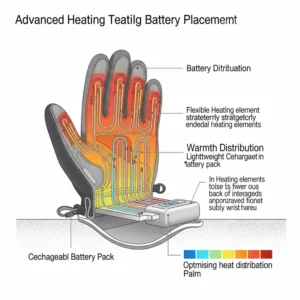
- Look at where the heat sits. Elements along the back of the hand warm blood circulating to the fingers, but fingertips need dedicated heat to feel it.
- Confirm touchscreen compatibility if you’ll use a phone often.
- Measure your hands. Several reviewers complain about short fingers, so use the size chart, not your usual glove size.
- Check care instructions. Washability varies widely, and it matters for work use.
Think of it like buying shoes: the fanciest tech means nothing if it pinches.
Features That Actually Matter (And Those That Don’t)
Features worth paying for: Thin construction, reliable fit, a battery you can swap or recharge easily, and three well-spaced heat settings. These decide whether you’ll actually wear the liners.
Features that matter less: Marketing claims about heat-up in seconds. Real-world warmth depends far more on the glove over the liner and on how long the battery lasts. Likewise, a long list of heat levels adds little if two settings feel identical.
Features that sneak up on you: The location of the power button, because a hidden control gets annoying fast, and cuff bulk if you wear a watch. Reviewers of several liners mentioned both.
An honest rule of thumb: fit and battery come first, style comes last.
✨ Don’t Miss These Exclusive Deals!
🔍 Take your winter warmth to the next level with these carefully selected heated glove liners. Click on any highlighted product to check current pricing and availability. These picks will help you enjoy cold-weather days with comfortable, steady heat!
Heated Glove Liners vs Heated Gloves vs Regular Liners
| Option | Warmth | Dexterity | Cost | Best For |
|---|---|---|---|---|
| Heated glove liners | Active heat, adjustable | High | Moderate | Upgrading gloves you own |
| Full heated gloves | Active heat plus insulation | Lower (bulkier) | Higher | Extreme cold, one-glove simplicity |
| Regular liners (silk, merino) | Passive only | Highest | Low | Mild cold and moisture wicking |
Product testing lists put full heated gloves from roughly the mid-$300s up into the mid-$500s, while the top-rated liner in one of those lists landed around $125. That gap is the whole argument for liners: you keep your favorite outer glove, fix a cold-hands problem, and spend a fraction. The trade-off is that liners alone can’t match a purpose-built heated ski glove in the coldest conditions. A Savior Heat liner under a good shell can bridge most of that gap, though, and reviewers of heated liners describe them as a flexible middle ground.
Heated Glove Liners for Raynaud’s and Cold-Sensitive Hands
If your fingers go white or blue in the cold, you may be dealing with Raynaud’s phenomenon, in which blood vessels narrow and limit circulation to the hands. The NIAMS health page explains the condition, and a doctor is the right person to confirm it.
For people managing cold-triggered symptoms, general advice is to keep hands warm and avoid cold exposure. Heated glove liners can be one part of that, because they add warmth under your usual gloves. One health encyclopedia notes that gloves worn under mittens keep hands warmer than gloves alone, which is exactly the layering that liners enable.
Two cautions. First, heated liners are not a medical treatment, and nobody should promise they will prevent an attack. Second, with reduced sensation, you may not feel a problem coming, so don’t rely on feel alone. Choose a model with gentle, adjustable settings such as Boss Therm or Savior Heat, keep to the low setting at first, and check your skin regularly. If you have circulation issues, ask your doctor before relying on any heated product.
Practical Usage Guide: Your First 30 Days With Heated Glove Liners
Week one: charge and test indoors. Fully charge the batteries, run each heat setting for a few minutes and note how warm each feels. Do this before your first cold outing.
Layer in the right order. One guide suggests a thin merino liner, then your heated liners, then a waterproof shell. That sequence wicks sweat, adds heat, then blocks wind and moisture.
Preheat on low. Start on low a few minutes before heading out, then move up only if needed. This stretches runtime considerably.
Charge smartly. Keep charging to moderate temperatures, as fire officials advise avoiding charging below 32°F or above 105°F. Use the supplied charger and never charge on a bed or sofa.
Wash with care. Follow the maker’s instructions. Boss Therm is machine washable on a gentle cycle, while others call for hand washing, and the batteries come out before any wash.
Common first-month mistakes: buying too small, leaving the heat on high all day, and forgetting a backup plan if the battery dies.

Real-World Scenarios: Which Pair Fits Your Winter?
The commuting cyclist or college student. Say you pedal 8 miles each morning in 25°F air with thin gloves. Handlebar grip and phone access matter, so a slim, touchscreen-friendly liner such as Savior Heat makes sense, and its roughly 5-6 hour tested runtime comfortably covers a commute plus a campus day. Budget: under $130.
The weekend skier. You already own good shells but get cold on chairlifts. A liner under your existing glove saves hundreds compared with new heated gloves. Choose an ultra-thin option like Arcfomor Dragonfly if your gloves are snug, or the ORORO Glasgow if they’re roomy. Plan for medium heat and a spare battery.
The motorcyclist or tradesperson. Long rides at highway speed punish wrists and fingers. A bike owner with a 12V system gets steady heat from the Fieldsheer 12V. A job-site worker who needs washable gear should look at Boss Therm, while someone wanting spare batteries should consider ActionHeat 5V or Gerbing 7V.
Problem and Solution Guide: Common Heated Glove Liners Complaints
Problem: fingertips still feel cold. Some reviewers say heat concentrates in the wrist or back of the hand. Solution: size correctly so fingers reach the heated edges, use a snug outer layer, and consider a mitten shell, because mittens share finger warmth.
Problem: battery dies early. Cold slows the chemistry in lithium cells, so runtime drops outdoors. Solution: use low or medium, keep spare batteries in an inner pocket close to your body, and charge fully the night before.
Problem: the fit is too tight. Several buyers describe liners as snug with short fingers. Solution: use the size calculator and consider sizing up in your outer glove.
Problem: a bulky cuff clashes with a watch or sleeve. Solution: wear the watch over the outer layer or pick a lower-profile option.
Problem: numbness despite heat. Warm elements don’t guarantee safety. Frostbite is tissue freezing, and the Wikipedia overview of frostbite outlines the stages. If skin turns white, waxy or numb, get out of the cold.
Common Mistakes When Buying Heated Glove Liners
The first and biggest mistake is ignoring size. Because liners compress insulation, a half-size error can ruin warmth, and reviews for Gerbing 7V and ActionHeat 5V both flagged fit.
Second, chasing runtime claims. Listings quote the best case, often on the lowest setting. Testers of Savior Heat landed at 5-6 hours, below the top-end 9-hour listing.
Third, buying a liner when you really need a mitten. If your fingers are cold-sensitive, mittens plus a liner beat gloves plus a liner.
Fourth, forgetting the outer glove. A liner under a thin, leaky shell loses heat to the wind, so pair it with something windproof.
Fifth, trusting rating averages blindly. Some reviews for budget models are incentivized or collected through promotions, so read the written complaints, not just the stars.
Long-Term Cost and Maintenance
Heated glove liners reward patient owners. Because they use lithium batteries, capacity gradually fades over many charge cycles, so expect the first few seasons to feel best. Treat the battery as the consumable part.
Cost-per-use is where liners win. At roughly $70-$130 for a mainstream pair, a liner worn 40 days a winter costs a few dollars a day in year one and less afterward. Compare that with the several hundred dollars full heated gloves can cost.
Keep batteries in a cool, dry spot, away from flammable items, and store them partly charged over summer. Inspect packs regularly for swelling, leaks or odd smells, and retire any that look damaged. Hand-wash or machine-wash according to the label, as Boss Therm allows, and let liners air dry fully.
Safety Guide: Batteries, Cold and Common Sense
Lithium-ion batteries are safe when handled correctly and risky when abused. A Washington State Patrol fire marshal notice cites federal data showing more than 25,000 fire or overheating incidents involving lithium-ion batteries between 2017 and 2022, and gives practical advice:
- Use the charger that came with the device.
- Unplug when full.
- Avoid charging on beds or sofas.
- Charge only in moderate temperatures, not below 32°F or above 105°F.
Never use a swollen or damaged pack. Buy from sellers with clear safety and warranty information.
Then there’s the cold itself. Heated liners reduce risk but don’t remove it. Keep an eye out for numbness and color changes, take warm-up breaks, and don’t skip proper outer layers. If you have a circulation condition, talk to your doctor.
Frequently Asked Questions About Heated Glove Liners
❓ How long do heated glove liners last on one charge?
❓ Can you wear heated glove liners under mittens?
❓ Are heated glove liners washable?
❓ Are heated glove liners better than heated gloves?
❓ Can I bring heated glove liners on a plane?
Conclusion
Winter doesn’t have to be a negotiation with your own fingers. Heated glove liners give you adjustable warmth in a thin layer, work with the gloves you already love, and cost far less than a full set of heated gloves.
For most people, Savior Heat is the best place to start thanks to its slim fit, three settings and touchscreen response. Boss Therm is the practical pick for washable work wear. ActionHeat 5V suits long days with spare power, and Gerbing 7V suits riders who want a waterproof battery pocket and a long cuff. Arcfomor Dragonfly is the thin-glove specialist, ORORO Glasgow is the choice for roomy outer gloves, and the Fieldsheer 12V is for bikers with vehicle power.
Remember the basics: size carefully, charge safely, layer smartly, and listen to your hands. If your skin turns numb or waxy, no battery will save you from heading indoors.
✨ Don’t Miss These Exclusive Deals!
🔍 Ready to stop dreading cold mornings? Click any highlighted product above to check current pricing and availability, and pick the liner that fits your gloves, your budget and your winter. Warm hands are closer than you think! 🔥🧤
Recommended for You
- 7 Best ScentLok Heated Vest Options For Ultimate Hunting Warmth in 2025
- 7 Best Women’s Milwaukee Heated Vest Options For Ultimate Winter Warmth in 2025
- 7 Best Heated Hunting Vest Options That Actually Work in 2025
Disclaimer: This article contains affiliate links. As an Amazon Associate, I earn from qualifying purchases. If you purchase products through these links, we may earn a small commission at no additional cost to you.
✨ Found this helpful? Share it with your friends! 💬🤗
