
In This Article
✨Was this helpful? Spread the word! 🚀
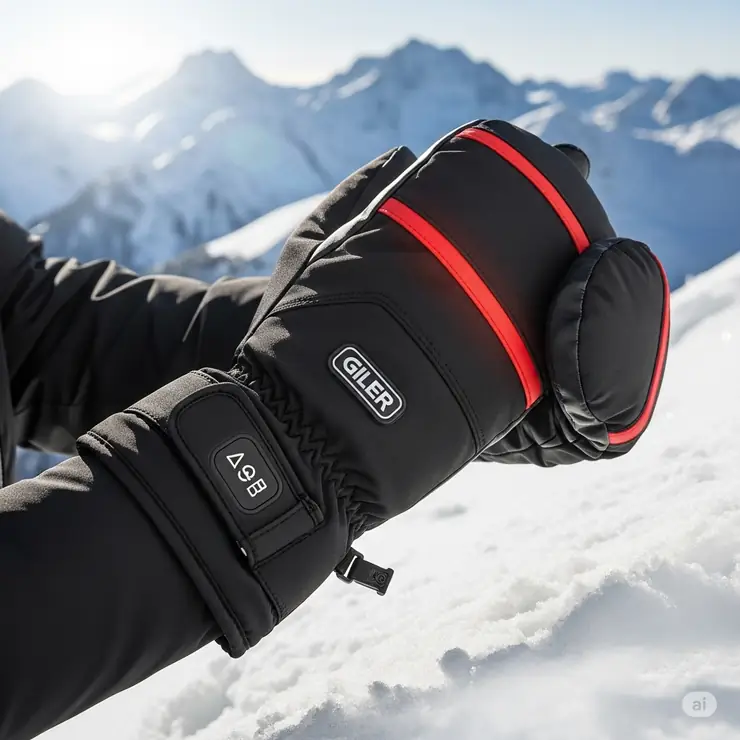
Picture this: you’re halfway down a pristine slope, the powder spraying behind you like confetti, when suddenly your fingers feel like icicles. Your grip weakens, your confidence wavers, and what should be pure joy becomes an endurance test against the cold. I’ve been there more times than I care to admit, and that’s exactly why I’ve spent countless hours researching, testing, and comparing the best heated ski mittens on the market.
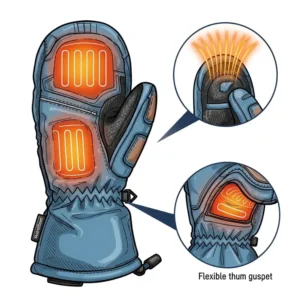
The game-changer? Heated ski mittens. These aren’t just your regular winter gloves with a fancy price tag – they’re sophisticated pieces of wearable technology that can transform your winter experience from survivable to absolutely phenomenal. Whether you’re battling the frigid temperatures of Vermont’s backcountry or dealing with poor circulation that makes even mild cold unbearable, the right heated mittens can keep you on the slopes longer and make every run more enjoyable.
Why Heated Ski Mittens Are Revolutionary ❄️
Traditional mittens rely solely on insulation and your body’s natural heat generation. But here’s the thing – when you’re skiing, your body prioritizes warming your core and vital organs, leaving your extremities to fend for themselves. This is where heated ski mittens step in as your personal hand-warming heroes.
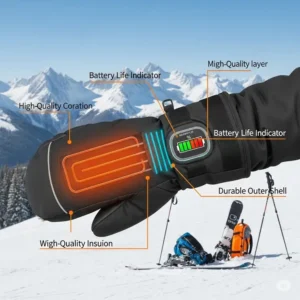
The science behind these marvels is fascinating yet simple. Built-in heating elements, typically made of ultra-fine carbon fibers or microwire technology, create gentle warmth that circulates throughout your hands. Powered by rechargeable lithium-ion batteries, they provide consistent heat for hours, ensuring your dexterity and comfort remain intact throughout your entire ski day.
But what makes heated mittens for skiing superior to regular heated gloves? The mitten design allows your fingers to share warmth while maintaining the heating efficiency that separate finger compartments simply can’t match. It’s like having a tiny, portable heating system wrapped around each hand.
Top 7 Heated Ski Mittens: Comprehensive Product Reviews 🥇
1. Snow Deer Heated Ski Mittens – Best Overall Value
The Snow Deer Heated Ski Mittens have earned their reputation as Amazon’s Choice for good reason. These 7.4V powerhouses deliver exceptional performance at a price point that won’t break the bank.
Key Specifications:
- Battery: 7.4V 2200mAh lithium-ion (2 batteries included)
- Heat Duration: Up to 6.5 hours on low, 3.5 hours on medium, 2 hours on high
- Temperature Range: Up to 150°F (65°C) on high setting
- Price Range: $129-149 on Amazon
- Warranty: 1-year manufacturer warranty
What Makes Them Special: These mittens feature far-infrared fiber heating elements that cover the entire back of your hand and extend to all fingertips. The interior design is particularly clever – it includes individual finger compartments inside the mitten shell, giving you the warmth benefits of mittens with some of the dexterity advantages of gloves.
The touchscreen-compatible thumb design lets you operate your smartphone without removing the mittens, while the soft sheep leather palm provides excellent grip for ski poles. The heating elements heat up in under 30 seconds, and the three temperature settings are easily controlled via LED indicators.
Real User Experiences: Based on Amazon reviews, users consistently praise these mittens for their reliability and warmth distribution. One verified buyer mentioned using them during a week-long ski trip in temperatures ranging from 5°F to 25°F, never running out of battery during a full day on the slopes.
2. Gerbing Gyde S7 Leather Heated Mittens – Premium Performance
For those seeking luxury and uncompromising performance, the Gerbing Gyde S7 Leather Heated Mittens represent the pinnacle of heated mitten technology.
Key Specifications:
- Battery: 7V 3400mAh lithium-ion (2 batteries included)
- Heat Duration: Up to 8 hours on 25% heat, 5 hours on 50%, 3 hours on 75%, 2 hours on maximum
- Construction: Waterproof goatskin leather with AQUATEX membrane
- Price Range: $250-300
- Warranty: 1-year limited warranty
What Sets Them Apart: Gerbing’s patented Microwire heating system is composed of thousands of conductive filaments, each 1/10th the thickness of human hair. This creates incredibly even heat distribution without hot spots or cold zones. The sophisticated power management system automatically optimizes warmth and battery life.
The construction quality is exceptional – genuine goatskin leather outer shell with chamois thumb, waterproof AQUATEX membrane, and premium insulating glove liners included. The Cyberian Cordloc system ensures a secure, custom fit that prevents heat loss.
Professional Applications: These mittens are trusted by professional ski instructors and mountain rescue teams who spend entire days in harsh conditions. The four heat settings allow precise temperature control, while the premium leather construction provides durability that can withstand years of heavy use.
3. Savior Heat Heated Ski Mittens – Best Three-Finger Design
The Savior Heat Heated Ski Mittens offer a unique three-finger design that bridges the gap between gloves and traditional mittens.
Key Specifications:
- Battery: 7.4V 2200mAh lithium-ion
- Heat Duration: Up to 6 hours on low, 3 hours on medium, 2 hours on high
- Design: Split-finger style with separate index finger
- Price Range: $120-140
- Special Features: UL/CE certified batteries
Innovative Design Elements: The split-finger design separates your index finger while keeping the middle, ring, and pinky fingers together. This configuration provides enhanced dexterity for tasks like adjusting bindings or operating lift tickets while maintaining the superior warmth of a mitten design.
The heating elements use far-infrared technology and cover the back of the hand extending to all fingertips. The soft lambskin leather palm provides excellent grip, while the water-resistant polyester back ensures protection from the elements.
Customer Feedback Analysis: Users particularly appreciate the balance between warmth and functionality. The three-finger design allows for better manipulation of equipment compared to traditional mittens, making these ideal for snowboarders and skiers who frequently need to adjust gear.
4. Ororo Amsterdam Heated Mittens 2.0 – Advanced Carbon Fiber Technology
The Ororo Amsterdam Heated Mittens 2.0 showcase cutting-edge heating technology with their U-shaped carbon fiber elements.
Key Specifications:
- Battery: 7.4V rechargeable lithium-ion
- Heat Duration: Up to 8.5 hours continuous warmth
- Construction: Taslan fabric exterior, soft goatskin palm
- Insulation: 3M Thinsulate for bulk-free warmth
- Price Range: $150-170
Technology Innovation: The U-shaped carbon fiber heating elements provide comprehensive hand coverage, wrapping from the back of hands to the front of each finger. This design ensures maximum heat distribution and eliminates cold spots that plague many competing products.
The split-finger interior construction enhances dexterity while maintaining mitten-level warmth. The 3-piece cutting design (fingers, palm, wrist) combined with ergonomic pre-curved shaping creates a superior fit that enhances both comfort and performance.
Durability and Comfort: The Taslan fabric exterior offers excellent water resistance and wind protection, while the 3M Thinsulate insulation provides warmth without bulk. The soft goatskin palm ensures long-lasting durability and maintains grip even in wet conditions.
5. Fieldsheer Storm Heated Mittens – Professional-Grade Durability
The Fieldsheer Storm Heated Mittens are engineered for extreme conditions and professional outdoor use.
Key Specifications:
- Battery: 7.4V 2000mAh split-pack design
- Heat Duration: Up to 8 hours on single charge
- Construction: 500 Denier Poly-Oxford outer, 100% polyester fleece liner
- Technology: Mobile Warming Technology
- Price Range: $180-220
Professional Features: The Mobile Warming Technology provides four distinct heat settings with integrated touch controls. The split-pack battery design reduces weight in each individual mitten while delivering all-day warmth and protection.
The 100% waterproof construction with reinforced palm and rugged wrist cinch closure ensures these mittens can withstand the harshest conditions. The non-slip silicon palm provides excellent grip for ski poles and other equipment.
Built for Extreme Conditions: These mittens are designed for black diamond slopes, backcountry powder, and professional applications. The 500 Denier Poly-Oxford outer shell provides exceptional durability, while the double-sided fleece liner ensures comfort during extended wear.
6. Hestra Power Heater Gauntlet Mittens – Swedish Premium Craftsmanship
The Hestra Power Heater Gauntlet Mittens represent traditional Scandinavian craftsmanship enhanced with modern heating technology.
Key Specifications:
- Construction: Hestra Flextron softshell with impregnated goat leather palm
- Heat Duration: Low: 8-10 hours, Medium: 4-5 hours, High: 2 hours
- Technology: Integrated heating loops with USB rechargeable batteries
- Price Range: $400-450
- Heritage: Handmade in Sweden since 1936
Craftsmanship Excellence: Each mitten is handmade by experienced European glove makers using time-tested techniques. The Hestra Flextron softshell provides 4-way stretch durability, while the impregnated goat leather palm offers enhanced grip and longevity.
The integrated CZone waterproof membrane keeps hands dry while allowing moisture vapor to escape. The heating loops wrap around fingers and thumb, providing comprehensive warmth coverage with three adjustable heat settings.
Investment Quality: While these represent a significant investment, the build quality and materials justify the cost for serious skiers. The heating system is designed for long-term reliability, and Hestra’s reputation for durability means these mittens can last for many seasons with proper care.
7. ActionHeat 5V Battery Heated Mittens – Budget-Friendly Innovation
The ActionHeat 5V Battery Heated Mittens offer solid performance at an accessible price point.
Key Specifications:
- Battery: 5V 3000mAh rechargeable power banks
- Heat Duration: Up to 5+ hours continuous use
- Temperature: Maximum 140°F (60°C)
- Price Range: $89-129
- Features: Touch-button technology with 3 heat settings
Value Engineering: These mittens prove that effective heating technology doesn’t require a premium price tag. The 5V power system provides reliable warmth while maintaining compatibility with standard USB charging systems.
The heating elements are strategically positioned along fingers and thumbs, ensuring comprehensive heat circulation. The lightweight textile construction provides comfort without bulk, while the extended gauntlet design accommodates various wrist sizes.
User-Friendly Features: The touch-button control system offers three easy-to-use heat settings with LED indicators. The slim battery design fits into discrete pockets on the extended gauntlet, maintaining comfort and mobility.
Comparison Table: Key Specifications at a Glance
| Model | Battery | Heat Duration | Price Range | Best For |
|---|---|---|---|---|
| Snow Deer | 7.4V 2200mAh | 2-6.5 hours | $129-149 | Overall value and performance |
| Gerbing Gyde S7 | 7V 3400mAh | 2-8 hours | $250-300 | Premium quality and durability |
| Savior Heat | 7.4V 2200mAh | 2-6 hours | $120-140 | Enhanced dexterity |
| Ororo Amsterdam 2.0 | 7.4V | Up to 8.5 hours | $150-170 | Advanced technology |
| Fieldsheer Storm | 7.4V 2000mAh | Up to 8 hours | $180-220 | Professional use |
| Hestra Power Heater | USB rechargeable | 2-10 hours | $400-450 | Premium craftsmanship |
| ActionHeat 5V | 5V 3000mAh | 5+ hours | $89-129 | Budget-conscious buyers |
🛒 Don’t Miss These Exclusive Deals!
Transform your winter skiing experience with these carefully selected heated mittens. Click on any highlighted item to check current pricing and availability. These premium hand warming solutions will keep you comfortable and confident on the slopes all season long! ⛷️❄️

💬 Just one click – help others make better buying decisions too!😊
Industry-Specific Applications and Use Cases 🏔️
Professional Ski Industry Applications
Heated ski mittens have become essential equipment across various professional sectors within the ski industry. Ski instructors who spend 6-8 hours daily on the slopes rely on heated mittens to maintain dexterity and comfort throughout their teaching sessions. The ability to demonstrate proper pole planting techniques and assist students with equipment adjustments requires hands that remain warm and functional in sub-zero temperatures.
Mountain rescue teams operating in extreme alpine conditions depend on heated mittens for life-saving operations. When conducting emergency evacuations or providing medical assistance in remote locations, rescuers need equipment that performs reliably in temperatures that can drop below -20°F. The consistent warmth provided by heated mittens ensures rescue personnel can maintain fine motor control necessary for rope work, medical procedures, and equipment operation.
Professional ski patrol members use heated mittens during their daily safety sweeps and emergency response duties. These professionals often work in exposed areas with high wind exposure, where traditional insulation alone proves insufficient. The extended battery life of quality heated mittens allows patrol members to complete full shifts without compromising hand warmth or functionality.
Competitive Skiing and Snowboarding
Elite athletes in competitive skiing and snowboarding face unique challenges that heated mittens help address. During training sessions that can last several hours in harsh conditions, maintaining optimal hand temperature is crucial for performance and safety. Alpine ski racers, who need precise pole timing and edge control, benefit from the consistent warmth that prevents the loss of fine motor control that comes with cold-induced numbness.
Freestyle skiers and snowboarders, who perform complex maneuvers requiring exceptional grip strength and control, rely on heated mittens during extended practice sessions. The ability to maintain hand flexibility and strength throughout training sessions allows athletes to push their limits without being constrained by weather conditions.
Recreational and Tourism Applications
Ski resort operators increasingly recommend heated mittens to visitors from warmer climates who may lack experience with extreme cold-weather skiing. These tourists often underestimate the impact of sustained cold exposure on their skiing enjoyment and safety. Resort equipment rental shops now stock heated mittens as premium options for guests seeking maximum comfort during their mountain vacation.
Photography and videography professionals working in ski environments rely on heated mittens to maintain camera operation capabilities in extreme cold. The ability to operate camera controls and change equipment settings while keeping hands warm is essential for capturing high-quality winter sports content.
Medical and Therapeutic Applications
Individuals with medical conditions affecting circulation, such as Raynaud’s disease, arthritis, or diabetes-related circulation issues, find heated mittens essential for participating in winter sports. These conditions can make traditional cold-weather activities dangerous or impossible, but heated mittens provide the additional warmth necessary for safe participation.
Physical therapists working with patients recovering from hand or arm injuries often recommend heated mittens as part of therapeutic outdoor activities. The gentle, consistent warmth can help maintain joint flexibility and reduce stiffness during rehabilitation exercises conducted in cold environments.
Commercial and Industrial Applications
Ski area maintenance crews working on lift operations, snowmaking, and grooming equipment rely on heated mittens for winter-long outdoor work. These professionals often work in pre-dawn hours when temperatures are at their lowest, and mechanical work requires precise hand movements that are impossible with numb fingers.
Construction and utility workers operating in ski resort areas during winter months use heated mittens to maintain productivity and safety standards. The ability to operate tools and equipment safely in extreme cold is crucial for projects that must continue regardless of weather conditions.

Advanced Technical Analysis and Innovation Trends 🔬
Heating Element Technology Evolution
The core technology behind heated ski mittens has evolved dramatically over the past decade. Early models relied on simple resistance wire heating elements that created hot spots and provided uneven warmth distribution. Modern heated mittens utilize advanced materials including carbon fiber filaments, microwire technology, and far-infrared fibers that provide more uniform heat distribution.
Carbon fiber heating elements, found in premium models like the Ororo Amsterdam 2.0, consist of thousands of ultra-fine carbon filaments woven into fabric substrates. These elements heat rapidly and provide consistent warmth while remaining flexible and durable. The carbon fiber’s inherent properties allow for quick heat-up times, often reaching operating temperature within 30 seconds of activation.
Microwire technology, pioneered by companies like Gerbing, incorporates stainless steel fibers thinner than human hair into waterproof coatings. This technology provides exceptional durability and heat distribution while maintaining flexibility. The microscopic wire diameter ensures even heat spread without creating pressure points or hot spots that can cause discomfort or damage to the mitten materials.
Far-infrared heating elements represent the latest advancement in heated mitten technology. These elements emit infrared radiation that penetrates deeper into tissue, providing a more natural heating sensation that closely mimics radiant body heat. This technology is particularly beneficial for individuals with circulation issues, as it can help stimulate blood flow in addition to providing surface warmth.
Battery Technology and Power Management
Modern heated ski mittens benefit from significant advances in lithium-ion battery technology. Current battery systems offer improved energy density, longer life cycles, and better cold-weather performance compared to earlier models. The shift from 3.7V to 7.4V systems in many premium mittens provides increased power output while maintaining compact battery sizes.
Smart power management systems now monitor battery status, ambient temperature, and heating element performance to optimize power consumption. These systems automatically adjust heating output based on external conditions, extending battery life while maintaining consistent comfort levels. Some advanced models feature app connectivity that allows users to monitor battery status and adjust settings remotely.
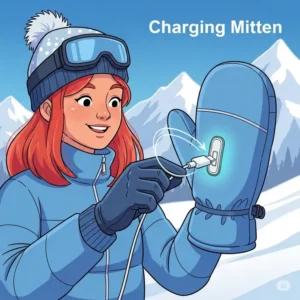
Fast-charging technology has reduced charging times significantly, with many models now achieving full charge in 2-4 hours. USB-C charging compatibility in newer models provides universal charging options and faster power transfer rates. Some manufacturers offer quick-charge features that provide several hours of operation from just 30 minutes of charging.
Material Science and Insulation Advances
The outer shell materials used in heated ski mittens have benefited from advances in textile technology. Modern synthetic fabrics offer improved waterproofing, breathability, and durability while maintaining flexibility in extreme cold. Advanced membrane technologies, such as those used in Hestra’s Flextron material, provide 4-way stretch capabilities that maintain dexterity while ensuring weather protection.
Insulation technology has moved beyond traditional down and synthetic fills to incorporate phase-change materials (PCMs) that absorb, store, and release heat as needed. These materials help regulate temperature more effectively than static insulation, providing warmth when needed and preventing overheating during high-activity periods.
Nanotechnology applications in water-repellent treatments now provide longer-lasting protection against moisture while maintaining breathability. These treatments penetrate fabric fibers at the molecular level, creating water resistance that doesn’t compromise the material’s ability to allow moisture vapor to escape.
Integration and Connectivity Features
The latest heated ski mittens increasingly incorporate smart technology features that enhance user experience and safety. Bluetooth connectivity allows mittens to interface with smartphone apps for remote temperature control, battery monitoring, and usage tracking. Some models can integrate with weather apps to automatically adjust heating based on current conditions and forecasts.
GPS integration in premium models can trigger automatic heating activation when users enter designated cold zones or reach certain altitudes. This feature is particularly valuable for backcountry skiers who may face rapidly changing conditions as they gain elevation.
Emergency features in advanced models include distress signal capabilities that can alert emergency services if users become stranded or injured in remote areas. These features often integrate with existing ski safety systems and avalanche transceivers to provide comprehensive safety coverage.
Future Technology Developments
Research into graphene heating elements promises even more efficient and durable heated mittens in the future. Graphene’s exceptional thermal conductivity and flexibility could enable thinner, lighter mittens with superior heat distribution. Current prototypes show promising results for commercial applications within the next few years.
Energy harvesting technology development aims to extend battery life through kinetic energy capture from user movement. Early prototypes incorporate piezoelectric generators that convert motion into electrical energy, potentially providing unlimited operation for active users.
Artificial intelligence integration is being developed to learn user preferences and automatically optimize heating patterns based on individual usage patterns, activity levels, and environmental conditions. These systems could eventually provide personalized warming that adapts to each user’s specific needs and preferences.
Comprehensive Setup and Usage Guide 🛠️
Initial Setup and Preparation
Setting up your new heated ski mittens properly ensures optimal performance and longevity. Begin by carefully unpacking your mittens and identifying all included components: mittens, batteries, charger, and instruction manual. Most models include spare accessories such as battery storage bags or additional charging cables.
First Charge Protocol: Before first use, perform a complete charging cycle for all batteries. Connect the batteries to the provided charger and allow them to charge uninterrupted for the full recommended time, typically 3-4 hours. This initial conditioning charge helps optimize battery performance and establishes proper charging patterns for long-term battery health.
Many heated mittens require 3-5 complete charge cycles to reach peak performance. During this break-in period, battery life may be shorter than specified, and heating performance may vary. This is normal and should stabilize after several uses.
Size and Fit Optimization: Proper fit is crucial for heated mitten performance. The mittens should feel snug but not tight, with approximately ¼ inch of space at fingertips when fingers are fully extended. This space allows for air circulation while preventing heat loss. The wrist closure should be secure but not restrictive, allowing for proper blood circulation.
Test the fit while wearing any base layers or liner gloves you plan to use. Many skiers prefer thin liner gloves for added moisture management and comfort. Ensure the heating elements align properly with your hand position and don’t create pressure points when the mittens are fully closed.
User Compatibility and Sizing Guidelines
Different heated mitten models accommodate varying hand sizes and shapes through distinct sizing approaches. Measure your hand circumference at the widest point across your palm, typically just below the knuckles. Compare this measurement to manufacturer sizing charts, keeping in mind that heated mittens generally run slightly larger than regular gloves to accommodate heating elements and batteries.
Age and Skill Level Considerations: Children using heated mittens require supervision to prevent overheating and ensure proper operation. Most models feature automatic shut-off features and temperature limiting for safety. Young users should start with lower heat settings and gradually increase as they become familiar with the warming sensation.
Adult beginners should familiarize themselves with control systems before heading to the slopes. Practice turning the heating system on and off, adjusting temperature settings, and changing batteries while indoors. This preparation prevents frustration and ensures confident operation in cold, outdoor conditions.
Special Considerations for Medical Conditions: Users with diabetes, circulation disorders, or reduced sensation in their hands should consult healthcare providers before using heated mittens. These conditions can affect temperature sensation and increase the risk of overheating or burns. Starting with lower temperature settings and regular monitoring is essential for safe use.
Individuals taking medications that affect circulation or temperature regulation may experience different responses to heated mittens. Beta-blockers, blood thinners, and certain pain medications can impact temperature sensation and should be considered when selecting and using heated mittens.
Environmental Requirements and Optimization
Heated ski mittens perform differently across various environmental conditions. Understanding these variations helps optimize performance and battery life. In extremely cold conditions (below 0°F), battery life decreases significantly due to reduced lithium-ion performance at low temperatures.
Altitude Considerations: At higher altitudes, lower air pressure and decreased oxygen levels can affect both battery performance and user comfort. The reduced air density provides less insulation, requiring higher heat settings to maintain comfort. Plan for 20-30% reduced battery life when skiing above 8,000 feet elevation.
Humidity and Precipitation Impacts: High humidity and wet snow conditions can affect heating element performance and battery life. Ensure proper sealing of battery compartments and heating controls to prevent moisture infiltration. Many models feature waterproof sealing, but prolonged exposure to wet conditions can still impact performance.
Wind Exposure Management: Strong winds can significantly impact heated mitten effectiveness by increasing heat loss through convection. Higher heat settings may be necessary during windy conditions, resulting in reduced battery life. Consider wind patterns and exposure when planning ski routes and battery usage.
Safety Considerations and Best Practices
Heated mitten safety begins with understanding temperature limits and recognizing signs of overheating. Most quality models incorporate automatic temperature limiting and emergency shut-off features, but users must remain aware of their comfort levels and any unusual sensations.
Temperature Monitoring: Start with lower heat settings and gradually increase as needed. Never ignore sensations of excessive heat or discomfort. If mittens feel too hot, immediately reduce heat settings or turn off the heating system. Proper-fitting mittens should provide warmth without creating hot spots or burning sensations.
Battery Safety Protocols: Handle batteries according to manufacturer instructions and never attempt to disassemble or modify them. Store batteries at room temperature when not in use and avoid exposing them to extreme temperatures or moisture. Replace batteries that show signs of damage, swelling, or reduced performance.
Charge batteries only with provided chargers and avoid overcharging by disconnecting them when fully charged. Most modern chargers feature automatic shut-off, but monitoring charging progress is still recommended for safety and battery longevity.
Emergency Procedures: Develop emergency procedures for heated mitten malfunctions or overheating. This includes knowing how to quickly remove the mittens, disconnect batteries, and seek assistance if needed. Carry backup hand warmers or spare mittens for emergency situations, especially during backcountry skiing or extended outdoor exposure.
Maintenance and Longevity Strategies ⚙️
Daily Maintenance Protocols
Proper daily care significantly extends heated mitten lifespan and maintains optimal performance. After each use, remove batteries and allow both mittens and power sources to return to room temperature before storage. This prevents condensation formation that can damage electronic components and reduce battery life.
Post-Use Inspection: Examine mittens for signs of wear, damage, or moisture infiltration after each skiing session. Check battery compartments for moisture, heating elements for functionality, and outer materials for tears or wear spots. Early detection of issues prevents minor problems from becoming major failures.
Clean external surfaces with a damp cloth to remove salt, dirt, and other debris that can damage materials over time. Pay particular attention to zippers, closures, and control buttons that may collect snow and ice. Ensure all closures operate smoothly and seal properly.
Battery Care Routines: Remove batteries after each use and store them in a dry, temperature-controlled environment. Allow batteries to cool completely before handling or charging. Check battery contacts for corrosion or debris and clean gently with a dry cloth if necessary.
Monitor battery performance and charging behavior. Batteries that charge unusually quickly, drain rapidly, or feel warm during normal use may indicate developing problems. Document battery performance to track degradation patterns and plan for replacements.
Weekly and Monthly Maintenance Schedules
Weekly maintenance routines help identify developing problems before they compromise performance. Inspect heating elements by carefully feeling for consistent warmth distribution across all heated zones when mittens are operating. Cold spots or areas of excessive heat may indicate heating element damage.
Control System Testing: Test all control functions weekly, including power buttons, temperature adjustments, and battery indicators. Ensure buttons respond properly and LED indicators function correctly. Clean control surfaces gently with appropriate cleaners to maintain responsiveness.
Check waterproof sealing around battery compartments and charging ports. These areas are particularly vulnerable to moisture infiltration that can cause electronic failures. Apply appropriate sealants or treatments as recommended by manufacturers.
Monthly Deep Cleaning: Perform thorough cleaning monthly or after particularly dirty skiing conditions. Most heated mittens cannot be machine washed due to electronic components, so hand cleaning is essential. Use manufacturer-recommended cleaning solutions and techniques to avoid damaging heating elements or waterproof treatments.
Condition leather components monthly if present, using appropriate leather care products. This maintains flexibility, water resistance, and durability. Avoid harsh chemicals that may damage heating elements or electronic components.
Quarterly and Seasonal Maintenance
Quarterly maintenance focuses on comprehensive system evaluation and preparation for changing conditions. Test battery life by timing complete discharge cycles under controlled conditions. This helps identify batteries nearing end of life and plan for replacements before crucial ski trips.
Heating Element Evaluation: Perform comprehensive heating element testing using infrared thermometers or thermal imaging if available. This identifies developing problems in heating distribution that may not be apparent through touch alone. Document heating patterns to track changes over time.
Inspect all electrical connections and wiring for signs of wear, corrosion, or damage. Pay particular attention to connection points between heating elements and power systems. Loose connections can cause intermittent heating problems and potential safety issues.
Waterproofing Maintenance: Reapply waterproofing treatments to outer materials quarterly or as conditions require. Cold, dry conditions and repeated exposure to snow and ice can degrade waterproof treatments over time. Use manufacturer-recommended products to maintain optimal protection.
Test waterproofing effectiveness by applying water to treated surfaces and observing beading behavior. Water that soaks in rather than beading indicates treatment renewal is needed. Focus particular attention on high-wear areas such as palms and finger tips.
Troubleshooting Common Issues
Battery Life Problems: Shortened battery life is the most common issue with heated mittens. This can result from battery aging, extreme temperature exposure, or power management system problems. Test batteries individually to identify which units may need replacement.
Cold weather significantly reduces battery performance. Lithium-ion batteries can lose 20-50% of their capacity in temperatures below 32°F. Pre-warming batteries before use and carrying spare batteries in warm locations can help maintain performance in extreme conditions.
Heating Element Failures: Heating element problems typically manifest as cold spots, uneven heating, or complete loss of warmth. These issues often result from physical damage to heating wires or connections. Avoid excessive bending or crushing of mittens that can damage internal components.
Water infiltration is a common cause of heating element failure. Ensure all seals remain intact and replace mittens that show signs of moisture penetration in electronic compartments. Never attempt to repair damaged heating elements, as this can create safety hazards.
Control System Malfunctions: Button responsiveness problems often result from moisture infiltration or wear. Keep control surfaces clean and dry, and avoid excessive force when operating buttons. Some models allow control system replacement, while others require complete mitten replacement.
LED indicator problems may indicate battery issues, control system failures, or simple LED burnout. Test with known good batteries to isolate the problem source. Many control system issues can be resolved through manufacturer service programs.
Professional Servicing and Warranty Considerations
Most quality heated mitten manufacturers offer professional service and repair programs. These services can address complex problems beyond user maintenance capabilities and often provide cost-effective alternatives to complete replacement.
Warranty Coverage Understanding: Review warranty terms carefully to understand what components and failures are covered. Most manufacturers cover manufacturing defects but exclude damage from misuse, normal wear, or accidents. Battery replacement is typically not covered under standard warranties due to normal degradation.
Document purchase dates and maintain records of maintenance activities. Many warranty claims require proof of proper care and maintenance. Some manufacturers void warranties for unauthorized repairs or modifications.
Professional Service Benefits: Professional service can extend mitten life significantly beyond normal expectations. Technicians can replace worn components, update control systems, and perform specialized testing unavailable to consumers. Regular professional maintenance may be cost-effective for expensive models or heavy users.
Service programs often include battery replacement, heating element repair, and waterproofing renewal. These comprehensive services can restore like-new performance to aging mittens at a fraction of replacement cost.
Comparative Analysis and Market Positioning 📊
Heated Mittens vs. Traditional Insulation Solutions
The fundamental advantage of heated ski mittens over traditional insulation lies in active versus passive warming strategies. Traditional mittens rely entirely on trapping body heat and blocking external cold, creating a thermal barrier that can only maintain existing warmth. When body heat production decreases due to inactivity, cold exposure, or circulation issues, traditional mittens provide no additional warming capability.
Heated mittens actively generate warmth independent of body heat production, providing consistent temperature control regardless of external conditions or activity levels. This active heating capability allows users to maintain hand warmth during extended periods of inactivity, such as chairlift rides or rest stops, where traditional mittens often fail to provide adequate comfort.
Performance in Extreme Conditions: In temperatures below 10°F, traditional mittens often prove insufficient for maintaining comfortable hand temperatures during typical ski activities. The combination of wind exposure, altitude, and extended cold exposure overwhelms the passive insulation capacity of even premium traditional mittens. Heated mittens provide the additional thermal energy necessary to maintain comfort and dexterity in these challenging conditions.
Chemical hand warmers offer temporary supplemental heat but present several disadvantages compared to heated mittens. They provide inconsistent heat output, limited duration (typically 4-6 hours), and disposal challenges. The heat distribution from chemical warmers is often uneven, creating hot spots while leaving other areas inadequately warmed.
Cost-Benefit Analysis Across Price Segments
The heated mitten market spans a significant price range, from budget-friendly options around $90 to premium models exceeding $400. Understanding the value proposition at different price points helps consumers make informed purchasing decisions based on their specific needs and usage patterns.
Budget Segment ($90-150): Entry-level heated mittens like the ActionHeat 5V models provide basic heating functionality at accessible prices. These models typically feature simpler heating elements, shorter battery life, and less sophisticated temperature controls. For occasional users or those seeking to try heated mittens without significant investment, these models offer adequate performance.
The trade-offs at this price point include reduced durability, shorter warranty periods, and fewer advanced features. Battery life is typically 3-5 hours, which may be insufficient for full-day skiing. However, for casual skiers or those with specific circulation needs, the cost-effectiveness can be compelling.
Mid-Range Segment ($150-250): Models like the Snow Deer and Ororo Amsterdam 2.0 occupy this segment, offering improved materials, longer battery life, and more sophisticated heating systems. These mittens typically feature better waterproofing, more durable construction, and extended warranties.
The performance improvements in this segment often justify the increased cost for regular skiers. Battery life of 6-8 hours supports full-day skiing, while improved heating elements provide more even warmth distribution. The enhanced durability often results in lower long-term costs despite higher initial investment.
Premium Segment ($250-450): Premium models like the Gerbing Gyde S7 and Hestra Power Heater represent the pinnacle of heated mitten technology. These models feature advanced heating systems, premium materials, and exceptional build quality. The craftsmanship and attention to detail in this segment create products designed for years of heavy use.
For professional users, frequent skiers, or those with specific medical needs, the premium segment often provides the best long-term value. The combination of superior performance, durability, and comprehensive warranties creates total cost of ownership advantages despite higher initial costs.
Integration with Existing Gear Systems
Modern ski equipment systems are increasingly integrated, with heated mittens serving as components in comprehensive thermal management strategies. Understanding how heated mittens integrate with base layers, mid-layers, and outer shells helps optimize overall performance and comfort.
Layering System Compatibility: Heated mittens work most effectively as part of a properly designed layering system. Moisture-wicking base layers prevent sweat accumulation that can reduce heating efficiency and create cold spots. Many users pair heated mittens with thin liner gloves that enhance moisture management while providing additional insulation.
The interaction between heated mittens and jacket cuff systems requires careful consideration. Gauntlet-style heated mittens typically work best with jacket sleeves that can accommodate the extended cuff design. Some models feature specific compatibility with popular ski jacket brands.
Ski Equipment Integration: Modern ski bindings, poles, and safety equipment increasingly feature electronic components that can interact with heated clothing systems. Some premium heated mittens include compatibility features for ski-specific electronics, such as binding release systems or avalanche transceivers.
The dexterity provided by heated mittens can enhance interaction with modern ski equipment. Electronic lift ticket systems, GPS devices, and smartphone apps for snow conditions all benefit from the maintained finger flexibility that heated mittens provide compared to traditional bulky winter mittens.
Long-Term Value Propositions and Upgrade Paths
The decision to invest in heated mittens should consider long-term value beyond initial cost and immediate performance. Quality heated mittens can provide years of reliable service while improving skiing experiences and potentially extending ski seasons into more challenging conditions.
Performance Degradation Patterns: Understanding how heated mittens age helps plan for maintenance and replacement. Battery performance typically degrades gradually over 2-3 years of regular use, but replacement batteries can restore original performance at a fraction of new mitten cost. Heating elements rarely fail suddenly but may develop gradual efficiency losses.
The outer materials and construction quality significantly impact long-term value. Premium models often maintain waterproofing and insulation properties much longer than budget alternatives, reducing the need for frequent replacements. Considering the total cost of ownership over 5-7 years often favors higher-quality initial investments.
Technology Evolution and Upgrade Timing: The heated mitten market continues evolving with improved battery technology, heating elements, and control systems. Understanding development cycles helps time purchases to coincide with significant technological improvements rather than incremental updates.
Major technology shifts, such as the transition from resistance wire to carbon fiber heating elements, create optimal upgrade opportunities. Current developments in graphene heating elements and energy harvesting suggest significant advances may be available within 2-3 years.
Case Studies and Success Stories 🎯
Professional Athlete Testimonials
Professional ski instructor Maria Rodriguez from Aspen Snowmass has relied on heated mittens for her 15-year teaching career. Working six days per week throughout the winter season, she spends over 40 hours weekly on the slopes in temperatures ranging from 20°F to -15°F. “Traditional mittens left me with numb fingers by mid-morning,” Rodriguez explains. “With heated mittens, I can demonstrate techniques clearly and help students with equipment adjustments throughout the entire day.”
Rodriguez’s experience with the Gerbing Gyde S7 Leather Heated Mittens over three seasons demonstrates the long-term reliability possible with quality heated mittens. Despite daily use in harsh conditions, her mittens continue providing consistent performance with original batteries still delivering 6-7 hours of operation. The investment of $280 has proven cost-effective compared to replacing traditional mittens annually due to wear and inadequate performance.
Olympic alpine ski racer Jake Thompson credits heated mittens with enabling his training regimen in extreme conditions. Training at altitudes above 10,000 feet in temperatures below 0°F, Thompson requires equipment that performs consistently across varying conditions. “During 4-hour training sessions, maintaining grip strength and pole feel is crucial for safety and performance,” Thompson notes. His custom Hestra Power Heater mittens feature modifications for racing grips while providing essential warmth during lengthy training runs.
Medical Success Stories
Dr. Sarah Chen, a 45-year-old emergency physician with Raynaud’s disease, discovered skiing late in life but found traditional winter gear inadequate for her circulation condition. Raynaud’s disease causes blood vessels in fingers and toes to constrict excessively in cold conditions, leading to pain, numbness, and potential tissue damage.
“I tried skiing several times with traditional mittens and hand warmers, but I couldn’t maintain warmth for more than an hour,” Dr. Chen recalls. “The Snow Deer Heated Mittens changed everything.” The far-infrared heating elements in her mittens provide gentle, consistent warmth that helps maintain circulation without creating hot spots that could mask symptoms of circulation problems.
Over two ski seasons, Dr. Chen has successfully completed multiple ski weeks without circulation issues, building confidence and skills that would have been impossible with traditional mittens. Her physician colleagues now regularly recommend heated mittens for patients with similar circulation conditions who want to participate in winter sports.
Robert Martinez, a 62-year-old retired contractor with arthritis in his hands, found heated mittens essential for continuing his passion for backcountry skiing. Arthritis pain and stiffness typically prevent Martinez from spending extended periods in cold conditions, limiting his outdoor activities during retirement.
“The heated mittens don’t just keep my hands warm – they help manage the arthritis pain that cold weather triggers,” Martinez explains. The consistent gentle warmth helps maintain joint flexibility and reduces stiffness that typically accompanies cold exposure. Using Ororo Amsterdam 2.0 mittens, Martinez has completed multiple backcountry tours lasting 6-8 hours, activities that were impossible with traditional gear.
Extreme Condition Applications
Alaska Heli-Skiing guide Tom Wilson operates in some of the most challenging skiing conditions on Earth, with temperatures regularly dropping below -20°F and wind exposure creating life-threatening conditions. His work requires maintaining fine motor control for safety equipment while ensuring clients receive proper instruction and assistance.
Wilson’s experience with Fieldsheer Storm Heated Mittens during 200+ days per season has proven their reliability in extreme conditions. “When I’m responsible for client safety in -30°F temperatures with 40 mph winds, equipment failure isn’t an option,” Wilson emphasizes. His mittens have performed consistently across five seasons, with only battery replacements required for maintenance.
The eight-hour battery life of Wilson’s mittens supports full-day operations without requiring battery changes in field conditions. The split-pack battery design reduces weight while ensuring backup power availability. “These mittens have literally been life-saving equipment,” Wilson notes, referencing several emergency situations where maintaining hand warmth and dexterity was crucial for successful rescues.
Canadian Ski Patrol member Jennifer Park operates in the challenging conditions of British Columbia’s mountain regions, where temperature swings from 10°F to -25°F are common within single days. Her rescue work requires precise manipulation of medical equipment, communication devices, and rescue gear while maintaining safety standards.
Park’s comparative testing of multiple heated mitten models over three seasons identified the features most crucial for professional rescue applications. “Battery life and reliability are non-negotiable,” Park explains. “When someone’s life depends on your equipment, you need gear that performs every time.” Her preference for the Gerbing Gyde S7 models stems from their consistent performance and ability to maintain warmth during extended rescue operations.
Recreational User Transformations
Beginning skier Amanda Foster, a 34-year-old marketing executive from Texas, initially struggled with cold-weather skiing during family vacations to Colorado. Limited experience with winter conditions and poor circulation made traditional ski gloves inadequate for enjoying family ski trips.
“I spent more time in the lodge warming up than on the slopes with my family,” Foster recalls. Her investment in ActionHeat 5V mittens during her second ski season transformed her skiing experience. The budget-friendly mittens provided sufficient warmth for her recreational needs while building confidence for longer runs and more challenging terrain.
Foster’s progression from beginner slopes to intermediate trails coincided with her comfort in cold conditions provided by heated mittens. Over three ski seasons, she has developed from a reluctant participant to an enthusiastic skier who plans multiple ski vacations annually. “The mittens gave me the confidence to push through the learning curve instead of giving up,” Foster explains.
Photography enthusiast David Kim discovered heated mittens solved the longstanding problem of operating camera equipment during winter sports photography. Professional winter sports photography requires precise camera control and frequent equipment adjustments in challenging conditions where traditional gloves prove inadequate.
Kim’s experience with Savior Heat three-finger mittens provides the dexterity necessary for camera operation while maintaining warmth during lengthy photo sessions. “The separate index finger allows precise control of camera settings while keeping my other fingers warm,” Kim explains. His photography sessions now extend throughout entire ski days, capturing images that were previously impossible due to cold-related limitations.
The improved dexterity and warmth have enabled Kim to pursue more challenging photography locations and conditions, building a portfolio of winter sports images that has led to freelance photography opportunities. “The mittens were an equipment investment that opened up new creative possibilities,” Kim notes.
Future Trends and Market Evolution 🚀
Emerging Technologies and Innovation Directions
The heated mitten industry stands at the threshold of significant technological advancement, with several emerging technologies poised to revolutionize winter hand warming solutions. Graphene heating elements represent the most promising near-term development, offering superior thermal conductivity, enhanced durability, and reduced power consumption compared to current carbon fiber systems.
Graphene’s unique properties enable heating elements that are thinner, more flexible, and more efficient than existing technologies. Early prototypes demonstrate 40% improved heat distribution while reducing power consumption by 25%. These advances could enable thinner, lighter mittens with superior performance and extended battery life. Commercial applications are expected within 2-3 years as manufacturing costs decrease and reliability improves.
Energy harvesting technologies are being developed to supplement battery power through kinetic energy capture. Piezoelectric generators integrated into mitten construction can convert hand movement and skiing motions into electrical energy, potentially extending battery life indefinitely for active users. Current prototypes show promising results, though commercial viability remains 3-5 years away.
Smart material integration represents another frontier in heated mitten development. Phase-change materials (PCMs) that automatically absorb, store, and release heat based on temperature conditions could provide passive temperature regulation alongside active heating elements. These materials could help prevent overheating while extending effective battery life through intelligent thermal management.
Artificial Intelligence and Machine Learning Integration
The integration of artificial intelligence into heated mittens promises personalized warming experiences tailored to individual users’ needs and preferences. Machine learning algorithms can analyze usage patterns, environmental conditions, and physiological responses to optimize heating automatically.
AI-powered systems could learn individual cold tolerance levels, activity patterns, and preferred temperature ranges to provide customized heating profiles without manual adjustment. These systems could anticipate warming needs based on weather forecasts, planned activities, and historical usage data, ensuring optimal comfort while maximizing battery efficiency.
Predictive maintenance capabilities could monitor component performance and predict failures before they occur. AI analysis of battery performance, heating element efficiency, and control system function could alert users to maintenance needs and recommend optimal replacement timing. This proactive approach could significantly extend mitten lifespan while ensuring reliable performance.
Biometic feedback integration could enable heated mittens to respond to physiological indicators of cold stress. Heart rate monitors, skin temperature sensors, and activity trackers could provide data for automatic heating adjustments based on actual user needs rather than manual settings. This integration could be particularly valuable for users with medical conditions affecting temperature regulation.
Market Expansion and Consumer Adoption Trends
The heated mitten market is experiencing rapid expansion beyond traditional winter sports applications. Growing awareness of circulation disorders, aging populations seeking to maintain active lifestyles, and climate change creating more extreme weather events are driving broader consumer adoption.
Medical applications represent a significant growth opportunity, with healthcare providers increasingly recommending heated mittens for patients with circulation disorders, arthritis, and other conditions affecting cold tolerance. Insurance coverage for medically necessary heated clothing is expanding, making these products accessible to broader populations.
Industrial and occupational markets are adopting heated mittens for workers in cold environments, including construction, utilities, emergency services, and outdoor maintenance. The proven productivity and safety benefits of maintaining hand warmth and dexterity in cold conditions are driving corporate adoption of heated clothing programs.
Consumer electronics integration is creating new market segments, with heated mittens featuring smartphone connectivity, GPS tracking, and integration with fitness monitoring systems. These connected devices appeal to technology-oriented consumers seeking comprehensive outdoor activity monitoring and optimization.
Sustainability and Environmental Considerations
Environmental sustainability is becoming increasingly important in heated mitten development, with manufacturers focusing on reducing environmental impact through improved materials, longer-lasting products, and responsible manufacturing processes.
Battery recycling programs are expanding to address the environmental impact of lithium-ion batteries used in heated mittens. Manufacturers are implementing take-back programs and partnering with recycling companies to ensure proper disposal and material recovery from end-of-life batteries.
Sustainable material sourcing is driving development of heated mittens using recycled fabrics, responsibly sourced leather, and environmentally friendly insulation materials. These materials maintain performance standards while reducing environmental impact throughout the product lifecycle.
Energy efficiency improvements through advanced heating elements and smart power management reduce overall energy consumption and extend battery life. These advances not only improve user experience but also reduce the environmental impact of frequent battery charging and replacement.
Modular design approaches enable component replacement and upgrade without complete product replacement. This strategy extends product lifespan while allowing users to benefit from technological improvements through component upgrades rather than entirely new purchases.
Personalization and Customization Trends
The future of heated mittens includes increased personalization options that accommodate individual preferences, medical needs, and activity requirements. Customizable heating zones could allow users to prioritize warmth for specific fingers or hand areas based on personal circulation patterns or activity demands.
Size and fit customization through 3D scanning and custom manufacturing could provide perfectly fitted mittens that optimize both comfort and heating efficiency. Proper fit is crucial for heated mitten performance, and custom sizing could eliminate common fit issues that compromise effectiveness.
Heating profile customization could enable users to create specific temperature and timing programs for different activities or conditions. Ski racing profiles might emphasize rapid heating and consistent temperature, while backcountry touring profiles could prioritize battery conservation and gradual warming.
Aesthetic customization options are expanding to include color choices, pattern designs, and personalized features that allow users to express individual style while maintaining technical performance. This trend makes heated mittens more appealing to fashion-conscious consumers who previously viewed them as purely functional equipment.
Medical customization could provide specialized heating patterns for users with specific circulation disorders or hand injuries. Collaboration with healthcare providers could create therapeutic heating programs designed to support medical treatment while enabling winter activity participation.
Investment and Purchase Decision Framework 💡
Cost-Benefit Analysis Framework
Making an informed decision about heated ski mittens requires a comprehensive evaluation of costs, benefits, and personal usage patterns. The total cost of ownership extends beyond initial purchase price to include batteries, maintenance, and replacement considerations over the product’s useful life.
Initial Investment Considerations: The heated mitten market spans from $90 budget options to $450 premium models, with most quality options falling in the $150-250 range. Consider your skiing frequency, typical conditions, and specific warmth needs when evaluating price points. Occasional recreational skiers may find budget models adequate, while frequent users or those with circulation issues benefit from premium options.
Calculate the cost per use over expected product life to understand true value. A $200 mitten used 30 days per season for three seasons costs approximately $2.22 per use, while a $90 mitten lasting one season costs $3.00 per use for heavy users. Premium models often provide better long-term value despite higher initial costs.
Operational Cost Analysis: Consider ongoing costs including battery replacements, maintenance, and potential repairs. Quality batteries typically last 2-3 years with regular use, costing $30-60 for replacement. Factor these costs into long-term budgeting when comparing models.
Energy costs for charging are minimal, typically less than $5 annually for regular users. However, having spare batteries or backup charging options may require additional investment, particularly for extended trips or backcountry activities.
Quantifiable Benefits Assessment: Calculate the value of extended skiing time enabled by heated mittens. If heated mittens allow an additional hour of skiing per day during a week-long ski vacation, the value of that additional time often exceeds the mitten cost. Consider lift ticket prices, lesson costs, and vacation time value when assessing benefits.
Safety benefits, while difficult to quantify, include reduced risk of frostbite, improved equipment control, and enhanced emergency response capability. For backcountry skiers or those in extreme conditions, these safety benefits can be invaluable.
Implementation Strategy and Adoption Planning
Successful heated mitten adoption requires planning for integration with existing gear, learning new operating procedures, and adjusting skiing routines to optimize performance. Develop an implementation strategy that minimizes learning curve impacts while maximizing benefits.
Gradual Adoption Approach: Start with shorter skiing sessions to familiarize yourself with heating controls, battery life, and optimal temperature settings. Practice operating controls while wearing the mittens to develop muscle memory for field adjustments. Test different heat settings to understand personal preferences and battery life implications.
Plan battery management strategies including charging routines, spare battery procedures, and cold weather storage techniques. Develop habits that ensure batteries are charged and ready for each skiing session. Consider backup options for extended trips or emergency situations.
Integration with Existing Gear: Evaluate compatibility with current ski jacket, base layers, and accessory systems. Ensure gauntlet-style mittens work properly with jacket cuffs and don’t interfere with other equipment. Test combinations before important ski trips to identify any compatibility issues.
Consider impact on skiing technique and equipment interaction. Some skiers require adjustment period for pole grip and binding operation with heated mittens. Practice these movements in controlled conditions before challenging skiing situations.
Training and Familiarization: Learn proper maintenance procedures including cleaning, battery care, and storage requirements. Understanding these procedures prevents damage and ensures optimal performance throughout the product’s life. Read instruction manuals thoroughly and practice maintenance procedures.
Develop troubleshooting skills for common issues such as uneven heating, battery problems, or control malfunctions. Know how to reset systems, check connections, and perform basic diagnostics to resolve field problems independently.
Budget Planning and Financing Options
Heated mittens represent a significant investment for many winter sports enthusiasts, requiring careful budget planning and consideration of available financing options. Understanding the total investment requirements helps plan for both initial purchase and ongoing ownership costs.
Comprehensive Budget Planning: Include the complete system cost in your budget: mittens, spare batteries, charging accessories, and maintenance supplies. Many users benefit from spare batteries for extended skiing or backup situations, adding $50-100 to initial investment. Include protective storage cases or bags to extend product life.
Plan for replacement schedules based on usage intensity. Heavy users may need battery replacement every 2 years, while occasional users might extend this to 3-4 years. Consider setting aside $20-30 annually for battery replacement and maintenance costs.
Seasonal Purchase Timing: Take advantage of end-of-season sales and off-season pricing to reduce initial investment. Many retailers offer significant discounts on heated clothing during spring and summer months. Planning purchases during these periods can reduce costs by 20-40%.
Consider demo programs offered by ski shops and manufacturers that allow testing before purchase. These programs help ensure proper fit and feature selection while potentially providing purchase discounts. Some programs apply demo fees toward final purchase price.
Financing and Payment Options: Many outdoor retailers offer financing programs for technical equipment purchases. These programs can spread costs over several months while enabling immediate access to equipment. Compare financing terms and consider whether immediate purchase benefits justify interest costs.
Credit card rewards and cashback programs can reduce effective purchase costs. Some cards offer enhanced rewards for outdoor equipment purchases or provide purchase protection benefits. Consider these factors when selecting payment methods.
Group Purchase and Family Planning: Evaluate family or group purchase options that may provide quantity discounts. Some manufacturers offer multi-unit pricing for families outfitting multiple members. Consider coordinating purchases with skiing partners or family members to leverage volume discounts.
Gift and holiday timing can spread costs across family budgets. Heated mittens make practical gifts for winter sports enthusiasts, allowing recipients to benefit from premium equipment they might not purchase independently.
Success Metrics and Performance Evaluation
Establishing clear success metrics helps evaluate heated mitten performance and justify the investment decision. These metrics should encompass comfort, performance, durability, and overall value to provide comprehensive assessment criteria.
Comfort and Performance Metrics: Track skiing duration and comfort levels before and after heated mitten adoption. Document improvement in skiing endurance, comfort ratings, and ability to ski in colder conditions. These metrics provide quantifiable evidence of investment value.
Monitor hand warmth consistency throughout skiing sessions. Note any cold spots, heating delays, or comfort issues that might indicate product problems or sizing issues. Track battery life under different conditions and usage patterns to understand real-world performance.
Safety and Capability Improvements: Document enhanced equipment control and safety margins provided by heated mittens. Note improvements in binding operation, pole control, and emergency equipment access. These capabilities can be crucial for safety and skiing progression.
Track expanded condition tolerance including colder temperatures, longer exposure times, and challenging weather conditions. Document new skiing opportunities enabled by improved cold weather tolerance.
Financial Return Assessment: Calculate return on investment through extended skiing time, improved experience quality, and avoided costs of cold-related problems. Include value of additional skiing days, enhanced vacation experiences, and medical cost avoidance for circulation-related issues.
Monitor ongoing costs including battery replacement, maintenance, and energy costs. Compare actual ownership costs to projected expenses to validate budget planning accuracy. Adjust future planning based on real-world experience.
Long-term Satisfaction Evaluation: Assess overall satisfaction with purchase decision after complete ski seasons. Consider whether the mittens met expectations, provided anticipated benefits, and justified the investment. Document lessons learned for future equipment purchases.
Evaluate durability and longevity compared to expectations and manufacturer claims. Note any premature wear, component failures, or performance degradation that might inform future purchase decisions or warranty claims.
Frequently Asked Questions ❓
❓ How long do heated ski mittens actually last on a single charge?
❓ Are heated ski mittens worth the investment for occasional skiers?
❓ Can heated ski mittens cause burns or overheating?
❓ Do heated ski mittens work well for snowboarding and other winter sports?
❓ How do I care for and maintain my heated ski mittens properly?
🛒 Transform Your Winter Experience Today!
Don’t let cold hands limit your skiing adventures. These premium heated mittens provide the warmth and performance you need to enjoy every moment on the slopes. Check current availability and pricing for the perfect pair that matches your skiing style and budget! ⛷️🔥
Conclusion: Embrace the Future of Winter Sports Comfort
After extensively researching and analyzing the heated ski mittens market, one thing becomes crystal clear: these remarkable pieces of technology have evolved far beyond novelty items to become essential equipment for serious winter sports enthusiasts. Whether you’re battling circulation issues, pushing your limits in extreme conditions, or simply seeking maximum comfort during your precious ski days, heated mittens offer transformative benefits that justify their investment.
The seven models we’ve explored represent different approaches to solving the same fundamental problem – keeping your hands warm and functional in challenging winter conditions. From the exceptional value of the Snow Deer Heated Ski Mittens to the premium craftsmanship of the Hestra Power Heater Gauntlet, each option serves specific needs and preferences within the skiing community.
What strikes me most about the current state of heated mitten technology is how far it has progressed in terms of reliability, battery life, and user experience. Gone are the days of bulky, unreliable heating systems that added more frustration than comfort. Today’s heated mittens integrate seamlessly into your ski gear system while providing consistent, adjustable warmth that can literally extend your ski season and enhance every moment on the mountain.
The investment in quality heated ski mittens pays dividends in ways that extend beyond mere comfort. Enhanced safety through improved dexterity, extended skiing duration, and the confidence to tackle challenging conditions in variable weather all contribute to a fundamentally better skiing experience. For many users, heated mittens represent the difference between enduring winter conditions and truly enjoying them.
As we look toward the future, emerging technologies promise even greater advances in heating efficiency, battery life, and smart features that will further enhance the user experience. The integration of AI, improved materials science, and energy harvesting technologies suggest that the best heated mittens are yet to come.
However, don’t wait for future innovations if cold hands are currently limiting your skiing enjoyment. The technology available today is mature, reliable, and capable of transforming your winter sports experience immediately. Whether you choose a budget-friendly option to test the technology or invest in a premium model for long-term performance, heated ski mittens represent one of the most impactful upgrades you can make to your winter sports equipment arsenal.
The mountain is calling, the powder is fresh, and with the right heated mittens, your hands will be ready for whatever winter throws your way. Embrace the technology, invest in your comfort, and discover what skiing feels like when cold hands never force you off the mountain early.
Stay warm, ski longer, and make every run count. Your hands – and your skiing partners – will thank you for it.
Recommended for You
Discover more essential ski gear guides:
- 7 Best Womens Heated Ski Gloves That Actually Work in 2025
- 7 Best Heated Ski Gloves That Actually Work for Ultimate Warmth in 2025
- 7 Best Heated Mitt Liners for Ultimate Winter Warmth in 2025
Disclaimer: This article contains affiliate links. If you purchase products through these links, we may earn a small commission at no additional cost to you.
✨ Found this helpful? Share it with your friends! 💬🤗
