
In This Article
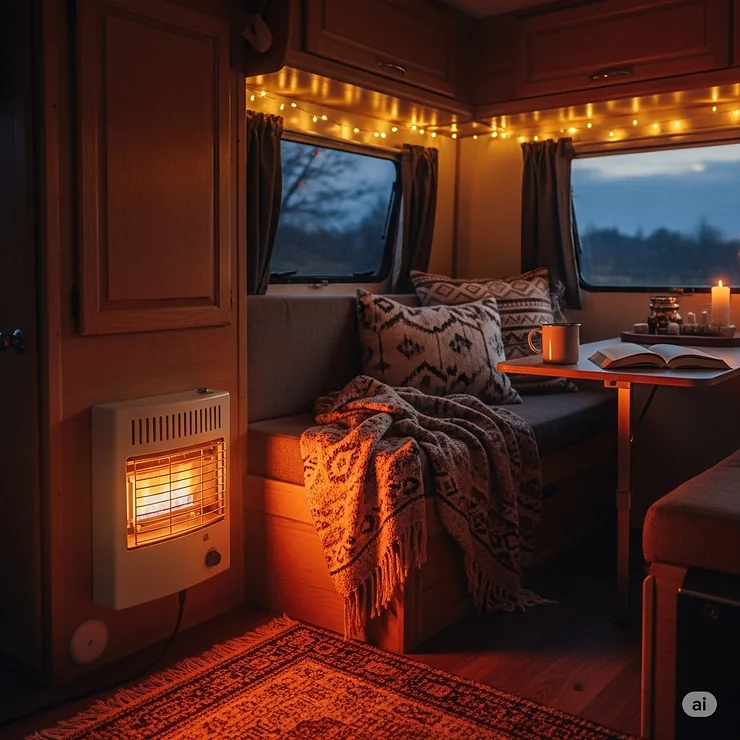
Winter camping doesn’t have to mean shivering through cold nights in your RV, camper, or tent. ⛄ The right propane camper heater can transform your outdoor adventures into cozy, comfortable experiences that rival the warmth of home. Whether you’re exploring snowy mountain peaks or simply extending your camping season into the colder months, choosing the perfect propane heater for camper use is absolutely essential for safety, comfort, and peace of mind.
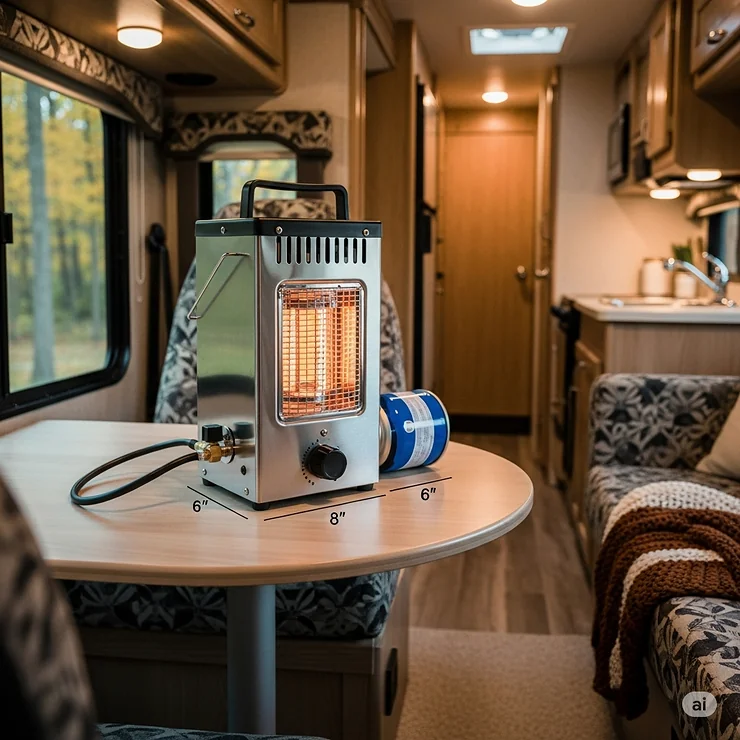
From compact catalytic units that whisper quietly through the night to powerful radiant heaters that can warm large spaces in minutes, today’s propane heater for camping market offers incredible variety and innovation. ✨ These heating solutions have evolved significantly, incorporating advanced safety features, improved fuel efficiency, and smart technology that makes winter camping more accessible than ever before.
✨Was this helpful? Spread the word! 🚀
Understanding Propane Camper Heater Technology
The world of propane camper heater technology has advanced dramatically over the past decade, offering campers unprecedented safety, efficiency, and reliability. 🔥 Modern propane heaters for camping utilize sophisticated combustion systems that maximize heat output while minimizing fuel consumption and safety risks.
At the heart of every quality propane heater for camper applications lies one of three primary heating technologies: catalytic combustion, radiant heating, or forced-air systems. Catalytic heaters operate without an open flame, using a platinum catalyst to create heat through a chemical reaction between propane and oxygen. This flameless technology makes them incredibly safe for indoor use and virtually silent in operation.
Radiant propane camper heater models focus heat energy in specific directions, similar to sunlight, warming objects and people directly rather than heating the air. This approach proves particularly effective in larger spaces or when you need targeted warmth for specific areas of your camper or tent.
Forced-air systems combine a gas burner with a fan to circulate heated air throughout your space. While these units require 12V power for the fan operation, they excel at quickly and evenly heating larger areas, making them popular choices for bigger RVs and motorhomes.
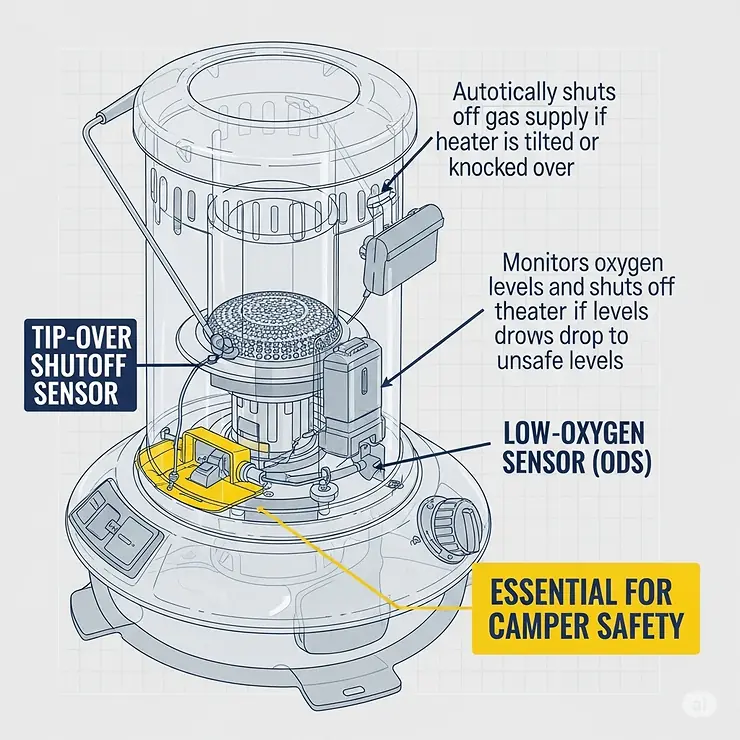
Modern propane heater for camping safety systems include oxygen depletion sensors (ODS) that automatically shut off the unit if oxygen levels drop too low, tip-over protection that cuts fuel flow if the heater gets knocked over, and thermal protection that prevents overheating. Additionally, many units feature low-pressure regulators that ensure consistent performance regardless of altitude or temperature variations. 🛡️
Quick Comparison: Top Propane Camper Heater Models
| Model | BTU Output | Heating Area | Runtime (20lb tank) | Safety Features | Price Range |
|---|---|---|---|---|---|
| Mr. Heater Buddy MH9BX | 4,000-9,000 | Up to 225 sq ft | 40-90 hours | ODS, Tip-over, Piezo ignition | $70-$85 |
| Mr. Heater Little Buddy | 3,800 | Up to 95 sq ft | 45-100 hours | ODS, Tip-over, Auto shut-off | $60-$75 |
| Gasland MHA18BN | 18,000 | Up to 450 sq ft | 20-69 hours | Tip-over, Low oxygen shut-off | $180-$220 |
| Camco Olympian Wave-3 | 1,600-3,000 | Up to 130 sq ft | 80-150 hours | Safety shut-off, Silent operation | $140-$180 |
| Coleman BlackCat | 3,000 | Tent/small space | 30-50 hours | PerfecTemp technology | $85-$110 |
| Propex HS2000 | 6,500 | Up to 200 sq ft | 35-90 hours | Multi-stage monitoring | $850-$1,200 |
| Mr. Heater Big Buddy | 4,000-18,000 | Up to 450 sq ft | 15-80 hours | Dual ODS, Fan operation | $150-$200 |
| Dyna-Glo RA18LPDG | 18,000 | Up to 450 sq ft | 18-64 hours | CSA listed, Piezo ignition | $160-$190 |
💬 Just one click – help others make better buying decisions too!😊
Industry-Specific Applications
Professional Outdoor Work and Construction
The construction and outdoor work industries rely heavily on portable propane heater for camper and workspace applications. ⚒️ Professional contractors often use high-BTU models like the Gasland MHA18BN or Dyna-Glo RA18LPDG to maintain comfortable working conditions in unheated buildings, workshops, and temporary structures. These units provide reliable heat that doesn’t depend on electrical infrastructure, making them invaluable on remote job sites.
Agricultural workers utilize propane camper heater technology in barns, equipment sheds, and temporary field stations during cold weather operations. The ability to heat large spaces quickly proves essential for livestock care, equipment maintenance, and worker comfort during extended outdoor assignments.
Emergency response teams and disaster relief organizations deploy portable propane heaters in temporary shelters, command centers, and relief stations. The rapid deployment capability and independence from electrical grids make these units crucial for maintaining operational effectiveness in challenging conditions.
Recreational Vehicle and Marine Applications
The RV industry has embraced specialized propane heater for camping designs that meet the unique challenges of mobile living. 🚌 Full-time RVers often install permanently mounted systems like the Propex HS2000, which provides efficient, automatic heating without the battery drain associated with electric furnaces.
Marine applications require heaters specifically designed to handle the moisture, salt air, and space constraints of boats and watercraft. Marine-rated propane camper heater models feature corrosion-resistant components and specialized venting systems that meet Coast Guard safety requirements.
Tiny home enthusiasts have discovered that high-efficiency propane heating systems offer excellent heating solutions for off-grid living. The combination of low electrical requirements and high heat output makes these units ideal for sustainable, self-sufficient lifestyle choices.
Regional and Cultural Considerations
Northern climate camping requires propane heater for camper models capable of operating efficiently in extreme cold conditions. Temperatures below -20°F can affect regulator performance and fuel flow, necessitating cold-weather-rated components and specialized installation techniques.
High-altitude camping presents unique challenges, as reduced oxygen levels can affect combustion efficiency and safety system operation. Units with altitude compensation features and enhanced oxygen sensing prove essential for mountain camping and high-elevation adventures.
International travelers must consider fuel availability and regulatory requirements when selecting portable heating systems. European markets typically use different gas fittings and pressure standards compared to North American systems, requiring careful attention to compatibility and local regulations.
Advanced Technical Analysis
Engineering Principles and Combustion Science
Modern propane camper heater design incorporates sophisticated engineering principles that optimize heat transfer efficiency while maintaining safety margins. 🔬 The combustion process in catalytic heaters operates at relatively low temperatures (around 500-600°F) compared to open flame systems, reducing the risk of accidental ignition while maintaining excellent fuel efficiency.
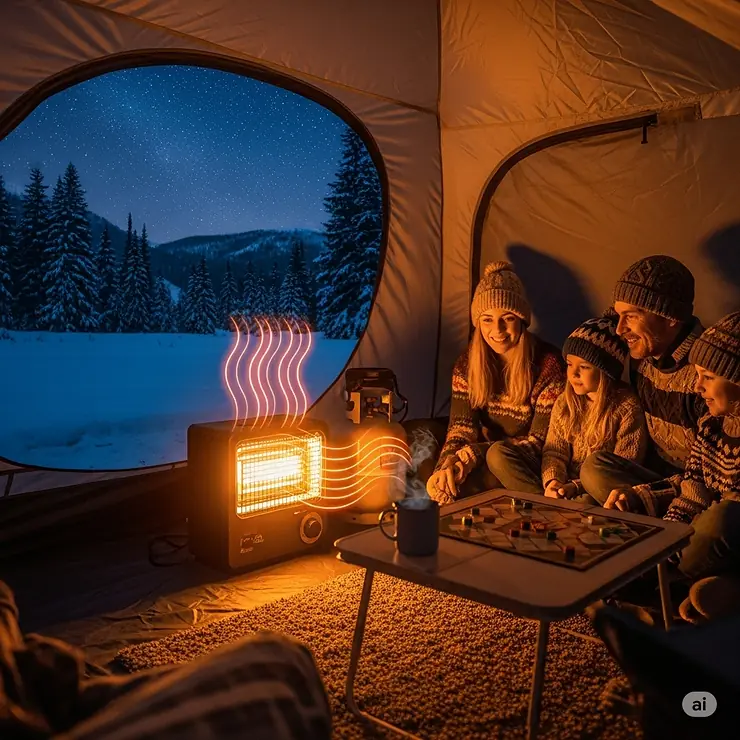
Radiant heating systems utilize infrared energy transmission, converting propane combustion into electromagnetic radiation that travels at the speed of light to warm surfaces directly. This technology proves particularly effective in outdoor applications where air movement would dissipate convective heat.
Heat exchanger design in forced-air systems maximizes surface area contact between hot combustion gases and circulating air. Advanced models like the Propex HS2000 use multi-stage heat exchangers that extract maximum energy from each BTU of propane consumed, achieving efficiency ratings exceeding 90%.
Material Science and Durability Factors
Burner construction typically utilizes stainless steel or ceramic materials that resist corrosion and maintain structural integrity under repeated heating cycles. 💪 The catalyst elements in catalytic heaters consist of platinum-impregnated substrates that maintain effectiveness through thousands of heating cycles.
Regulator components face significant stress from pressure variations, temperature extremes, and contaminant exposure. High-quality units feature brass construction with precision-machined components that maintain accurate pressure control throughout their service life.
Case materials must balance weight considerations with durability requirements. Aluminum construction offers excellent corrosion resistance and heat dissipation while maintaining portability, while steel construction provides superior impact resistance for demanding applications.
Performance Metrics and Testing Standards
BTU output ratings undergo standardized testing procedures that measure heat production under controlled conditions. However, real-world performance varies significantly based on altitude, ambient temperature, fuel quality, and ventilation requirements. 📊
Safety certifications from organizations like CSA (Canadian Standards Association) and UL (Underwriters Laboratories) verify that heaters meet stringent safety requirements for indoor use, emissions control, and fail-safe operation.
Efficiency measurements consider both fuel consumption rates and heat transfer effectiveness. Modern propane heater for camping models achieve efficiency ratings between 85-99%, with catalytic systems typically showing the highest efficiency numbers.
Comprehensive Setup and Usage Guide
Pre-Installation Assessment and Planning
Successful propane camper heater installation begins with thorough space assessment and heating load calculations. 📐 Measure your camping space carefully, considering ceiling height, insulation quality, and typical outdoor temperature ranges you’ll encounter. A well-insulated 20-foot travel trailer typically requires 15,000-20,000 BTU capacity for comfortable heating in moderate winter conditions.
Ventilation planning proves absolutely critical for safe operation. Most propane heater for camper applications require a minimum of 3-5 square inches of fresh air intake per 1,000 BTU of heater output. Plan ventilation openings that provide adequate airflow without creating uncomfortable drafts.
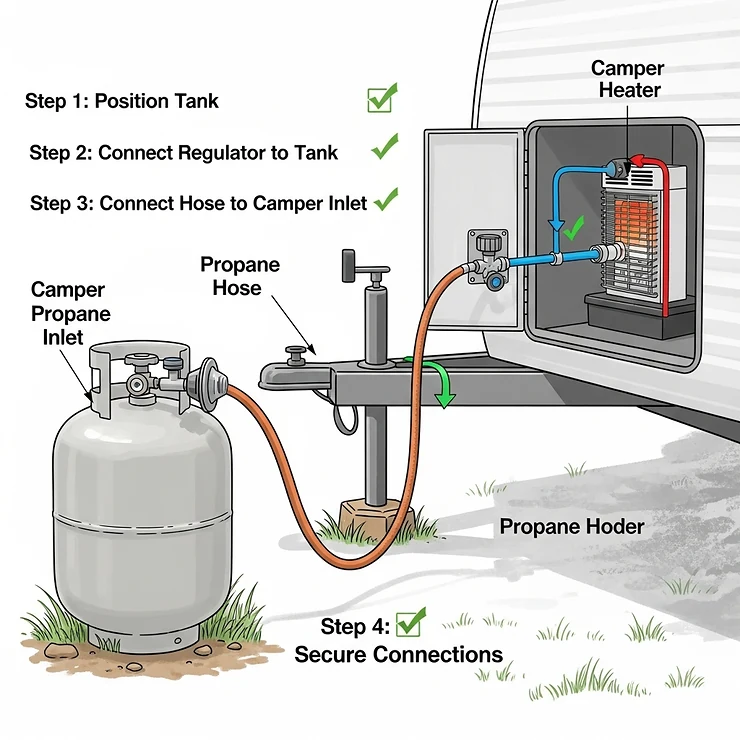
Fuel system design involves selecting appropriate tank sizes, regulators, and distribution systems. Single-stage regulators work well for most portable applications, while two-stage systems provide more consistent pressure for permanently installed units. Consider propane tank placement to minimize line lengths while maintaining easy access for refilling.
Installation Procedures and Safety Protocols
Professional installation is strongly recommended for permanently mounted systems like the Propex HS2000, which requires gas line connections, electrical wiring, and exhaust system installation. 🔧 However, portable units offer excellent DIY-friendly options for most camping situations.
Gas leak testing must be performed on all connections using soapy water solutions or electronic leak detectors. Even minor leaks can create serious safety hazards in enclosed spaces. Test all connections at operating pressure and recheck after the first few uses.
Clearance requirements vary by heater type and BTU output. Catalytic units like the Camco Olympian Wave-3 typically require 6-12 inches of clearance on all sides, while radiant heaters may need 18-36 inches in the direction of heat output.
Operating Procedures and Optimization Techniques
Proper startup procedures ensure safe, efficient operation throughout your camping season. 🚀 Begin by checking propane tank levels, verifying adequate ventilation, and ensuring all safety systems function correctly. Most units require a brief startup period where fuel lines prime and burners reach optimal operating temperature.
Temperature control strategies help maximize comfort while minimizing fuel consumption. Start with lower heat settings and adjust upward as needed, allowing the heater time to warm your space gradually. This approach prevents rapid temperature swings and reduces condensation formation.
Maintenance scheduling includes regular cleaning of burner surfaces, checking gas connections for corrosion or damage, and testing safety systems. Monthly inspection of oxygen depletion sensors and tip-over switches ensures these critical safety features remain functional.
User Compatibility and Training
Age and physical capability considerations affect heater selection and operation. 👥 Lighter units like the Mr. Heater Little Buddy (under 10 pounds) offer easier handling for seniors or those with physical limitations, while larger units provide more heating capacity for families or groups.
Skill level requirements vary significantly between heater types. Portable catalytic units require minimal technical knowledge, while permanently installed forced-air systems demand basic understanding of gas systems, electrical connections, and ventilation principles.
Training family members or travel companions on safe operation procedures prevents accidents and ensures everyone can operate the heating system confidently. Cover startup procedures, emergency shutdown protocols, and basic troubleshooting techniques.
Detailed Product Reviews and Analysis
Mr. Heater Portable Buddy MH9BX – The Gold Standard
The Mr. Heater Portable Buddy MH9BX has earned its reputation as America’s most popular portable propane camper heater through years of reliable performance and innovative safety features.
🏆 This radiant heater delivers adjustable output from 4,000 to 9,000 BTU, making it perfectly sized for spaces up to 225 square feet.
Key Specifications:
- BTU Range: 4,000-9,000 (adjustable)
- Heating Coverage: Up to 225 sq ft
- Fuel Consumption: 0.099-0.218 gallons/hour
- Runtime on 20lb tank: 40-90 hours
- Weight: 9.4 pounds
- Dimensions: 14.25″ x 9″ x 15″
- Safety Features: ODS, tip-over protection, piezo ignition
Real-World Performance: Customer reviews consistently praise the Buddy’s ability to quickly warm RV interiors, with many users reporting comfortable temperatures within 20-30 minutes of startup. The adjustable heat output proves particularly valuable for maintaining consistent comfort levels as outside temperatures fluctuate.
Professional Applications: Construction workers and outdoor professionals appreciate the Buddy’s portability and reliability in temporary work shelters, hunting blinds, and equipment sheds. The fold-down handle and compact design make it easy to transport between job sites.
Mr. Heater Little Buddy F215100 – Compact Efficiency
The Mr. Heater Little Buddy serves as the perfect introduction to safe propane heating for camping, offering 3,800 BTU output in an ultraportable 5.8-pound package.
🎒 This compact catalytic heater excels in tent camping and small space applications where weight and size constraints limit larger heating options.
Performance Analysis: Despite its small size, the Little Buddy effectively heats spaces up to 95 square feet, making it ideal for 2-person tents, ice fishing shelters, and small camper spaces. The 45-degree heating angle provides focused warmth that directly reaches users without wasting energy heating unused areas.
Customer Feedback: Users consistently report 5-6 hours of runtime on a single 1-pound propane cylinder, with many praising the heater’s quiet operation and reliable piezo ignition system. The automatic shut-off features provide peace of mind for overnight use in properly ventilated spaces.
Gasland MHA18BN – Maximum Power and Versatility
For serious heating power, the Gasland MHA18BN delivers an impressive 18,000 BTU output capable of heating spaces up to 450 square feet.
⚡ This cabinet-style heater features three adjustable heat settings (high/medium/low) and includes built-in wheels for easy positioning.
Technical Excellence: The radiant heating design provides efficient heat distribution, while the enclosed propane tank storage maintains a clean, professional appearance. The included 10-foot hose and regulator assembly allows connection to standard 20-pound propane tanks with professional-grade components.
Real-World Applications: Large RV owners and workshop users appreciate the MHA18BN’s ability to quickly heat substantial spaces. Customer reviews indicate the heater can warm a 20×20 garage from 35°F to 65°F in approximately 15-20 minutes on high setting.
Operating Costs: With a 20-pound propane tank, users report 20 hours of runtime on high setting and up to 69 hours on low setting, providing excellent value for extended heating needs.
Camco Olympian Wave-3 – Silent Catalytic Excellence
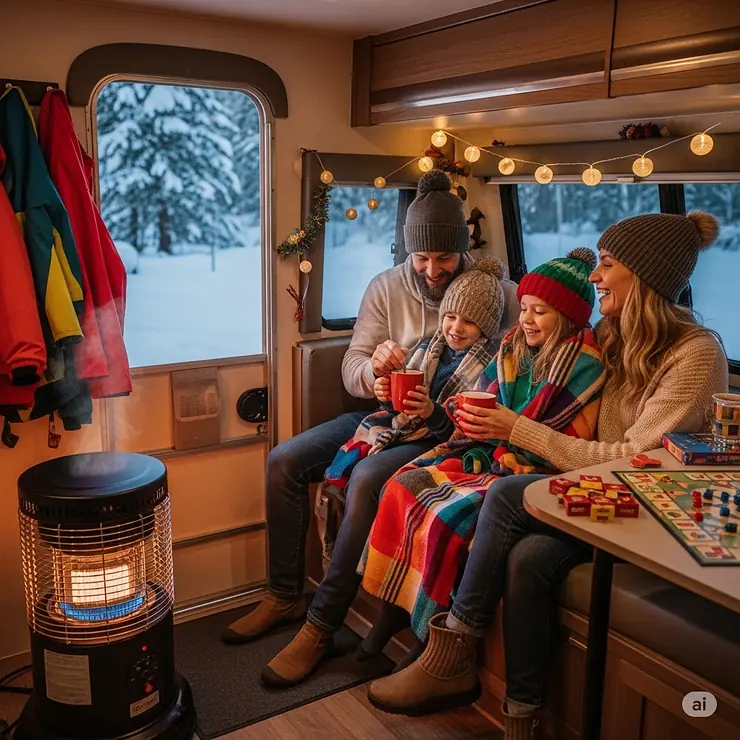
The Camco Olympian Wave-3 represents the pinnacle of catalytic heating technology, offering 1,600-3,000 BTU output in a completely silent, flameless design.
🔇 This wall-mountable unit excels in applications where noise reduction and safety are paramount concerns.
Catalytic Technology Advantages: The platinum catalyst system operates at 99.98% efficiency, producing no flame, noise, or electrical requirements beyond the piezo ignition system. This makes it ideal for overnight heating in sleeping areas where conventional heaters might disturb rest.
Installation Versatility: The Wave-3 can operate as a portable unit with optional leg stands or mount permanently to walls or other surfaces. The low-profile design (12.6″ x 3.9″ x 2″) fits easily in tight spaces where larger heaters cannot operate.
Maintenance Benefits: Catalytic heaters require minimal maintenance compared to flame-based systems. The self-generating piezo starter is rated for 20,000 ignitions, typically providing many years of reliable service.
Advanced Heating Solutions
Propex HS2000 – Professional-Grade Excellence
The Propex HS2000 represents the premium tier of propane camper heater technology, offering 6,500 BTU forced-air heating with sophisticated electronic controls and monitoring systems.
🚁 This unit requires professional installation but provides heating performance that rivals residential furnace systems.
Technology Integration: The HS2000 features advanced combustion monitoring that continuously checks flame quality, airflow, case temperature, and electrical systems. Any deviation from normal parameters triggers automatic shutdown and diagnostic indicator lighting.
Installation Requirements: Professional installation includes gas line connections, 12V electrical wiring, exhaust ducting, and combustion air intake systems. The compact dimensions (12.4″ x 6.5″ x 3.7″) allow installation in tight spaces under beds or in storage compartments.
Operating Economics: The thermostat control system maintains precise temperature control while minimizing fuel consumption. Users report excellent fuel efficiency, with 30-40 hours of intermittent operation from a 20-pound propane tank in moderate weather conditions.
Coleman BlackCat PerfecTemp – Innovative Portable Design
The Coleman BlackCat utilizes PerfecTemp catalytic technology to provide 3,000 BTU heating in a compact, portable design perfect for tent camping and outdoor activities.
🏕️ The folding leg system and carrying handle make it one of the most travel-friendly options available.
PerfecTemp Technology: Coleman’s proprietary catalytic system operates without flame while providing consistent heat output regardless of fuel level or ambient temperature. The platinum catalyst maintains effectiveness through thousands of heating cycles.
Portability Features: The integrated legs fold into the collar for compact storage, while the easy-grip handle facilitates comfortable carrying. At just 6.5 pounds, the BlackCat proves ideal for backpack camping and situations where weight matters.
Fuel Efficiency: Operating on 16.4-ounce disposable propane cylinders, the BlackCat provides 6-7 hours of heating on high setting or up to 14 hours on low setting, making it economical for weekend camping trips.
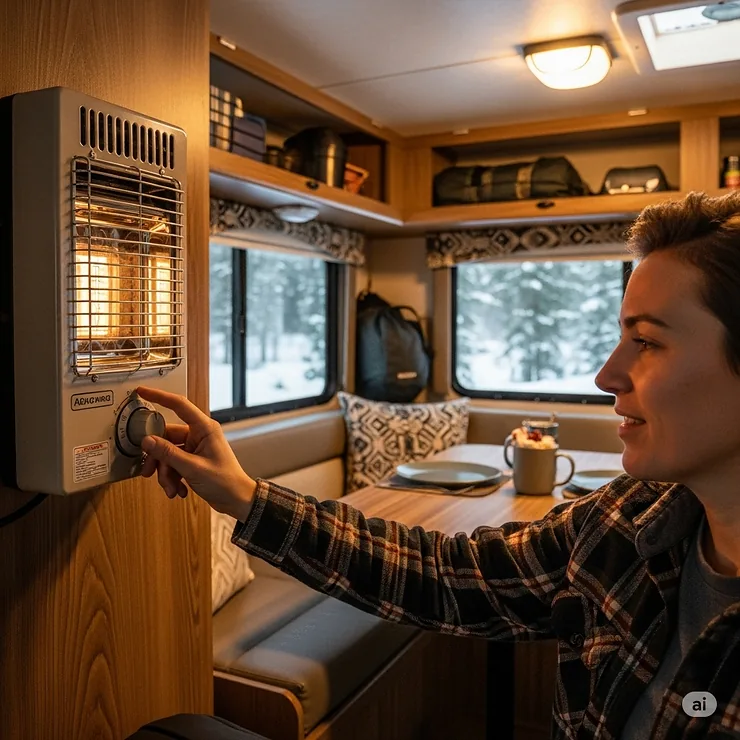
Maintenance and Longevity
Preventive Maintenance Schedules
Establishing regular maintenance routines dramatically extends propane camper heater lifespan while ensuring safe, efficient operation. 📅 Monthly inspections should include visual checks of gas lines, connections, and burner components for signs of corrosion, damage, or insect nests that could obstruct airflow.
Daily Use Maintenance:
- Check propane tank levels and connections
- Verify adequate ventilation openings
- Test ignition systems and safety features
- Clean exterior surfaces of dust and debris
Weekly Maintenance:
- Inspect exhaust outlets for obstructions
- Check regulator operation and pressure
- Test oxygen depletion sensor functionality
- Verify tip-over switch operation
Monthly Maintenance:
- Clean burner surfaces and catalyst elements
- Inspect fuel lines for flexibility and damage
- Test electrical connections and thermostat accuracy
- Lubricate moving parts per manufacturer specifications
Seasonal Maintenance:
- Complete combustion system inspection
- Replace worn components and seals
- Professional safety system testing
- Fuel system leak testing under pressure
Troubleshooting Common Issues
Understanding common propane heater for camping problems and their solutions helps maintain reliable operation and prevents minor issues from becoming major repairs. 🔧 Most problems fall into categories of fuel delivery, ignition, combustion, or safety system malfunctions.
Ignition Problems: Poor ignition often results from moisture in the ignition system, low battery voltage in electronic ignition units, or dirt accumulation on electrodes. Clean ignition components with fine-grade steel wool and ensure adequate electrical power supply.
Fuel Flow Issues: Restricted fuel flow typically indicates regulator problems, kinked lines, or tank valve issues. Check all connections for proper tightness and inspect regulators for internal debris or damage. Cold weather can affect regulator performance, requiring time for components to reach operating temperature.
Combustion Problems: Yellow flames, soot production, or incomplete combustion suggest inadequate air supply, contaminated fuel, or burner obstruction. Ensure proper ventilation and check for spider webs, dust, or other debris blocking air passages.
Safety System Malfunctions: Oxygen depletion sensors may become contaminated with dust or cooking residues, causing premature shutdown. Clean sensor elements according to manufacturer instructions and test in known good air conditions.
Replacement Parts and Warranties
Quality propane camper heater manufacturers provide comprehensive parts support and warranty protection for their products.
🛡️ Mr. Heater offers extensive parts availability through their dealer network and direct factory service, with most components available for units up to 10 years old.
Commonly Replaced Components:
- Thermocouples and oxygen sensors (2-3 year intervals)
- Regulators and gas valves (5-7 year intervals)
- Ignition systems and thermostats (3-5 year intervals)
- Catalyst elements in catalytic heaters (7-10 year intervals)
Warranty Coverage: Most manufacturers provide 1-3 year warranties covering manufacturing defects and component failures. Extended warranties often available for permanently installed systems like the Propex HS2000, providing up to 5 years of coverage.
Professional installation often includes additional warranty coverage from installers, covering labor costs and ensuring proper system integration. This proves particularly valuable for complex systems requiring gas line work and electrical connections.
### Don’t Miss These Exclusive Deals! 🔥
→Take your winter camping to the next level with these carefully selected propane camper heater models. Click on any highlighted item to check current pricing and availability. These heating solutions will help you stay warm and comfortable during your coldest adventures! ⛄
Total Cost of Ownership Analysis
Long-term ownership costs extend beyond initial purchase price to include fuel consumption, maintenance expenses, and replacement component costs over the heater’s service life. 💰 Catalytic heaters like the Camco Olympian Wave-3 typically show lower total costs due to superior fuel efficiency and minimal maintenance requirements.
Fuel Cost Calculations: Based on average propane costs of $2.50-3.00 per gallon, heating a moderately insulated RV in 40°F weather costs approximately:
- Small catalytic heater (3,000 BTU): $1.50-2.00 per day
- Medium radiant heater (9,000 BTU): $3.00-4.50 per day
- Large forced-air heater (18,000 BTU): $6.00-9.00 per day
Maintenance Cost Projections: Annual maintenance costs typically range from $25-75 for portable units and $100-200 for permanently installed systems. Professional service calls for complex units like the Propex HS2000 may cost $150-300 but often prevent expensive component failures.
Replacement Schedules: Quality portable heaters often provide 10-15 years of reliable service with proper maintenance, while permanently installed systems may operate effectively for 15-20 years or more. Factor replacement costs into long-term budget planning for optimal value.
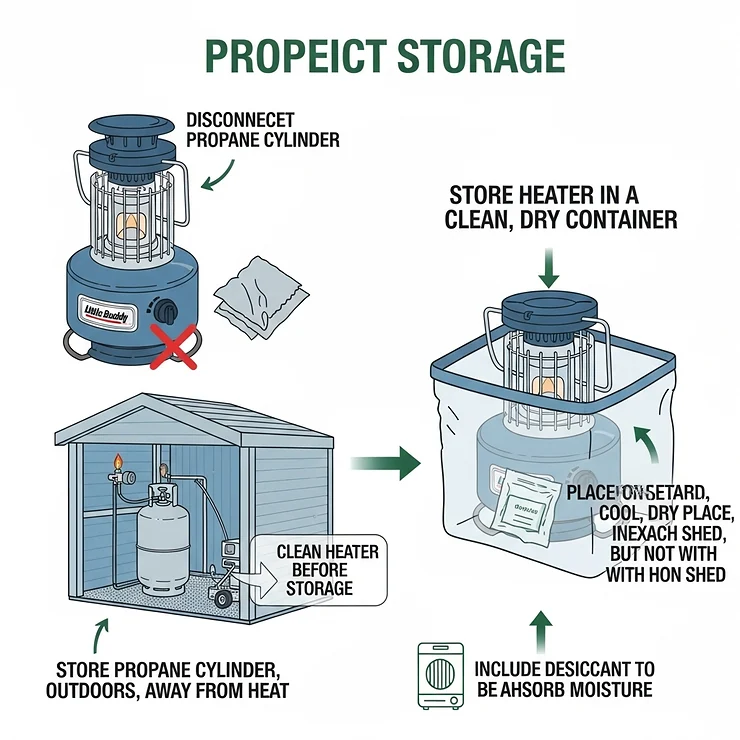
Comparative Analysis
Traditional vs Modern Heating Approaches
The evolution from traditional camping heating methods to modern propane camper heater technology represents a quantum leap in safety, efficiency, and convenience. 🚀 Early camping heating relied on wood-burning stoves, alcohol heaters, and basic propane appliances that offered minimal safety features and poor fuel efficiency.
Traditional Heating Limitations:
- Open flame safety risks in confined spaces
- Poor fuel efficiency and inconsistent heat output
- Limited temperature control and automation
- High maintenance requirements and component failure rates
- Inadequate safety systems for unattended operation
Modern Propane Heater Advantages:
- Advanced safety systems with automatic shutdown
- Precise temperature control and thermostat operation
- Superior fuel efficiency reducing operating costs
- Quiet operation suitable for overnight use
- Compact designs maximizing usable space
Price-to-Performance Analysis
Value assessment in propane heater for camping selection involves balancing initial cost against performance capabilities, operating efficiency, and expected service life.
📊 Budget-friendly options like the Mr. Heater Little Buddy ($60-75) provide excellent value for occasional use, while premium units like the Propex HS2000 ($850-1,200) justify higher costs through superior performance and longevity.
Entry-Level Value Champions: The Coleman BlackCat ($85-110) and Mr. Heater Little Buddy ($60-75) offer excellent performance for weekend camping and light-duty applications. These units provide essential heating capability without advanced features, making them ideal for budget-conscious campers.
Mid-Range Performance Leaders: The Mr. Heater Buddy MH9BX ($70-85) and Camco Olympian Wave-3 ($140-180) represent the sweet spot of price-to-performance ratio, offering professional-grade safety features and reliability at moderate cost levels.
Premium Performance Systems: High-end units like the Propex HS2000 provide residential-quality heating performance with sophisticated controls and monitoring systems. While initial costs are substantial, the combination of efficiency, reliability, and longevity often provides superior long-term value for full-time RV users.
Integration with Existing Systems
Modern RV and camper electrical systems offer excellent compatibility with propane heating systems that require 12V power for fans, controls, and safety systems.
🔌 Most quality heating units draw minimal electrical power (1-4 amps), making them compatible with standard RV electrical systems and battery capacities.
Battery Impact Assessment: Catalytic heaters like the Camco Olympian Wave-3 require no electrical power beyond ignition, making them ideal for dry camping situations where battery conservation is critical. Forced-air units consume more power but often provide more even heat distribution.
Propane System Integration: Existing RV propane systems typically provide adequate capacity for heating applications. Standard 20-30 pound tanks offer excellent runtime for most heating needs, while larger 40-100 pound tanks provide extended autonomy for full-time use.
Ventilation System Compatibility: Existing RV ventilation systems often provide adequate fresh air supply for propane heater operation. However, additional ventilation may be required for high-BTU units or when operating multiple propane appliances simultaneously.
Case Studies and Success Stories
Case Study 1: Full-Time RV Living in Alaska
John and Sarah Mitchell converted a 35-foot Class A motorhome for full-time Alaska living, installing a Propex HS2000 as their primary heating system supplemented by a Mr. Heater Buddy for spot heating.
🏔️ Their system provides reliable heating in temperatures down to -30°F while maintaining reasonable propane consumption.
Installation Details: The Propex unit mounts under the master bed with ducted outlets in the living area, bedroom, and bathroom. The system operates automatically via digital thermostat, maintaining 68°F interior temperature with minimal battery drain.
Performance Results: During a typical Alaska winter, the Mitchells consume approximately 100 pounds of propane monthly for heating, cooking, and hot water. The Propex provides 70% of their heating needs, with the Buddy heater handling supplemental warming during extreme cold periods.
Lessons Learned: Proper insulation upgrades proved essential for efficient operation. Adding thermal window coverings and sealing air leaks reduced heating loads by approximately 30%, significantly improving fuel efficiency and comfort levels.
Case Study 2: Weekend Warriors in Colorado Mountains
The Johnson family uses a 24-foot travel trailer for weekend skiing trips in Colorado, relying on a Mr. Heater Buddy MH9BX for primary heating.
🎿 Their setup provides reliable heating for family camping at elevations up to 10,000 feet throughout the winter season.
Usage Patterns: Weekend trips typically consume 10-15 pounds of propane for heating, cooking, and hot water. The Buddy heater provides quick warm-up capability and comfortable temperatures during overnight stays in sub-freezing conditions.
Cost Analysis: Annual propane costs for heating average $150-200, comparing favorably to campground electric heating hookup fees. The family appreciates the flexibility to camp in primitive locations without electrical services.
Safety Experiences: Proper ventilation practices and carbon monoxide monitoring provide peace of mind for family camping. The children learned proper heater operation procedures, creating valuable outdoor skills and safety awareness.
Case Study 3: Professional Hunter’s Base Camp
Outfitter Mike Thompson operates a hunting camp in Montana, using Gasland MHA18BN heaters in wall tents and temporary shelters.
🏹 The high-BTU output provides comfortable conditions for clients during multi-day hunting expeditions in challenging weather.
Commercial Application: Four heaters provide heating for sleeping tents, cooking shelters, and equipment areas. The wheeled design allows easy repositioning as camp activities change throughout the day.
Reliability Requirements: Daily operation for 6-8 hours over 3-month hunting seasons demands robust construction and reliable ignition systems. The Gasland units have provided three seasons of trouble-free operation with minimal maintenance requirements.
Client Satisfaction: Comfortable sleeping conditions and warm gathering areas significantly enhance client experiences, leading to repeat bookings and positive referrals. The reliable heating contributes directly to business success and reputation.
Future Trends and Market Evolution
Emerging Technologies and Innovation Directions
The propane camper heater industry continues evolving toward increased efficiency, enhanced safety, and improved user experiences.
🚀 Emerging technologies include smart thermostats with smartphone connectivity, advanced combustion monitoring systems, and hybrid heating solutions that combine propane with renewable energy sources.
Smart Technology Integration: Next-generation heaters will feature WiFi connectivity allowing remote monitoring and control via smartphone apps. Users will be able to pre-heat their RVs before arrival, monitor fuel consumption, and receive maintenance alerts through integrated systems.
Advanced Safety Systems: Future safety developments include multi-gas detection systems that monitor carbon monoxide, propane, and oxygen levels simultaneously. Enhanced air quality monitoring will provide early warning of potential problems while optimizing combustion efficiency.
Fuel System Innovations: Improved regulator technology will provide more precise fuel delivery while reducing sensitivity to temperature and altitude variations. Quick-connect fittings and tool-free installation systems will simplify setup and maintenance procedures.
Market Trends and Consumer Behavior Shifts
The growing popularity of RV travel and outdoor recreation drives increasing demand for efficient, reliable heating solutions.
📈 Younger generations entering the RV market prioritize technology integration, environmental responsibility, and user-friendly operation in their heating system choices.
Sustainability Considerations: Environmental awareness influences consumer preferences toward high-efficiency heating systems that minimize fuel consumption and emissions. Propane’s clean-burning characteristics position it favorably compared to diesel or wood-burning alternatives.
Full-Time Living Growth: Increasing numbers of people choosing full-time RV living drive demand for residential-quality heating systems. Units like the Propex HS2000 that provide automatic operation and consistent comfort gain popularity in this growing market segment.
Adventure Tourism Expansion: The growth of adventure tourism and overlanding creates demand for portable, reliable heating solutions suitable for extreme conditions and remote locations. Manufacturers respond with ruggedized designs and enhanced cold-weather capability.
Personalization and Customization Possibilities
Future heating systems will offer increased customization options to match specific user needs and preferences.
🎨 Modular designs will allow users to configure heating capacity, control systems, and installation options for their unique applications.
Zoned Heating Systems: Advanced systems will provide independent temperature control for different areas of larger RVs, optimizing comfort while minimizing fuel consumption. Smart thermostats will learn user preferences and automatically adjust heating patterns.
Integration with Home Automation: Heating systems will integrate with broader home automation platforms, coordinating with lighting, security, and entertainment systems. Voice control and automated scheduling will enhance user convenience and system efficiency.
Aesthetic Customization: Heating units will offer improved aesthetic integration with RV interiors through customizable colors, finishes, and design elements. Sleeker profiles and hidden installation options will minimize visual impact while maintaining performance.
Industry Predictions and Upcoming Developments
Industry experts predict continued consolidation among heating system manufacturers, leading to improved standardization and parts availability.
🔮 Major RV manufacturers will increasingly offer factory-installed heating systems optimized for specific floor plans and usage patterns.
Regulatory Developments: Enhanced safety standards will drive improvements in automatic shutdown systems, emissions control, and user interface design. Standardized testing procedures will provide better performance comparisons between different heating technologies.
Cost Reduction Trends: Manufacturing improvements and increased competition will drive down costs for advanced heating systems, making premium features available in mid-range products. This democratization of technology will benefit all segments of the camping market.
International Market Expansion: Growing global interest in recreational vehicle travel will drive international expansion of leading heating system manufacturers. Products will be adapted for different fuel standards, regulatory requirements, and climate conditions worldwide.
Investment and Purchase Decision Framework
Cost-Benefit Analysis Framework
Successful propane camper heater selection requires systematic evaluation of costs, benefits, and risk factors specific to your camping style and requirements.
💡 Create a decision matrix that weights factors like initial cost, operating expenses, performance capabilities, and expected service life according to your priorities.
Initial Investment Categories:
- Equipment cost ($60-1,200 depending on complexity)
- Installation expenses ($0-500 for professional installation)
- Accessories and installation materials ($25-200)
- Safety equipment (CO detectors, leak detectors): $50-150
Operating Cost Projections: Calculate annual fuel consumption based on expected usage patterns. Weekend campers typically spend $100-300 annually on heating fuel, while full-time users may consume $800-1,500 worth of propane for heating applications.
Performance Value Assessment: Quantify benefits like extended camping seasons, improved comfort levels, and enhanced safety compared to alternative heating methods. Consider the value of automatic operation, consistent temperature control, and reliable cold-weather performance.
Implementation Strategy Templates
Successful heating system implementation follows systematic approaches that ensure proper selection, installation, and operation.
📋 Develop implementation timelines that account for research, product selection, installation scheduling, and system testing before critical use periods.
Phase 1: Requirements Analysis (2-4 weeks)
- Assess heating needs and space requirements
- Research available products and technologies
- Establish budget parameters and performance priorities
- Consult with experienced users and professionals
Phase 2: Product Selection (1-2 weeks)
- Compare shortlisted products against requirements
- Verify availability and pricing from multiple sources
- Read user reviews and professional evaluations
- Make final selection and arrange purchase
Phase 3: Installation and Testing (1-3 weeks)
- Schedule professional installation if required
- Perform system testing and safety verification
- Complete user training and documentation
- Conduct initial operation under controlled conditions
Phase 4: Optimization and Refinement (ongoing)
- Monitor system performance and fuel consumption
- Adjust operation procedures for optimal efficiency
- Perform scheduled maintenance and inspections
- Document lessons learned and best practices
Decision Criteria and Evaluation Matrices
Objective product evaluation requires systematic comparison of candidate heaters against weighted selection criteria.
🎯 Develop scoring systems that reflect your specific priorities while maintaining objectivity in the decision process.
Primary Selection Criteria:
- Safety features and certifications (Weight: 25%)
- Heating capacity and coverage area (Weight: 20%)
- Fuel efficiency and operating costs (Weight: 20%)
- Reliability and maintenance requirements (Weight: 15%)
- Initial cost and value proposition (Weight: 10%)
- Installation complexity and requirements (Weight: 10%)
Secondary Evaluation Factors:
- Manufacturer reputation and support quality
- Parts availability and warranty coverage
- User interface design and operation simplicity
- Noise levels and aesthetic considerations
- Portability and storage requirements
Risk Assessment Considerations: Evaluate potential failure modes and their consequences for your camping plans. Consider backup heating options and emergency procedures for system failures in critical situations.
Budget Planning and Financing Options
Comprehensive budget planning includes initial equipment costs, installation expenses, ongoing operating costs, and maintenance reserves.
💰 Many users underestimate total ownership costs, leading to budget overruns and dissatisfaction with their heating system choices.
Equipment Financing: Many retailers offer financing options for heating system purchases, particularly for higher-value units like the Propex HS2000. Zero-interest promotional financing can make premium systems more accessible while preserving cash flow for other camping investments.
Installation Cost Management: DIY installation saves significant costs for portable units but requires careful attention to safety requirements and manufacturer specifications. Professional installation provides peace of mind and warranty protection for complex systems.
Operating Cost Controls: Implement fuel conservation strategies like improved insulation, programmable thermostats, and efficient operation procedures. These investments often pay for themselves through reduced fuel consumption while improving comfort levels.
Maintenance Budgeting: Establish annual maintenance budgets of $50-200 depending on system complexity. Preventive maintenance proves much more cost-effective than emergency repairs, particularly during camping season when service availability may be limited.
Frequently Asked Questions
❓ How long does a propane camper heater run on a 20 lb tank?
❓ Is it safe to sleep with a propane heater for camper running overnight?
❓ What size propane heater for camping do I need for a 25-foot RV?
❓ Can propane camper heater models work at high altitude camping?
❓ How much does it cost to heat a camper with propane heater for camping options?
Recommended for You
- 10 Best Portable Propane Heaters for Outdoors: Ultimate Warmth Solutions 2025
- 7 Best Small Propane Patio Heater Options to Transform Your Outdoor Space in 2025
- 7 Best Outdoor Patio Heaters Electric That Actually Work in 2025 – Ultimate Guide
Disclaimer: This article contains affiliate links. If you purchase products through these links, we may earn a small commission at no additional cost to you.
✨ Found this helpful? Share it with your friends! 💬🤗
