
In This Article
The Revolution of Window Mounted Heat Pumps 🌡️
Are you tired of struggling with inefficient heating and cooling systems that drain your wallet and fail to provide consistent comfort? If so, you’re not alone. Homeowners across America are discovering the incredible benefits of window mounted heat pump technology. Unlike traditional HVAC systems that require extensive installation and maintenance, these compact powerhouses offer an accessible solution for year-round climate control.
Window mounted heat pump systems have revolutionized how we think about residential temperature management. Rather than dealing with separate heating and cooling appliances, these versatile units handle both functions efficiently in one streamlined device. Moreover, they provide significant energy savings compared to conventional systems, making them increasingly popular among eco-conscious consumers.
In this comprehensive guide, we’ll explore everything you need to know about window mounted heat pump technology. From understanding how these systems work to comparing the top models on the market, we’ve got you covered. Whether you’re looking to upgrade your current setup or installing a climate control system for the first time, this article will help you make an informed decision that perfectly suits your needs.
What Exactly Is a Window Mounted Heat Pump? 🔍
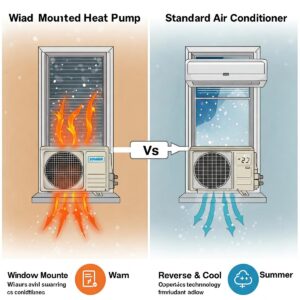
Before diving into specific models and recommendations, it’s essential to understand what makes a window mounted heat pump different from other HVAC options. Fundamentally, a window mounted heat pump is a self-contained unit that transfers heat between indoor and outdoor environments. Unlike conventional air conditioners that only cool or standard heaters that only warm, heat pumps efficiently perform both functions.
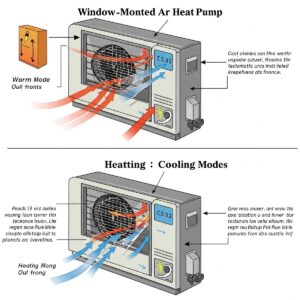
The science behind these systems is fascinating. During warm months, a window mounted heat pump extracts heat from your indoor air and expels it outside, cooling your living space. Conversely, in colder weather, the process reverses—the unit captures heat from the outside air (yes, even cold air contains some heat energy) and brings it indoors to warm your home. This dual functionality makes window mounted heat pump systems incredibly versatile compared to single-purpose appliances.
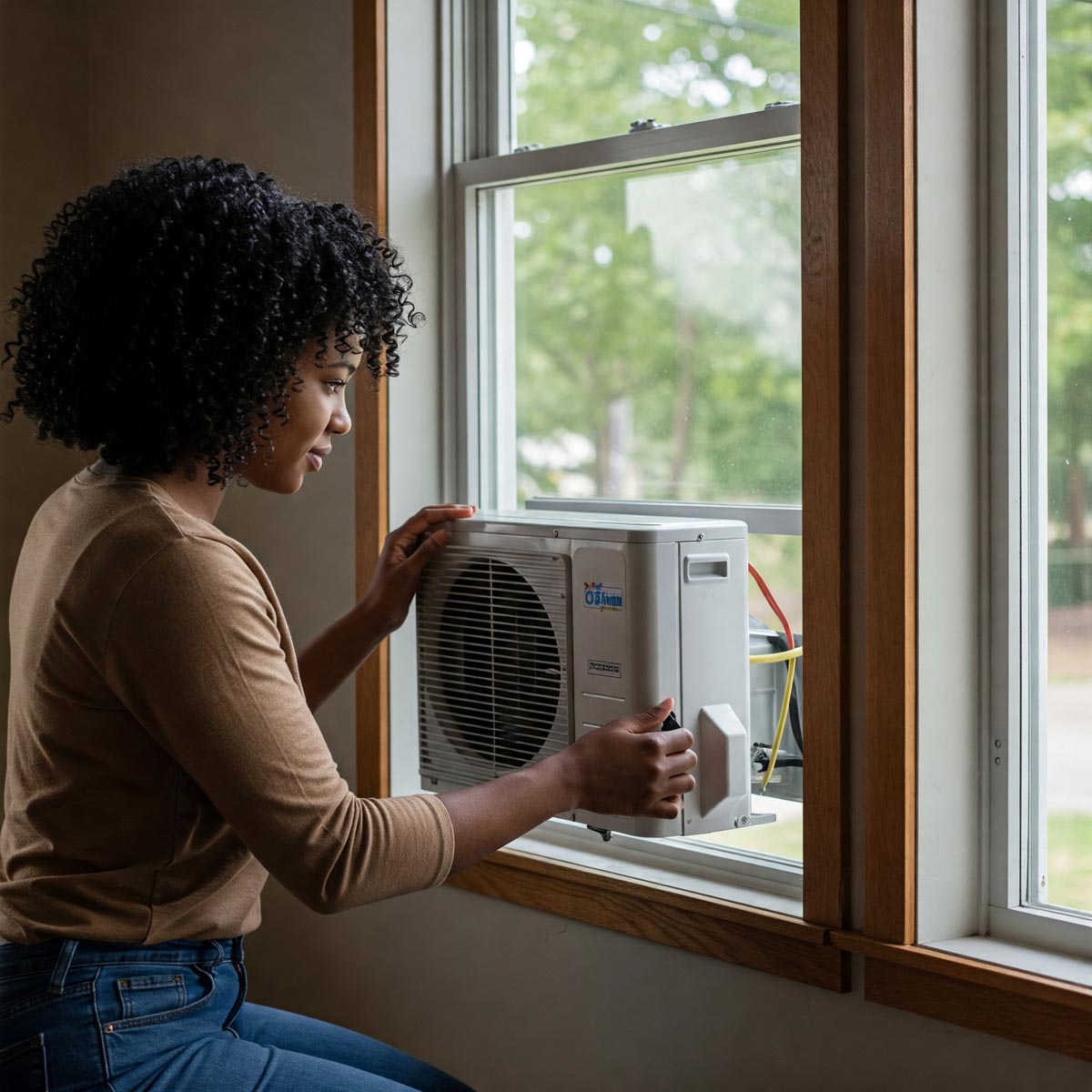
Installation typically involves mounting the unit in a standard window frame, similar to a window air conditioner. However, one significant advantage of window mounted heat pump technology is that once installed, you won’t need to remove or replace it seasonally. Furthermore, these systems require minimal modification to your home, making them ideal for renters or homeowners who prefer non-permanent solutions.
Key Benefits of Choosing a Window Mounted Heat Pump ✅
Energy Efficiency and Cost Savings 💰
One of the most compelling reasons to consider a window mounted heat pump is its remarkable energy efficiency. According to the U.S. Department of Energy, heat pumps can reduce electricity usage for heating by approximately 50% compared to electric resistance heating like furnaces or baseboard heaters. This translates to significant savings on your utility bills, particularly if you live in a moderate climate.
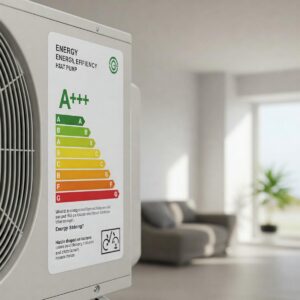
Additionally, many window mounted heat pump models now come with Energy Star certification, indicating that they meet strict efficiency guidelines established by the EPA. These high-efficiency units often qualify for rebates or tax incentives, further enhancing their cost-effectiveness over time.
Environmental Benefits 🌿
For environmentally conscious homeowners, window mounted heat pump systems offer a greener alternative to conventional heating and cooling methods. Their enhanced efficiency means they consume less electricity, which reduces your carbon footprint significantly. Moreover, modern heat pumps use refrigerants with lower global warming potential than older models, minimizing their environmental impact even further.
According to a study published in Environmental Research Letters, widespread adoption of heat pump technology could reduce residential carbon emissions by up to 70% in many regions. By choosing a window mounted heat pump, you’re not just enhancing your comfort—you’re also contributing to a more sustainable future.
Space-Saving Design 📏
Unlike central HVAC systems that require dedicated indoor and outdoor components, ductwork, and substantial installation space, window mounted heat pumps offer a compact solution that doesn’t sacrifice performance. This space-saving design makes them particularly valuable for:
- Apartment dwellers with limited installation options
- Older homes without existing ductwork
- Additions or renovated spaces where extending central systems would be prohibitively expensive
- Single-room climate control needs, such as home offices or bedrooms
The self-contained nature of these units means you won’t need to allocate precious closet or basement space to heating and cooling equipment, preserving your valuable living area.
Year-Round Comfort in One Device 🌤️
Perhaps the most practical advantage of a window mounted heat pump is the convenience of having both heating and cooling capabilities in a single unit. This eliminates the need to install, maintain, and store separate seasonal appliances. With a quality window mounted heat pump, you simply adjust the settings as the seasons change, enjoying consistent comfort throughout the year with minimal effort.
How to Choose the Right Window Mounted Heat Pump for Your Needs 🔎
Selecting the perfect window mounted heat pump involves considering several crucial factors. Let’s explore these key considerations to help you make an informed decision:
Sizing Considerations: Getting It Right the First Time 📊
Proper sizing is arguably the most important factor when selecting a window mounted heat pump. A unit that’s too small will struggle to maintain comfortable temperatures during extreme weather, while an oversized system may cycle on and off frequently, reducing efficiency and comfort.
To determine the appropriate size for your space:
- Calculate the square footage of the room or area you plan to heat and cool
- Consider ceiling height (rooms with ceilings higher than 8 feet may require larger units)
- Evaluate insulation quality and window efficiency
- Account for local climate conditions
As a general guideline, heat pumps are rated by BTU (British Thermal Units) capacity. For most residential applications, you’ll need approximately 20 BTU per square foot of living space. However, this can vary based on the factors mentioned above. Many manufacturers provide sizing calculators on their websites to help you make the right choice.
Energy Efficiency Ratings: SEER and HSPF Explained 🏆
When comparing different window mounted heat pump models, pay close attention to these efficiency ratings:
- SEER (Seasonal Energy Efficiency Ratio): Measures cooling efficiency. Higher numbers indicate greater efficiency, with premium models typically offering SEER ratings of 18 or above.
- HSPF (Heating Seasonal Performance Factor): Indicates heating efficiency. Look for ratings of 8.2 or higher for optimal performance.
According to Consumer Reports, investing in a unit with higher efficiency ratings may cost more upfront but can save hundreds of dollars annually in operating costs. This is particularly true if you live in areas with extreme temperatures or high electricity rates.
Noise Levels: Finding Your Comfort Zone 🔊
Since window mounted heat pumps are installed directly in living spaces, noise consideration is crucial for your daily comfort. Contemporary models have made significant improvements in this area, with the quietest units operating at around 40-45 decibels (similar to a library whisper).
When evaluating noise levels:
- Check both indoor and outdoor decibel ratings
- Look for models with variable-speed fans that run quieter during normal operation
- Consider units with night mode or quiet operation settings
- Read user reviews specifically mentioning noise performance in real-world conditions
Smart Features and Connectivity Options 📱
Modern window mounted heat pump technology has embraced smart home integration, offering convenient features that enhance user experience and efficiency:
- WiFi connectivity for remote operation via smartphone apps
- Voice control compatibility with systems like Amazon Alexa or Google Assistant
- Programmable schedules for optimal efficiency
- Adaptive learning capabilities that adjust to your preferences
- Energy usage monitoring to track consumption and savings
These smart features not only add convenience but can also improve efficiency by optimizing operation based on your actual usage patterns. According to research from the American Council for an Energy-Efficient Economy, smart thermostats and controls can reduce heating and cooling energy consumption by an additional 8-15% in many homes.
10 Best Window Mounted Heat Pump Systems in 2025 🥇
After extensive research and consideration of performance metrics, energy efficiency, user feedback, and expert evaluations, we’ve compiled this definitive list of the top window mounted heat pump options available today. Each has been selected for its exceptional balance of features, reliability, and value.
1. Midea U-Shaped Window Heat Pump: The Innovation Leader
The Midea U-Shaped model has revolutionized the window mounted heat pump market with its unique design. The U-shape allows you to close the window partially over the middle section, providing better insulation, improved security, and significantly reduced noise levels compared to traditional units.
Key Features:
- 12,000 BTU capacity (suitable for spaces up to 550 sq ft)
- Industry-leading 20 SEER and 10 HSPF ratings
- Ultra-quiet operation at just 42 decibels
- WiFi connectivity with smartphone control
- Energy Star certified
Pros:
- Innovative design blocks outdoor noise more effectively
- Window can be opened while unit remains installed
- Superior energy efficiency reduces operating costs
- Maintains performance in temperatures as low as 5°F
Cons:
- Higher initial investment compared to basic models
- Installation is slightly more complex than standard units
- Requires a specific window width range
2. Frigidaire Gallery Series GHWQ083WC1: Premium Performance
The Frigidaire Gallery Series offers exceptional heating and cooling performance with a focus on comfort features and reliability. This window mounted heat pump combines powerful operation with thoughtful design elements.
Key Features:
- 8,000 BTU capacity (ideal for spaces up to 350 sq ft)
- 19 SEER and 9.5 HSPF ratings
- Ready-Select electronic controls with remote
- Multi-stage filtration system for improved air quality
- Variable-speed inverter technology
Pros:
- Excellent dehumidification capabilities
- Energy-saving sleep mode
- Quick installation with included insulation materials
- Reliable performance in most climate conditions
Cons:
- Fan noise may be noticeable at highest settings
- Heavier than some comparable models
- Limited smart home integration
3. LG Dual Inverter Window Heat Pump LP1419IVSM: Efficiency Champion
LG’s Dual Inverter technology sets this window mounted heat pump apart by eliminating the inefficient start-stop cycles of conventional units. This results in exceptional energy savings and more precise temperature control.
Key Features:
- 14,000 BTU capacity (covers spaces up to 800 sq ft)
- Best-in-class 22 SEER and 11 HSPF ratings
- 44% more energy-efficient than federal standards
- 4-way air direction control
- ThinQ technology for smart home integration
Pros:
- Whisper-quiet operation even at maximum capacity
- Maintains efficiency even in extreme temperatures
- Saves up to 25% on energy costs compared to conventional models
- 10-year warranty on compressor
Cons:
- Premium price point
- Requires strong window support due to weight
- Initial setup of smart features can be challenging
4. Amana APH14M: Best Value Option
The Amana APH14M delivers reliable performance at a more accessible price point, making it our top value recommendation for window mounted heat pump shoppers on a budget.
Key Features:
- 10,000 BTU capacity (suitable for spaces up to 450 sq ft)
- 17 SEER and 8.5 HSPF ratings
- 3-in-1 functionality (heating, cooling, dehumidification)
- Programmable 24-hour timer
- Washable, reusable air filter
Pros:
- Excellent price-to-performance ratio
- Simple, intuitive controls
- High-density foam insulation included
- Reliable customer service and support
Cons:
- Fewer advanced features than premium models
- Slightly higher noise levels during operation
- Limited compatibility with non-standard windows
5. Friedrich YL10N10C: Best for Extreme Climates
For homeowners in regions with particularly harsh winters or scorching summers, the Friedrich YL10N10C stands out for its exceptional performance in extreme temperature conditions.
Key Features:
- 10,000 BTU capacity (effective in spaces up to 450 sq ft)
- Commercial-grade construction
- Diamond-coated heat exchanger for enhanced durability
- Operates efficiently down to -5°F
- EntryGard anti-intrusion protection
Pros:
- Superior performance in extreme temperatures
- Heavy-duty components ensure long-term reliability
- Enhanced security features
- Industry-leading warranty coverage
Cons:
- Higher weight requires sturdy window installation
- Premium pricing reflects commercial-grade construction
- Higher power requirements than some competing models
6. Haier ESAQ406T: Quietest Operation
If noise level is your primary concern, the Haier ESAQ406T window mounted heat pump offers the quietest operation in its class, making it ideal for bedrooms, nurseries, or home offices.
Key Features:
- 6,000 BTU capacity (perfect for spaces up to 250 sq ft)
- Compressor blanket for ultra-quiet operation (as low as 38 decibels)
- 4 operating modes including “Quiet” setting
- 24-hour timer with sleep function
- Cross-flow fan design for improved air circulation
Pros:
- Nearly silent operation at low settings
- Ideal for light sleepers or noise-sensitive environments
- Compact design works with smaller windows
- Energy-saving mode reduces consumption
Cons:
- Limited capacity for larger spaces
- Fewer smart features than some competitors
- May struggle in extreme temperature conditions
7. GE Profile PHC08LY: Best Smart Integration
The GE Profile PHC08LY sets the standard for smart home integration with its comprehensive connectivity features and intuitive controls.
Key Features:
- 8,000 BTU capacity (covers spaces up to 350 sq ft)
- Works with Amazon Alexa, Google Assistant, Apple HomeKit, and IFTTT
- WiFi connected with geofencing capability
- Energy monitoring and usage reports
- Advanced air filtration with PM1.0 filter
Pros:
- Seamless integration with existing smart home ecosystems
- Voice control functionality
- Location-based operation adjusts when you’re away
- Detailed energy consumption analytics
Cons:
- Requires stable WiFi connection for advanced features
- Higher price point than non-connected alternatives
- Some features require subscription after trial period
8. Keystone KSTAW08PICE: Most Compact Design
For smaller windows or limited space applications, the Keystone KSTAW08PICE offers powerful performance in a compact package without compromising on essential features.
Key Features:
- 8,000 BTU capacity in a reduced footprint design
- Fits windows as narrow as 23 inches
- 3 cooling and heating speeds
- Follow Me remote with built-in thermostat
- Clean-filter alert system
Pros:
- Works with windows too small for standard units
- Lightweight design simplifies installation
- Energy-saving auto mode
- Removable chassis for seasonal maintenance
Cons:
- Smaller size may limit maximum capacity
- Fan noise more noticeable due to compact dimensions
- Basic control interface compared to premium models
9. Senville SENL-12CD: Best for Large Spaces
When cooling and heating larger areas, the Senville SENL-12CD delivers exceptional performance with the capacity to maintain comfortable temperatures in open floor plans or spacious rooms.
Key Features:
- 12,000 BTU capacity (effective in spaces up to 550 sq ft)
- DC inverter technology for precise temperature control
- 5 operating modes including turbo function
- Auto-restart after power outages
- Corrosion-resistant construction for coastal environments
Pros:
- Powerful airflow reaches throughout larger spaces
- Quick cooling/heating capability
- Self-diagnosis system for troubleshooting
- Performs well in high-humidity environments
Cons:
- Requires 220V outlet for optimal performance
- Substantial weight may require installation assistance
- Higher power consumption at maximum settings
10. Pioneer WYS012A-19: Most Versatile Installation Options
Rounding out our list, the Pioneer WYS012A-19 offers unparalleled installation flexibility, making it suitable for a wide range of window types and mounting situations.
Key Features:
- 12,000 BTU capacity (suitable for spaces up to 550 sq ft)
- Compatible with casement, sliding, and standard windows
- Adjustable chassis for various window depths
- Permanent washable filters with antimicrobial treatment
- Leak detection system with automatic shutdown
Pros:
- Adapts to unconventional window configurations
- Complete installation kit included
- Robust security mounting system
- Comprehensive coverage warranty
Cons:
- More complex initial setup than standard models
- Requires periodic professional maintenance
- Limited availability compared to major brands
Comparison Table: Top Window Mounted Heat Pumps at a Glance
| Model | BTU Capacity | Suitable Area | SEER Rating | HSPF Rating | Noise Level | Smart Features | Price Range |
|---|---|---|---|---|---|---|---|
| Midea U-Shaped | 12,000 BTU | Up to 550 sq ft | 20 SEER | 10 HSPF | 42 dB | WiFi, App Control | $$$$ |
| Frigidaire Gallery | 8,000 BTU | Up to 350 sq ft | 19 SEER | 9.5 HSPF | 45 dB | Limited | $$$ |
| LG Dual Inverter | 14,000 BTU | Up to 800 sq ft | 22 SEER | 11 HSPF | 44 dB | ThinQ, Voice Control | $$$$$ |
| Amana APH14M | 10,000 BTU | Up to 450 sq ft | 17 SEER | 8.5 HSPF | 48 dB | None | $$ |
| Friedrich YL10N10C | 10,000 BTU | Up to 450 sq ft | 18 SEER | 9.8 HSPF | 46 dB | Limited | $$$$ |
| Haier ESAQ406T | 6,000 BTU | Up to 250 sq ft | 16 SEER | 8.2 HSPF | 38 dB | None | $$ |
| GE Profile PHC08LY | 8,000 BTU | Up to 350 sq ft | 18 SEER | 9.0 HSPF | 43 dB | Full Ecosystem | $$$$ |
| Keystone KSTAW08PICE | 8,000 BTU | Up to 350 sq ft | 17 SEER | 8.5 HSPF | 47 dB | Follow Me Remote | $$ |
| Senville SENL-12CD | 12,000 BTU | Up to 550 sq ft | 19 SEER | 9.6 HSPF | 45 dB | Auto-Restart | $$$ |
| Pioneer WYS012A-19 | 12,000 BTU | Up to 550 sq ft | 18 SEER | 9.2 HSPF | 44 dB | Leak Detection | $$$ |
Transform Your Home Comfort Today! 🌟
Ready to experience the perfect climate in your home year-round? These window mounted heat pump models represent the best options on today’s market. Click on any of our recommended products above to check current pricing and availability on Amazon. With energy-efficient heating and cooling at your fingertips, you’re just one click away from optimal comfort in any season! 🏠❄️🔥
Installation Tips for Your Window Mounted Heat Pump 🔧
Proper installation is crucial for maximizing the efficiency and lifespan of your window mounted heat pump. While professional installation is always an option, many homeowners successfully complete this process themselves. Here’s a step-by-step guide to ensure your installation goes smoothly:
Before You Begin: Essential Preparations
- Measure carefully: Verify your window dimensions match the requirements of your chosen unit. Most window mounted heat pump systems require a double-hung window with specific minimum width and height.
- Check electrical requirements: Most units require a dedicated 115V or 220V circuit with the appropriate amperage. Consult your model’s specifications and ensure your home’s electrical system can accommodate these needs.
- Gather necessary tools: Typically, you’ll need a screwdriver, level, measuring tape, and possibly a drill. Some manufacturers include specialized installation brackets or hardware.
- Review local regulations: Some homeowners associations or rental properties have restrictions regarding window-mounted appliances. Additionally, check if your municipality requires permits for HVAC installations.
Step-by-Step Installation Process
- Prepare the window opening: Clean the window sill thoroughly and ensure the surface is level. If not, you may need to add weatherproof shims to create a level base.
- Attach side brackets: Most window mounted heat pump units come with extendable side panels. Secure these to the main unit according to the manufacturer’s instructions.
- Position the unit: With assistance (these units are heavy), carefully place the heat pump on the window sill, ensuring the exhaust portion extends outside while the controls face inward.
- Secure the unit: Lower the window sash against the top of the unit. Use the included brackets to fasten the heat pump securely to the window frame, preventing any movement.
- Extend side panels: Adjust the side panels to fill any gaps between the unit and the window frame, then secure them according to the installation manual.
- Apply weatherstripping: Use the provided foam insulation to seal any remaining gaps, ensuring energy efficiency and preventing insects or debris from entering.
- Establish proper drainage: Most window mounted heat pump systems collect condensation during operation. Ensure the unit is slightly tilted toward the exterior (typically ¼ inch) to allow proper drainage.
- Test operation: Once physically installed, plug in the unit and test both heating and cooling functions to ensure everything is working properly.
According to This Old House, proper installation can improve a heat pump’s efficiency by up to 15%, highlighting the importance of following manufacturer guidelines carefully.
Maintenance Tips to Maximize Performance and Lifespan ⚙️
Regular maintenance is essential for keeping your window mounted heat pump operating at peak efficiency. Implementing these simple care routines can extend the lifespan of your unit and prevent costly repairs:
Monthly Maintenance Tasks
- Clean or replace air filters: This is perhaps the most important regular maintenance task. Clogged filters restrict airflow, reducing efficiency and potentially damaging components. Most models have washable filters that should be cleaned monthly during heavy use seasons.
- Inspect exterior components: Check the outdoor portion of the unit for debris, leaves, or other obstructions that could impede airflow. Use a soft brush or vacuum to gently remove any accumulated material.
- Check condensation drainage: Ensure the condensate drain is functioning properly. Clogged drains can lead to water damage and reduced dehumidification performance.
Seasonal Maintenance Recommendations
- Spring preparation: Before cooling season begins, thoroughly clean the unit, check refrigerant lines for damage, and test cooling function. This is also a good time to clean evaporator coils if accessible.
- Fall preparation: Prior to heating season, inspect all seals and weatherstripping, clean condenser coils, and test heating operation. Consider using a coil cleaner specifically designed for heat pumps.
- Professional inspection: Having a qualified HVAC technician inspect your window mounted heat pump annually can identify potential issues before they become major problems. According to ASHRAE (American Society of Heating, Refrigerating and Air-Conditioning Engineers), professional maintenance can extend equipment life by 15-20%.
When to Consider Professional Service
While routine maintenance can be handled by most homeowners, certain situations warrant professional attention:
- Unusual noises during operation
- Significant decrease in heating or cooling performance
- Ice formation on exterior components during cooling mode
- Electrical issues such as tripping breakers
- Refrigerant leaks (indicated by oil spots or hissing sounds)
By maintaining your window mounted heat pump properly, you’ll not only extend its useful life but also ensure it operates at maximum efficiency, saving you money on energy costs throughout the years.
Upgrade Your Home Climate Control Today! 🌤️
Don’t wait another season to experience the perfect indoor climate! The window mounted heat pump models we’ve reviewed represent the cutting edge in home comfort technology. With energy-efficient operation, versatile installation options, and smart features for enhanced control, these units deliver exceptional value for any homeowner. Click any of our recommended products to check current Amazon pricing and take the first step toward year-round comfort! 🏡💨❄️
Common Questions About Window Mounted Heat Pumps 🤔
How do window mounted heat pump systems compare to mini-split systems? 📊
Window mounted heat pump units and mini-split systems serve similar purposes but differ significantly in installation, cost, and application:
- Installation: Window units require minimal modification to your home and can be installed by most homeowners. Mini-splits require professional installation including refrigerant handling and electrical work.
- Cost: Window mounted heat pumps typically range from $500-$1,500, while mini-split systems start around $1,500 and can exceed $5,000 with installation.
- Aesthetics: Mini-splits have a lower profile inside your home, while window units are more visible and occupy window space.
- Efficiency: High-end window units can approach the efficiency of basic mini-splits, but generally, mini-splits offer superior SEER and HSPF ratings.
- Permanence: Window units can be removed or relocated relatively easily, while mini-splits represent a more permanent installation.
According to a study by the National Renewable Energy Laboratory, the right choice depends primarily on your specific needs, with window units offering excellent value for temporary solutions or smaller spaces.
Can window mounted heat pumps really work in cold climates? ❄️
Modern window mounted heat pump technology has made significant advancements in cold-weather performance. While earlier generations struggled in temperatures below freezing, many contemporary models operate efficiently down to 5°F or lower.
Key considerations for cold climate performance include:
- HSPF rating: Higher ratings indicate better cold-weather efficiency
- Supplemental heating elements: Some premium models include backup resistance heating for extremely cold conditions
- Defrost cycles: Advanced defrost technology prevents ice buildup on outdoor coils
For moderate cold climates (where temperatures occasionally drop below freezing), most premium window mounted heat pump systems perform admirably. However, in regions with extended periods below 0°F, you may need to supplement with additional heating sources during extreme cold snaps.
What’s the typical lifespan of a window mounted heat pump? ⏱️
With proper maintenance and care, quality window mounted heat pump units typically last 10-15 years. This compares favorably to the 8-10 year average lifespan of standard window air conditioners, making them a more durable investment.
Factors affecting longevity include:
- Usage patterns: Units that run continuously experience more wear than those used intermittently
- Maintenance regularity: Regular cleaning and professional service significantly extend lifespan
- Installation quality: Proper installation prevents unnecessary strain on components
- Environmental factors: Coastal salt air or high pollution can accelerate wear
Many manufacturers offer extended warranties of 5-10 years on sealed system components, reflecting their confidence in modern heat pump durability.
Are window mounted heat pumps energy efficient compared to other heating options? 💡
Window mounted heat pump systems are remarkably efficient compared to traditional electric resistance heating methods such as space heaters, baseboard heaters, or electric furnaces. Heat pumps can deliver 2-3 times more heat energy than the electrical energy they consume.
Compared to other heating options:
- Vs. Electric Resistance: Heat pumps typically use 50-60% less electricity
- Vs. Oil Furnaces: Generally more efficient, especially in moderate climates
- Vs. Gas Furnaces: Competitive in regions with high gas prices or mild winters
- Vs. Central Heat Pumps: Slightly less efficient, but without ductwork losses
The American Council for an Energy-Efficient Economy notes that the greatest efficiency advantages occur in moderate climates where temperatures rarely drop below 30°F for extended periods.
Conclusion: Embracing the Future of Home Climate Control 🏆
As we’ve explored throughout this comprehensive guide, window mounted heat pump technology represents an excellent solution for efficient, versatile home climate control. These systems offer impressive energy savings, year-round comfort, and increasingly smart features that enhance user experience and performance.
The market for window mounted heat pump units continues to evolve rapidly, with manufacturers consistently improving efficiency, cold-weather performance, and user-friendly features. When selecting the right model for your needs, consider your specific space requirements, local climate conditions, and desired features to make an informed decision.
Whether you’re looking to supplement an existing HVAC system, provide climate control in a space without central air, or simply seeking a more efficient solution for year-round comfort, today’s window mounted heat pump options deliver remarkable performance in compact, user-friendly packages.
Take Control of Your Home Comfort Now! 🌟
Ready to experience the perfect balance of efficiency, performance, and value? The window mounted heat pump models we’ve reviewed represent the best options available today. Click on any of our top recommendations to check current pricing and availability on Amazon. With year-round comfort just a click away, there’s never been a better time to upgrade your home climate system! 🏠🌡️✨
More FAQs:
❓ What’s the typical cost to install a window mounted heat pump?
❓ How energy efficient are window mounted heat pumps compared to traditional units?
❓ What maintenance is required for a window mounted heat pump?
❓ Are window mounted heat pumps noisy during operation?
❓ How do window mounted heat pumps compare to portable AC units?
Recommended for You:
- 7 Best Wood Heater for Garage Options to Transform Your Workspace in 2025
- Wood Stove with Heat Shield: 7 Best Options for Safe & Efficient Heating in 2025
- How to Reduce Your Carbon Footprint with Modern Appliances
Disclaimer: This article contains affiliate links. If you purchase products through these links, we may earn a small commission at no additional cost to you.
