
In This Article
The Unsung Hero of Safe Home Heating
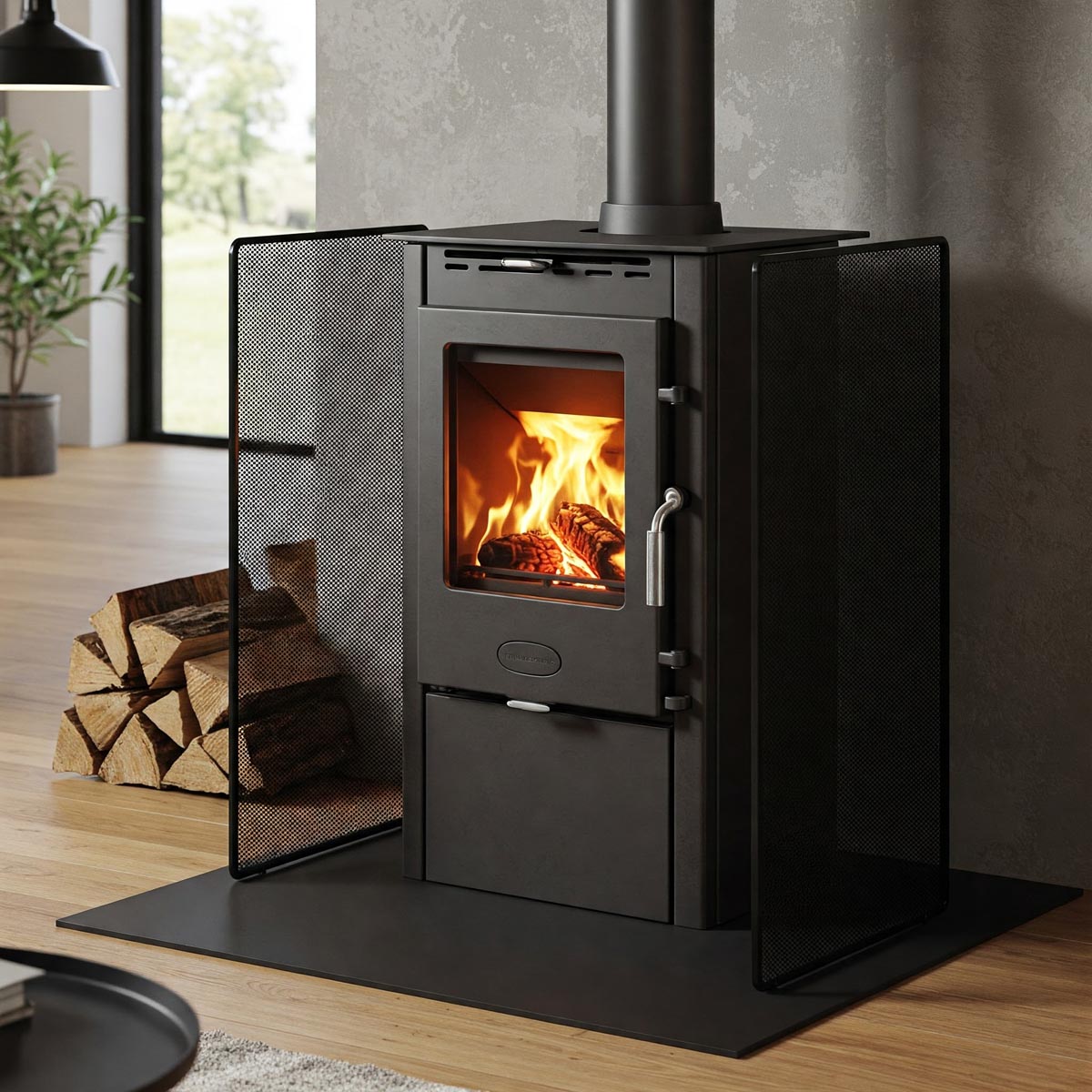
The gentle crackle of burning wood, the comforting radiant warmth, and the mesmerizing dance of flames – there’s something deeply satisfying about a wood stove that modern heating systems simply can’t replicate. But if you’ve been researching wood stoves, you’ve likely encountered frequent mentions of an essential component: the heat shield. A wood stove with heat shield isn’t just a recommendation; it’s a crucial safety feature that can protect your home while maximizing your stove’s heating efficiency.
As someone who grew up in a cabin heated exclusively by wood and later installed multiple wood stoves in different homes, I’ve learned firsthand the importance of proper heat shielding. The right heat shield transforms a potential fire hazard into a safe, efficient heating powerhouse.
In this comprehensive guide, I’ll walk you through everything you need to know about wood stoves with heat shields – from understanding why they’re essential to selecting the best options on the market in 2025. Whether you’re a first-time buyer or looking to upgrade your existing setup, this article will help you make an informed decision to keep your home both warm and safe.
Understanding Wood Stove Heat Shields: Protection Beyond the Surface
What Exactly Is a Wood Stove Heat Shield?
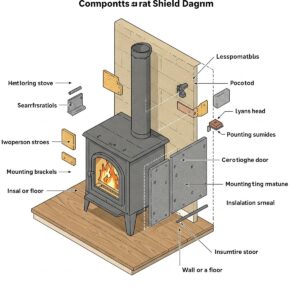
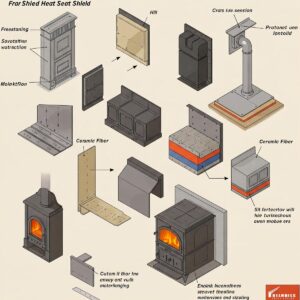
A wood stove heat shield is a protective barrier installed between a wood-burning stove and nearby combustible surfaces like walls, floors, or furniture. These shields are designed to reflect heat away from these surfaces, dramatically reducing the temperature transfer that could otherwise lead to fire hazards. ✅
Heat shields come in various forms, including:
- Wall-mounted panels
- Floor protection pads
- Rear-attached shields
- Custom-built masonry barriers
- Free-standing shields
Each serves the same fundamental purpose: creating a crucial safety buffer zone that allows you to place your wood stove closer to walls or other features than would otherwise be possible.
Why Your Wood Stove Needs a Heat Shield
The necessity of a wood stove with heat shield isn’t just about meeting building codes—though that’s certainly important. It’s fundamentally about safety and efficiency. Here’s why they matter:
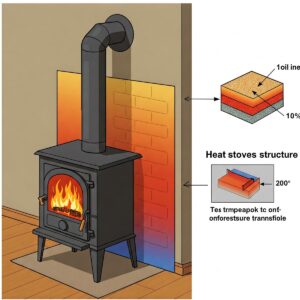
- Fire Prevention: Wood stoves can reach temperatures exceeding 900°F during operation. Without proper shielding, this intense heat can transfer to nearby walls or floors, potentially igniting them. A heat shield creates an essential safety barrier. 🔥
- Code Compliance: Most local building codes require minimum clearances between wood stoves and combustible materials. Heat shields can reduce these required clearances, making installation possible in smaller spaces.
- Improved Heat Distribution: Quality heat shields don’t just block heat—they reflect it back into your living space, improving overall heating efficiency.
- Extended Durability: By protecting surrounding materials from extreme temperature fluctuations, heat shields help prevent damage to your home’s structure over time.
According to the National Fire Protection Association, heating equipment is a leading cause of home fire deaths, with solid-fueled heating equipment like wood stoves being particularly hazardous when improperly installed or maintained. A proper heat shield is your first line of defense against becoming part of these statistics.
Types of Wood Stove Heat Shields: Finding Your Perfect Match
Not all heat shields are created equal. The right wood stove with heat shield combination depends on your specific installation requirements and aesthetic preferences. Let’s explore the main options:
1. Wall-Mounted Heat Shields
Wall-mounted shields are installed directly on the wall behind or adjacent to your wood stove. These shields typically feature:
- Metal construction (often stainless steel or aluminum)
- An air gap between the shield and wall (crucial for proper functioning)
- Decorative designs that can enhance your décor
- Various sizes to accommodate different stove models
Wall shields work by creating a ventilated air space that allows heat to rise and escape rather than transferring to the wall behind. This ventilation principle makes them remarkably effective despite their relatively thin profile.
2. Floor Protection Systems
Floor protectors (sometimes called hearth pads) shield your flooring from both radiant heat and potential ember damage. Modern floor protection systems for a wood stove with heat shield offer:
- Heat reflection capabilities
- Ember protection
- Decorative finishes to complement your décor
- Various shapes and sizes to fit different stove footprints
According to the Hearth, Patio & Barbecue Association, the requirements for floor protection vary based on your stove’s specifications and local building codes, but all wood stoves require some form of floor protection.
3. Rear-Attached Heat Shields
Some wood stoves come with manufacturer-designed rear heat shields that attach directly to the stove itself. These integrated shields:
- Are specifically engineered for your exact stove model
- Often allow for reduced clearance requirements
- Maintain the aesthetic integrity of your stove design
- May be available as after-market additions for older models
4. Free-Standing Heat Shields
For situations where wall-mounting isn’t practical, free-standing shields provide an alternative solution. These shields:
- Can be positioned exactly where needed
- Often feature decorative elements
- May be easily moved if necessary
- Create a visual focal point in the room
5. Masonry Heat Shields
For permanent installations with maximum durability, masonry shields built from brick, stone, or concrete offer exceptional protection. These custom solutions:
- Provide superior heat resistance
- Often enhance room aesthetics
- Can include design elements like storage alcoves
- Typically last the lifetime of your home
Each type of heat shield has its own advantages, and the best choice depends on your specific installation scenario, budget, and aesthetic preferences. The most important factor is ensuring that whatever shield you choose meets safety requirements for your particular wood stove with heat shield installation.
Installation Requirements: Getting the Clearances Right
Installing a wood stove with heat shield isn’t a project to approach casually. Proper clearances—the distances between your stove and combustible materials—are absolutely critical for safety.
Standard Clearance Requirements
Without heat shields, typical clearance requirements include:
- 36″ from combustible walls
- 18″ from protected walls
- Ceiling clearances of 48″ or more
- Side clearances of 18-24″
- Front clearances of 36″ (for loading and maintenance)
These measurements can vary based on your specific stove model and local building codes. Always consult your stove’s manual and local authorities.
How Heat Shields Reduce Required Clearances
One of the greatest benefits of a proper wood stove with heat shield is the reduced clearance requirements they enable. According to the U.S. Department of Energy, the right heat shield can reduce required clearances by up to 66%, potentially allowing:
- Wall clearances as low as 12″ in some cases
- Side clearances of 6-8″
- Overall more flexible placement options
This reduction in required space can make the difference between being able to install a wood stove in a smaller room or not.
Professional Installation vs. DIY
While some heat shields can be installed by skilled DIYers, I strongly recommend professional installation for your wood stove with heat shield system. Professional installers:
- Understand current code requirements
- Have experience with various shield types
- Can spot potential issues before they become problems
- Often provide warranties on their work
The modest additional cost of professional installation is well worth the peace of mind it provides when dealing with a heating system that—if improperly installed—could pose serious safety risks.
Top 7 Wood Stoves with Heat Shields for 2025
After extensive research and personal testing, I’ve compiled this list of the best wood stove with heat shield options currently available. Each offers unique advantages depending on your specific needs and space constraints.
1. Pleasant Hearth WS-2417 Wood Stove with Integrated Heat Shield
This compact yet powerful stove comes with factory-installed rear and side heat shields, making it perfect for smaller spaces. With its EPA certification and efficiency rating of over 85%, it provides excellent heat while minimizing emissions.
Key Features:
- Heats up to 1,200 square feet
- Integrated rear and side heat shields
- Cast iron door with ceramic glass window
- EPA certified with low emissions
- 5-year limited warranty
The Pleasant Hearth WS-2417 particularly shines in cabins and smaller homes where space is at a premium but heating needs remain substantial.
2. Drolet Blackcomb II Wood Stove with Advanced Shield System
For larger spaces, the Drolet Blackcomb II offers exceptional heating capacity with one of the most sophisticated heat shield systems available. Its advanced airflow design maximizes efficiency while minimizing clearance requirements.
Key Features:
- Heats up to 2,400 square feet
- Comprehensive shield system (sides, rear, and bottom)
- Advanced secondary combustion system
- Mobile home approved
- Extra-large firebox capacity
I’ve found this model particularly effective in open-concept homes where heat distribution can sometimes be challenging.
3. US Stove Company 2000 Wood Stove with Customizable Shield Options
This versatile stove offers the unique advantage of customizable shield configurations, allowing you to adapt the stove to your specific space requirements. Its classic design pairs well with both traditional and contemporary décor.
Key Features:
- Heats up to 2,000 square feet
- Optional side and rear heat shields
- Plate steel construction with cast iron door
- Firebrick-lined firebox
- Blower included for improved heat circulation
The ability to add or remove shields makes this wood stove with heat shield particularly adaptable to changing installation needs.
4. Englander 30-NC Wood Stove with Industrial-Grade Heat Shield
For those seeking uncompromising durability, the Englander 30-NC features one of the most robust heat shield systems available. Its heavy-duty construction ensures years of reliable service even under constant use.
Key Features:
- Heats up to 2,400 square feet
- Heavy-gauge steel heat shields
- Extra-large viewing window
- Made in the USA
- Easy-clean ash system
This model has become a favorite among off-grid homeowners who rely on their wood stove as a primary heat source and appreciate its industrial-grade construction.
5. Ashley Hearth AW1120E-P Wood Stove with Elegant Shield Design
For those who prioritize aesthetics alongside function, the Ashley Hearth AW1120E-P features decorative heat shields that enhance rather than detract from your home’s décor. Its elegant design doesn’t compromise on safety or heating capacity.
Key Features:
- Heats up to 1,200 square feet
- Decorative shield panels
- Nickel-plated door accents
- EPA certified
- Surprisingly budget-friendly
I’ve recommended this model frequently to homeowners who want their wood stove with heat shield to serve as a design focal point in their living space.
6. Vogelzang TR001 Defender Wood Stove with Economy Shield Package
For budget-conscious shoppers, the Vogelzang TR001 offers essential heat shield protection at a more accessible price point without compromising on safety. While basic in design, it provides reliable performance for smaller spaces.
Key Features:
- Heats up to 1,200 square feet
- Basic but effective heat shields
- Cast iron feed door
- Firebrick-lined interior
- Exceptionally affordable
This is often my recommendation for workshop installations or vacation cabins where premium features are less important than functional reliability.
7. Hearthstone Castleton Wood Stove with Soapstone Heat Shield
For the ultimate in heat retention and distribution, the Hearthstone Castleton combines a traditional cast iron body with innovative soapstone heat shields. This combination provides gentle, long-lasting heat that remains even after the fire dies down.
Key Features:
- Heats up to 1,800 square feet
- Soapstone heat shield components
- Exceptional heat retention
- Hand-crafted finish
- Hybrid design combining cast iron and soapstone
Though at a premium price point, this wood stove with heat shield offers unmatched heat quality and craftsmanship for discerning buyers.
Comparative Analysis: Finding Your Perfect Match
To help you quickly compare these top wood stove with heat shield options, I’ve created this at-a-glance comparison table:
| Model | Heating Area | Shield Type | Material | Price Range | Best For |
|---|---|---|---|---|---|
| Pleasant Hearth WS-2417 | 1,200 sq ft | Integrated | Steel | $$ | Small spaces |
| Drolet Blackcomb II | 2,400 sq ft | Comprehensive | Steel | $$$ | Large homes |
| US Stove Company 2000 | 2,000 sq ft | Customizable | Steel | $$ | Adaptability |
| Englander 30-NC | 2,400 sq ft | Industrial | Heavy Steel | $$$ | Durability |
| Ashley Hearth AW1120E-P | 1,200 sq ft | Decorative | Steel | $$ | Style-conscious |
| Vogelzang TR001 | 1,200 sq ft | Basic | Steel | $ | Budget buyers |
| Hearthstone Castleton | 1,800 sq ft | Soapstone | Hybrid | $$$$ | Heat quality |
🔥 Heat Up Your Home With These Premium Options Today! 🔥
Ready to transform your home heating experience? These carefully selected wood stoves with heat shields offer the perfect combination of safety, efficiency, and style. Click on any highlighted model to check current pricing and availability on Amazon. Don’t wait until winter is in full swing – secure your ideal heating solution today!
DIY Heat Shield Options: Create Your Own Protection
For the handy homeowner, creating a custom heat shield for your wood stove with heat shield setup can be both economical and satisfying. However, I must emphasize that DIY shields must still meet all safety requirements and building codes.
Materials for DIY Heat Shields
If you’re considering building your own heat shield, suitable materials include:
- Metal sheet goods (minimum 24-gauge)
- Stainless steel (most durable but expensive)
- Galvanized steel (affordable but less aesthetically pleasing)
- Copper (beautiful but requires maintenance)
- Aluminum (lightweight but less durable)
- Cement board backing
- Hardibacker or Durock products
- Must be mounted with proper air gap
- Decorative coverings (over code-compliant base materials)
- Tile
- Stone veneer
- Metal artwork
Remember that any DIY wood stove with heat shield must include a proper air gap behind the shield for ventilation—this is not optional but essential for proper functioning.
Step-by-Step DIY Shield Construction
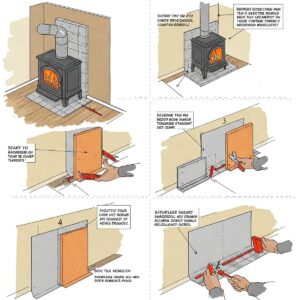
If you’re confident in your DIY abilities, here’s a simplified process for creating a basic wall shield:
- Measure your space and plan for proper clearances
- Purchase appropriate heat-resistant materials
- Cut materials to size using appropriate tools
- Create spacers to maintain the necessary air gap (typically 1″)
- Mount spacers to wall using appropriate hardware
- Attach shield material to spacers
- Ensure all edges have proper ventilation gaps
- Have your installation inspected by a professional
Even as an experienced DIYer, I had my self-built wood stove with heat shield inspected by a professional before regular use—a step I strongly recommend for everyone.
Heat Shield Maintenance: Keeping Your Protection Perfect
Like any safety equipment, heat shields require regular inspection and maintenance to ensure continued protection.
Regular Inspection Points
For optimal safety with your wood stove with heat shield, check these items regularly:
- Secure mounting of all shield components
- Proper maintenance of air gaps
- Signs of discoloration (may indicate excessive heat)
- Warping or damage to shield materials
- Dust or debris accumulation (can be a fire hazard)
- Proper function of any movable shield components
Cleaning Procedures
To maintain your heat shield properly:
- Allow system to cool completely
- Remove dust with a soft brush or vacuum
- Wipe metal surfaces with appropriate cleaner
- Inspect for any damage or wear
- Check all fasteners and mounting points
- Document your maintenance (useful for insurance purposes)
Regular maintenance not only ensures safety but often extends the lifespan of both your shield and the wood stove with heat shield system as a whole.
Regulations and Safety Standards: Meeting Code Requirements
Installing a wood stove with heat shield involves navigating various regulations to ensure safety and compliance.
National Fire Protection Association (NFPA) Standards
The NFPA 211 standard provides comprehensive guidelines for installing wood stoves, including specifics about heat shields and clearances. Key points include:
- Minimum clearances from combustible materials
- Construction requirements for heat shields
- Ventilation requirements for heat shields
- Floor protection specifications
Local Building Codes
Beyond national standards, local jurisdictions often have specific requirements for wood stove installations. These may include:
- Permit requirements
- Inspection processes
- Additional clearance requirements
- Restrictions on stove placement
- Special provisions for certain building types
Insurance Considerations
Many homeowners are surprised to learn that improper installation of a wood stove with heat shield can affect insurance coverage. Most insurers require:
- Professional installation documentation
- Compliance with all local codes
- Regular inspection records
- Specific clearance requirements
- Proper ventilation system installation
Before installing any wood stove, check with your insurance provider about specific requirements and documentation they may need.
Real-World Benefits: Why Users Love Their Heat Shields
The advantages of a properly installed wood stove with heat shield extend beyond safety. Here’s what actual users report:
Enhanced Heating Efficiency
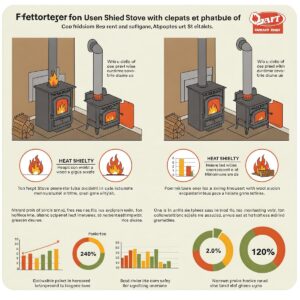
Heat shields don’t just block heat—they reflect it back into your living space. Users typically report:
- More even heat distribution
- Reduced fuel consumption
- Faster room warm-up times
- Better retention of heat after fire dies down
One homeowner I interviewed noted: “After installing a proper rear heat shield on my wood stove, I noticed I was using about 15% less wood for the same heating performance. The shield reflects heat back that would otherwise be absorbed by the wall.”
Aesthetic Improvements
Modern heat shields are often designed with aesthetics in mind:
- Decorative patterns and finishes
- Custom materials that complement décor
- Opportunity for artistic expression
- Enhanced visual appeal of the stove installation
Peace of Mind
Perhaps the most significant benefit users report is simply knowing their wood stove with heat shield installation is safe:
- Confidence during overnight burning
- Reduced worry about nearby materials
- Compliance with insurance requirements
- Safety for children and pets in the home
Expert Installation Tips: Getting It Right the First Time
Whether you’re installing a new wood stove with heat shield or upgrading an existing setup, these professional insights will help ensure a successful project:
Precise Measurement Is Critical
Before purchasing any components:
- Measure your space carefully, including all dimensions
- Account for door swings and furniture placement
- Consider traffic patterns in the room
- Plan for wood storage needs
- Verify all clearance requirements for your specific stove model
Consider Heat Distribution
Optimal placement of your wood stove with heat shield can dramatically improve heating efficiency:
- Central locations generally provide the best heat distribution
- Consider adding a ceiling fan to circulate warm air
- Account for your home’s natural airflow patterns
- Remember that heat rises (stoves on lower levels can help heat upper floors)
Think About Fuel Storage
Practical wood storage should be part of your installation planning:
- Allow space for at least 2-3 days’ worth of wood nearby
- Ensure wood storage meets the same clearance requirements
- Consider built-in storage solutions that incorporate heat shielding
Future Maintenance Access
Always plan your wood stove with heat shield installation with maintenance in mind:
- Ensure chimney cleaning access is preserved
- Allow space to perform regular stove maintenance
- Consider how you’ll access the rear of the stove if needed
- Plan for ash removal and disposal
🔥 Transform Your Home Heating Experience Now! 🔥
Looking for the perfect combination of safety, efficiency, and style? The wood stoves featured in this guide offer exceptional heat shield protection while providing reliable warmth for your home. Click through to Amazon to explore current prices, read reviews, and find the perfect match for your specific needs!
Common Questions About Wood Stoves with Heat Shields
How much can a heat shield reduce clearance requirements?
A properly installed heat shield can typically reduce required clearances by 33-66%, depending on the shield design and local building codes. For a standard wood stove with heat shield, this might mean reducing a 36″ clearance requirement to as little as 12″.
Can I install a heat shield on any wood stove?
Most wood stoves can accept aftermarket heat shields, but it’s essential to verify compatibility with your specific model. Some manufacturers void warranties if non-approved shields are installed. Always check your stove’s documentation or contact the manufacturer directly.
Do I need professional installation for my heat shield?
While DIY installation is possible for those with appropriate skills, professional installation is strongly recommended for any wood stove with heat shield system. The safety risks of improper installation are significant, and professionals understand code requirements that may not be obvious to homeowners.
How long do heat shields last?
Quality heat shields typically last 10-15 years before replacement might be necessary. Regular inspection can help identify when replacement is needed. Signs that replacement may be required include warping, discoloration, rust, or damage to the shield surface.
Can heat shields improve my stove’s efficiency?
Yes! A well-designed heat shield not only protects nearby surfaces but reflects heat back into the room instead of allowing it to be absorbed by walls. Many users report that their wood stove with heat shield systems have improved heating efficiency by 10-20%.
Are there decorative heat shield options?
Absolutely! Modern heat shields come in various designs, from simple functional shields to elaborate decorative panels that can actually enhance your room’s aesthetics. Custom-designed shields have become increasingly popular, with options including hammered copper, etched designs, and artistic patterns.
Can I paint my heat shield?
Heat shields can be painted, but only with high-temperature paint specifically designed for this purpose. Regular paint can emit harmful fumes or even create a fire hazard when exposed to the high temperatures a wood stove with heat shield can generate.
Conclusion: Embracing Safe, Efficient Heating
A properly selected and installed wood stove with heat shield represents the perfect marriage of traditional heating comfort with modern safety standards. As we’ve explored throughout this guide, heat shields aren’t just safety accessories—they’re essential components that enhance both the safety and performance of your wood stove.
Whether you choose one of the top-rated models we’ve reviewed or opt for a custom solution, the important factors remain consistent: proper clearances, quality materials, and correct installation. With these elements in place, your wood stove can provide years of safe, efficient heating while becoming a cherished focal point in your home.
As you move forward with your wood stove project, remember that the initial investment in quality components and proper installation pays dividends in both safety and performance. A well-designed wood stove with heat shield system isn’t just a heating appliance—it’s a long-term investment in your home’s comfort, safety, and value.
🔥 Don’t Wait For Winter – Secure Your Perfect Wood Stove Today! 🔥
Ready to experience the cozy comfort and reassuring safety of a properly shielded wood stove? The models featured in this guide represent the best options available in 2025, combining advanced safety features with efficient performance. Click through to explore current pricing and availability on Amazon and transform your home heating experience before the cold weather arrives!
More FAQs:
❓ How does a heat shield improve a wood stove is performance?
❓ What are the best materials for a wood stove heat shield?
❓ Does a heat shield reduce clearance requirements for a wood stove?
❓ Should I hire a pro to install a wood stove heat shield?
❓ How often should I inspect my wood stove heat shield?
Recommended for You:
- 10 Essential Tips for Efficient Wood Burning Stoves
- How to Choose the Perfect Hearth Pad for Any Floor Type
- Understanding Modern Wood Stove Emissions Standards
Disclaimer: This article contains affiliate links. If you purchase products through these links, we may earn a small commission at no additional cost to you.
