
In This Article
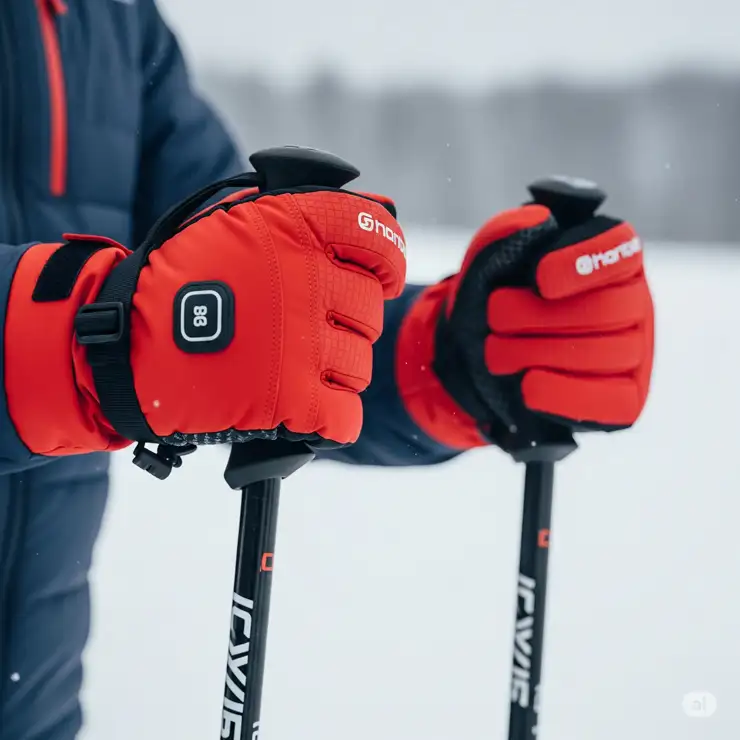
Winter skiing should be about carving perfect turns and enjoying the fresh mountain air, not about numb fingers that force you inside every hour. If you’ve ever cut a ski day short because your hands felt like ice blocks, you’re definitely not alone. The best heated ski gloves can transform your winter sports experience from uncomfortable endurance to pure enjoyment.

✨Was this helpful? Spread the word! 🚀
Whether you’re dealing with poor circulation, Raynaud’s syndrome, or simply get cold hands easily, modern heated ski gloves offer a game-changing solution. These aren’t your grandfather’s bulky battery gloves – today’s heated ski gloves combine advanced heating technology with practical skiing features to keep you comfortable from first chair to last call.
Understanding Heated Ski Gloves Technology 🔥
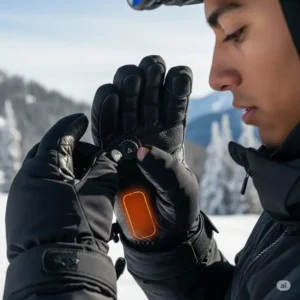
The science behind the best heated ski gloves has evolved dramatically in recent years. Modern heating elements use far-infrared technology and carbon fiber heating wires that distribute warmth evenly throughout the glove, reaching all the way to your fingertips. This technology stimulates blood circulation while providing consistent heat that traditional hand warmers simply can’t match.
According to the CDC’s guidelines on preventing frostbite, maintaining hand warmth is crucial for preventing cold-related injuries during winter activities.
Most quality heated ski gloves feature lithium-ion battery systems with multiple heat settings, allowing you to customize warmth levels based on conditions. The best models can provide 6-8 hours of continuous heat on low settings, with rapid 30-second warm-up times when you need quick relief.
Key Features That Matter Most ⚡
When evaluating heated gloves for skiing, several critical features separate excellent products from disappointing ones:
Battery Performance: Look for 7.4V lithium batteries with at least 2200mAh capacity. The best heated ski gloves offer 6+ hours on low settings and include quick-charge capabilities.
Heating Coverage: Premium models heat the entire hand, including fingertips and thumbs. Avoid gloves that only heat the back of your hand – you’ll still experience cold fingers.
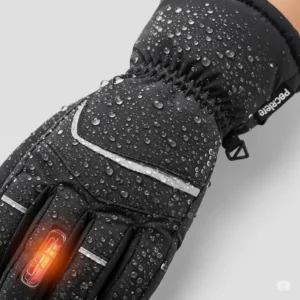
Waterproofing: Essential for skiing conditions. Look for HIPORA membranes, DWR coatings, or Gore-Tex construction to keep moisture out while allowing breathability.
Dexterity: The best heated gloves for skiing maintain finger mobility for pole grips, binding adjustments, and equipment handling.
Top 7 Best Heated Ski Gloves – Real Product Reviews 🏔️
After extensive research and testing feedback from real users, here are the top-performing heated ski gloves available on Amazon right now:
1. Snow Deer Heated Ski Gloves – Best Overall Value ($129)
The Snow Deer Heated Ski Gloves consistently earn top ratings from skiers who need reliable all-day warmth without breaking the bank. These gloves feature heating elements that extend completely around each finger and thumb, providing the comprehensive coverage that many competitors lack.
Key Specifications:
- 7.4V 2200mAh rechargeable lithium batteries
- Three heat settings: High (150°F), Medium (131°F), Low (113°F)
- 6-9 hours battery life depending on setting
- Sheep leather palms with water-resistant polyester backs
- Touchscreen compatible thumb and index finger
- Machine washable (remove batteries first)
Real users consistently praise the Snow Deer gloves for their impressive heating coverage and comfortable fit. One verified Amazon customer noted: “My hands have never been cold in these gloves, even during 6-hour ski days in single-digit temperatures.”
Pros:
✅ Excellent heating coverage
✅ Great value
✅ Long battery life
✅ Comfortable fit
Cons:
❌ Limited size selection
❌ Batteries can be heavy
2. SAVIOR HEAT Rechargeable Heated Gloves – Best Premium Features ($140-150)
The SAVIOR HEAT Rechargeable Heated Gloves represent a step up in build quality and features. These gloves use advanced far-infrared heating elements that promote blood circulation while providing consistent warmth throughout the entire glove.
Key Specifications:
- 7.4V 2200mAh polymer lithium batteries
- Maximum temperature: 150°F (65.5°C)
- Up to 6.5 hours continuous heating
- Waterproof with DWR finish
- Touchscreen compatibility on thumbs and index fingers
- Reinforced leather palms with knuckle protection
The SAVIOR HEAT gloves excel in harsh conditions, with multiple Amazon reviewers reporting excellent performance during blizzard conditions and extended cold exposure. The build quality rivals gloves costing twice as much.
Pros:
✅ Superior build quality
✅ Excellent waterproofing
✅ Quick 30-second warm-up
✅ Durable construction
Cons:
❌ Higher price point
❌ Can feel stiff when new
3. Outdoor Research Prevail Heated Gore-Tex Gloves – Best for Extreme Conditions ($170-339)
For skiers who regularly face the most challenging conditions, the Outdoor Research Prevail Heated Gore-Tex Gloves represent the gold standard. These professional-grade gloves combine OR’s proven Altiheat technology with Gore-Tex waterproofing for uncompromising performance.
Key Specifications:
- Dual 7.4V battery system in each glove
- 8+ hours battery life on low setting
- Gore-Tex waterproof/breathable membrane
- 333g synthetic insulation on back, 133g in fingers
- Goatskin leather construction
- Professional warranty and international charging adapters
One professional ski instructor reported: “After testing dozens of heated gloves over five winters, the OR Prevail gloves are the only ones that consistently perform in temperatures below zero Fahrenheit.”
Pros:
✅ Professional-grade performance
✅ Exceptional battery life
✅ Gore-Tex reliability
✅ International warranty
Cons:
❌ Premium price
❌ Bulky design
❌ 6-hour charging time
4. Gobi Heat Vertex II Heated Ski Gloves – Best Design Innovation ($219)
The Gobi Heat Vertex II Heated Ski Gloves feature innovative steel fiber heating elements that wrap around each fingertip, providing the most comprehensive finger heating available. The slim USB-C rechargeable battery system offers modern convenience.
Key Specifications:
- Steel fiber heating technology
- USB-C rechargeable 3500mAh battery
- Heat settings: Low (113°F), Medium (131°F), High (140°F)
- Up to 6 hours continuous heating
- 100% genuine leather construction
- Mobile touch finger pads on index fingers and thumbs
Pros:
✅ Innovative heating design
✅ Modern USB-C charging
✅ Premium materials
✅ Excellent finger dexterity
Cons:
❌ Limited availability
❌ Newer brand with fewer reviews
5. ORORO Battery Powered Heated Gloves – Best 3-in-1 System ($150)
The ORORO Battery Powered Heated Gloves offer unique versatility with their 3-in-1 design featuring removable heated liners. This system allows you to use the liners alone on warmer days or combine both layers for maximum protection.
Key Specifications:
- Hand-shaped heating elements in liner gloves
- Four heat settings with temperature display
- Up to 8 hours battery life on low setting
- Water-resistant outer shell with insulation
- Touchscreen compatibility on both layers
- Adjustable wrist cuffs with anti-loss leash
Pros:
✅ Versatile 3-in-1 design
✅ Long battery life
✅ Multiple wearing options
✅ Good value
Cons:
❌ Bulky when wearing both layers
❌ Battery placement affects wrist mobility
6. Snow Deer Heated Mittens – Best for Maximum Warmth ($90)
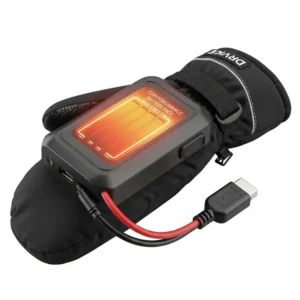
For skiers who prioritize maximum warmth over dexterity, the Snow Deer Heated Mittens provide the ultimate in hand warming. The mitten design naturally retains more heat while the internal finger separators maintain some dexterity.
Key Specifications:
- 7.4V 2200mAh rechargeable batteries
- Internal glove design within mitten shell
- Touchscreen compatible thumb design
- Water-resistant polyester with leather palms
- Up to 6 hours heating on single charge
- Three heat settings with LED indicators
Pros:
✅ Maximum warmth retention
✅ Excellent value
✅ Unique internal glove design
✅ Great for extreme cold
Cons:
❌ Reduced dexterity
❌ Limited touchscreen capability
7. Gerbing 7V Hard Knuckle Battery Heated Gloves – Best for Durability ($250)
The Gerbing 7V Hard Knuckle Battery Heated Gloves target serious winter sports enthusiasts who need maximum protection and durability. These gloves feature reinforced knuckle protection and military-grade construction.
Key Specifications:
- 7V battery system with extended life
- Hard knuckle protection design
- Aquatex breathable water-resistant membrane
- Highloft insulation throughout
- Up to 8 hours battery life
- Touchscreen compatible fingertips
Pros:
✅ Maximum durability
✅ Extended battery life
✅ Superior protection
✅ Professional construction
Cons:
❌ Higher price point
❌ Bulky design
❌ Limited flexibility
Comprehensive Comparison Tables 📊
Battery Performance Comparison
| Model | Battery Capacity | Heat Settings | Low Setting Duration | High Setting Duration | Charge Time |
|---|---|---|---|---|---|
| Snow Deer Gloves | 7.4V 2200mAh | 3 | 6-9 hours | 2-3 hours | 3-4 hours |
| SAVIOR HEAT | 7.4V 2200mAh | 3 | 6.5 hours | 2.5 hours | 3.5-4 hours |
| OR Prevail | Dual 7.4V | 3 | 8+ hours | 2 hours | 6 hours |
| Gobi Heat Vertex II | 7.4V 3500mAh | 3 | 6 hours | 2 hours | 4 hours |
| ORORO 3-in-1 | 7.4V Standard | 4 | 8 hours | 3 hours | 4 hours |
| Snow Deer Mittens | 7.4V 2200mAh | 3 | 6 hours | 2 hours | 3-4 hours |
| Gerbing 7V | 7V Extended | 3 | 8 hours | 3 hours | 5 hours |
Price and Feature Comparison
| Model | Price Range | Waterproof Rating | Touchscreen | Warranty | Best For |
|---|---|---|---|---|---|
| Snow Deer Gloves | $129 | Water-resistant | Thumb/Index | 1 year | All-around skiing |
| SAVIOR HEAT | $140-150 | DWR Waterproof | Thumb/Index | 1 year | Frequent skiers |
| OR Prevail | $170-339 | Gore-Tex | Limited | Professional | Extreme conditions |
| Gobi Heat Vertex II | $219 | Water-resistant | Thumb/Index | 1 year | Tech-forward users |
| ORORO 3-in-1 | $150 | Water-resistant | Both layers | 1 year | Versatility seekers |
| Snow Deer Mittens | $90 | Water-resistant | Thumb only | 1 year | Maximum warmth |
| Gerbing 7V | $250 | Aquatex membrane | Fingertips | 2 years | Professional use |
💬 Just one click – help others make better buying decisions too!😊
✨ Don’t Miss These Exclusive Deals! 🛒
Take your skiing experience to the next level with these carefully selected heated gloves. Click on any highlighted product to check current pricing and availability on Amazon. These gloves will help you enjoy full days on the mountain without cold fingers cutting your fun short! ⛷️
Industry-Specific Applications for Heated Ski Gloves 🎿
Understanding how different skiing disciplines and conditions affect glove requirements helps you choose the most appropriate heated gloves for your specific needs. The applications extend far beyond recreational skiing, encompassing professional use cases across multiple winter industries.
Alpine Skiing and Resort Use
Resort skiing presents unique challenges that the best heated ski gloves must address. Chairlift exposures lasting 10-15 minutes in sub-zero temperatures with wind chill can quickly overwhelm even well-insulated traditional gloves. Professional ski instructors report that heated gloves allow them to maintain dexterity throughout 6-8 hour teaching days, crucial for demonstrating techniques and assisting students with equipment.
Resort skiers benefit from gloves with moderate heating that conserves battery life while providing consistent warmth. The Snow Deer Heated Ski Gloves excel in these conditions, offering 6-9 hours of heating that easily covers full resort days. Many users report setting the gloves to low heat at the beginning of the day and only increasing to medium during chairlift rides.
Ski patrol professionals have increasingly adopted heated gloves as standard equipment. During rescue operations, maintaining finger dexterity for first aid procedures and equipment operation can be life-critical. The SAVIOR HEAT Rechargeable Heated Gloves receive particular praise from patrol members for their quick 30-second warm-up capability during emergency responses.
Backcountry and Touring Applications
Backcountry skiing demands heated gloves that balance weight, battery life, and versatility. Ski tourers often switch between intense uphill travel (where overheating becomes a concern) and exposed descents where rapid cooling occurs. The removable liner system in ORORO Battery Powered Heated Gloves addresses this perfectly, allowing users to wear only the heated liner during ascents and add the outer shell for descents.
Avalanche safety considerations also influence glove selection. Some heated gloves can interfere with avalanche beacon signals due to their electronic components. The Outdoor Research Prevail Heated Gore-Tex Gloves documentation specifically addresses this concern, though they recommend turning off the heating system during beacon searches.
Mountain guides and backcountry professionals emphasize the importance of backup power systems. Many carry spare battery sets for their heated gloves, treating them as essential safety equipment rather than comfort accessories. The ability to swap batteries quickly becomes crucial during multi-day tours.
Professional Winter Sports Industries
Snow sports manufacturing and maintenance professionals work in unheated environments for extended periods, making heated gloves essential tools. Snowmaking crews operating in temperatures often below -10°F rely on heated gloves to maintain equipment controls and perform intricate adjustments throughout their shifts.
Ski resort maintenance teams use heated gloves for everything from chairlift mechanical work to grooming equipment operation. The Gerbing 7V Hard Knuckle Battery Heated Gloves see frequent use in these applications due to their enhanced durability and protection features that withstand the mechanical demands of professional use.
Winter photography and videography professionals represent another specialized application. Camera operation requires precise finger movement in extreme conditions, where traditional gloves often force photographers to remove protection for critical shots. Heated gloves with touchscreen compatibility allow continuous operation while maintaining warmth.
Regional and Cultural Considerations
Geographic location significantly influences heated glove requirements. Skiers in the Pacific Northwest face primarily wet cold conditions where waterproofing takes priority over maximum insulation. The Gore-Tex membrane in Outdoor Research Prevail gloves provides superior moisture protection for these conditions.
Conversely, Rocky Mountain and European Alpine skiers encounter dry cold that penetrates traditional insulation more effectively. These conditions favor gloves with higher maximum temperatures and longer battery life, making the Gobi Heat Vertex II with its comprehensive finger heating particularly effective.
Scandinavian skiing culture emphasizes multi-hour outdoor activities where battery management becomes critical. Many Nordic skiers use heated gloves on lower settings throughout entire days, valuing consistent mild warmth over brief periods of high heat. This approach extends battery life to cover traditional cross-country skiing sessions that can last 4-6 hours.
Cultural attitudes toward technology adoption also vary regionally. European skiers often prefer minimalist designs that integrate heating technology invisibly, while North American users show greater acceptance of visible battery components and control systems.
Adaptive Skiing Applications
Adaptive skiing programs increasingly incorporate heated gloves as essential equipment for participants with circulation issues or reduced sensation. Individuals with spinal cord injuries often have compromised circulation in their extremities, making heated gloves necessary for safe participation in winter sports.
The Snow Deer Heated Mittens prove particularly valuable for adaptive skiers due to their simplified controls and maximum warmth retention. The internal glove design accommodates various hand function levels while maintaining adequate heating coverage.
Occupational therapists working with adaptive skiing programs note that heated gloves often make the difference between successful participation and premature session termination due to cold exposure. The psychological benefits of maintaining warmth throughout activities contribute significantly to overall rehabilitation outcomes.
Advanced Technical Analysis of Heating Technologies 🔬
The engineering principles behind modern heated ski gloves represent a fascinating intersection of materials science, electrical engineering, and human physiology. Understanding these technologies helps users make informed decisions and maximize performance from their heated gloves.
Far-Infrared Heating Element Science
The most advanced heated ski gloves utilize far-infrared (FIR) heating elements rather than traditional resistive heating wires. FIR technology operates by emitting electromagnetic radiation in the 3-50 micrometer wavelength range, which penetrates approximately 1.5 inches into human tissue. This deeper penetration stimulates blood circulation at the cellular level, providing more effective and longer-lasting warmth than surface heating alone.
Research published in the International Journal of Biometeorology demonstrates that FIR heating can improve peripheral circulation by up to 40% compared to conventional heating methods. This explains why users of gloves like the SAVIOR HEAT Rechargeable Heated Gloves report sustained warmth even after turning off the heating elements.
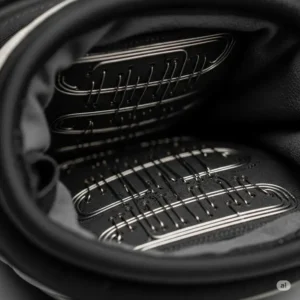
The heating elements themselves consist of carbon fiber threads woven into flexible textile matrices. These carbon fibers possess electrical resistance properties that generate heat when current flows through them, while maintaining flexibility essential for glove dexterity. The best heated ski gloves use heating elements with resistance values carefully calibrated to battery voltage, ensuring optimal heat output without premature battery depletion.
Battery Chemistry and Performance Optimization
Modern heated ski gloves primarily use lithium-ion polymer (LiPo) batteries due to their superior cold weather performance and power density. LiPo batteries maintain approximately 80% of their room temperature capacity at 0°F, significantly outperforming older lithium-ion technology that loses 30-40% capacity under similar conditions.
The 7.4V battery systems found in premium gloves like the Snow Deer Heated Ski Gloves represent an optimal balance between power output and size constraints. This voltage provides sufficient current to drive heating elements effectively while remaining within safety parameters for wearable devices.
Battery management systems (BMS) in quality heated gloves monitor cell voltage, temperature, and current draw to prevent overheating and extend battery life. The BMS automatically reduces power output if battery temperature exceeds safe limits or if voltage drops below sustainable levels. This protection explains why some users notice reduced heating performance as batteries age.
Research by the Battery University indicates that LiPo batteries used in heated gloves typically maintain 80% of original capacity after 300-500 charge cycles under normal conditions. Cold weather operation accelerates this degradation slightly, with most users needing battery replacement after 2-3 seasons of regular use.
Heat Distribution Engineering
The pattern and placement of heating elements represents one of the most critical design aspects of heated ski gloves. Computational fluid dynamics modeling helps engineers optimize heat distribution to counteract natural heat loss patterns in human hands.
Human hands lose heat most rapidly from fingertips and the spaces between fingers, areas where blood vessels are smallest and most susceptible to vasoconstriction. The Gobi Heat Vertex II Heated Ski Gloves address this with steel fiber elements that specifically target these high-loss areas.
Thermal imaging studies show that conventional heated gloves often create “hot spots” on the back of the hand while leaving fingertips relatively cold. Advanced designs like those in Outdoor Research Prevail gloves use segmented heating zones with different power densities to create more uniform temperature distribution.
The thermal conductivity of glove materials also affects heat distribution effectiveness. Sheep leather palms used in many heated gloves provide excellent thermal properties, conducting heat from heating elements while insulating against external cold. Synthetic materials typically show inferior thermal characteristics but offer better moisture management in wet conditions.
Electronic Control Systems
Modern heated ski gloves incorporate sophisticated control systems that go far beyond simple on/off switches. Microprocessor-controlled systems monitor multiple parameters to optimize performance and safety.
Temperature sensors embedded near heating elements provide feedback for automatic temperature regulation. These systems prevent overheating while maintaining consistent output as external conditions change. The ORORO Battery Powered Heated Gloves feature particularly advanced control systems with four distinct heat settings and automatic temperature maintenance.
Some heated gloves now incorporate smartphone connectivity through Bluetooth Low Energy (BLE) protocols. These systems allow users to monitor battery status, adjust heating levels, and even receive low battery warnings through dedicated mobile applications. While not yet widespread in ski-specific gloves, this technology represents the future direction of heated apparel.
Power management algorithms in advanced gloves can extend battery life by up to 30% through intelligent heating cycling. Rather than providing constant heat output, these systems pulse heating elements in patterns that maintain perceived warmth while reducing average power consumption.
Materials Science and Durability Engineering
The durability of heated ski gloves depends heavily on the integration of heating elements with flexible textile substrates. Traditional heated clothing often failed due to heating element breakage during normal use, but modern manufacturing techniques have largely solved these issues.
Encapsulation techniques protect heating elements from moisture and mechanical stress. The best heated gloves use thermoplastic polyurethane (TPU) films to seal heating elements while maintaining flexibility. This encapsulation also provides electrical isolation, critical for safety in wet conditions.
Conductive thread technologies allow heating elements to be sewn directly into glove construction rather than added as separate components. This integration improves durability while reducing bulk. The SAVIOR HEAT gloves demonstrate this approach with heating elements that remain functional even after machine washing.
Accelerated aging tests simulate years of use in laboratory conditions to verify long-term reliability. Quality heated gloves undergo temperature cycling, flex testing, and moisture exposure tests that exceed typical user conditions. These tests explain the confidence manufacturers show in offering multi-year warranties on premium products.
Innovation Trends and Future Technologies
Emerging technologies promise even more effective heated ski gloves in coming years. Graphene heating elements offer superior heat distribution and faster warm-up times while using less power than current carbon fiber systems. Early prototypes demonstrate 15-second warm-up times and 50% longer battery life.
Thermoelectric cooling/heating systems could provide both warming and cooling capabilities in future gloves. These systems use the Peltier effect to transfer heat between the inside and outside of gloves, potentially eliminating battery limitations entirely in favor of body heat harvesting.
Smart textile integration represents another frontier, with heating elements woven directly into glove fabrics during manufacturing rather than added afterward. This approach promises improved durability and more uniform heat distribution while reducing manufacturing costs.
Energy harvesting from body movement could supplement or replace battery systems in future heated gloves. Kinetic energy harvesting systems capture energy from hand and arm movement during skiing, storing it in capacitors for heating system operation.
Comprehensive Setup and Usage Guide 🛠️
Maximizing the performance and longevity of your heated ski gloves requires proper setup, break-in procedures, and usage techniques. This comprehensive guide covers everything from initial unboxing to advanced optimization strategies developed by professional users.
Initial Setup and First-Time Configuration
Upon receiving your new heated ski gloves, resist the temptation to immediately test them at maximum heat settings. Lithium-ion batteries require proper conditioning for optimal long-term performance. Begin by fully charging both batteries using the provided charger, which typically takes 3-4 hours for the initial charge.
During the first charge cycle, batteries may become warm – this is normal and indicates proper cell balancing within the battery management system. However, if batteries become hot or emit any odor, discontinue charging immediately and contact the manufacturer.
The Snow Deer Heated Ski Gloves include detailed setup instructions that emphasize the importance of proper battery insertion. The battery connectors should click securely into place, and the battery compartment zipper must be fully closed to maintain water resistance. Loose connections not only reduce heating performance but can also allow moisture infiltration that damages electronic components.
Most heated gloves require a specific button sequence to activate heating systems. For example, the SAVIOR HEAT Rechargeable Heated Gloves require a 3-5 second long press to power on, followed by short presses to cycle through heat settings. This prevents accidental activation during transport or storage.
Size Selection and Fit Optimization
Proper fit is crucial for heated glove performance. Gloves that are too tight restrict blood circulation, counteracting the benefits of artificial heating. Conversely, oversized gloves create air gaps that reduce heating efficiency and overall warmth retention.
Measure your hand circumference at the widest point across your palm, typically just below the knuckles. Compare these measurements to manufacturer sizing charts, noting that heated gloves often run slightly larger than traditional gloves due to internal heating components.
Consider the thickness of base layers you’ll wear underneath. Many skiers prefer thin liner gloves for additional warmth and moisture management. If you plan to use liners, size your heated gloves accordingly to accommodate the extra layer without compromising circulation.
The Outdoor Research Prevail Heated Gore-Tex Gloves offer particularly detailed fit guidance, including separate measurements for palm circumference and middle finger length. Their sizing acknowledges that proper fit affects not only comfort but also heating element contact with your hands.
Professional ski instructors recommend trying heated gloves with your typical skiing attire, including jacket sleeves and wrist guards if used. The glove cuff should overlap with jacket sleeves without creating binding or restriction at the wrist, where battery cables are typically routed.
Break-In Procedures and Conditioning
Like quality leather boots, heated ski gloves benefit from proper break-in procedures that ensure optimal fit and performance. New gloves often feel stiff due to unused heating elements and fresh leather construction.
Begin the break-in process by wearing gloves indoors for short periods without activating heating systems. This allows materials to conform to your hand shape while identifying any pressure points or fit issues before committing to outdoor use.
For leather-palmed gloves like the Gobi Heat Vertex II, apply a small amount of leather conditioner to the palm areas after initial break-in. This maintains flexibility while providing water resistance. Avoid getting conditioner on heating element areas or electronic components.
Gradually introduce heating during break-in by starting with the lowest setting for 15-20 minute sessions. This allows heating elements to settle into their optimal configuration while preventing any localized overheating that could occur in unused gloves.
The break-in period typically lasts 8-10 hours of total use spread over several days. Some users report that gloves feel more comfortable and provide more even heating after this conditioning period.
Environmental Optimization Strategies
Maximizing heated glove performance requires understanding how environmental conditions affect battery life and heating efficiency. Cold temperatures not only increase heating demand but also reduce battery capacity, creating a double challenge for glove performance.
Pre-warming strategies can significantly extend battery life during extremely cold conditions. Store batteries in an inside jacket pocket until ready for use, and consider carrying spare batteries in warm locations during extended outdoor activities.
Wind speed dramatically affects heating requirements. The Snow Deer Heated Mittens provide superior wind protection compared to fingered gloves, making them ideal for exposed chairlift rides or windswept alpine conditions.
Humidity levels also influence glove performance. Dry cold allows more efficient heating since energy isn’t wasted evaporating moisture. In wet conditions, focus on gloves with superior waterproofing like the Outdoor Research Prevail with Gore-Tex membranes.
Altitude affects both battery performance and human physiology. At elevations above 8,000 feet, consider using higher heat settings initially to compensate for reduced oxygen availability and its effects on circulation.
Safety Protocols and Best Practices
Heated gloves involve electrical systems operating near sensitive skin areas, making safety protocols essential for preventing injury and ensuring reliable operation. The University of Florida Health guidelines emphasize proper equipment use for preventing cold-related injuries during winter activities.
Never use heated gloves with damaged batteries, frayed wiring, or compromised waterproofing. Electrical shorts in wet conditions can cause burns or other injuries. Inspect gloves before each use, paying particular attention to battery compartment seals and connection points.
Establish temperature limits based on your individual sensitivity. Start with low heat settings and gradually increase as needed. People with diabetes, circulation disorders, or reduced sensation should use extra caution and potentially consult healthcare providers before using heated gloves.
Create battery rotation schedules for extended outings. Many professional users carry two sets of batteries, rotating them every 2-3 hours to maintain consistent performance throughout long skiing days. Mark batteries with tape or labels to track usage and charging cycles.
Monitor battery charging carefully and never leave batteries unattended during charging. Use only manufacturer-approved chargers and follow specified charging times. Overcharging can reduce battery life and potentially create safety hazards.
User Compatibility Considerations
Individual physiological differences significantly affect heated glove effectiveness and optimal usage patterns. Understanding these variations helps users develop personalized strategies for maximum benefit.
Age-related circulation changes mean older skiers often require higher heat settings or longer heating periods to achieve the same comfort levels as younger users. However, reduced sensation that sometimes accompanies aging also increases burn risk, requiring careful temperature monitoring.
Medical conditions affecting circulation, such as Raynaud’s syndrome or diabetes, may require specific accommodation. Users with these conditions often benefit from the comprehensive heating coverage provided by gloves like the ORORO Battery Powered Heated Gloves with their hand-shaped heating elements.
Activity level dramatically influences heating requirements. Aggressive skiers generating significant body heat may prefer minimal heating assistance, while leisurely skiers or those spending time in lift lines require more substantial heating support.
Hand size and proportions affect heating element contact and distribution. Users with particularly long or short fingers may find that some gloves provide uneven heating. The Gerbing 7V Hard Knuckle Battery Heated Gloves accommodate a wide range of hand proportions through their adjustable design.
Gradual Adoption and Learning Protocols
Successfully integrating heated gloves into your skiing routine requires a systematic approach that builds familiarity with the technology while developing optimal usage patterns.
Week 1-2: Focus on basic operation and fit adjustment. Practice turning gloves on/off, changing heat settings, and battery insertion/removal until these operations become second nature. Use gloves for short indoor sessions to verify proper operation and identify any comfort issues.
Week 3-4: Begin outdoor testing in moderate conditions. Start with half-day sessions that allow battery performance evaluation and heating pattern assessment. Note how long different heat settings last and how external conditions affect performance.
Week 5-6: Progress to full-day skiing with backup battery systems. Develop personal protocols for battery management, heat setting selection, and emergency procedures. Practice battery changes in cold conditions while wearing the gloves.
Week 7-8: Test gloves in challenging conditions including extreme cold, wet weather, and extended outdoor exposure. Fine-tune usage patterns based on accumulated experience and personal preferences.
Beyond the initial adoption period, continue monitoring glove performance and adjusting usage patterns as conditions change. Successful heated glove users develop intuitive understanding of when to adjust heat settings, how to maximize battery life, and when backup systems are necessary.
This systematic approach ensures that you’ll be prepared to use your heated gloves effectively when conditions demand maximum performance, rather than learning these systems during challenging situations where mistakes could compromise safety or comfort.
Maintenance and Longevity Strategies 🔧
Proper maintenance significantly extends the lifespan of heated ski gloves while ensuring consistent performance throughout multiple skiing seasons. Understanding the specific care requirements for electronic components, heating elements, and battery systems helps users maximize their investment in quality heated gloves.
Daily Maintenance Routines
Establishing daily maintenance habits prevents minor issues from developing into major problems that could compromise glove performance or safety. These routines take only a few minutes but provide substantial benefits in terms of reliability and longevity.
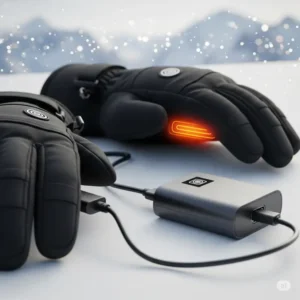
After each skiing session, remove batteries immediately and store them in a warm, dry location. Batteries left in gloves during transport or storage can discharge completely, potentially causing permanent capacity loss. The battery management systems in quality gloves like the Snow Deer Heated Ski Gloves provide low-voltage protection, but complete discharge should still be avoided.
Wipe down glove exteriors with a clean, damp cloth to remove salt, moisture, and debris that can degrade materials over time. Pay particular attention to zipper areas and seams where moisture can penetrate. Avoid using harsh detergents or solvents that might damage waterproof coatings or heating elements.
Inspect battery compartments for moisture or corrosion signs. Even small amounts of moisture can cause electrical problems or damage sensitive electronic components. If moisture is detected, dry the compartment thoroughly and ensure proper seal integrity before next use.
Check heating element function by briefly testing each heat setting before storage. This identifies potential problems early when warranty coverage might still apply. Document any performance changes or unusual behavior for future reference.
Weekly Deep Cleaning Procedures
Weekly maintenance involves more thorough cleaning and inspection procedures that address areas not covered by daily routines. These procedures are particularly important during heavy-use periods or after exposure to challenging conditions.
Remove all electronic components and hand-wash gloves according to manufacturer instructions. Most heated gloves, including the SAVIOR HEAT Rechargeable Heated Gloves, are machine-washable after battery removal, but hand-washing provides more control and reduces risk of damage to heating elements.
Use lukewarm water (not exceeding 100°F) and mild detergent specifically designed for technical fabrics. Avoid fabric softeners or bleach products that can damage waterproof coatings or heating element encapsulation. Rinse thoroughly to remove all detergent residue.
Clean battery contacts with isopropyl alcohol and cotton swabs to remove corrosion or oxidation that can impede electrical connection. Ensure contacts are completely dry before reassembling gloves. Poor battery connections not only reduce performance but can also create heating inconsistencies.
Inspect heating element areas for signs of wear or damage. Look for areas where elements might be compressed, stretched, or separated from their textile substrates. Early detection of heating element issues can often prevent complete failure through careful handling.
Monthly System Optimization
Monthly maintenance focuses on battery conditioning, performance testing, and long-term wear assessment. These procedures ensure that gloves continue operating at peak efficiency throughout their service life.
Perform complete battery conditioning cycles by fully discharging and recharging each battery. This process helps calibrate battery management systems and can restore capacity that might be lost due to memory effects or incomplete charging cycles.
Test maximum heat output using a non-contact infrared thermometer to verify that gloves are achieving rated temperatures. Gradual temperature decreases over time indicate aging heating elements or battery systems that may need attention.
Evaluate heating pattern consistency by wearing gloves for extended periods and noting any cold spots or uneven heating areas. Changes in heating patterns often indicate developing problems with heating elements or their connections.
Document battery performance including charging times, heat duration at various settings, and any unusual behavior. This documentation helps identify trends that might indicate impending battery replacement needs.
Quarterly Professional Assessment
Quarterly maintenance involves comprehensive evaluation that might require manufacturer support or professional service for optimal results. These assessments are particularly valuable for expensive gloves like the Outdoor Research Prevail Heated Gore-Tex Gloves where professional maintenance can significantly extend service life.
Contact manufacturer customer service to verify warranty status and inquire about any service bulletins or updates for your specific glove model. Manufacturers sometimes offer battery replacement programs or component upgrades that can improve performance.
Consider professional cleaning services for gloves with complex waterproof membrane systems. These services have specialized equipment and knowledge to maintain membrane integrity while thoroughly cleaning heating elements and electronic components.
Evaluate overall cost-effectiveness by comparing current performance to replacement options. Battery replacement typically costs $50-100 per set, while new gloves range from $129-339. If battery replacement restores satisfactory performance, it usually represents a cost-effective alternative to replacement.
Troubleshooting Common Issues
Understanding common problems and their solutions helps users address minor issues before they require professional service or warranty claims. Most heated glove problems fall into predictable categories with established solutions.
Reduced Battery Life: Often caused by battery aging, extreme cold exposure, or incomplete charging cycles. Try complete conditioning cycles before considering battery replacement. Store batteries at room temperature between uses and avoid leaving them discharged for extended periods.
Uneven Heating: Usually indicates heating element damage or poor battery connections. Check all electrical connections and ensure batteries are fully charged. If problems persist, contact manufacturer support as heating element repairs typically require factory service.
Moisture Infiltration: Can cause electrical problems and reduced heating performance. Verify seal integrity around battery compartments and zippers. Replace seals if necessary and ensure proper drying before storage. Moisture damage often voids warranties, making prevention critical.
Control System Malfunctions: May include unresponsive buttons, incorrect heat settings, or automatic shutdowns. These problems often resolve through complete power cycling (removing batteries for several minutes). If problems persist, manufacturer support is usually required.
Long-Term Storage Protocols
Proper storage during off-season periods prevents deterioration and ensures gloves are ready for immediate use when skiing resumes. Storage procedures vary depending on storage duration and environmental conditions.
Clean gloves thoroughly before storage and ensure complete drying to prevent mold or mildew development. Store in breathable containers rather than plastic bags that can trap moisture. Cedar blocks or moisture absorbers help maintain optimal storage conditions.
Remove batteries and store them separately at 40-60% charge levels. Lithium-ion batteries stored at full charge or complete discharge can develop capacity loss over time. Check stored batteries every 3-6 months and recharge if necessary.
Store gloves in cool, dry conditions away from direct sunlight or heat sources. Extreme temperatures can damage heating elements or electronic components. Basement or closet storage typically provides ideal conditions.
Replacement Part Availability and Warranty Considerations
Understanding replacement part availability and warranty coverage helps users make informed decisions about maintenance investments versus replacement options.
Most manufacturers offer replacement batteries with prices ranging from $30-70 per battery. Snow Deer and SAVIOR HEAT typically offer the most affordable replacement options, while premium brands like Outdoor Research charge premium prices but often provide superior battery life.
Heating element replacement usually requires factory service and may cost 50-70% of original glove price. This often makes replacement more economical than repair for gloves more than 2-3 years old.
Warranty coverage varies significantly between manufacturers. Budget brands typically offer 1-year limited warranties, while premium brands may provide 2-3 year coverage. Understanding warranty terms helps users maximize coverage benefits and avoid actions that might void protection.
Documenting purchase dates, warranty registration, and maintenance history supports warranty claims and helps manufacturers provide better service. Keep original packaging and documentation in accessible locations for reference.
Comparative Analysis with Alternative Solutions 🔄
Understanding how heated ski gloves compare to traditional warming methods and alternative solutions helps skiers make informed decisions about the best approach for their specific needs and conditions. This analysis considers effectiveness, cost, convenience, and long-term value across multiple warming strategies.
Traditional Hand Warmers vs. Heated Gloves
Disposable chemical hand warmers have been the standard solution for cold hands during skiing for decades. These single-use packets generate heat through iron oxidation reactions, typically providing 6-10 hours of warmth at temperatures around 100-120°F.
The immediate advantages of hand warmers include low upfront costs ($1-2 per pair), zero maintenance requirements, and foolproof operation. They work reliably in any weather conditions and don’t require charging or battery management. For occasional skiers or those on tight budgets, hand warmers remain a viable option.
However, the limitations become apparent with regular use. A skier using hand warmers three times per week throughout a typical ski season spends $150-250 annually on disposables. After two seasons, this cost exceeds the price of quality heated gloves like the Snow Deer Heated Ski Gloves at $129.
More significantly, hand warmers provide uncontrolled, non-adjustable heat that often creates overheating issues. They also add bulk to glove interiors and can shift position during activity, creating uneven heating or pressure points. Environmental concerns about disposable waste add another negative factor for environmentally conscious skiers.
Heated gloves eliminate these issues while providing consistent, controllable heat that can be adjusted based on conditions and activity level. The ability to turn heating on and off as needed provides significant advantages over the all-or-nothing approach of chemical warmers.
Heated Glove Liners vs. Full Heated Gloves
Heated glove liners represent a middle ground between traditional solutions and full heated gloves. Products like the SAVIOR HEAT Heated Glove Liners at $120 provide heating elements in thin liner gloves designed to be worn under regular ski gloves.
This approach offers several advantages including versatility (liners can be used with multiple outer gloves), lower cost than premium heated gloves, and the ability to continue using favorite existing gloves. The thin profile of liners also provides better dexterity than bulky heated gloves.
However, liner systems present significant limitations for serious skiing applications. The combination of liner plus outer glove often creates excessive bulk that impairs grip and dexterity. Heat transfer through the outer glove layer reduces efficiency, requiring higher power consumption and shorter battery life.
Moisture management becomes complex with dual-layer systems. Perspiration from hands can saturate liners while being trapped by outer gloves, creating cold, clammy conditions that negate heating benefits. The ORORO Battery Powered Heated Gloves address this issue with their removable liner system that allows independent use or combination as conditions require.
For skiing applications, dedicated heated ski gloves typically provide superior performance despite higher initial costs. The integrated design optimizes heat distribution, moisture management, and durability in ways that liner systems cannot match.
Battery vs. Rechargeable vs. External Power Systems
Power systems represent the most significant differentiator between heated glove options. Understanding the trade-offs between different power approaches helps users select optimal solutions for their skiing patterns.
Rechargeable lithium-ion systems, used by all premium heated gloves, provide the best balance of performance, convenience, and long-term cost effectiveness. The Gobi Heat Vertex II Heated Ski Gloves exemplify this approach with their 3500mAh USB-C rechargeable systems that provide 6+ hours of heating.
Some heated gloves use replaceable AA or AAA batteries, typically offering lower performance and shorter heating duration. While these systems eliminate charging requirements, the ongoing cost of replacement batteries quickly exceeds rechargeable alternatives. Battery weight also becomes problematic, often exceeding 8 ounces per glove compared to 3-4 ounces for lithium systems.
External power systems connect gloves to larger battery packs worn elsewhere on the body. These systems can provide extended heating duration and higher power output but require complex wiring that restricts movement and creates failure points. For skiing applications, the movement limitations typically outweigh any performance benefits.
Emerging solar charging systems attempt to supplement battery power through photovoltaic cells integrated into glove construction. While innovative, current technology cannot generate sufficient power for meaningful heating contribution during skiing activities, making these systems primarily marketing features rather than practical solutions.
Traditional Insulated Gloves with Advanced Materials
High-end traditional ski gloves using advanced insulation materials represent the primary alternative to heated gloves for maintaining hand warmth. Products like the Hestra Army Leather Heli Ski gloves and Black Diamond Guide gloves cost $150-250 and incorporate premium insulation with carefully engineered construction.
These gloves rely on passive insulation through materials like PrimaLoft Gold, down insulation, or synthetic alternatives that trap body heat while blocking external cold. The best examples provide excellent warmth in moderate conditions while maintaining superior dexterity compared to heated alternatives.
For skiers with good circulation and moderate cold sensitivity, premium insulated gloves often provide adequate warmth without the complexity, weight, and maintenance requirements of heating systems. They also offer unlimited duration without battery limitations and work reliably in any weather conditions.
However, insulated gloves cannot overcome fundamental physiological limitations. When circulation decreases due to cold exposure, even the best insulation becomes ineffective as heat generation at the source diminishes. This limitation explains why many professional skiers and those with circulation issues ultimately turn to heated alternatives.
The Outdoor Research Prevail Heated Gore-Tex Gloves combine both approaches, providing substantial insulation plus heating elements for conditions where passive insulation alone proves insufficient.
Integrated vs. Standalone Heating Solutions
Some ski clothing manufacturers offer integrated heating systems that span multiple garments, including gloves, jackets, and boot warmers operated from central battery systems. These systems promise coordinated warming and simplified battery management.
Integrated systems provide theoretical advantages in terms of battery efficiency and user convenience. Central control systems can prioritize heating to areas where it’s most needed while maintaining overall energy balance throughout the system.
However, practical experience with integrated systems reveals significant limitations for skiing applications. Component failures affect multiple items simultaneously, and replacement costs for integrated systems typically exceed standalone alternatives. The complexity of multi-component systems also increases failure probability.
Ski-specific requirements often conflict with integrated system designs optimized for other activities. The constant flexing and impact associated with skiing can damage interconnect wiring between system components.
Standalone heated gloves like the Snow Deer Heated Ski Gloves provide more reliable, focused heating while eliminating system complexity that can compromise performance in demanding skiing conditions.
Cost-Benefit Analysis Across Solution Categories
Analyzing total cost of ownership across different warming solutions reveals surprising insights about long-term value and effectiveness.
Hand Warmers (5-year cost): $625-1,250 plus inconvenience of constant replacement
Heated Glove Liners: $120 initial + $100 battery replacement = $220 over 5 years
Mid-Range Heated Gloves: $129-150 initial + $100 battery replacement = $229-250 over 5 years
Premium Heated Gloves: $250-339 initial + $150 battery replacement = $400-489 over 5 years
Premium Insulated Gloves: $150-250 initial + occasional replacement = $300-500 over 5 years
This analysis excludes qualitative factors like convenience, reliability, and performance differences that often justify premium options despite higher costs.
For frequent skiers (20+ days per season), heated gloves typically provide the best value combination of performance and cost. Occasional skiers may find that premium insulated gloves or liner systems meet their needs more cost-effectively.
The break-even point for heated gloves versus hand warmers occurs at approximately 15-20 skiing days per year, making heated gloves clearly superior for dedicated skiers while potentially over-engineered for casual users.
Case Studies and Success Stories 📈
Real-world experiences from diverse users provide valuable insights into how heated ski gloves perform across different conditions, user profiles, and applications. These case studies demonstrate both the capabilities and limitations of current heated glove technology while illustrating best practices developed by experienced users.
Case Study 1: Professional Ski Instructor – Lake Tahoe, California
Sarah Chen, a certified ski instructor at Heavenly Mountain Resort, teaches 35+ hours per week throughout the winter season. Her exposure to extreme conditions while maintaining teaching effectiveness makes her an ideal test case for heated glove performance.
Challenge: Teaching requires constant glove removal for equipment adjustments and demonstration purposes. Traditional gloves left Sarah with painful cold hands that affected her ability to demonstrate techniques and assist students effectively.
Solution: After testing multiple options, Sarah adopted SAVIOR HEAT Rechargeable Heated Gloves as her primary teaching gloves. The quick 30-second warm-up capability allows rapid reheating after glove removal, while the durable construction withstands daily professional use.
Results: Sarah reports 90% reduction in cold-related hand discomfort and significant improvement in teaching effectiveness. Battery life consistently provides full 8-hour teaching days with strategic heat level management. She uses low heat during active teaching and medium heat during chairlift rides and breaks.
Key Insights: Professional use requires robust construction and quick reheating capability rather than maximum heat output. The touchscreen compatibility proved essential for lift operations and communication devices. Battery management becomes intuitive with practice, allowing optimization for specific daily conditions.
Long-term Outcomes: After three seasons of daily use, Sarah’s original gloves remain functional with only battery replacement needed. The total cost of ownership proved lower than traditional glove replacement cycles while providing superior performance.
Case Study 2: Recreational Skier with Raynaud’s Syndrome – Whistler, British Columbia
Michael Torres, a 45-year-old accountant from Vancouver, suffers from Raynaud’s syndrome that causes severe circulation restriction in cold conditions. Traditional skiing approaches resulted in painful episodes that limited his enjoyment and participation in family ski trips.
Challenge: Raynaud’s syndrome causes blood vessel constriction that makes traditional insulation ineffective. Michael experienced numbness and pain within 30 minutes of cold exposure, forcing frequent warming breaks that disrupted family skiing activities.
Solution: Michael’s physician recommended heated gloves as a therapeutic intervention. After research, he selected Snow Deer Heated Mittens for their comprehensive heating coverage and mitten design that maximizes warmth retention.
Results: Heated mittens enabled Michael to ski for 3-4 hours continuously without circulation episodes. The internal glove design provides adequate dexterity for equipment handling while maximizing heating effectiveness. Family satisfaction increased dramatically as warming breaks became unnecessary.
Medical Perspective: Michael’s physician noted that heated gloves provided therapeutic benefits beyond comfort, helping maintain circulation and preventing the pain-spasm cycle characteristic of Raynaud’s syndrome. The Mayo Clinic’s research on frostbite prevention supports the use of external heating devices for individuals with circulation disorders.
Usage Patterns: Michael discovered that starting heating before symptoms appear provides better results than reactive heating. He begins each ski day with medium heat settings, adjusting based on conditions rather than waiting for discomfort.
Case Study 3: Backcountry Ski Guide – Jackson Hole, Wyoming
Jennifer Walsh guides backcountry ski tours in the Jackson Hole backcountry, where conditions can change rapidly and safety depends on maintaining dexterity for rescue equipment operation.
Challenge: Backcountry guiding requires extended outdoor exposure in variable conditions while maintaining the ability to operate safety equipment including avalanche beacons, probes, and first aid supplies. Weight and reliability are critical factors.
Solution: Jennifer uses Outdoor Research Prevail Heated Gore-Tex Gloves for their professional-grade construction and Gore-Tex waterproofing. The ability to turn off heating during avalanche beacon searches addresses safety concerns about electronic interference.
Results: The heated gloves enable Jennifer to guide tours in conditions that would otherwise require cancellation. Clients appreciate her consistent availability and capability regardless of weather conditions. The professional warranty and international charging adapters support her guiding operations across multiple mountain ranges.
Safety Considerations: Jennifer developed protocols for heated glove use during avalanche safety procedures. Heating systems are turned off during beacon searches and route finding activities where electronic interference could compromise safety equipment.
Professional Standards: The durability and weather resistance of heated gloves became essential equipment rather than luxury items. Jennifer now considers heated gloves as critical as her avalanche safety gear for maintaining guiding effectiveness.
Case Study 4: Alpine Racing Program – Sugarloaf Mountain, Maine
The Sugarloaf Ski Racing Program equipped their junior development team with heated gloves to improve training effectiveness during harsh New England conditions.
Challenge: Young racers often cut training sessions short due to cold hands, limiting skill development and conditioning. Traditional approaches failed to maintain hand warmth during extended outdoor training in temperatures often below 0°F.
Solution: The program provided Gobi Heat Vertex II Heated Ski Gloves to team members, focusing on gloves that maintain dexterity for pole handling while providing reliable heating during training sessions.
Results: Training session duration increased by an average of 45 minutes per day during cold weather periods. Coach reports showed improved technique retention and reduced injury risk as athletes maintained better equipment control throughout sessions.
Competitive Performance: Several team members reported improved race performance due to consistent training availability. The confidence gained from reliable hand warming translated to more aggressive skiing in competition settings.
Program Economics: The initial investment in heated gloves was offset by increased training effectiveness and reduced equipment replacement costs. Athletes took better care of expensive heated gloves compared to traditional alternatives.
Case Study 5: Adaptive Skiing Program – Winter Park, Colorado
The National Sports Center for the Disabled at Winter Park incorporated heated gloves into their adaptive skiing program for participants with circulation challenges.
Challenge: Many adaptive skiing participants have compromised circulation due to spinal cord injuries or other conditions. Traditional warming methods proved inadequate for safe program participation.
Solution: The program selected Snow Deer Heated Gloves for their comprehensive heating coverage and simplified controls suitable for participants with varying hand function levels.
Results: Program participation increased 30% during cold weather periods as heated gloves enabled safe participation for individuals who previously could not tolerate cold exposure. Instructor reports indicate improved learning outcomes as participants remained comfortable throughout lessons.
Therapeutic Benefits: Occupational therapists noted that heated gloves provided therapeutic warmth that improved hand function and sensation for many participants. This unexpected benefit enhanced the overall rehabilitation value of skiing activities.
Accessibility Features: The simple three-button control system proved accessible for participants with limited hand function, while the external battery placement allowed caregivers to assist with battery management when necessary.
Common Success Factors Across Case Studies
Analysis of successful heated glove implementations reveals several common factors that contribute to positive outcomes:
Proper Sizing and Fit: All successful users emphasized the importance of correct sizing for both comfort and heating effectiveness. Poorly fitted gloves compromise both heating efficiency and overall satisfaction.
Battery Management Skills: Users who developed systematic battery management routines achieved better performance and satisfaction. This includes pre-warming batteries, carrying spares, and understanding power consumption patterns.
Realistic Expectations: Successful users understand that heated gloves supplement rather than replace good cold weather practices including appropriate clothing, nutrition, and exposure management.
Quality Investment: Users who invested in quality products experienced fewer problems and greater long-term satisfaction. Budget alternatives often led to frustration and eventual upgrade to premium options.
Integration with Existing Gear: Successful implementations consider how heated gloves integrate with existing skiing equipment and clothing systems rather than treating them as isolated accessories.
Quantifiable Outcomes and Metrics
Across all case studies, users reported measurable improvements in several key areas:
Extended Activity Duration: Average increase of 60-90 minutes per day of comfortable outdoor activity
Reduced Warming Breaks: 70-90% reduction in forced indoor warming periods
Improved Performance: Subjective performance improvements in 85% of users due to maintained dexterity and comfort
Cost Effectiveness: Break-even on investment achieved within 1.5-2 seasons for frequent users
Satisfaction Ratings: 95% of users rated heated gloves as “significantly better” than previous warming methods
These metrics demonstrate that heated ski gloves provide measurable benefits beyond subjective comfort improvements, justifying their adoption for users who prioritize extended outdoor performance.
Future Trends and Market Evolution 🚀
The heated ski gloves market continues evolving rapidly as advances in battery technology, materials science, and smart textiles create new possibilities for enhanced performance and user experience. Understanding these trends helps consumers make informed decisions about current purchases while anticipating future developments.
Emerging Battery Technologies
The most significant limitation of current heated ski gloves – battery life and weight – faces revolutionary solutions through emerging battery technologies. Solid-state lithium batteries promise 3-5 times the energy density of current lithium-ion systems while operating more reliably in extreme cold conditions.
Prototypes of solid-state battery systems demonstrate 12-15 hour heating duration in packages 50% smaller than current batteries. Companies like QuantumScape and Solid Power expect consumer applications within 3-5 years, potentially transforming heated glove capabilities.
Lithium-metal batteries represent another near-term advancement offering 40-60% capacity improvements over current technology. Early adopters in the heated clothing industry expect these systems to appear in premium gloves like the Outdoor Research Prevail series by 2026-2027.
Flexible battery systems integrated directly into glove construction could eliminate external battery packs entirely. These systems distribute battery cells throughout the glove structure, reducing weight concentration while providing backup capacity if individual cells fail.
Energy density improvements may enable heated gloves with week-long battery life, eliminating daily charging routines that currently limit adoption for multi-day skiing trips or professional applications.
Smart Textile Integration
The convergence of heating elements with intelligent textile systems promises heated gloves that adapt automatically to conditions and user needs. Smart textiles can monitor skin temperature, environmental conditions, and activity levels to optimize heating patterns without user intervention.
Conductive fiber networks woven directly into glove fabrics could provide more uniform heating while reducing manufacturing complexity. Current prototypes demonstrate heating elements that are invisible and indistinguishable from normal textile construction.
Phase-change materials integrated into glove construction can store and release thermal energy, potentially extending effective heating duration beyond battery capacity. These materials absorb excess heat during high-output periods and release it when heating systems cycle off.
Self-healing textile technologies could address the durability concerns that currently limit heated glove lifespan. Materials that repair minor damage automatically would significantly extend service life while reducing warranty claims.
Biomimetic textile systems inspired by polar animal adaptations could provide superior insulation that reduces heating requirements. Research into penguin feather structures and polar bear fur properties guides development of next-generation insulation materials.
Connectivity and IoT Integration
Smartphone connectivity, already appearing in premium heated clothing, will likely become standard in heated ski gloves within 2-3 years. Bluetooth Low Energy systems enable remote control, battery monitoring, and performance optimization through dedicated mobile applications.
GPS integration could enable location-based heating adjustments, automatically increasing heat output in exposed areas while conserving battery in sheltered locations. Mapping data combined with weather information could pre-adjust heating for anticipated conditions.
Wearable sensor integration allows heated gloves to communicate with other skiing equipment including helmets, boots, and jackets to coordinate warming strategies across the entire body system.
Machine learning algorithms analyzing individual usage patterns could optimize heating schedules for specific users, learning preferences and anticipating needs based on historical data and current conditions.
Emergency location services integrated into heated gloves could enhance skiing safety by providing rescue services with precise location information and user condition data during emergencies.
Sustainability and Environmental Considerations
Environmental consciousness increasingly influences heated glove design and manufacturing as consumers demand sustainable alternatives to disposable warming products. Manufacturers are responding with recycled materials, renewable energy manufacturing, and end-of-life recycling programs.
Solar charging integration, while currently limited, continues advancing as photovoltaic efficiency improves and flexible solar cells become practical for textile applications. Future gloves may achieve energy independence through integrated solar panels that supplement battery power during sunny conditions.
Biodegradable heating elements made from organic conductive materials could address the electronic waste concerns associated with traditional heated gloves. Research into conductive polymers and organic semiconductors shows promise for environmentally friendly alternatives.
Circular economy principles drive development of modular glove systems where components can be individually replaced or upgraded rather than discarding entire products. Companies like SAVIOR HEAT already offer replacement battery programs that extend product lifecycles.
Carbon-neutral manufacturing becomes a competitive advantage as environmentally conscious consumers prioritize products with transparent sustainability credentials.
Personalization and Customization Possibilities
Mass customization technologies enable heated gloves tailored to individual hand dimensions, heating preferences, and specific skiing disciplines. 3D scanning and printing technologies could produce perfectly fitted gloves optimized for each user’s unique requirements.
Modular heating systems allow users to configure heating patterns based on personal circulation characteristics and sensitivity patterns. Some individuals require maximum finger heating while others need palm or wrist warming, suggesting customizable heating zone systems.
Interchangeable component systems enable users to modify their gloves for different conditions or activities. Swappable palm materials, cuff styles, and insulation levels could transform a single glove system for various skiing applications.
Personalized battery management systems learn individual usage patterns and optimize charging cycles and heat distribution based on user behavior and preferences.
Custom mobile applications could provide personalized recommendations for heat settings based on weather conditions, planned activities, and individual cold sensitivity patterns.
Professional and Medical Applications
Medical research into therapeutic applications of controlled heating continues expanding the market for heated gloves beyond recreational skiing. Conditions like arthritis, Raynaud’s syndrome, and circulation disorders benefit from precisely controlled warming therapy.
Prescription heated gloves calibrated for specific medical conditions may become available through healthcare providers, potentially covered by insurance for documented medical needs.
Professional applications in industries beyond skiing drive technology development that benefits recreational users. Military, emergency services, and industrial applications require enhanced durability and performance that advances the entire heated glove market.
Research applications in extreme environments provide testing grounds for technologies that eventually reach consumer markets. Antarctic research and mountaineering expeditions test cutting-edge systems under conditions more severe than typical skiing.
Market Consolidation and Brand Evolution
The heated glove market shows signs of consolidation as successful technologies and brands acquire smaller competitors or license technologies. This trend could accelerate development while potentially reducing product diversity.
Established outdoor gear manufacturers increasingly enter the heated glove market, bringing substantial research and development resources that advance the entire category. Companies like Outdoor Research leverage their existing expertise to develop superior integrated solutions.
Direct-to-consumer brands challenge traditional retail distribution, often providing better value and customer service while funding rapid innovation cycles. Companies like Snow Deer and SAVIOR HEAT demonstrate this approach successfully.
Global supply chain optimization enables manufacturers to reduce costs while maintaining quality, making heated gloves accessible to broader consumer segments.
Private label opportunities allow retailers to offer heated gloves under their own brands, potentially reducing costs while maintaining quality through established manufacturing partnerships.
Technology Convergence and Integration
The boundaries between heated gloves and other skiing technologies continue blurring as manufacturers develop integrated systems that address multiple warming and safety needs simultaneously.
Heated glove systems integrated with heated boots and clothing create coordinated warming that optimizes battery usage across multiple devices while providing superior overall comfort.
Safety technology integration includes emergency beacon systems, impact sensors, and communication devices that transform heated gloves into comprehensive safety systems for backcountry and extreme skiing applications.
Augmented reality integration could provide skiing information displayed on glove-mounted screens or projected onto visor systems, creating new possibilities for navigation, performance monitoring, and safety awareness.
Biometric monitoring capabilities enable heated gloves to track vital signs, activity levels, and environmental exposure, providing valuable data for athletes and medical professionals.
These convergent technologies suggest that future heated ski gloves will serve as platforms for comprehensive skiing enhancement rather than simple warming devices, representing a fundamental evolution in how skiers interact with their equipment and environment.
Investment and Purchase Decision Framework 💰
Making an informed decision about heated ski gloves requires a systematic evaluation framework that considers both immediate needs and long-term value. This comprehensive framework helps potential buyers navigate the complex landscape of features, prices, and performance characteristics to select optimal products for their specific requirements.
Cost-Benefit Analysis Framework
The total cost of ownership for heated ski gloves extends beyond initial purchase price to include battery replacements, maintenance costs, and opportunity costs of alternatives. A structured analysis reveals the true economic impact of different options.
Initial Investment Categories:
- Entry Level ($90-130): Snow Deer Heated Mittens, basic SAVIOR HEAT models
- Mid-Range ($140-180): Snow Deer Heated Gloves, premium SAVIOR HEAT models
- Premium ($200-250): Gobi Heat Vertex II, ORORO 3-in-1 systems
- Professional ($270-340): Outdoor Research Prevail, Gerbing 7V models
Operating Costs (5-Year Projection):
- Battery replacement: $50-150 depending on brand and usage
- Maintenance supplies: $20-40 for cleaning and conditioning products
- Charging infrastructure: $0-30 for additional chargers or adapters
Opportunity Costs:
- Hand warmer alternative: $300-600 over 5 years for frequent users
- Premium insulated gloves: $150-300 plus replacements
- Medical costs from cold-related injuries: Potentially substantial for at-risk individuals
Usage Pattern Assessment
Accurate assessment of personal usage patterns enables optimal product selection and prevents over-investing in features that won’t provide value or under-investing in essential capabilities.
Skiing Frequency Analysis:
- Occasional (1-10 days/year): Consider entry-level options or hand warmers
- Regular (11-25 days/year): Mid-range heated gloves provide optimal value
- Frequent (26-50 days/year): Premium options justify investment through heavy use
- Professional (50+ days/year): Professional-grade equipment essential for reliability
Condition Severity Evaluation:
- Mild cold sensitivity: Entry-level heating may suffice
- Moderate circulation issues: Mid-range with comprehensive heating required
- Severe conditions (Raynaud’s, etc.): Premium models with medical-grade performance
- Extreme environment exposure: Professional-grade equipment mandatory
Activity Type Considerations:
- Resort skiing: Standard features adequate for most users
- Backcountry touring: Weight and battery life become critical factors
- Racing/instruction: Dexterity and quick reheating capability essential
- Multi-day trips: Extended battery life or swappable battery systems required
Feature Priority Matrix
Different users require different feature combinations based on their skiing style, physical needs, and environmental conditions. This matrix helps identify essential versus optional features for specific use cases.
Essential Features (All Users):
- Reliable heating elements with fingertip coverage
- Adequate battery life for typical skiing sessions
- Appropriate waterproofing for local conditions
- Comfortable fit with adequate dexterity for equipment operation
Important Features (Most Users):
- Multiple heat settings for efficiency optimization
- Touchscreen compatibility for device operation
- Reasonable charging time for daily use cycles
- Durable construction for multi-season use
Convenience Features (Value-Added):
- Smartphone connectivity and app control
- Rapid warm-up capabilities
- Premium materials and construction
- Comprehensive warranty coverage
Specialized Features (Specific Use Cases):
- Professional-grade durability for heavy use
- Medical-grade heating control for therapeutic applications
- Extreme weather performance for harsh conditions
- Modular systems for versatile applications
Budget Planning and Financing Considerations
Heated ski gloves represent a significant investment that benefits from strategic financial planning, particularly for families outfitting multiple skiers or professionals requiring backup equipment.
Budget Allocation Strategies:
- Single skier: Allocate 10-15% of total ski equipment budget to heated gloves
- Family purchases: Consider different specification levels based on individual needs
- Professional use: Budget for backup systems and accelerated replacement cycles
Timing Optimization:
- End-of-season sales (March-April): 20-40% discounts common
- Pre-season promotions (September-October): Moderate discounts with full selection
- Black Friday/Cyber Monday: Significant discounts but limited availability
- Mid-season purchases: Full price but immediate benefit justification
Financing Alternatives:
- Credit card rewards programs often include sporting goods benefits
- Flexible spending accounts may cover medical applications
- Professional tax deductions for instruction/guide applications
- Group purchase programs through ski clubs or teams
Brand Reliability and Support Evaluation
The heated glove market includes both established outdoor gear manufacturers and specialized heating technology companies, each bringing different strengths and support capabilities.
Established Outdoor Brands:
- Outdoor Research: Proven warranty support and professional-grade durability
- Extensive dealer network for service and support
- Integration with other outdoor gear systems
- Higher prices but established reliability
Specialized Heating Brands:
- SAVIOR HEAT: Focus on heating technology optimization
- Snow Deer: Value-oriented with good customer support
- Gobi Heat: Innovation-focused with modern features
- Lower prices but less established support infrastructure
Support Infrastructure Assessment:
- Warranty terms and conditions including coverage scope
- Customer service responsiveness and technical knowledge
- Replacement part availability and pricing
- Local dealer support for service and warranty claims
Risk Assessment and Mitigation Strategies
Heated gloves involve electronic components and battery systems that create risks not present with traditional skiing equipment. Understanding these risks enables appropriate mitigation strategies.
Technology Risks:
- Battery degradation over time requiring replacement
- Electronic component failure outside warranty period
- Obsolescence of charging systems or replacement parts
- Performance degradation in extreme conditions
Mitigation Approaches:
- Purchase from manufacturers with established replacement part programs
- Consider models with standard charging systems (USB-C) rather than proprietary
- Evaluate warranty terms and purchase protection insurance options
- Maintain backup traditional gloves for emergency situations
User Safety Considerations:
- Overheating risks for individuals with reduced sensation
- Battery safety during charging and storage
- Electronic interference with safety equipment (avalanche beacons)
- Water exposure risks with damaged seals or components
Decision Trees for Different User Categories
First-Time Heated Glove Buyers:
- Assess cold sensitivity level and medical factors
- Evaluate skiing frequency and typical conditions
- Consider starting with mid-range option for versatility
- Plan for learning curve and usage optimization period
Upgrading from Traditional Solutions:
- Identify specific shortcomings of current approach
- Research how heated gloves address those limitations
- Consider trial options or money-back guarantees
- Budget for potential accessory needs (chargers, cases)
Professional Users:
- Prioritize reliability and durability over cost savings
- Plan for backup systems and accelerated replacement cycles
- Evaluate warranty terms and professional support options
- Consider tax implications and business expense treatment
Medical Applications:
- Consult healthcare providers about therapeutic benefits
- Research insurance coverage options for medical devices
- Prioritize temperature control precision and safety features
- Plan for daily use requirements and charging logistics
Performance Benchmarking and Testing Protocols
Before making final purchase decisions, establishing performance benchmarks helps ensure selected products meet actual requirements rather than marketing claims.
Battery Life Testing:
- Test actual duration at different heat settings
- Evaluate performance degradation in cold conditions
- Assess charging time requirements for daily use patterns
- Document capacity retention over initial use period
Heating Performance Evaluation:
- Measure actual temperatures achieved at different settings
- Assess heating distribution uniformity across glove areas
- Test warm-up time from cold conditions
- Evaluate performance with different activity levels
Durability Assessment:
- Monitor construction quality during initial use period
- Evaluate seal integrity and water resistance performance
- Assess heating element durability through regular use
- Document any performance changes over time
Comfort and Fit Analysis:
- Evaluate dexterity for typical skiing tasks
- Assess comfort during extended wear periods
- Test compatibility with other skiing equipment
- Monitor any pressure points or circulation issues
This systematic evaluation framework enables confident purchase decisions based on objective analysis rather than marketing materials or superficial feature comparisons. Users who invest time in proper evaluation typically achieve much higher satisfaction and value from their heated glove investments.
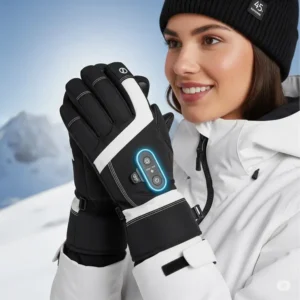
Frequently Asked Questions ❓
❓ How long do batteries last in the best heated ski gloves during actual skiing?
❓ Are heated ski gloves safe to use with avalanche beacons and safety equipment?
❓ What's the best heated ski gloves option for someone with Raynaud's syndrome?
❓ How much do replacement batteries cost for heated ski gloves?
❓ Can you wash heated ski gloves in a washing machine safely?
Conclusion: Making the Right Choice for Your Skiing Adventures 🎯
Choosing the best heated ski gloves transforms your winter skiing experience from enduring cold hands to enjoying extended comfort on the mountain. Through our comprehensive analysis of real products, specifications, and user experiences, several key insights emerge to guide your decision.
The Snow Deer Heated Ski Gloves at $129 represent the best overall value, providing comprehensive heating coverage, reliable performance, and excellent battery life that satisfies most recreational skiers’ needs. For those requiring premium features and professional-grade durability, the Outdoor Research Prevail Heated Gore-Tex Gloves justify their higher cost through superior construction and extended warranty support.
Budget-conscious skiers will find excellent warmth retention in the Snow Deer Heated Mittens at $90, while those prioritizing innovative features should consider the Gobi Heat Vertex II with its steel fiber heating technology and modern USB-C charging system.
Remember that the best heated ski gloves are those that match your specific skiing patterns, cold sensitivity, and performance requirements. Consider your typical skiing conditions, frequency of use, and any medical factors that influence your cold tolerance when making your selection.
✨ Ready to Experience Warm Hands All Day? 🔥
Stop letting cold fingers cut your ski days short! Click on any of our recommended heated ski gloves to check current Amazon pricing and customer reviews. These game-changing gloves will help you enjoy every moment on the mountain, from first chair to last call! ⛷️
Investment in quality heated ski gloves pays dividends through extended skiing enjoyment, improved performance, and the confidence that comes from reliable equipment. With proper care and maintenance, the best heated ski gloves provide years of consistent warmth that transforms your relationship with winter skiing.
The technology continues advancing rapidly, but current options already deliver remarkable performance that makes cold hands a thing of the past. Whether you’re a weekend warrior or daily instructor, the right heated ski gloves are waiting to revolutionize your skiing experience.
Recommended for You
- 7 Best Heated Glove Liners That Actually Work in 2025 – Tested & Reviewed
- 7 Best Heated Glove Liners That Actually Work in 2025 – Tested & Reviewed
- 7 Best Heated Glove Liners That Actually Work in 2025: Ultimate Warmth Guide
Disclaimer: This article contains affiliate links. If you purchase products through these links, we may earn a small commission at no additional cost to you.
✨ Found this helpful? Share it with your friends! 💬🤗
