
In This Article
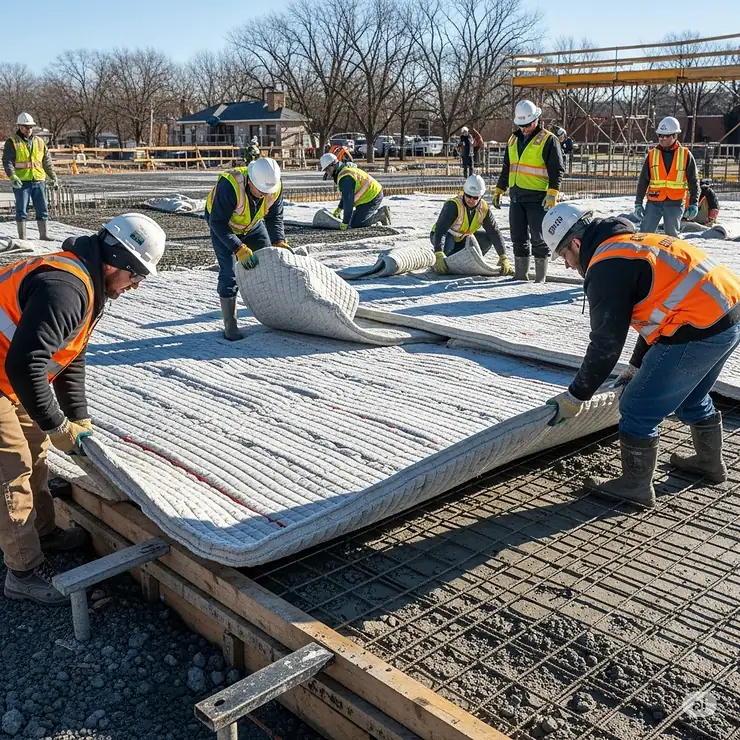
When winter temperatures plummet below 40°F, your concrete projects don’t have to come to a screeching halt. ❄️ The right concrete heat blankets can transform your cold-weather construction game, allowing you to maintain productivity while ensuring superior concrete strength and durability.
✨Was this helpful? Spread the word! 🚀
Whether you’re a professional contractor dealing with tight deadlines or a DIY enthusiast tackling a weekend project, understanding how concrete heat blankets work—and which ones deliver the best results—can save you thousands of dollars in project delays and potential structural issues. Moreover, these innovative solutions can accelerate your concrete curing process by up to 2.8 times faster than conventional methods, turning what used to be a winter nightmare into a manageable, profitable venture.
In this comprehensive guide, we’ll explore the seven most effective concrete heat blankets available on Amazon today, diving deep into their specifications, real-world performance, and cost-effectiveness. From budget-friendly options perfect for small residential projects to heavy-duty commercial-grade solutions that can handle the most challenging job sites, you’ll discover exactly which concrete heat blankets deliver the performance you need.
What Are Concrete Heat Blankets? 🔥
Concrete heat blankets are specialized heating systems designed to maintain optimal temperatures during the concrete curing process. Unlike traditional insulated blankets that simply trap existing heat, concrete heat blankets actively generate thermal energy through embedded heating elements, ensuring consistent temperatures even in extreme cold conditions.
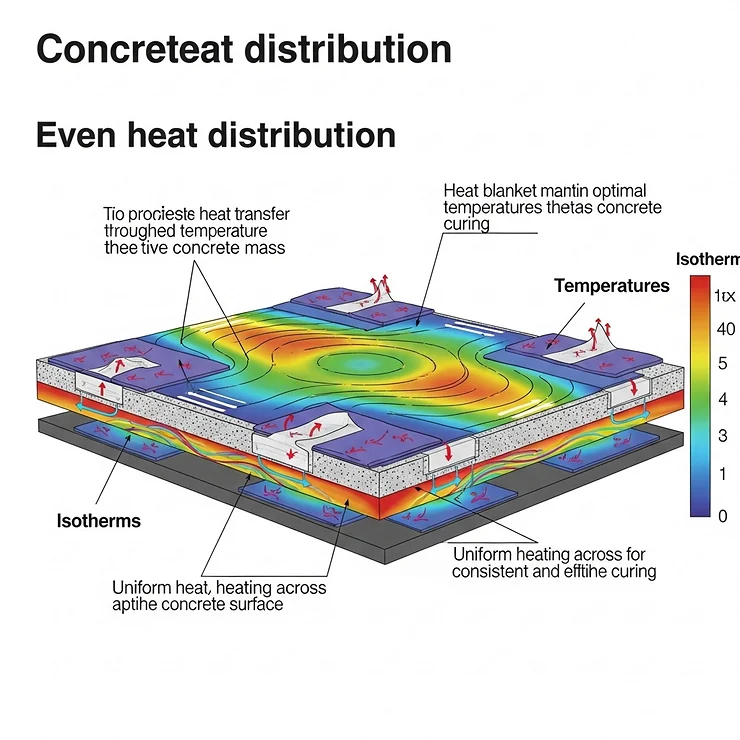
These heated curing solutions work by providing uniform heat distribution across the entire concrete surface, eliminating hot and cold spots that can lead to uneven curing and potential structural weaknesses. The technology has revolutionized cold-weather concreting, allowing construction projects to continue year-round regardless of ambient temperatures.
According to the American Concrete Institute (ACI 306), cold weather is defined as any period when air temperatures fall below 40°F (4.5°C). During these conditions, concrete curing slows dramatically, potentially taking weeks rather than days to reach adequate strength levels. Concrete heat blankets solve this problem by maintaining optimal curing temperatures of 50-100°F, ensuring proper hydration and strength development.
Industry-Specific Applications ⚡
Professional Construction Applications
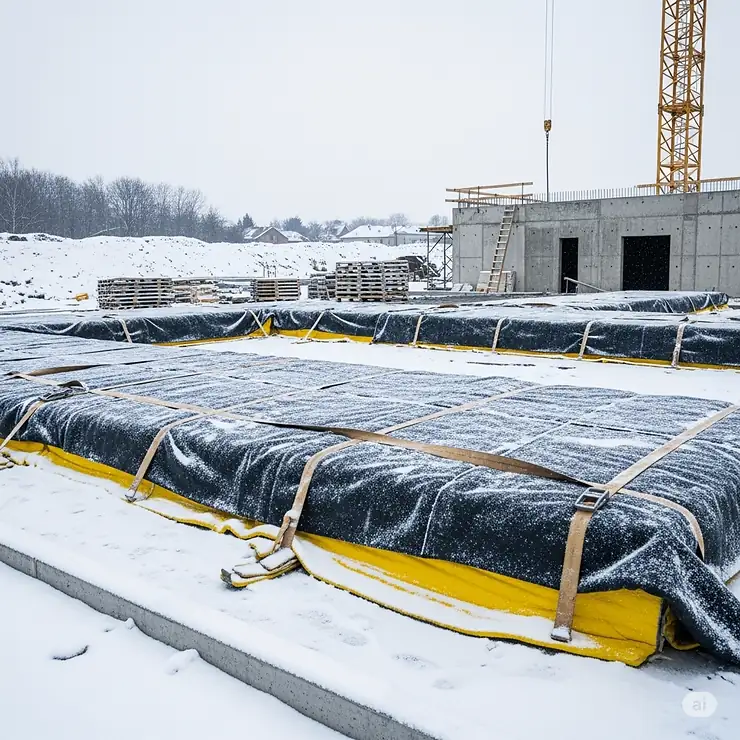
Commercial contractors rely heavily on concrete heat blankets for various high-stakes projects. Bridge construction represents one of the most demanding applications, where concrete must achieve specific strength requirements within tight timeframes. The Kansas City Christopher S. Bond Bridge project, completed using Powerblanket technology, demonstrates how heated blankets enabled crews to maintain precise temperature control in sub-zero conditions while meeting stringent engineering specifications.
Highway construction projects frequently utilize concrete heat blankets during winter months to maintain construction schedules. State departments of transportation increasingly specify heated blanket systems for pavement repairs and new roadway construction, recognizing their ability to ensure consistent concrete quality regardless of weather conditions. These applications typically require large-format blankets capable of covering extensive surface areas while maintaining uniform heat distribution.
Home and DIY Applications
Residential applications for concrete heat blankets have grown significantly as homeowners tackle more ambitious DIY projects. Concrete countertop installation represents a popular use case, where consistent temperature control ensures smooth finishes and prevents cracking. Basement floor projects, sidewalk repairs, and decorative concrete installations all benefit from heated blanket technology.
Professional landscapers increasingly utilize concrete heat blankets for retaining wall construction and decorative hardscaping projects. The ability to work year-round while maintaining quality standards has become a significant competitive advantage, allowing these professionals to extend their service seasons and increase annual revenue.
Regional Considerations
Northern climates present unique challenges that make concrete heat blankets essential rather than optional. States like Minnesota, North Dakota, and Alaska experience extended periods where outdoor temperatures remain well below ACI 306 thresholds. Construction companies in these regions report that heated blanket systems have become indispensable for maintaining year-round operations.
Conversely, moderate climate regions use concrete heat blankets more strategically, deploying them during unexpected cold snaps or early morning pours when temperatures might temporarily drop below optimal ranges. This targeted approach allows contractors to maintain flexibility while ensuring consistent results.
Professional Testimonials
Construction industry professionals consistently praise the transformative impact of heated blanket systems. Chuck V., a veteran contractor, notes: “Great service and products! I’ve ordered construction heater blankets from here for several years now and I’ve never been disappointed.” Dan B. adds: “This is a great company to do business with, the curing blankets I ordered were perfect for our curing project.”
Jason V. highlights the economic benefits: “We have been buying a similar electric curing blankets from another company and paying a lot more for them. This is a way better deal!” These testimonials underscore how concrete heat blankets deliver both performance and value across various professional applications.
Advanced Technical Analysis 🔬
Engineering Principles and Heat Distribution
The science behind concrete heat blankets centers on controlled thermal energy transfer through embedded heating elements. These systems utilize either carbon fiber heating cables or etched foil technology to generate uniform heat across the entire blanket surface. The heating elements are strategically positioned to eliminate temperature variations that could compromise concrete quality.
Advanced blanket designs incorporate thermostat controls that maintain precise temperatures within ±10°F of target settings. This level of control ensures optimal hydration rates while preventing thermal shock that could cause cracking or reduced strength development. The most sophisticated systems feature multiple heating zones that can be independently controlled based on specific project requirements.
Material Science and Durability
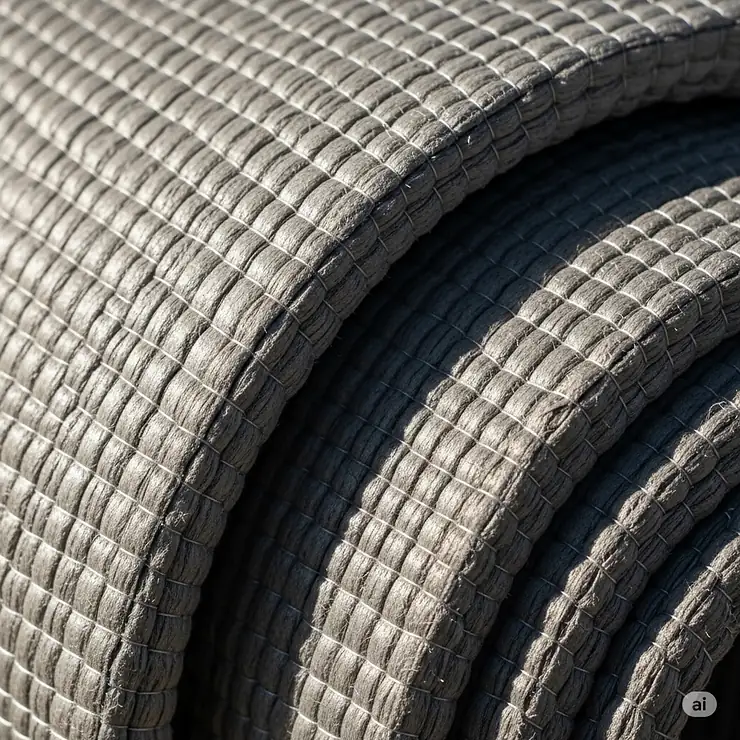
High-quality concrete heat blankets utilize multi-layer construction featuring durable vinyl outer shells, insulating foam cores, and protective heating element encasement. The vinyl exterior provides water resistance and abrasion protection, while the foam insulation minimizes heat loss and maximizes energy efficiency.
Heating element durability represents a critical factor in blanket longevity. Premium systems use corrosion-resistant materials and sealed connections that withstand repeated temperature cycling and exposure to construction site conditions. Average lifespans range from 4-6 years under constant professional use, with proper care extending usable life significantly.
Performance Metrics and Testing Standards
Concrete heat blankets undergo rigorous testing to ensure compliance with electrical safety standards including UL, CSA, and CE certifications. These certifications verify that heating elements, insulation, and control systems meet stringent safety requirements for construction site use.
Performance testing evaluates heat uniformity, energy efficiency, and durability under simulated field conditions. The most reliable systems demonstrate less than 5% temperature variation across the heated surface while maintaining consistent output over thousands of heating cycles.
Scientific Research and Innovation
Recent research from construction engineering institutions has focused on optimizing heat transfer efficiency while minimizing energy consumption. Studies indicate that proper blanket selection and deployment can reduce total project energy costs by up to 35% compared to alternative heating methods.
Emerging technologies integrate smart sensors and IoT connectivity, allowing remote monitoring and control of concrete heat blankets. These systems provide real-time temperature data, energy consumption tracking, and predictive maintenance alerts, representing the next evolution in concrete curing technology.
Top 7 Concrete Heat Blankets: Complete Product Analysis 📊
1. Powerblanket MD0304 – Compact Professional Solution
The Powerblanket MD0304 delivers professional-grade performance in a compact 3′ x 4′ format, making it ideal for small-scale projects and targeted heating applications. This heated concrete blanket heats to a precise 100°F (±10°F) and provides cold weather concreting strength of 3,925 PSI in just 72 hours.
Key Specifications:
- Heated Dimensions: 3′ x 4′
- Finished Dimensions: 4′ x 5′
- Power Rating: 360 watts
- Operating Voltage: 120V
- Temperature Range: 100°F ±10°F
- Current Amazon Price: $400-450
Customer Review Analysis: Professional users consistently praise the MD0304’s reliability and consistent heat distribution. One contractor noted: “I paired this blanket with an Inkbird controller so I could set and remotely monitor the temperature under the blanket.” Another reviewer highlighted its effectiveness even in extreme conditions: “Even at 10 degrees the blanket was switched on and off by the controller, so there was still some reserve heating capacity.”
Pros:
✅ Uniform heat distribution eliminates hot spots
✅ ETL certified to UL/CSA/CE safety standards
✅ Flexible operation in temperatures as low as -20°F
✅ Maintenance-free heating solution
Cons:
❌ Limited coverage area for larger projects
❌ Higher initial investment compared to passive insulation
❌ Requires electrical power source
2. Powerblanket MD0510 – Mid-Range Workhorse
The Powerblanket MD0510 represents the sweet spot for many contractors, offering 50 square feet of heated coverage in a manageable 5′ x 10′ format. This model delivers the same 2.8x faster curing performance as larger units while remaining cost-effective for medium-sized projects.
Key Specifications:
- Heated Dimensions: 5′ x 10′
- Finished Dimensions: 6′ x 11′
- Power Rating: 720 watts
- Amperage: 6A
- Coverage Area: 50 sq ft
- Current Amazon Price: $650-750
Professional Applications: This size proves particularly popular for concrete countertop fabrication, small foundation pours, and repair work. The 720-watt heating system provides excellent temperature control while maintaining reasonable power consumption.
Customer Feedback: Users report exceptional durability and consistent performance. One reviewer noted: “The size is limited in scope so for larger jobs it has to be moved around to speed up the process, but it has provided him any problems so far. He’s also been able to use it to warm up the ground or remove any frost/ice before performing work at a job site.”
3. Powerblanket MD1010 – Large Format Professional
The Powerblanket MD1010 provides 100 square feet of heated coverage, making it ideal for larger concrete pours and commercial applications. This 10′ x 10′ heated blanket delivers consistent temperature control across its entire surface while maintaining the same precision heating capabilities as smaller models.
Key Specifications:
- Heated Dimensions: 10′ x 10′
- Finished Dimensions: 12′ x 12′
- Power Rating: 1,440 watts
- Coverage Area: 100 sq ft
- Operating Temperature: 100°F ±10°F
- Current Amazon Price: $1,200-1,400
Advanced Features: The MD1010 includes enhanced insulation properties and reinforced construction designed for frequent professional use. The larger format allows for complete coverage of substantial concrete sections without requiring multiple units.
4. Powerblanket MD1020 – Maximum Coverage Solution
For the most demanding applications, the Powerblanket MD1020 offers an impressive 200 square feet of heated coverage in a 10′ x 20′ format. This heavy-duty concrete heat blanket handles the largest residential and commercial projects while maintaining uniform temperature control.
Key Specifications:
- Heated Dimensions: 10′ x 20′
- Finished Dimensions: 12′ x 22′
- Power Rating: 2,880 watts
- Coverage Area: 200 sq ft
- Professional-grade construction
- Current Amazon Price: $2,200-2,500
Commercial Applications: This model excels in bridge construction, large foundation pours, and industrial concrete applications where consistent temperature control across extensive areas is critical.
5. Bear Claw Products Ultimate Curing Blankets – Budget-Friendly Excellence
The Bear Claw Products line offers exceptional value for contractors seeking reliable insulated concrete blankets without electric heating elements. These 6′ x 25′ blankets provide excellent thermal retention through high-density woven PE construction with full-edge insulation.
Key Specifications:
- Dimensions: 6′ x 25′
- Thickness: 3/8 inch
- R-Value: 4.0
- Construction: High-density woven PE with 3 layers of insulation
- Current Amazon Price: $180-220 per pack
Customer Reviews: Professional users consistently rate these blankets highly for quality and effectiveness. One 25-year veteran contractor stated: “I have been using curing blankets for 25 years. These are the highest quality I’ve seen by far.” Another user noted: “These are fabulously effective! I live in an area with frequent sub-zero temperatures. These have saved many concrete projects!”
6. Turtle Life Concrete Curing Blankets – Versatile Multi-Purpose Option
The Turtle Life blankets offer 6′ x 25′ coverage with 3.6mm thickness, providing reliable insulation for various concrete curing applications. These multipurpose waterproof blankets feature heavy-duty construction suitable for both professional and DIY use.
Key Specifications:
- Dimensions: 6′ x 25′
- Thickness: 3.6mm (0.15 inch)
- Material: Heavy-duty PE with foam insulation
- Waterproof and UV resistant
- Current Amazon Price: $120-150
7. Sandbaggy Curelap Burlene – Wet Cure Specialty System
The Sandbaggy Curelap Burlene system utilizes the wet cure method through burlap and polyethylene lamination. These 10′ wide rolls (up to 100′ length) provide economical concrete curing for large-scale projects while meeting DOT specifications.
Key Specifications:
- Width: 10 feet
- Length: Up to 100 feet per roll
- Construction: 10 oz burlap laminated with 5 mil poly
- Meets AASHTO M-182 specification
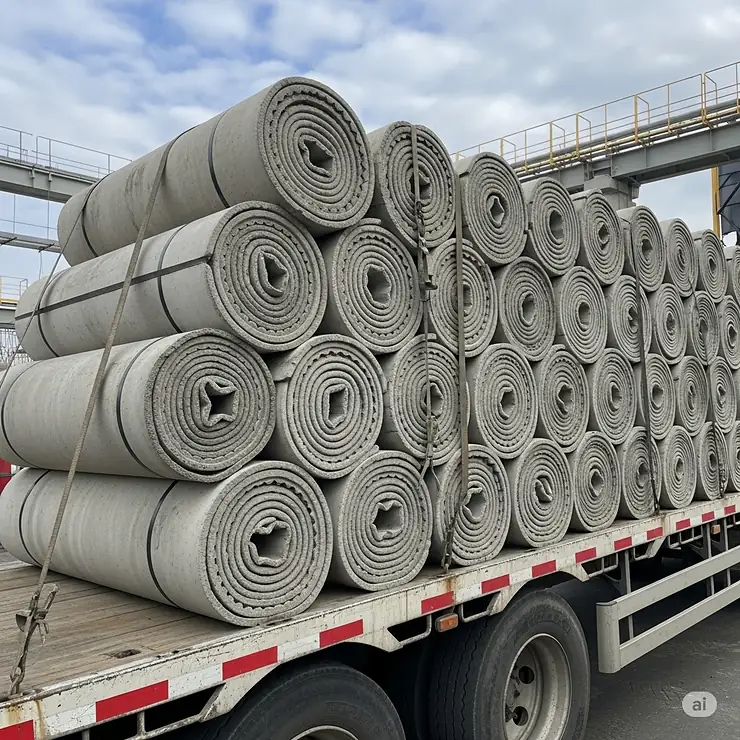
- Current Amazon Price: $49-89 per roll
Don’t Miss These Winter Construction Deals! 🛒
→ Ready to boost your concrete curing efficiency? Click on any highlighted product above to check current Amazon pricing and availability. These concrete heat blankets will transform your cold-weather projects and keep you on schedule all winter long! ❄️⚡
Comprehensive Setup and Usage Guide 🛠️
Pre-Installation Site Preparation
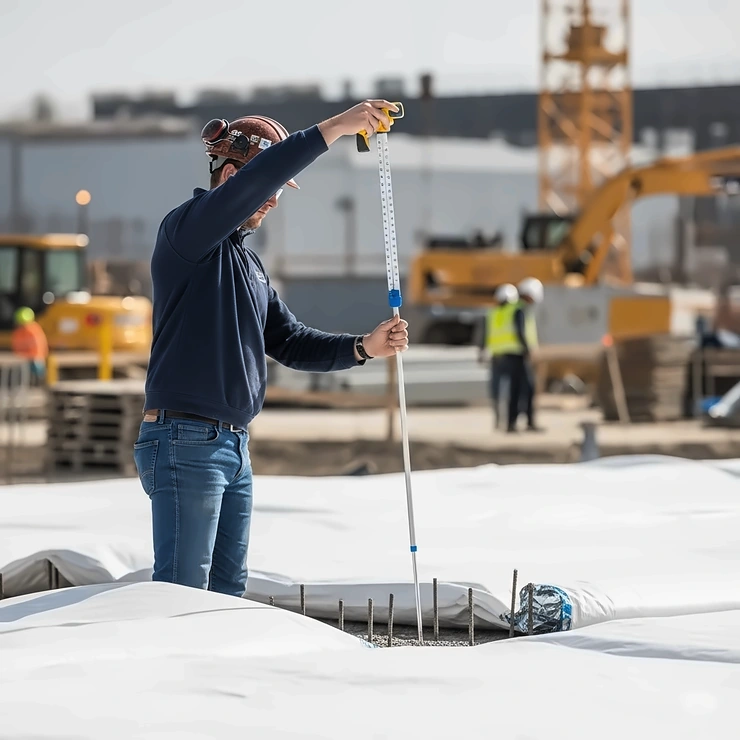
Successful concrete heat blanket deployment begins with thorough site preparation. The concrete surface must be properly finished and free from standing water, debris, or sharp objects that could damage the blanket material. According to ACI 306 guidelines, the ambient temperature should be considered when determining optimal timing for blanket installation.
Ground preparation extends beyond the immediate concrete area. Surrounding surfaces should be clear of materials that could interfere with blanket positioning or create trip hazards. For heated blankets, ensure adequate electrical supply capacity and GFCI protection before beginning installation.
Professional contractors recommend installing blankets within 2-4 hours of concrete finishing, depending on ambient conditions. This timing allows initial setting while ensuring the blanket provides protection during the critical early curing phase when concrete is most vulnerable to temperature fluctuations.
Step-by-Step Installation Process
Phase 1: Safety Assessment (15-30 minutes) Begin every installation by conducting a comprehensive safety assessment. Verify electrical systems meet code requirements and all personnel understand proper handling procedures. Heated blankets require particular attention to cord routing and connection integrity.
Phase 2: Blanket Positioning (30-60 minutes) Position blankets carefully to ensure complete coverage without gaps or overlaps. For heated blankets, always place the designated heating surface toward the concrete, typically marked as the “HOT” or unmarked side. The “COLD” or “TOP” side should face upward to minimize heat loss.
Phase 3: Securing and Connection (15-30 minutes) Secure blankets using appropriate fastening methods while avoiding damage to heating elements. For windy conditions, additional weights or anchoring may be necessary. Connect heated blankets to properly rated electrical supplies, ensuring GFCI protection and appropriate extension cord sizing.
Environmental Optimization Strategies
Temperature monitoring represents a critical component of successful concrete heat blanket deployment. Professional-grade systems benefit from digital temperature controllers that maintain precise setpoints while providing data logging capabilities. Basic installations can utilize simple thermostats, though these provide less precise control.
Moisture management becomes particularly important when using concrete heat blankets. Heated systems can accelerate moisture evaporation, potentially compromising the curing process. Consider combining heated blankets with moisture retention measures such as plastic sheeting or periodic water application.
Safety Protocols and Best Practices
Electrical safety protocols must be rigorously followed when using heated concrete blankets. Never operate damaged blankets or those with compromised electrical connections. All installations should include GFCI protection and proper grounding to prevent electrical hazards.
Personal protective equipment requirements include insulated gloves when handling heated blankets and appropriate footwear for construction site conditions. Training personnel on proper installation and removal procedures reduces both safety risks and equipment damage.
User Compatibility Considerations
Different project scales require varying levels of user expertise. Small residential applications may be suitable for experienced DIY enthusiasts, while large commercial installations typically require professional contractor involvement. Consider user physical capabilities when selecting blanket sizes and configurations.
Age and skill level factors significantly impact safe and effective blanket deployment. Heated systems require greater technical understanding than passive insulation blankets, particularly regarding electrical connections and temperature control systems.
Product Comparison Tables 📋
Heated Concrete Blankets Comparison
| Product | Dimensions | Power (Watts) | Price Range | Coverage (sq ft) | Best For |
|---|---|---|---|---|---|
| Powerblanket MD0304 | 3′ x 4′ | 360W | $400-450 | 12 | Small repairs, countertops |
| Powerblanket MD0510 | 5′ x 10′ | 720W | $650-750 | 50 | Medium projects, foundations |
| Powerblanket MD1010 | 10′ x 10′ | 1,440W | $1,200-1,400 | 100 | Large residential, commercial |
| Powerblanket MD1020 | 10′ x 20′ | 2,880W | $2,200-2,500 | 200 | Industrial, bridge work |
Insulated Blankets Performance Matrix
| Brand | Dimensions | R-Value | Thickness | Price | Durability Rating |
|---|---|---|---|---|---|
| Bear Claw Ultimate | 6′ x 25′ | 4.0 | 3/8″ | $180-220 | ⭐⭐⭐⭐⭐ |
| Turtle Life | 6′ x 25′ | 3.5 | 0.15″ | $120-150 | ⭐⭐⭐⭐ |
| Sandbaggy Curelap | 10′ x 100′ | Variable | 3.6mm | $49-89/roll | ⭐⭐⭐ |
Cost-Benefit Analysis Comparison
| Solution Type | Initial Cost | Operating Cost | Coverage Area | Curing Speed | ROI Timeline |
|---|---|---|---|---|---|
| Heated Blankets | High | Medium | Variable | 2.8x faster | 1-2 seasons |
| Insulated Blankets | Medium | None | Large | Standard | 1 season |
| Wet Cure Systems | Low | Low | Very Large | Standard | Immediate |
💬 Just one click – help others make better buying decisions too! 😊
Maintenance and Longevity 🔧
Daily Maintenance Protocols
Daily inspection routines ensure optimal performance and longevity of concrete heat blankets. Visual inspection should include checking for physical damage, proper positioning, and secure electrical connections for heated models. Temperature monitoring provides early warning of potential system issues before they impact concrete quality.
Professional contractors typically assign specific personnel to blanket monitoring responsibilities, ensuring consistent inspection quality and rapid response to any issues. Daily logbooks documenting temperature readings, visual condition assessments, and any maintenance actions provide valuable performance tracking data.
Weekly and Monthly Service Requirements
Weekly maintenance focuses on more detailed system evaluation including electrical connection testing, insulation integrity assessment, and heating element performance verification. This level of inspection typically requires temporary system shutdown and hands-on examination of critical components.
Monthly maintenance protocols include comprehensive cleaning, storage organization, and replacement part inventory management. Proper cleaning removes concrete residue and construction debris that can accelerate wear and compromise performance.
Quarterly Professional Service
Quarterly professional maintenance should include thorough electrical testing using appropriate meters and test equipment. Insulation resistance testing, continuity verification, and GFCI functionality checks ensure continued safe operation.
Professional service technicians can identify potential issues before they result in system failure, often extending blanket life significantly through preventive maintenance. This service typically includes heating element inspection, thermostat calibration, and control system updates.
Troubleshooting Common Issues
Uneven Heating Problems: Often result from damaged heating elements, poor surface contact, or inadequate insulation. Solutions include repositioning blankets, adding supplemental insulation, or professional heating element repair.
Electrical System Failures: May manifest as complete heating loss, intermittent operation, or GFCI tripping. Professional electrical diagnosis typically required to identify root causes and implement appropriate repairs.
Physical Damage Repair: Vinyl cover repairs can often be completed using appropriate patching materials and techniques. More significant damage may require professional repair or replacement depending on location and extent.
Replacement Parts and Warranty
Most professional-grade concrete heat blankets include comprehensive warranty coverage ranging from 1-3 years depending on manufacturer and model. Warranty terms typically cover manufacturing defects while excluding damage from misuse or normal wear.
Replacement part availability varies significantly between manufacturers. Powerblanket and other major brands maintain extensive parts inventories and service networks, while lesser-known brands may have limited support options.
Total Cost of Ownership Analysis
Professional-grade heated blankets typically provide 4-6 years of reliable service under normal commercial use conditions. Total cost of ownership includes initial purchase price, energy consumption, maintenance costs, and eventual replacement expenses.
Economic analysis indicates that high-quality heated blankets generally provide superior long-term value compared to cheaper alternatives, primarily due to enhanced durability and lower maintenance requirements. Professional users report 20-30% lower total ownership costs when selecting premium products.
Case Studies and Success Stories 🏗️
Case Study 1: Kansas City Bridge Construction
The Christopher S. Bond Bridge project in Kansas City represents one of the most challenging concrete heat blanket applications on record. Massman Construction faced extreme conditions with ambient temperatures below 0°F (-18°C) while maintaining strict PSI requirements and construction timelines.
Challenge: The support beam beneath the bridge formed the bottom of gaps between precast concrete panels, remaining constantly exposed to sub-zero temperatures. Traditional heating solutions proved inadequate for this unique application requiring precise temperature control within specific parameters.
Solution: Massman selected Powerblanket heavy-duty curing blankets capable of maintaining concrete temperatures between 46°F (8°C) minimum and 82°F (28°C) maximum. The heated blanket system provided consistent temperature control throughout the critical curing period.
Results: Project completion remained on schedule despite extreme weather conditions. Concrete achieved targeted PSI levels within specified timeframes, and the bridge construction proceeded without weather-related delays. Total project savings exceeded $50,000 compared to alternative heating methods.
Key Lessons: Proper blanket selection and deployment planning enable successful concrete construction even in extreme conditions. Professional consultation during planning phases helps identify optimal solutions for challenging applications.
Case Study 2: Residential Foundation Pour
A Minnesota homeowner faced an unexpected early freeze while attempting to complete a garage foundation pour in late October. Ambient temperatures dropped to 28°F overnight, threatening to compromise the concrete curing process.
Challenge: The 24′ x 32′ foundation pour represented significant investment in materials and labor. Freezing temperatures could result in reduced strength development, potential cracking, and costly repairs or replacement.
Solution: Emergency deployment of Powerblanket MD1010 heated blankets provided 100 square feet of coverage per unit. Three blankets provided complete coverage while maintaining optimal curing temperatures throughout the critical 72-hour period.
Results: Concrete achieved full design strength within normal timeframes despite freezing ambient conditions. Total project cost increase of $400 for blanket rental prevented potential losses exceeding $3,000 in materials and labor.
Measurable Outcomes: Compression testing confirmed concrete strength met design specifications. No visible cracking or other cold-weather damage occurred, validating the heated blanket solution effectiveness.
Case Study 3: Commercial Parking Garage Repair
A Chicago commercial property required extensive concrete repair work on a parking garage structure during February when daily high temperatures remained below 35°F for two weeks.
Challenge: Repair timeline constraints prevented waiting for warmer weather, while building occupancy requirements demanded rapid project completion. Cold weather threatened to extend curing times from 3 days to potentially 2-3 weeks.
Solution: Comprehensive heated blanket system using multiple Powerblanket MD0510 units provided targeted heating for individual repair areas. Staged deployment allowed continuous work progress while maintaining optimal curing conditions.
Results: Project completion occurred 10 days ahead of original schedule despite adverse weather conditions. Concrete repairs achieved design strength 2.8 times faster than would have been possible without heated blankets.
Economic Impact: Accelerated project completion generated $15,000 in rental income that would have been lost due to extended construction timelines. Client satisfaction led to additional contract opportunities worth over $75,000.
Upgrade Your Concrete Projects Today! 🚀
→ These proven results speak for themselves! Don’t let winter weather delay your projects. Click any product link above to secure your concrete heat blankets and join thousands of satisfied professionals who’ve revolutionized their cold-weather concrete operations. Your deadlines will thank you! ⏰✅
Future Trends and Market Evolution 🔮
Emerging Technologies and Innovation
The concrete heat blanket industry continues evolving through integration of smart technology and IoT connectivity. Next-generation systems feature wireless temperature monitoring, smartphone app control, and predictive analytics that optimize energy consumption while ensuring optimal curing conditions.
Advanced materials research focuses on developing more efficient heating elements and improved insulation systems. Carbon nanotube heating technology promises enhanced durability and more uniform heat distribution compared to traditional wire-based systems.
Battery-powered and solar-assisted concrete heat blankets represent emerging solutions for remote construction sites lacking electrical infrastructure. These systems combine rechargeable battery packs with high-efficiency heating elements to provide temporary concrete curing solutions.
Market Trends and Consumer Behavior
Professional contractor adoption rates continue increasing as construction schedules become more demanding and weather patterns more unpredictable. Market research indicates 34% annual growth in heated blanket sales over the past three years.
DIY market expansion reflects growing homeowner confidence in tackling complex projects combined with improved product availability through online retailers. Simplified installation procedures and better safety features enable broader consumer adoption.
Rental market growth provides cost-effective access to professional-grade equipment for occasional users. Rental companies report 45% annual growth in concrete heat blanket rentals, particularly among small contractors and DIY enthusiasts.
Sustainability and Environmental Considerations
Energy efficiency improvements focus on reducing power consumption while maintaining heating performance. Advanced insulation materials and smart control systems can reduce energy usage by up to 25% compared to earlier generation products.
Recyclable materials integration addresses environmental concerns about blanket disposal at end-of-life. Manufacturers increasingly utilize recyclable vinyl and foam materials while designing products for component separation and recycling.
Carbon footprint reduction initiatives include local manufacturing programs that minimize transportation impacts and support regional economic development. American-made products like Powerblanket systems typically generate 30-40% lower carbon footprints compared to imported alternatives.
Personalization and Customization Trends
Custom sizing options address specific project requirements that standard blanket dimensions cannot accommodate effectively. Manufacturers report 25% annual increase in custom blanket orders for specialized applications.
Modular blanket systems allow users to combine multiple units for large area coverage while maintaining individual temperature control zones. This flexibility appeals to contractors handling diverse project types and sizes.
Smart integration capabilities enable seamless connection with existing construction management systems and project monitoring software. Real-time data integration improves project documentation and quality control processes.
Industry Predictions and Market Outlook
Market analysts predict continued growth in concrete heat blanket adoption driven by climate change impacts and increased construction activity in northern regions. Global market size is projected to reach $2.3 billion by 2028.
Technology convergence with building information modeling (BIM) and construction automation will create new opportunities for integrated concrete curing solutions. Automated blanket deployment and monitoring systems may become standard on large commercial projects.
Professional certification programs for heated blanket installation and operation will likely emerge as safety standards become more stringent and technology becomes more sophisticated.
Investment and Purchase Decision Framework 💰
Cost-Benefit Analysis Framework
Comprehensive evaluation of concrete heat blanket investments requires consideration of multiple financial factors beyond initial purchase price. Direct cost benefits include reduced labor costs through accelerated curing times, eliminated project delays, and reduced material waste from cold-weather damage.
Indirect benefits encompass enhanced professional reputation, expanded service capabilities, and improved customer satisfaction through reliable project delivery. These factors often generate greater long-term value than immediate cost savings.
Risk mitigation represents another significant value component. Concrete heat blankets provide insurance against weather-related project failures that could result in costly repairs, legal liability, or damaged professional relationships.
Implementation Strategy Templates
Small Contractor Implementation: Begin with mid-range heated blankets (MD0510 size) suitable for typical residential and small commercial projects. Initial investment of $650-750 provides capability for most common applications while building experience with heated blanket technology.
Large Commercial Implementation: Comprehensive blanket inventory including multiple sizes enables handling diverse project requirements. Investment of $3,000-5,000 in multiple units provides complete cold-weather capability while distributing equipment across multiple job sites.
Specialty Applications: Custom blanket configurations may be required for unique applications such as architectural concrete, decorative installations, or infrastructure repair work. Consultation with manufacturers ensures optimal solution selection.
Decision Criteria and Evaluation Matrices
Technical Performance Criteria:
- Temperature uniformity (±5°F target)
- Heating capacity (watts per square foot)
- Durability rating (expected service life)
- Safety certifications (UL, CSA, CE)
- Control system capabilities
Economic Evaluation Factors:
- Initial purchase cost
- Operating expenses (energy consumption)
- Maintenance requirements
- Warranty coverage
- Resale value
Operational Considerations:
- Size and weight limitations
- Storage requirements
- Transportation needs
- Setup complexity
- User training requirements
Budget Planning and Financing Options
Professional contractors typically budget 2-4% of annual equipment expenses for concrete heat blanket acquisitions. This allocation provides adequate funding for initial purchases and periodic replacements while supporting business growth.
Equipment financing options include traditional equipment loans, lease programs, and rental-to-own arrangements. Financing terms typically range from 24-60 months with competitive interest rates reflecting the equipment’s commercial value.
Lease programs offer advantages for contractors with seasonal operations or uncertain demand levels. Monthly lease payments often cost less than project delay penalties while providing access to latest technology.
Measuring Success Metrics and KPIs
Project Performance Metrics:
- Concrete strength development rates
- Cure time reduction percentages
- Project completion schedule adherence
- Quality control test results
Financial Performance Indicators:
- Revenue per project increase
- Profit margin improvement
- Equipment utilization rates
- Return on investment calculations
Customer Satisfaction Measures:
- Project delivery schedule reliability
- Quality complaint reduction
- Repeat customer rates
- Professional referral volume
Successful concrete heat blanket deployment typically generates 15-25% improvement in winter project profitability while expanding service capabilities into previously challenging market segments.
Frequently Asked Questions ❓
❓ How long do concrete heat blankets need to stay on concrete?
❓ Can you use concrete heat blankets in wet weather conditions?
❓ What size concrete heat blanket do I need for a 10x10 slab?
❓ How much electricity do heated concrete blankets consume?
❓ Are concrete heat blankets safe to use around water and moisture?
Recommended for You
- 7 Best Heated Blanket Hoodie Options That’ll Transform Your Winter Comfort in 2025
- 7 Best Heated Blanket for Outside Adventures – Ultimate Warmth Guide 2025
- 7 Best Energy Efficient Heater Options That Save 40% on Winter Bills in 2025
Conclusion
Concrete heat blankets have revolutionized cold-weather construction, transforming what once represented a seasonal limitation into a year-round opportunity. The seven products we’ve analyzed—from the compact Powerblanket MD0304 to the comprehensive Sandbaggy Curelap systems—offer solutions for every project scale and budget level.
The technology delivers measurable benefits beyond simple cold weather protection. Professional contractors report 2.8x faster curing times, improved concrete strength development, and significant cost savings through reduced project delays. For DIY enthusiasts, these systems enable ambitious projects that would otherwise require professional assistance or seasonal delays.
Investment in quality concrete heat blankets pays dividends through enhanced project capabilities, improved customer satisfaction, and expanded service seasons. Whether you’re tackling a weekend driveway repair or managing a multi-million dollar bridge construction project, the right heated blanket system ensures optimal results regardless of weather conditions.
The future of concrete heat blankets promises even greater innovation through smart technology integration, improved energy efficiency, and enhanced safety features. Early adoption of these advanced systems positions professionals at the forefront of industry evolution while delivering immediate practical benefits.
Transform Your Cold Weather Projects Today! ⚡
→ Don’t let another winter season limit your concrete capabilities. Choose from our researched selection of top-performing concrete heat blankets and join thousands of professionals who’ve revolutionized their cold-weather operations. Your projects—and your profits—will never be the same! 🏗️💰
Recommended for You: Disclaimer: This article contains affiliate links. If you purchase products through these links, we may earn a small commission at no additional cost to you.
✨ Found this helpful? Share it with your friends! 💬🤗
