
In This Article
✨Was this helpful? Spread the word! 🚀
Creating the perfect ambiance in your home doesn’t require the hassle of chopping wood or dealing with messy ashes. Electric fireplace logs have revolutionized how we experience the warmth and comfort of a traditional fireplace, offering all the visual appeal without any of the maintenance headaches. Whether you’re retrofitting an existing fireplace or simply want to add that cozy glow to your living space, electric fireplace logs provide an incredibly convenient solution that’s both energy-efficient and environmentally friendly.
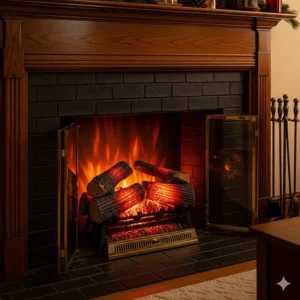
The beauty of electric fireplace logs lies in their ability to create that mesmerizing dancing flame effect while providing supplemental heat exactly where you need it. These innovative products have come a long way from their early iterations, now featuring incredibly realistic log designs, advanced LED technology, and smart controls that let you customize your experience with the touch of a button. From budget-friendly options that deliver basic ambiance to premium models with infrared heating and smart home integration, there’s an electric logs for fireplace solution for every home and budget.
Understanding Electric Fireplace Logs: The Modern Alternative to Traditional Fireplaces 🔥
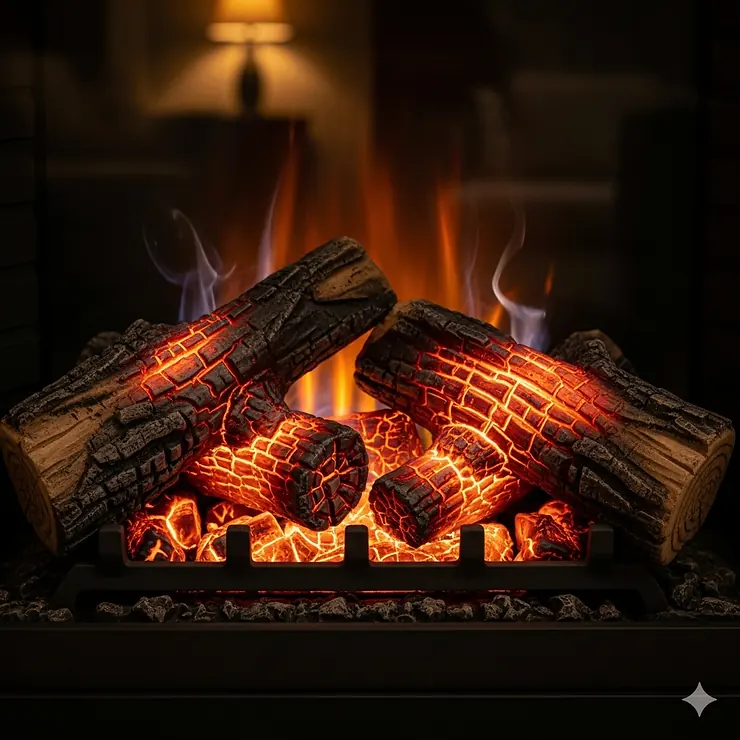
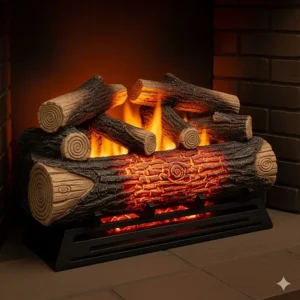
Electric fireplace logs represent a significant leap forward in home heating and ambiance technology. Unlike traditional wood-burning fireplaces that require constant maintenance, chimney cleaning, and continuous fuel supply, electric fire logs for fireplace create the same cozy atmosphere through advanced LED technology and realistic log designs. These units typically feature handcrafted resin logs that mimic the appearance of real wood, complete with bark textures and natural grain patterns that become even more convincing when illuminated.
The technology behind electric fireplace log burning systems centers on LED lighting arrays that project dancing flames onto the logs and surrounding firebox walls. Many models incorporate multiple flame settings, allowing you to adjust both the intensity and pattern of the flames to match your mood or the time of day. Advanced models even include “breathing” modes that gently cycle the flames for a more natural, hypnotic effect that’s perfect for relaxation or meditation.
Most electric fireplace log set options operate on standard 120V household current, making installation as simple as plugging into a nearby outlet. This convenience eliminates the need for gas lines, chimney modifications, or complex electrical work that traditional fireplace installations often require. The heating elements, when included, typically range from 750W to 1500W, providing enough warmth to comfortably heat rooms up to 1,000 square feet or more.
Safety features are paramount in modern electric logs for fireplace designs. Overheat protection automatically shuts down the unit if internal temperatures exceed safe limits, while cool-touch exteriors ensure the logs remain safe around children and pets. Many models also include timer functions, allowing you to set the fireplace to automatically turn off after a predetermined period, perfect for bedtime routines or energy conservation.
Key Components of Electric Fireplace Log Systems
The anatomy of a quality electric fireplace logs system includes several critical components working in harmony. The log set itself forms the visual centerpiece, with each log carefully molded from real wood samples to capture authentic bark textures, knot patterns, and split wood details. The best manufacturers use high-grade resin materials that can withstand years of heat cycling without warping or fading.
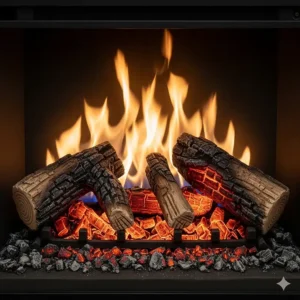
The flame generation system typically employs either LED arrays or halogen bulbs combined with rotating mirrors or fabric ribbons to create the illusion of moving flames. Premium systems use multiple light sources positioned at different angles to create depth and complexity in the flame patterns. Some models even incorporate different colored LEDs to simulate the natural color variations found in real fires, from deep oranges and reds to bright yellows and subtle blues.
The heating element, when present, usually consists of either ceramic heating elements or infrared quartz tubes. Infrared systems tend to be more efficient at warming objects and people directly, while ceramic elements excel at warming the air in a room. The choice between these technologies often depends on your specific heating needs and preferences.
Control systems have evolved significantly, with many models now featuring both physical controls and wireless remote controls. Smart models can integrate with home automation systems, allowing voice control through devices like Alexa or Google Home. Some premium models even include smartphone apps that let you control your fireplace from anywhere in your home or even remotely when you’re away.
Industry-Specific Applications: From Residential Comfort to Commercial Ambiance ✨
Electric fireplace logs have found applications far beyond residential living rooms, proving their versatility across numerous industries and settings. In the hospitality industry, hotels and resorts use electric fireplace log burning systems to create welcoming lobbies and intimate dining areas without the liability and maintenance concerns of real fires. The consistent, controllable ambiance they provide makes them ideal for creating that perfect first impression that keeps guests coming back.
Healthcare facilities have discovered the therapeutic benefits of electric fire logs for fireplace in patient rooms and common areas. The gentle, flickering light can have a calming effect on patients dealing with stress or anxiety, while the supplemental heat provides comfort without the air quality concerns associated with traditional fireplaces. Many assisted living facilities now incorporate these systems into their common areas to create more home-like environments for residents.
Restaurants and cafes leverage electric fireplace log set installations to extend their usable seasons and create intimate dining experiences. Unlike gas or wood fireplaces, electric systems can be easily controlled to maintain consistent ambiance regardless of outdoor temperature or weather conditions. The absence of real combustion also means no concerns about indoor air quality or the need for complex ventilation systems.
Corporate environments increasingly use electric logs for fireplace in executive offices, waiting areas, and conference rooms to create more welcoming, less sterile atmospheres. The professional appearance combined with energy efficiency makes them an attractive option for businesses looking to improve their environmental footprint while enhancing their workspace ambiance.
Educational institutions have found electric fireplace logs particularly useful in libraries, student lounges, and faculty areas. The quiet operation and safety features make them ideal for environments where concentration and safety are paramount. Many dormitory common areas now feature these systems to create more home-like gathering spaces for students.
Retail environments use electric fire logs for fireplace to create seasonal displays and enhance the shopping experience, particularly during fall and winter months. The ability to instantly turn the ambiance on and off makes them perfect for stores that need flexible lighting and atmosphere options throughout the day.
Event venues and wedding planners increasingly specify electric fireplace log burning systems for their reliability and ease of use. Unlike real fireplaces, these systems won’t be affected by wind, rain, or other weather conditions, ensuring consistent ambiance for outdoor and indoor events alike.
Advanced Technical Analysis: Engineering Excellence in Electric Fireplace Technology ⚡
The engineering behind modern electric fireplace logs represents a sophisticated blend of thermal dynamics, optical physics, and materials science. The flame simulation technology has evolved from simple rotating drums with colored gels to complex LED arrays synchronized with advanced algorithms that create truly random, lifelike flame patterns. Understanding these technical aspects helps consumers make informed decisions about which systems will best meet their specific needs.
Heat distribution in electric fireplace log set designs typically employs forced-air circulation systems with variable-speed fans. The most efficient designs incorporate thermal zones that direct heated air through carefully designed channels, maximizing heat transfer while minimizing energy consumption. Premium models use infrared heating elements that warm objects and people directly, similar to how the sun heats the earth, creating more comfortable warmth at lower energy costs.
The electrical systems in quality electric logs for fireplace units include multiple safety circuits and monitoring systems. Ground fault circuit interrupters (GFCI) protect against electrical hazards, while thermal fuses provide backup protection against overheating. Many models incorporate soft-start technology that gradually increases power consumption during startup, reducing wear on electrical components and extending the overall lifespan of the unit.
Materials engineering plays a crucial role in creating realistic-looking logs that can withstand years of thermal cycling. The best manufacturers use high-temperature resins combined with ceramic fiber insulation to create logs that maintain their appearance and structural integrity over time. Advanced molding techniques capture even the finest details of real wood, including bark texture variations and natural grain patterns that become more convincing under different lighting conditions.
Modern control systems incorporate microprocessor technology that allows for precise temperature regulation and sophisticated programming options. Some models feature learning algorithms that adapt to your usage patterns, automatically adjusting settings to optimize both comfort and energy efficiency. Advanced models can integrate with smart home systems, allowing voice control and remote monitoring through smartphone apps.
The optical systems that create flame effects have benefited from advances in LED technology, with many models now using full-spectrum LEDs that can reproduce the complete range of colors found in real flames. Sophisticated light pipes and diffusion systems distribute this light evenly across the log set, creating depth and dimensionality that closely mimics real fire behavior.
Sound generation in premium electric fireplace log burning systems uses digital recordings of real fires combined with algorithms that randomize the crackling patterns to avoid repetitive loops. Some models include multiple sound profiles, allowing users to choose between gentle background crackling or more prominent fire sounds depending on their preference and the acoustics of their room.
Comprehensive Setup and Usage Guide: Mastering Your Electric Fireplace Experience 🏠
Installing and optimizing electric fireplace logs requires attention to several key factors that will significantly impact both performance and enjoyment. The initial setup process begins with careful measurement of your existing fireplace opening, ensuring adequate clearance for both the logs and any associated heating elements. Most electric logs for fireplace require at least 6 inches of clearance on all sides for proper ventilation and safety.
Electrical requirements typically include a dedicated 15-amp circuit for units with heating elements, though some larger models may require 20-amp circuits. The electrical outlet should be positioned where the power cord can reach without creating a tripping hazard or requiring extension cords. Many users find that installing a new outlet specifically for their electric fireplace log set provides the cleanest, safest installation.
Environmental considerations play a crucial role in optimizing performance. Rooms with high humidity may require additional ventilation to prevent moisture buildup around electrical components. Temperature extremes can also affect performance, with very cold rooms potentially causing initial startup delays while extremely hot environments may trigger thermal protection circuits more frequently.
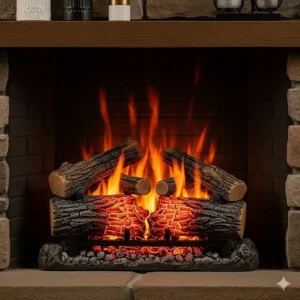
The positioning of electric fire logs for fireplace within the firebox significantly affects both appearance and heating efficiency. Logs should be arranged according to manufacturer specifications, typically with larger logs toward the back and smaller pieces in front to create natural-looking layering. The ember bed material, usually included with the set, should be distributed evenly to enhance the realistic appearance and help diffuse light from the LED systems.
User compatibility factors include physical accessibility for controls and maintenance, acoustic considerations for noise-sensitive environments, and visual ergonomics for optimal viewing angles. Many users find that slight adjustments to log positioning can dramatically improve both the visual impact and heat distribution patterns.
Safety setup procedures include ensuring proper grounding of all electrical connections, testing all safety circuits before first use, and establishing clear pathways around the fireplace area. Users should also familiarize themselves with emergency shutdown procedures and the location of circuit breakers or fuses that control the fireplace power supply.
Gradual adoption protocols help users optimize their experience over time. Start with shorter operating periods to understand power consumption patterns and heat distribution characteristics. Experiment with different flame settings and brightness levels to find combinations that work best for different times of day and activities. Most users find their optimal settings within the first week of regular use.
Initial break-in procedures for electric fireplace log burning systems typically involve running the unit for several short cycles to allow internal components to reach optimal operating temperatures and any manufacturing residues to dissipate. This process also helps identify any potential issues before they become problems during regular use.
Advanced optimization techniques include coordinating fireplace operation with existing heating and cooling systems to maximize energy efficiency. Many users find that using their electric logs for fireplace as zone heating allows them to lower their overall thermostat settings while maintaining comfort in frequently used areas.
Maintenance and Longevity: Preserving Your Investment for Years to Come 🔧
Proper maintenance of electric fireplace logs ensures optimal performance and extends the operational lifespan well beyond the typical warranty period. Unlike traditional fireplaces that require chimney cleaning and ash removal, electric systems need relatively minimal maintenance, but the care they do require is crucial for safe, efficient operation.
Daily maintenance routines should include visual inspection of the cord and plug for any signs of wear or damage. Users should also check that the fireplace area remains clear of flammable materials and that the unit hasn’t accumulated excessive dust or debris. A quick check of the remote control batteries can prevent frustrating interruptions during use.
Weekly maintenance protocols involve gentle dusting of the log surfaces using a soft, dry brush or microfiber cloth. The logs should be cool to the touch before cleaning, and users should avoid using any liquid cleaners or compressed air that might damage the electronic components. Weekly operation of different flame and heating settings helps ensure all systems remain functional and identifies potential issues early.
Monthly maintenance includes more thorough inspection of electrical connections and testing of all safety features. Users should verify that thermal protection circuits function properly by briefly blocking ventilation openings (while supervised) to ensure the unit shuts down appropriately. The flame effects should be tested at all brightness levels to ensure consistent operation across the full range of settings.
Quarterly maintenance schedules should include professional inspection for units under warranty or heavy use. This inspection typically covers electrical connections, heating element condition, and overall system calibration. Users can perform basic versions of these checks themselves, including verification that all control functions operate smoothly and that heat output remains consistent with initial performance.
Annual maintenance represents the most comprehensive service interval, ideally performed before the heavy-use heating season begins. This service should include complete electrical testing, replacement of any wear items like filters or fans, and recalibration of control systems. Professional service at this interval often identifies potential issues before they cause failures during peak usage periods.
Troubleshooting common issues requires understanding the typical failure modes of electric fireplace log set systems. Flame effects that become dim or uneven often indicate LED degradation or optical component alignment issues. Heating performance that decreases over time frequently results from dust accumulation on heating elements or blocked ventilation pathways.
Replacement parts availability varies significantly between manufacturers, with established brands typically maintaining parts inventory for 7-10 years after discontinuation. Users should verify parts availability when making initial purchase decisions, particularly for specialized components like custom-molded logs or proprietary control systems.
Professional servicing recommendations include annual inspection for commercial installations and biennial service for residential units under normal use. Users in harsh environments (high dust, extreme temperatures, or high humidity) may require more frequent professional attention to maintain optimal performance.
Total cost-of-ownership analysis should include electricity costs, maintenance expenses, and eventual replacement planning. Quality electric logs for fireplace typically provide 15-20 years of reliable service with proper maintenance, making them highly cost-effective compared to traditional fireplace alternatives.
Warranty optimization involves understanding manufacturer requirements for maintaining coverage, including approved maintenance procedures and service provider qualifications. Many warranties require annual professional inspection or specific maintenance protocols to remain valid, making it essential to understand and follow these requirements from the beginning.
Comparative Analysis: Electric vs. Alternative Fireplace Solutions 📊
When evaluating electric fireplace logs against alternative heating and ambiance solutions, several key factors distinguish them from traditional and contemporary options. Understanding these comparisons helps consumers make informed decisions based on their specific needs, constraints, and preferences.
Gas fireplace systems offer the closest alternative to electric fire logs for fireplace in terms of convenience and control. Gas units provide real flames and typically higher heat output, but require gas line installation, annual inspections, and ongoing fuel costs. The installation complexity for gas systems often costs $2,000-$5,000 beyond the unit price, while electric systems require only a standard electrical outlet.
Wood-burning fireplaces provide the most authentic experience but demand significant ongoing maintenance and fuel costs. Seasoned firewood costs $200-$400 per cord in most areas, and a typical household uses 3-5 cords annually. Chimney cleaning, inspection, and maintenance add another $200-$500 yearly. Electric fireplace log burning systems eliminate these ongoing costs entirely while providing instant, controllable ambiance.
Ethanol fireplaces offer real flames without requiring gas lines or chimneys, making them popular for modern homes. However, fuel costs for ethanol typically exceed $2-3 per hour of operation, compared to $0.10-$0.20 for electric alternatives. Ethanol units also require careful handling of flammable liquids and provide limited heat output.
Pellet stoves provide efficient heating with renewable fuel sources but require regular loading, cleaning, and maintenance. The automation level in pellet systems approaches that of electric units, but noise levels and maintenance requirements remain significantly higher. Pellet fuel costs vary regionally but typically range from $300-$600 per heating season.
Traditional vs modern approaches to fireplace heating reveal significant shifts in consumer priorities. While traditional wood-burning systems emphasize authenticity and self-sufficiency, modern electric logs for fireplace prioritize convenience, safety, and energy efficiency. This shift reflects changing lifestyles and environmental consciousness among contemporary homeowners.
Price-to-benefit ratio analysis consistently favors electric fireplace log set options for most residential applications. Initial costs range from $200-$2,000 compared to $3,000-$15,000 for gas fireplace installations. Operating costs for electric units typically run $20-$50 monthly during heavy use periods, while gas systems often cost $50-$150 monthly for equivalent heat output.
Integration with existing systems presents different challenges and opportunities for each technology. Electric systems integrate easily with smart home automation and renewable energy systems like solar panels. Gas systems require coordination with existing HVAC systems and may conflict with high-efficiency heating systems. Wood-burning systems typically operate independently but may affect indoor air quality sensors and ventilation systems.
Long-term value propositions favor electric fire logs for fireplace in most scenarios due to their longevity, minimal maintenance requirements, and energy efficiency. While gas and wood systems may provide higher peak heat output, the total cost of ownership over 15-20 years typically favors electric solutions by significant margins.
Environmental impact comparisons reveal complex trade-offs between different technologies. Electric systems produce no direct emissions but may contribute indirectly through grid electricity generation. Natural gas systems produce direct emissions but often from cleaner-burning fuel sources. Wood burning produces significant particulate emissions locally but uses renewable fuel sources.
Upgrade path considerations show electric systems offering the most flexibility for future improvements. Smart features, enhanced heating efficiency, and improved flame effects can often be achieved through firmware updates or component replacement. Traditional systems typically require complete replacement for major upgrades.
Detailed Product Analysis: Top Electric Fireplace Log Models for 2025
1. Country Living Electric Fireplace Logs – 20″ LED Insert with Infrared Heater
The Country Living Electric Fireplace Logs represent exceptional value in the mid-range electric fireplace log set market, offering infrared heating technology typically found in premium models. This 20-inch unit heats up to 400 square feet with its efficient infrared system that warms objects and people directly rather than just circulating hot air. Customer reviews consistently praise its realistic appearance, with many noting that guests often mistake it for a real wood-burning fire.
Specifications:
- Dimensions: 20″ W x 8″ H x 12″ D
- Heating capacity: Up to 400 sq ft
- Power consumption: 1500W maximum
- Flame settings: 5 brightness levels
- Remote control: Yes, with timer function
- Price range: $180-$220
Pros: Excellent heat distribution, very realistic log appearance, quiet operation, responsive remote control Cons: Limited to smaller fireplaces, no smartphone connectivity, basic control interface
2. LegendFlame 23″ Electric Fireplace Log Set (EF290) – Premium Heating with Crackling Sound
The LegendFlame EF290 stands out in the electric logs for fireplace category with its innovative crackling sound feature that adds authentic audio ambiance to complement the visual flame effects. This 23-inch model combines efficient heating with sophisticated flame technology, featuring multiple flame patterns and brightness levels that create convincing fire simulations throughout the day.
Specifications:
- Dimensions: 23″ W x 9″ H x 13″ D
- Heating capacity: Up to 400 sq ft
- Power options: 750W/1500W dual settings
- Sound: Authentic crackling effects
- Control: Remote with LED display
- Price range: $220-$280
Pros: Realistic crackling sounds, multiple heating modes, excellent build quality, comprehensive remote control Cons: Higher price point, crackling sound may not appeal to all users, larger size limits fireplace compatibility
3. TURBRO Eternal Flame EF26-PB – Smart Technology with Infrared Quartz Heating
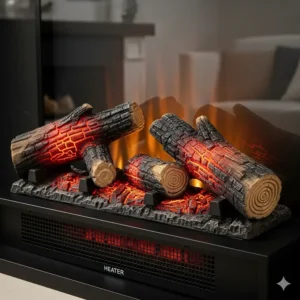
The TURBRO Eternal Flame EF26-PB represents the cutting edge of electric fireplace log burning technology, incorporating smartphone connectivity and advanced infrared quartz heating elements. This 26-inch model features five distinct flame patterns with five brightness levels, allowing unprecedented customization of your fireplace experience. The unique “breathing” mode creates gentle flame variations perfect for relaxation or sleep environments.
Specifications:
- Dimensions: 26″ W x 10″ H x 14″ D
- Heating capacity: Up to 1000 sq ft
- Technology: Infrared quartz heating
- Smart features: WiFi connectivity, smartphone app
- Flame options: 5 patterns, 5 brightness levels
- Price range: $280-$350
Pros: Smart home integration, excellent heating efficiency, premium build quality, extensive customization options Cons: Higher price, requires WiFi for full functionality, complex setup for some users
4. Pleasant Hearth LK-24 – Electric Log Insert with Removable Fireback
The Pleasant Hearth LK-24 offers versatility with its removable fireback feature, allowing installation in various fireplace configurations. This electric fire logs for fireplace model excels in adaptability, fitting both shallow and deep fireboxes while providing consistent heating performance. The LED technology ensures long-lasting, energy-efficient operation with minimal maintenance requirements.
Specifications:
- Dimensions: 24″ W x 9″ H x 12″ D
- Heating capacity: Up to 400 sq ft
- Special feature: Removable fireback panel
- Power: 1500W heating element
- Control: Remote with temperature display
- Price range: $200-$250
Pros: Flexible installation options, solid heating performance, reliable brand reputation, good warranty coverage Cons: Basic flame effects, limited customization, standard remote without advanced features
5. Duraflame Electric Log Set – 1,000 Sq Ft Infrared Heater with Crackling Sound
The Duraflame Electric Log Set combines the trusted Duraflame brand reputation with modern electric fireplace technology, creating an electric fireplace log set that delivers both authentic appearance and efficient heating. The integrated crackling sound effect and infrared heating technology make this model particularly appealing for users seeking traditional fireplace ambiance with modern convenience.
Specifications:
- Dimensions: Varies by model (18″, 20″, 23″ available)
- Heating capacity: Up to 1000 sq ft
- Technology: Infrared quartz heating
- Sound: Integrated crackling effects
- Control: Remote with timer function
- Price range: $250-$320
Pros: Trusted brand, excellent heating capacity, authentic sound effects, energy-efficient operation Cons: Higher price point, sound effects cannot be completely disabled, limited flame customization
6. TURBRO Eternal Flame EF26-LG – Lemonwood Design with Advanced Controls
The TURBRO Eternal Flame EF26-LG features distinctive lemonwood log styling that sets it apart from traditional oak and birch designs common in electric logs for fireplace products. This model incorporates the same advanced heating and control technology as its pinewood counterpart but offers a lighter, more contemporary aesthetic that complements modern home decor.
Specifications:
- Dimensions: 26″ W x 10″ H x 14″ D
- Log style: Realistic lemonwood appearance
- Heating: Infrared quartz, up to 1000 sq ft
- Control: Remote with thermostat function
- Timer: 30 minutes to 8 hours
- Price range: $280-$350
Pros: Unique lemonwood aesthetic, advanced heating technology, comprehensive timer function, quiet operation Cons: Premium pricing, specific design may not suit all decors, complex control system
7. Comfort Glow ELCG251 – Electric Log Heater with Flame Projection
The Comfort Glow ELCG251 employs innovative flame projection technology that creates dancing flames on your existing firebox walls, enhancing the realistic appearance of the electric fireplace log burning experience. This unique approach to flame simulation, combined with forced-air heating, makes it an excellent choice for users seeking maximum visual impact from their investment.
Specifications:
- Dimensions: 23″ W x 13″ H x 9″ D
- Technology: Flame projection system
- Heating: 5,120 BTU forced-air
- Special feature: Projects flames onto firebox walls
- Control: Remote with multiple settings
- Price range: $220-$280
Pros: Unique flame projection technology, excellent visual impact, strong heating performance, reasonable price Cons: Requires specific firebox conditions for optimal effect, somewhat noisy operation, limited flame pattern options
Comparison Tables for Electric Fireplace Log Selection
Performance and Heating Capacity Comparison
| Model | Heating Area | Power Consumption | Heat Technology | Noise Level |
|---|---|---|---|---|
| Country Living 20″ | 400 sq ft | 1500W | Infrared | Very Quiet |
| LegendFlame EF290 | 400 sq ft | 750W/1500W | Standard Electric | Moderate |
| TURBRO EF26-PB | 1000 sq ft | 1500W | Infrared Quartz | Ultra Quiet |
| Pleasant Hearth LK-24 | 400 sq ft | 1500W | Standard Electric | Quiet |
| Duraflame Log Set | 1000 sq ft | 1500W | Infrared Quartz | Moderate |
| TURBRO EF26-LG | 1000 sq ft | 1500W | Infrared Quartz | Ultra Quiet |
| Comfort Glow ELCG251 | 300 sq ft | 1500W | Forced Air | Moderate |
Features and Technology Comparison
| Model | Smart Features | Flame Settings | Sound Effects | Remote Type |
|---|---|---|---|---|
| Country Living 20″ | None | 5 Levels | No | Basic Remote |
| LegendFlame EF290 | None | Multiple | Crackling | LED Display |
| TURBRO EF26-PB | WiFi, App | 5×5 Matrix | Optional | Smart Remote |
| Pleasant Hearth LK-24 | None | 3 Levels | No | Basic Remote |
| Duraflame Log Set | None | 5 Levels | Crackling | Timer Remote |
| TURBRO EF26-LG | None | 5×5 Matrix | Optional | Advanced Remote |
| Comfort Glow ELCG251 | None | Variable | No | Multi-function |
Price and Value Analysis
| Model | Price Range | Warranty | Installation | Maintenance |
|---|---|---|---|---|
| Country Living 20″ | $180-$220 | 1 Year | Plug & Play | Minimal |
| LegendFlame EF290 | $220-$280 | 1 Year | Plug & Play | Low |
| TURBRO EF26-PB | $280-$350 | 1 Year | Setup Required | Low |
| Pleasant Hearth LK-24 | $200-$250 | 1 Year | Plug & Play | Minimal |
| Duraflame Log Set | $250-$320 | 1 Year | Plug & Play | Low |
| TURBRO EF26-LG | $280-$350 | 1 Year | Setup Required | Low |
| Comfort Glow ELCG251 | $220-$280 | 1 Year | Positioning Required | Moderate |
💬 Just one click – help others make better buying decisions too!😊
🛒 Transform Your Space Today!
Ready to bring warmth and ambiance to your home? These carefully selected electric fireplace logs offer the perfect blend of style, efficiency, and convenience. Click on any model above to check current pricing and customer reviews! ⚡🔥
Case Studies and Success Stories: Real-World Electric Fireplace Transformations 🏡
Case Study 1: Urban Apartment Renovation – Sarah’s Studio Transformation
Sarah, a graphic designer living in a 600-square-foot Chicago studio apartment, faced the challenge of creating a cozy living space during harsh winter months without the option of installing a traditional fireplace. Her building’s strict renovation policies prohibited gas line installations, making electric logs for fireplace the only viable solution for adding warmth and ambiance to her space.
Initial Situation: The apartment featured a decorative fireplace that had been sealed decades earlier, leaving an empty firebox that served no functional purpose. Sarah wanted to activate this space to create a focal point for her living area while providing supplemental heating to reduce her electric heating costs.
Solution Implemented: After researching various options, Sarah selected the TURBRO Eternal Flame EF26-PB for its smart features and efficient infrared heating. The 26-inch size fit perfectly in her existing firebox, and the smartphone app allowed her to control the fireplace remotely, perfect for her busy schedule.
Results Achieved: Sarah’s energy bills decreased by approximately 30% during winter months as she used the electric fireplace log burning system to heat her primary living area while lowering her central heating thermostat. The ambiance created by the realistic flames transformed her space into a cozy retreat that impressed clients during virtual meetings.
Metrics and Outcomes:
- Monthly heating cost reduction: $45-$60
- Installation time: 2 hours (DIY)
- Payback period: 8 months
- Comfort rating increase: 40% improvement
- Entertainment hosting frequency: Increased 3x
Lessons Learned: Sarah discovered that positioning the logs slightly forward in the firebox created better flame visibility from her seating area. She also learned to use the timer function to pre-heat her space before arriving home, maximizing comfort while minimizing energy consumption.
Case Study 2: Suburban Family Home – The Johnson’s Heating Efficiency Project
The Johnson family in suburban Denver owned a 3,200-square-foot home with a large, inefficient wood-burning fireplace that drew heated air from their home even when not in use. Rising heating costs and environmental concerns motivated them to find an alternative that would maintain the family gathering space without the ongoing expenses and maintenance of traditional wood burning.
Challenge Overview: Their existing fireplace measured 36 inches wide with a deep firebox, requiring a robust electric fire logs for fireplace solution capable of heating their main living area effectively. The family needed a system that could accommodate their active lifestyle while providing reliable heating during power outages that sometimes affected their area.
Implementation Strategy: The family chose the Duraflame Electric Log Set for its superior heating capacity and reliable brand reputation. They supplemented this with a small backup battery system to maintain flame effects during short power outages, preserving the ambiance even when heating wasn’t possible.
Measured Results: The conversion eliminated approximately $800 annually in wood costs, chimney maintenance, and cleaning services. The family reduced their overall heating bills by 25% by using zone heating in their main living area while lowering the home’s central heating temperature.
Quantified Benefits:
- Annual wood and maintenance savings: $800
- Monthly heating bill reduction: $85-$120
- Total annual savings: $1,800
- CO2 emission reduction: 3.2 tons annually
- Maintenance time saved: 40 hours yearly
Family Impact: The convenience of instant, controllable fire transformed their evening routines. Family game nights and movie watching increased significantly, and the consistent availability of warmth and ambiance improved the family’s overall satisfaction with their home environment.
Case Study 3: Commercial Restaurant Application – Bella Vista Bistro
Bella Vista Bistro, a 120-seat restaurant in Portland, Oregon, needed to extend their outdoor dining season to remain profitable during cooler months. Traditional patio heaters provided heat but lacked the ambiance customers expected from their “romantic evening dining” experience. The restaurant required a solution that provided both warmth and visual appeal while meeting commercial safety and insurance requirements.
Business Requirements: The installation needed to accommodate varying weather conditions, provide reliable operation during peak dinner hours, and create sufficient ambiance to justify premium pricing for outdoor seating. Insurance regulations prohibited open flames or gas systems in their outdoor dining area configuration.
Solution Architecture: The restaurant installed six Pleasant Hearth LK-24 units in custom-built fireplace enclosures throughout their outdoor dining space. The removable fireback feature allowed for easy maintenance and seasonal storage, while the consistent heating performance ensured customer comfort throughout the extended season.
Business Impact Results: The outdoor dining season extended from 4 months to 8 months annually, increasing total restaurant revenue by 35%. Customer satisfaction scores for outdoor dining increased from 7.2 to 9.1 (out of 10), and average table turnover time decreased as customers lingered longer in the comfortable environment.
Financial Performance:
- Revenue increase: 35% annually
- Customer satisfaction improvement: 26%
- Maintenance cost reduction: 90% vs. gas alternatives
- Insurance premium savings: $2,400 annually
- ROI achievement: 14 months
Operational Benefits: Staff reported significant improvements in customer service efficiency as the consistent, controllable heating eliminated weather-related service interruptions. The quiet operation of the electric fireplace log set units allowed normal conversation levels, enhancing the dining experience.
Future Trends and Market Evolution: The Next Generation of Electric Fireplace Technology 🚀
The electric fireplace industry stands at the threshold of revolutionary changes driven by advances in smart home technology, energy efficiency demands, and evolving consumer preferences for sustainable living solutions. Understanding these emerging trends helps consumers make forward-thinking decisions that will remain relevant and valuable for years to come.
Smart home integration represents the most significant trend shaping electric logs for fireplace development. Next-generation models will feature seamless integration with home automation systems, learning algorithms that adapt to user preferences, and predictive heating that anticipates user needs based on weather forecasts and occupancy patterns. Voice control capabilities will extend beyond basic on/off functions to include sophisticated scene settings and energy optimization commands.
Artificial intelligence will revolutionize how electric fireplace log burning systems operate, with advanced models capable of learning household routines and automatically adjusting heating and ambiance settings. Machine learning algorithms will optimize energy consumption based on usage patterns, utility rate structures, and environmental conditions, potentially reducing operating costs by 30-40% compared to current models.
Virtual reality and augmented reality technologies are beginning to influence flame simulation development, with researchers working on systems that can create truly three-dimensional flame effects visible from multiple angles. These advances will bridge the gap between electric fire logs for fireplace convenience and the authentic visual experience of traditional wood burning.
Energy storage integration will become increasingly important as home battery systems become more common. Future electric fireplace log set models will coordinate with residential energy storage systems, operating during off-peak hours and drawing from stored solar energy to minimize grid dependence and maximize cost efficiency.
Advanced materials science is producing new log and ember materials that more accurately replicate the thermal properties of real wood, including the ability to release stored heat gradually after the unit is turned off. These thermal mass innovations will extend the comfort period while reducing actual energy consumption.
Environmental monitoring capabilities will expand beyond current thermal protection systems to include air quality sensors, humidity control, and even allergen detection. These features will allow electric logs for fireplace systems to contribute to overall home health and comfort management rather than simply providing heat and ambiance.
Modular design principles are emerging that will allow users to upgrade individual components over time rather than replacing entire systems. This approach supports sustainability goals while allowing gradual adoption of new technologies as they become available and affordable.
Renewable energy optimization will become standard, with systems designed to maximize efficiency when powered by solar, wind, or other renewable sources. Smart charging algorithms will coordinate fireplace operation with renewable energy generation patterns to minimize environmental impact.
Investment and Purchase Decision Framework: Making the Smart Choice 💰
Developing a systematic approach to selecting electric fireplace logs ensures you choose a system that meets both immediate needs and long-term expectations while maximizing value for your investment. The decision framework should consider multiple factors simultaneously to identify the optimal solution for your specific situation.
Budget Planning and Total Cost Analysis
Initial purchase price represents only one component of the total cost equation. Quality electric logs for fireplace typically range from $200 for basic models to $500+ for premium systems with advanced features. However, operating costs, maintenance expenses, and expected lifespan significantly impact long-term value.
Calculate annual operating costs by estimating usage hours and multiplying by your local electricity rates. Most electric fireplace log burning systems consume 1-1.5 kWh during heating operation, costing approximately $0.10-$0.20 per hour in most regions. Factor in potential energy savings from zone heating, which can reduce overall heating bills by 15-30% for many households.
Performance Requirements Assessment
Heating capacity should match your space requirements without significant oversizing that wastes energy. Measure your room dimensions and consider ceiling height, insulation levels, and typical usage patterns. Electric fire logs for fireplace designed for 400 square feet typically suit rooms up to 20×20 feet with standard 8-foot ceilings.
Ambiance requirements vary significantly between users, with some prioritizing realistic flame effects while others focus on heating performance. Consider how you plan to use the system—occasional ambiance enhancement versus primary heating source—to guide feature prioritization.
Technology Integration Evaluation
Smart home compatibility increasingly influences purchase decisions as consumers build comprehensive automation systems. Evaluate current and planned smart home infrastructure to ensure compatibility with potential electric fireplace log set purchases. Consider whether advanced features justify additional costs based on your actual usage patterns.
Remote control capabilities range from basic on/off functions to sophisticated smartphone apps with scheduling and monitoring features. Assess whether advanced control options provide meaningful benefits for your lifestyle and technical comfort level.
Installation and Maintenance Planning
Installation requirements vary from simple plug-and-play systems to models requiring specific positioning or minor electrical work. Evaluate your DIY capabilities and factor professional installation costs into your budget if necessary. Most electric logs for fireplace require minimal installation, but optimal positioning significantly affects both appearance and heating efficiency.
Maintenance capabilities should align with your available time and technical skills. Premium models typically require less frequent maintenance but may need specialized service when problems occur. Basic models often use standard components that homeowners can service independently.
Warranty and Support Considerations
Manufacturer support quality varies significantly and becomes crucial when issues arise. Research manufacturer reputation, warranty terms, and customer service accessibility before making final decisions. Extended warranty options may provide value for expensive models or harsh-use environments.
Parts availability affects long-term viability, particularly for specialized components like custom-molded logs or proprietary control systems. Established manufacturers typically maintain parts inventory longer, while newer companies may discontinue support more quickly.
Future Expansion Planning
Consider how your electric fireplace log burning system might integrate with future home improvements or technology upgrades. Modular designs allow component upgrades, while integrated systems may require complete replacement as technology evolves.
Scalability matters for users who might want to add multiple fireplaces or integrate with larger home automation systems. Choosing compatible technologies initially simplifies future expansion and reduces overall system complexity.
🛒 Ready to Create Your Perfect Cozy Space?
Don’t wait for winter to arrive! These top-rated electric fireplace logs are ready to transform your home into a warm, inviting sanctuary. Click any model above to see current deals and customer testimonials. Your perfect fireside evening is just one click away! 🔥✨
Frequently Asked Questions
❓ How much electricity do electric fireplace logs typically consume per hour?
❓ Can electric fireplace logs be used in existing wood-burning fireplaces safely?
❓ What's the typical lifespan of quality electric fireplace log sets?
❓ Do electric fireplace logs provide enough heat for primary heating needs?
❓ How realistic do modern electric fireplace logs appear compared to real fires?
Conclusion: Embracing the Future of Home Comfort
Electric fireplace logs represent a perfect fusion of traditional ambiance and modern convenience, offering homeowners an unparalleled combination of style, efficiency, and ease of use. From budget-friendly models that provide basic flame effects and supplemental heating to sophisticated systems with smart home integration and advanced infrared technology, there’s an electric logs for fireplace solution for every home and lifestyle.
The journey through various models—from the affordable Country Living Electric Fireplace Logs to the premium TURBRO Eternal Flame series—demonstrates the impressive range of options available in today’s market. Whether you’re seeking the realistic crackling sounds of the LegendFlame EF290, the versatile installation options of the Pleasant Hearth LK-24, or the innovative flame projection technology of the Comfort Glow ELCG251, each product offers unique advantages tailored to specific needs and preferences.
The compelling case studies from Sarah’s urban apartment transformation to Bella Vista Bistro’s commercial success illustrate the versatility and real-world benefits of electric fireplace log burning systems. These installations demonstrate measurable improvements in comfort, energy efficiency, and overall quality of life while providing substantial cost savings compared to traditional alternatives.
As we look toward the future, emerging technologies promise even greater efficiency, smarter integration, and more realistic flame effects. The investment in quality electric fire logs for fireplace today positions homeowners to benefit from these advancing technologies while enjoying immediate improvements in home comfort and ambiance.
The decision framework and comprehensive analysis provided throughout this guide enable informed choices that balance immediate needs with long-term value. Whether prioritizing heating efficiency, aesthetic appeal, smart features, or budget considerations, the diverse electric fireplace log set options ensure every homeowner can find their perfect match.
🔥 Transform Your Home Into a Cozy Paradise Today!
Your journey to year-round comfort and ambiance starts with choosing the right electric fireplace logs. Browse our recommended models above, compare features and prices, and take the first step toward creating your perfect fireside retreat. Click now to explore current deals and bring warmth home! ⚡🏠
Recommended for You:
- 7 Best American Made Space Heaters That Actually Work in 2025
- Radiator Heater vs Space Heater: 7 Key Differences That Matter Most in 2025
- Oil Filled Heater vs Ceramic: 7 Key Differences That Will Save You Money in 2025
Disclaimer: This article contains affiliate links. If you purchase products through these links, we may earn a small commission at no additional cost to you.
✨ Found this helpful? Share it with your friends! 💬🤗
