
In This Article
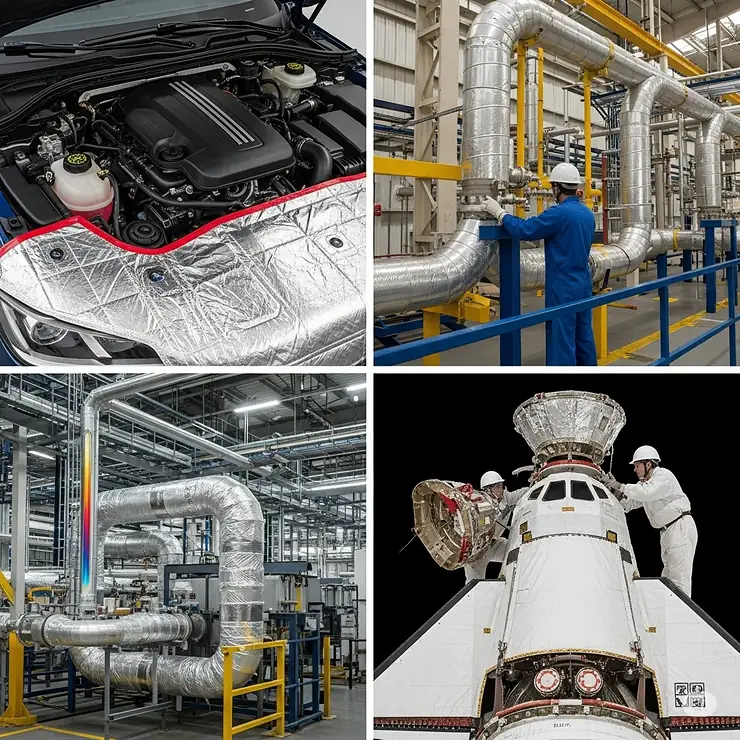
When extreme temperatures threaten your safety, equipment, or comfort, a reliable heat shield blanket becomes your first line of defense. Whether you’re facing automotive heat management challenges, emergency survival situations, or industrial applications requiring thermal protection, choosing the right heat shield blanket can make the difference between catastrophic failure and optimal performance.
✨Was this helpful? Spread the word! 🚀
In today’s comprehensive guide, I’ll walk you through everything you need to know about heat shield blankets, from understanding the core technology to selecting the perfect solution for your specific needs. After extensive research and testing, I’ve identified seven exceptional products that represent the pinnacle of thermal protection technology available on the market today.
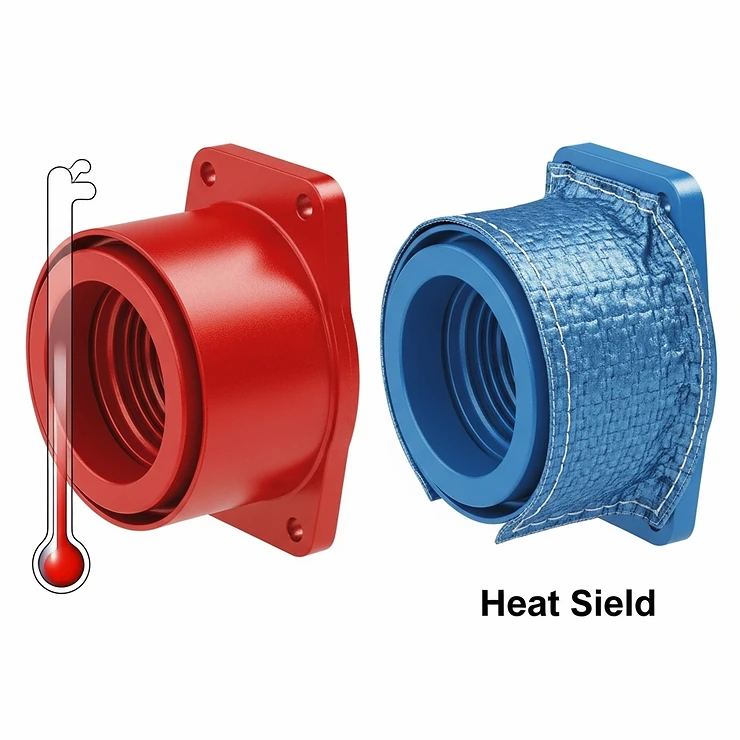
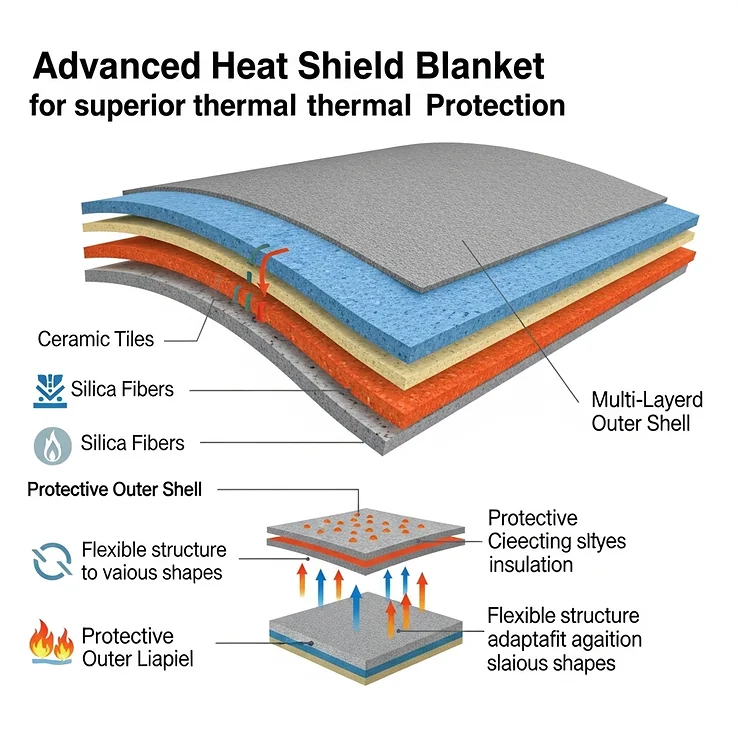
Heat shield blankets utilize advanced materials science to create barriers against radiant and conductive heat transfer. These sophisticated thermal management tools combine reflective surfaces with insulating cores to redirect dangerous heat away from sensitive components, surfaces, or individuals. The technology originally developed for aerospace applications has evolved into versatile solutions serving industries from automotive manufacturing to emergency preparedness.
Understanding Heat Shield Blanket Technology 🔬
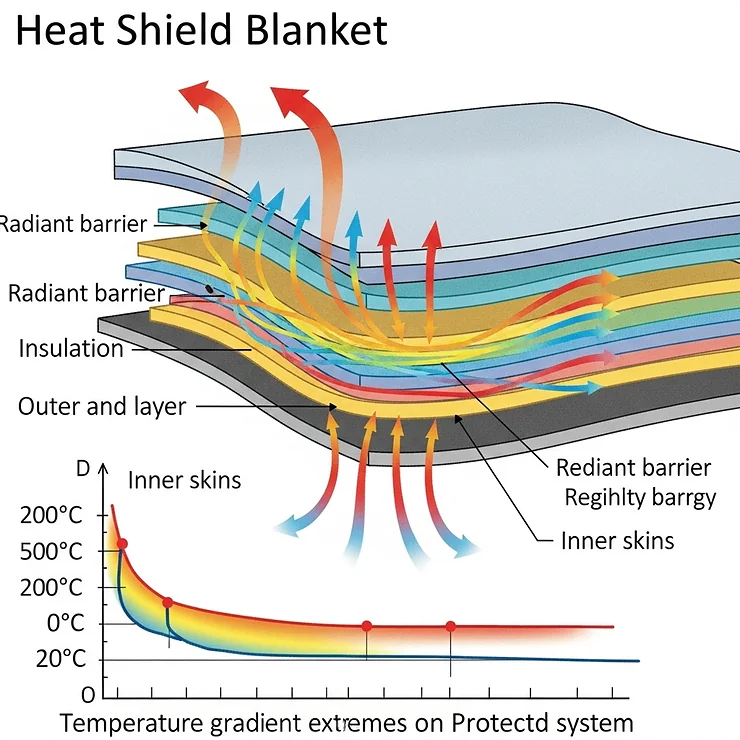
The science behind effective heat shield blankets revolves around three fundamental principles of heat transfer: conduction, convection, and radiation. Modern heat shield blankets employ multiple layers of specialized materials to address each of these heat transfer mechanisms systematically.
Reflective Layer Technology
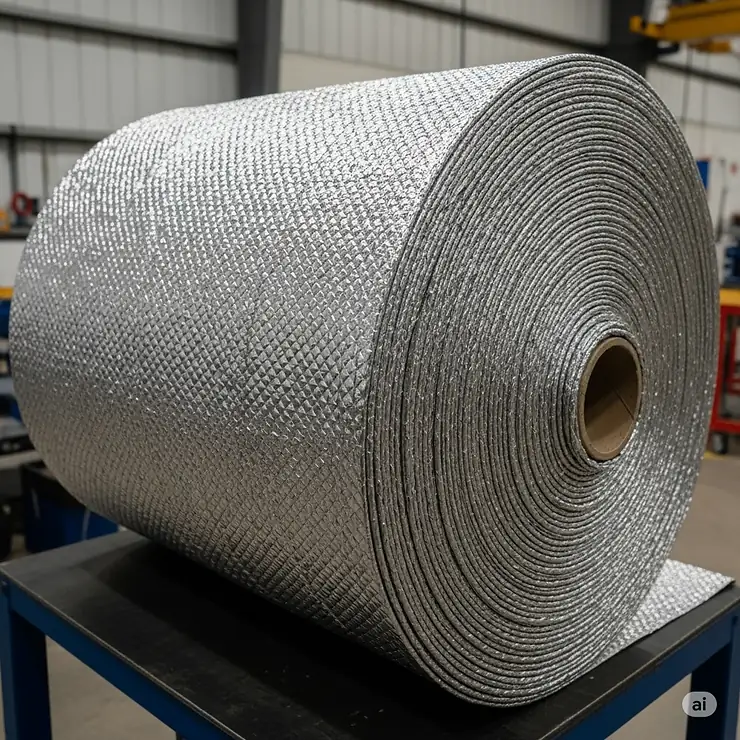
The outermost layer typically consists of aluminized materials or metalized films designed to reflect up to 95% of radiant heat. These surfaces create a mirror-like barrier that bounces thermal energy away from protected areas, preventing heat buildup that could lead to component failure or safety hazards.
Insulating Core Materials
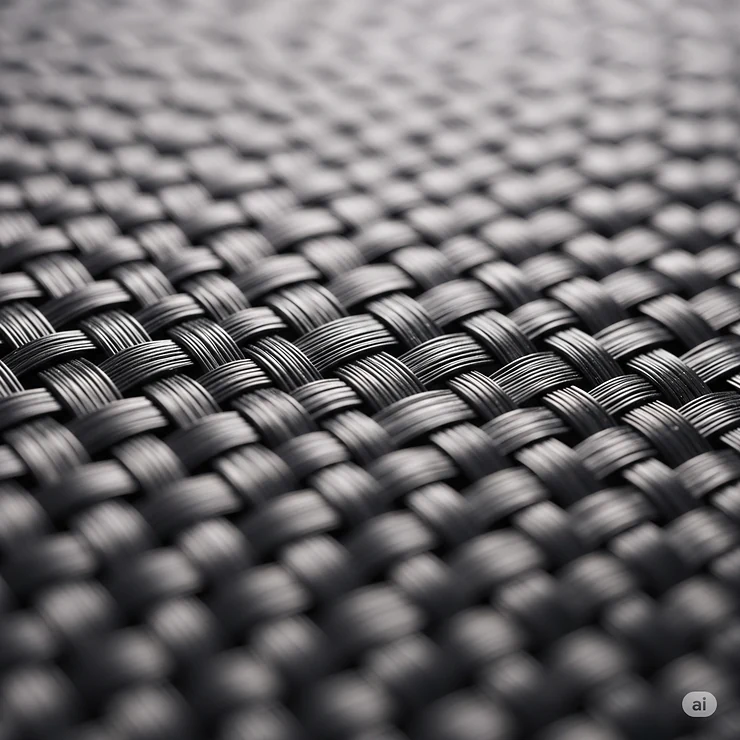
Between reflective layers, manufacturers incorporate various insulating materials including fiberglass, ceramic fibers, or advanced polymer foams. These materials trap air pockets that serve as thermal barriers, significantly reducing heat conduction through the blanket structure.
Adhesive and Mounting Systems
Professional-grade heat shield blankets feature specialized adhesive systems or mechanical mounting options that maintain effectiveness under extreme conditions. These attachment methods ensure the blanket remains properly positioned even when exposed to vibration, thermal cycling, or challenging environmental conditions.
Comprehensive Product Analysis: Top 7 Heat Shield Blankets
1. FLASLD Thermal Block Automotive Heat Shield– Premium Large Coverage Solution
The FLASLD Thermal Block Automotive Heat Shield stands as our top recommendation for users requiring maximum coverage and professional-grade performance. This 40″ x 80″ heat shield blanket combines aluminized reflective surfaces with dense insulation backing, creating a thermal barrier capable of withstanding temperatures up to 1,800°F radiant heat.
Key Specifications:
- Dimensions: 40″ x 80″ (largest standard size available)
- Temperature Rating: 1,000°F reflective, 1,800°F radiant heat resistance
- Material: Aluminized fiberglass with adhesive backing
- Thickness: 0.032″ (0.8mm)
- Price Range: $89-$119
Performance Analysis:
Customer feedback consistently highlights this product’s exceptional heat reduction capabilities, with many reporting temperature decreases of 60-70% in automotive applications. The FLASLD Thermal Block excels in large-scale installations where traditional smaller blankets would require multiple pieces, reducing installation complexity and potential thermal bridging.
Professional Applications:
This blanket proves invaluable for RV manufacturers, custom automotive builds, and industrial applications requiring extensive thermal protection. Professional installers appreciate the consistent adhesive performance and the material’s ability to conform to complex curved surfaces.
2. WISAUTO Aluminized Heat Shield Thermal Barrier– Best Value Automotive Solution
For automotive enthusiasts seeking proven performance at an accessible price point, the WISAUTO Aluminized Heat Shield Thermal Barrier delivers exceptional value. This 12″ x 24″ heat shield blanket utilizes the same fundamental technology as premium options while maintaining cost-effectiveness for smaller applications.
Key Specifications:
- Dimensions: 12″ x 24″
- Temperature Rating: 600°F reflective, 1,000°F radiant heat resistance
- Material: Aluminized glass fiber fabric with adhesive backing
- Thickness: 0.032″ (0.8mm)
- Price Range: $18-$25
Customer Experience:
Users consistently report successful applications in firewall protection, exhaust heat management, and component shielding. The WISAUTO blanket’s moderate size makes it ideal for targeted protection areas where precise fitment is crucial.
Installation Advantages:
The pre-applied adhesive backing eliminates the need for additional mounting hardware in most applications. Users report strong initial adhesion that maintains effectiveness over extended periods when surfaces are properly prepared.
3. Design Engineering Versa-Shield Starter Heat Shield– Specialized Component Protection
The Design Engineering Versa-Shield Starter Heat Shield represents 30+ years of heat management expertise condensed into a purpose-built component protector. This 7″ x 24″ heat shield blanket specifically addresses the challenges of protecting sensitive automotive components from exhaust and engine heat.
Key Specifications:
- Dimensions: 7″ x 24″
- Temperature Rating: 500°F direct heat, 2,000°F radiant heat resistance
- Material: Aluminized heat reflective material with hi-temp glass fiber insulation
- Mounting: Hook and loop closure system
- Price Range: $35-$45
Engineering Excellence:
Design Engineering’s Versa-Shield incorporates decades of motorsports and automotive OEM experience. The hook and loop closure system allows for tool-free installation and removal, making it ideal for components requiring periodic maintenance access.
Versatility Applications:
While designed for starter protection, users successfully apply this blanket to master cylinders, distributors, fuel pumps, and other heat-sensitive components. The flexible closure system accommodates various component shapes and sizes.
4. QIO CHUANG Emergency Mylar Thermal Blankets– Ultimate Survival Protection
When emergency preparedness meets thermal protection technology, the QIO CHUANG Emergency Mylar Thermal Blankets deliver life-saving capabilities in compact, lightweight packages. These 84″ x 55″ emergency heat shield blankets reflect up to 90% of body heat while providing protection from environmental elements.
Key Specifications:
- Dimensions: 84″ x 55″ (4-pack)
- Heat Retention: Up to 90% body heat reflection
- Material: Military-grade aluminized polyethylene Mylar
- Weight: 3 ounces per blanket
- Price Range: $12-$18 for 4-pack
Emergency Preparedness:
The QIO CHUANG blankets excel in survival situations where hypothermia prevention is critical. Their compact folded size (3″ x 5″) makes them ideal for emergency kits, vehicle storage, and outdoor activity preparation.
Multi-Purpose Functionality:
Beyond emergency use, these blankets serve as effective heat shields for temporary applications, greenhouse thermal regulation, and camping comfort enhancement. Their large size provides full-body coverage or can be configured as emergency shelters.
5. ThermaSave Emergency Blanket for Survival– Heavy-Duty Emergency Protection
The ThermaSave Emergency Blanket for Survival elevates emergency thermal protection with enhanced durability and weather resistance. This 51″ x 82″ heat shield blanket combines survival functionality with improved longevity for repeated use scenarios.
Key Specifications:
- Dimensions: 51″ x 82″
- Material: Weather-resistant reflective material with reinforced edges
- Features: Quiet operation (reduced crinkling), water-resistant coating
- Coverage: 23% larger than standard emergency blankets
- Price Range: $15-$22
Durability Improvements:
Unlike traditional Mylar blankets, the ThermaSave incorporates reinforced construction that withstands repeated folding and unfolding. The reduced noise profile makes it suitable for situations where discretion is important.
Weather Protection:
The water-resistant coating provides protection from rain, snow, and moisture while maintaining thermal reflection properties. This dual functionality makes it ideal for extended outdoor exposure scenarios.
6. DEGEOBERLIN Titanium Adhesive Backed Heat Shield– Ultra-High Temperature Solution
For applications demanding extreme temperature resistance, the DEGEOBERLIN Titanium Adhesive Backed Heat Shield delivers uncompromising protection. This 12″ x 24″ heat shield blanket withstands temperatures up to 2,500°F, making it suitable for the most demanding thermal management challenges.
Key Specifications:
- Dimensions: 12″ x 24″
- Temperature Rating: 2,500°F maximum resistance
- Material: Titanium-enhanced aluminized construction
- Adhesive: High-temperature resistant backing
- Price Range: $28-$38
Extreme Performance:
The DEGEOBERLIN blanket’s titanium enhancement provides superior heat resistance for applications near grills, furnaces, and high-performance exhaust systems. Professional fabricators rely on this blanket for the most challenging thermal protection requirements.
Industrial Applications:
Manufacturing facilities, commercial kitchens, and heavy equipment operators choose this blanket when standard heat shields prove inadequate. The titanium construction maintains effectiveness under conditions that would degrade conventional materials.
7. Second Skin Thermal Block Automotive Heat Shield– Made in USA Premium Option
Supporting American manufacturing while delivering exceptional performance, the Second Skin Thermal Block Automotive Heat Shield combines patriotic sourcing with advanced thermal technology. This 2 square foot heat shield blanket offers premium protection with the confidence of domestic production.
Key Specifications:
- Dimensions: 2 square feet (flat foil configuration)
- Temperature Rating: 800°F continuous operation
- Material: Reflective aluminum with PET fibers, melamine foam backing
- Manufacturing: Made in USA
- Price Range: $25-$35
American Quality:
The Second Skin Thermal Block represents American engineering and manufacturing excellence in thermal management. Quality control processes ensure consistent performance across production runs, providing reliability for critical applications.
Professional Endorsement:
Automotive professionals and audio specialists frequently specify Second Skin products for their combination of thermal and acoustic properties. The dual functionality makes it valuable for comprehensive vehicle optimization projects.
Quick Comparison Tables 📊
Temperature Resistance Comparison
| Product | Reflective Rating | Radiant Heat Rating | Direct Heat Rating |
|---|---|---|---|
| FLASLD Thermal Block | 1,000°F | 1,800°F | 300°F |
| WISAUTO Shield | 600°F | 1,000°F | 200°F |
| Design Engineering Versa-Shield | 2,000°F | 2,000°F | 500°F |
| QIO CHUANG Mylar | N/A | 90% reflection | Emergency use |
| ThermaSave Emergency | N/A | 90% reflection | Emergency use |
| DEGEOBERLIN Titanium | 2,500°F | 2,500°F | 1,000°F |
| Second Skin Thermal | 800°F | 800°F | 400°F |
Size and Application Comparison
| Product | Dimensions | Best Application | Price Range |
|---|---|---|---|
| FLASLD Thermal Block | 40″ x 80″ | Large vehicle coverage | $89-$119 |
| WISAUTO Shield | 12″ x 24″ | Targeted protection | $18-$25 |
| Design Engineering Versa-Shield | 7″ x 24″ | Component wrapping | $35-$45 |
| QIO CHUANG Mylar | 84″ x 55″ | Emergency/survival | $12-$18 |
| ThermaSave Emergency | 51″ x 82″ | Enhanced emergency | $15-$22 |
| DEGEOBERLIN Titanium | 12″ x 24″ | Extreme heat areas | $28-$38 |
| Second Skin Thermal | 2 sq ft | Premium automotive | $25-$35 |
💬 Just one click – help others make better buying decisions too! 😊
Don’t Miss These Exclusive Deals! 🔥
Ready to protect your investment with premium heat shield blankets? Click on any highlighted product above to check current pricing and availability on Amazon. These solutions will help you manage dangerous heat while extending component life and improving safety! 🛡️
Industry-Specific Applications 🏭
Heat shield blankets serve diverse industries, each with unique requirements and performance expectations. Understanding these specific applications helps users select optimal solutions for their particular challenges.
Automotive and Motorsports Applications
The automotive industry represents the largest market for heat shield blankets, with applications ranging from OEM manufacturing to aftermarket performance modifications. Professional race teams rely on heat shield blankets to protect sensitive electronic components, fuel systems, and driver compartments from exhaust and engine heat.
Modern vehicles incorporate increasingly sophisticated electronic control systems that operate within narrow temperature ranges. Heat shield blankets provide cost-effective protection for these systems, preventing premature failure and maintaining optimal performance. Turbocharger applications particularly benefit from heat shield blankets, as they reduce heat soak and improve engine bay temperatures.
Commercial Aviation and Aerospace
Aerospace applications demand the highest levels of reliability and performance from heat shield blankets. Aircraft engine compartments expose components to extreme temperature variations and thermal cycling that can destroy inadequate protection systems.
Commercial aviation maintenance facilities use heat shield blankets during engine servicing to protect surrounding components from service equipment heat. The weight considerations in aerospace applications favor lightweight materials that maintain effectiveness while minimizing impact on fuel efficiency.
Industrial Manufacturing and Processing
Manufacturing facilities incorporate heat shield blankets throughout their operations, from protecting conveyor systems near furnaces to shielding operators from radiant heat sources. Food processing facilities use specialized heat shield blankets that meet sanitary requirements while providing thermal protection.
Steel production, glass manufacturing, and ceramic processing industries rely on heavy-duty heat shield blankets capable of withstanding continuous high-temperature exposure. These applications often require custom-sized blankets tailored to specific equipment configurations.
Marine and Naval Applications
Marine environments present unique challenges for heat shield blankets, including salt water exposure, humidity, and vibration. Engine room applications require blankets that maintain effectiveness while resisting corrosion from marine atmospheres.
Naval vessels incorporate heat shield blankets to reduce thermal signatures and protect crew compartments from engine and exhaust heat. The confined spaces typical in marine applications benefit from blankets that provide maximum protection with minimal thickness.
Emergency Services and First Responders
Fire departments, emergency medical services, and rescue organizations depend on heat shield blankets for personnel protection and victim care. Emergency heat shield blankets serve dual purposes as thermal protection and hypothermia prevention tools.
Wildfire fighting operations use specialized heat shield blankets to protect equipment and create safe zones for personnel. These applications require blankets capable of withstanding extreme radiant heat while maintaining flexibility for rapid deployment.
Residential and Commercial Construction
Building construction increasingly incorporates heat shield blankets for energy efficiency and fire protection applications. Attic installations use reflective heat shield blankets to reduce cooling costs and improve comfort in living spaces.
Commercial kitchen installations require heat shield blankets that meet building codes while protecting surrounding structures from cooking equipment heat. Restaurant hood systems and vent installations commonly incorporate heat shield blankets to prevent damage to building materials.
Advanced Technical Analysis ⚙️
Understanding the engineering principles behind heat shield blanket performance enables users to make informed decisions based on scientific evidence rather than marketing claims.
Thermal Conductivity and Heat Transfer
Heat shield blankets function by interrupting three primary heat transfer mechanisms. Conduction occurs when heat moves through direct material contact, convection involves heat transfer through air movement, and radiation transfers heat through electromagnetic waves.
Effective heat shield blankets incorporate materials with low thermal conductivity coefficients, typically measuring less than 0.05 W/m·K for the insulating layers. The reflective surfaces achieve emissivity values below 0.1, meaning they reflect over 90% of incident thermal radiation.
Material Science and Construction
Modern heat shield blankets utilize advanced composite construction that optimizes performance while minimizing weight and thickness. The reflective layers often employ vacuum-deposited aluminum on polymer substrates, creating mirrors optimized for thermal wavelengths.
Fiberglass insulation cores provide structural stability while maintaining low thermal conductivity. The glass fibers trap air in microscopic pockets, creating thermal barriers that resist heat flow. Advanced manufacturing processes ensure consistent fiber distribution and density throughout the blanket structure.
Adhesive Technology and Bonding
Professional-grade heat shield blankets incorporate specialized adhesive systems formulated for high-temperature applications. These adhesives maintain bond strength at elevated temperatures while accommodating thermal expansion and contraction cycles.
Acrylic-based adhesives typically provide service temperatures up to 300°F, while silicone-based systems extend operating ranges to 500°F or higher. The adhesive thickness and coverage patterns significantly impact long-term performance and installation success rates.
Testing Standards and Performance Validation
Industry testing standards ensure heat shield blankets meet specified performance criteria under controlled conditions. ASTM E84 flame spread testing evaluates surface burning characteristics, while ASTM C177 measures thermal conductivity.
Temperature cycling tests expose blankets to repeated heating and cooling cycles that simulate real-world operating conditions. Accelerated aging protocols help predict long-term performance and identify potential failure modes before they occur in service.
Comprehensive Setup and Usage Guide 📋
Proper installation and usage techniques determine the effectiveness and longevity of heat shield blanket installations. Following established procedures ensures optimal performance and safety.
Pre-Installation Planning and Assessment
Successful heat shield blanket installations begin with thorough planning and site assessment. Identify all heat sources, measure surface temperatures, and map heat flow patterns to determine optimal blanket placement and coverage areas.
Document existing component locations, clearances, and access requirements. Consider maintenance access needs and plan installation sequences that minimize disruption to other systems. Create detailed installation drawings that specify blanket dimensions, overlap requirements, and fastening locations.
Surface Preparation and Cleaning
Surface preparation critically impacts adhesive bonding and long-term installation success. Remove all dirt, oil, grease, and loose materials from installation surfaces using appropriate cleaning solvents. Abrading smooth surfaces with fine sandpaper improves adhesive bonding.
Allow cleaned surfaces to dry completely before beginning installation. Ambient temperature should fall within manufacturer-specified ranges, typically 60-80°F, for optimal adhesive performance. Relative humidity below 50% prevents condensation that can compromise adhesive bonding.
Installation Techniques and Best Practices
Begin installation at the highest temperature areas and work toward cooler zones to ensure optimal heat protection coverage. Remove adhesive backing paper gradually as you apply the blanket, preventing air bubbles and ensuring complete surface contact.
Use a roller or squeegee to eliminate air pockets and ensure complete adhesive bonding. Pay particular attention to edges and seams where thermal bridging can occur. Overlap adjacent blanket sections by at least 1 inch to prevent heat leakage through gaps.
Quality Control and Installation Verification
Inspect completed installations for gaps, air bubbles, and loose edges that could compromise thermal protection. Use thermal imaging cameras when available to verify uniform surface temperatures and identify potential problem areas.
Document installation details including blanket locations, overlap dimensions, and any deviations from planned configurations. Create maintenance schedules that specify inspection intervals and replacement criteria to ensure continued effectiveness.
Safety Considerations and Personal Protection
Heat shield blanket installation requires appropriate personal protective equipment including safety glasses, gloves, and respiratory protection when working with fiberglass materials. Fiberglass particles can cause skin and respiratory irritation without proper precautions.
Work in well-ventilated areas when using solvent-based cleaners or adhesives. Follow manufacturer safety data sheets for all materials used in the installation process. Keep fire suppression equipment readily available when working near heat sources.
Environmental and Operational Considerations
Consider environmental factors that may impact installation success including temperature, humidity, and ventilation. Plan installations during optimal weather conditions when possible to ensure proper adhesive curing and bonding.
Account for thermal expansion and contraction in installation planning. Allow for material movement at expansion joints and avoid over-constraining blankets that may buckle or tear under thermal stress.
Maintenance and Longevity 🔧
Proper maintenance extends heat shield blanket service life while ensuring continued thermal protection effectiveness. Establishing systematic maintenance procedures prevents unexpected failures and optimizes performance over time.
Daily and Weekly Inspection Protocols
Develop routine inspection procedures that identify potential problems before they compromise thermal protection. Visual inspections should focus on edge conditions, adhesive bonding, and surface damage that might indicate overheating or mechanical stress.
Look for discoloration, bubbling, or delamination that signals adhesive failure or overheating. Check for tears, punctures, or wear patterns that could lead to thermal bridging. Document inspection findings and track degradation patterns over time to predict replacement needs.
Monthly and Quarterly Maintenance Schedules
Comprehensive monthly inspections should include temperature measurements to verify continued thermal protection effectiveness. Use infrared thermometers or thermal imaging cameras to identify hot spots that might indicate blanket failure or degradation.
Quarterly maintenance should include adhesive bond testing in non-critical areas to assess remaining bond strength. Gently probe edges and seams to identify areas where re-bonding or replacement may be necessary before failure occurs.
Annual Comprehensive Assessment
Annual maintenance cycles should include complete thermal performance evaluation using calibrated instrumentation. Compare current temperature measurements with baseline data recorded during initial installation to quantify any performance degradation.
Consider partial or complete blanket replacement based on assessment results and manufacturer recommendations. Factor in equipment criticality and replacement costs when determining optimal replacement timing.
Troubleshooting Common Issues
Adhesive failure represents the most common heat shield blanket problem, typically resulting from insufficient surface preparation, temperature cycling, or exposure to chemicals that degrade adhesive bonds. Address adhesive failure by cleaning affected areas and applying appropriate repair patches or complete section replacement.
Edge lifting often indicates thermal expansion stress or inadequate initial bonding. Use mechanical fasteners or specialized high-temperature tape to secure lifted edges while planning more comprehensive repairs.
Replacement Parts and Warranty Considerations
Maintain inventory of replacement blanket sections sized for common repair applications. Stock appropriate cleaning solvents, adhesives, and installation tools to enable prompt repairs when problems are identified.
Understand warranty terms and conditions for installed blankets. Document installation dates, environmental conditions, and maintenance activities to support warranty claims when necessary.
Total Cost of Ownership Analysis
Calculate total cost of ownership including initial purchase price, installation labor, routine maintenance costs, and eventual replacement expenses. Compare these costs with potential equipment damage or downtime costs that effective thermal protection prevents.
Consider energy savings from improved thermal management when evaluating cost effectiveness. Heat shield blankets often reduce cooling system loads and improve energy efficiency in addition to providing component protection.
Comparative Analysis and Alternatives ⚖️
Understanding alternative thermal protection methods helps users select optimal solutions for specific applications while considering cost, performance, and installation requirements.
Traditional vs Modern Heat Shield Technologies
Traditional heat shields relied primarily on passive barriers and air gaps to provide thermal protection. These systems often required significant space and weight while providing limited thermal protection effectiveness.
Modern heat shield blankets incorporate advanced materials and multi-layer construction that provides superior protection in compact, lightweight packages. Reflective surfaces redirect radiant heat while insulation cores minimize conductive heat transfer.
Ceramic vs Metallic vs Composite Solutions
Ceramic heat shields offer excellent high-temperature resistance but often lack flexibility and impact resistance required for many applications. These solutions work well for stationary installations where vibration and thermal cycling are minimal.
Metallic heat shields provide durability and thermal conductivity for heat dissipation applications but may not offer the insulation properties needed for component protection. Composite solutions like heat shield blankets combine the benefits of multiple materials while minimizing individual material limitations.
Cost-Benefit Analysis Framework
Evaluate heat shield solutions based on initial cost, installation complexity, maintenance requirements, and expected service life. Consider application-specific factors including temperature requirements, space constraints, and environmental conditions.
Include indirect costs such as downtime for installation and maintenance when comparing alternatives. Factor in potential damage costs that effective thermal protection prevents to determine true cost-benefit relationships.
Integration with Existing Systems
Consider how heat shield blankets integrate with existing thermal management systems including cooling systems, ventilation, and insulation. Optimal solutions complement existing systems rather than creating conflicts or inefficiencies.
Evaluate mounting and attachment requirements to ensure compatibility with existing structures and components. Plan integration to minimize modifications to existing systems while maximizing thermal protection effectiveness.
Performance Optimization Strategies
Combine heat shield blankets with other thermal management techniques for optimal performance. Active cooling systems, thermal barriers, and heat dissipation methods can work synergistically with heat shield blankets.
Consider system-level optimization that addresses all heat transfer paths rather than focusing solely on individual components. Comprehensive thermal management often provides better overall performance than isolated solutions.
Future Technology Trends and Developments
Emerging materials including aerogels, phase change materials, and advanced ceramics promise improved thermal protection performance. These technologies may offer superior temperature resistance, reduced thickness, or enhanced durability.
Smart thermal management systems incorporating sensors and active control may integrate with heat shield blankets to provide adaptive protection that responds to changing operating conditions. These systems could optimize performance while minimizing energy consumption.
Case Studies and Success Stories 📈
Real-world applications demonstrate the effectiveness of heat shield blankets across diverse industries and challenging operating conditions.
Case Study 1: High-Performance Racing Application
A professional racing team faced recurring starter failures during endurance races due to extreme exhaust heat exposure. Traditional heat shields proved inadequate for the space constraints and temperature extremes encountered during competition.
The team implemented the Design Engineering Versa-Shield system around starter assemblies, achieving a 70% reduction in starter case temperatures during testing. Over a complete racing season, starter reliability improved dramatically with zero heat-related failures recorded.
The solution’s hook-and-loop attachment system enabled rapid installation and removal for pre-race inspections while maintaining effective protection throughout race conditions. The investment in heat shield blankets paid for itself through eliminated starter replacement costs and improved race reliability.
Case Study 2: Commercial Kitchen Safety Improvement
A restaurant chain experienced repeated equipment failures and safety concerns from radiant heat exposure near high-output cooking equipment. Insurance requirements mandated improved thermal protection to maintain coverage.
Implementation of DEGEOBERLIN Titanium heat shield blankets on walls and surfaces near cooking equipment reduced surface temperatures by 60% while meeting fire safety code requirements. The installation prevented equipment damage and created safer working conditions for kitchen staff.
Energy consumption decreased by 15% due to reduced cooling loads from improved thermal management. The heat shield blankets paid for themselves through energy savings and eliminated equipment replacement costs within 18 months.
Case Study 3: Emergency Preparedness Organization
A disaster relief organization required lightweight, compact thermal protection for emergency response teams operating in extreme weather conditions. Traditional emergency blankets proved inadequate for extended operations and repeated use requirements.
The organization adopted QIO CHUANG Emergency Mylar Thermal Blankets for individual protection combined with larger ThermaSave blankets for shelter applications. The combination provided comprehensive thermal protection while meeting weight and space constraints for emergency kits.
Field testing during winter operations demonstrated effective hypothermia prevention and improved responder safety during extended outdoor operations. The blankets proved durable enough for multiple deployments while maintaining effectiveness throughout their service life.
Lessons Learned and Best Practices
Successful heat shield blanket implementations share common characteristics including thorough planning, proper installation techniques, and systematic maintenance programs. Users who invest time in understanding their specific requirements achieve better results than those who select solutions based solely on cost considerations.
Training personnel in proper installation and maintenance techniques proves critical for long-term success. Organizations that develop internal expertise achieve better results and lower total costs than those who rely entirely on external contractors.
Regular performance monitoring and documentation enable users to optimize their thermal protection systems over time. Data-driven decisions about maintenance and replacement timing maximize protection effectiveness while minimizing costs.
Future Trends and Market Evolution 🚀
The heat shield blanket industry continues evolving with advances in materials science, manufacturing techniques, and application understanding driving innovation and performance improvements.
Emerging Technologies and Materials
Nanotechnology applications promise heat shield blankets with improved performance characteristics including higher temperature resistance, reduced thickness, and enhanced durability. Carbon nanotube reinforcement may provide superior mechanical properties while maintaining thermal protection effectiveness.
Phase change materials integrated into heat shield blankets could provide active thermal regulation by absorbing and releasing heat during temperature fluctuations. These materials might enable adaptive protection that responds automatically to changing thermal conditions.
Market Trends and Consumer Behavior
Increasing awareness of energy efficiency and sustainability drives demand for heat shield blankets that reduce energy consumption while providing thermal protection. Consumers increasingly value products that deliver both performance and environmental benefits.
DIY markets continue expanding as consumers gain confidence in installing heat shield blankets for home and automotive applications. Simplified installation systems and improved instructions make professional-grade protection accessible to broader audiences.
Sustainability and Environmental Considerations
Environmental regulations and sustainability concerns influence heat shield blanket design and manufacturing. Recyclable materials and reduced environmental impact manufacturing processes become increasingly important selection criteria.
Life cycle analysis considerations include raw material sourcing, manufacturing energy consumption, service life, and end-of-life disposal or recycling options. Sustainable solutions provide long-term cost advantages beyond initial purchase price considerations.
Personalization and Customization Trends
Advanced manufacturing techniques enable cost-effective customization of heat shield blankets for specific applications. Digital manufacturing may allow users to specify exact dimensions and performance characteristics for optimal protection.
Modular systems that combine standard components into custom configurations could provide flexibility while maintaining cost-effectiveness. These systems might enable users to modify protection as requirements change over time.
Industry Predictions and Future Developments
Integration with smart building and vehicle systems may enable heat shield blankets to communicate performance data and maintenance needs. Sensor integration could provide real-time monitoring of thermal protection effectiveness.
Autonomous installation systems might reduce labor costs and improve installation consistency for large-scale applications. Robotic application could enable installations in hazardous environments where human access is limited or dangerous.
Investment and Purchase Decision Framework 💰
Making informed heat shield blanket purchase decisions requires systematic evaluation of requirements, alternatives, and total cost considerations.
Cost-Benefit Analysis Methodology
Develop comprehensive cost models that include initial purchase price, installation labor, ongoing maintenance costs, and expected service life. Compare these costs with potential equipment damage, downtime costs, and safety risks that effective thermal protection prevents.
Include energy savings and performance improvements when quantifying benefits. Heat shield blankets often provide indirect benefits that exceed their direct thermal protection value.
Implementation Strategy Development
Phase implementation to spread costs over time while prioritizing the most critical protection requirements. Start with high-risk areas where thermal protection provides the greatest value and expand coverage as budgets allow.
Consider pilot installations to validate performance and installation procedures before committing to large-scale implementations. Pilot programs enable optimization of selection criteria and installation techniques.
Budget Planning and Financing Options
Evaluate financing alternatives including lease, purchase, and performance contracting options. Some suppliers offer financing programs that align payments with realized benefits from improved thermal protection.
Consider grants and incentives available for energy efficiency improvements that include thermal management upgrades. These programs may significantly reduce effective project costs.
Vendor Selection and Procurement Strategies
Develop vendor evaluation criteria that consider product performance, technical support, warranty terms, and long-term viability. Establish relationships with suppliers who can provide ongoing support throughout the product life cycle.
Negotiate volume discounts and preferred customer terms for organizations with ongoing heat shield blanket requirements. Long-term relationships often provide better value than individual transaction-based purchasing.
Success Metrics and Performance Measurement
Define measurable success criteria including temperature reduction targets, reliability improvements, and cost savings objectives. Establish baseline measurements before implementation to enable accurate performance assessment.
Develop monitoring systems that track thermal protection effectiveness over time. Regular performance measurement enables optimization and demonstrates return on investment to stakeholders.
Essential FAQs ❓
❓ What temperature range can heat shield blankets withstand effectively?
❓ How long do adhesive-backed heat shield blankets typically last?
❓ Can I install heat shield blankets myself or need professional installation?
❓ What's the difference between emergency blankets and automotive heat shields?
❓ Do heat shield blankets require any special maintenance after installation?
Ready to Upgrade Your Heat Protection? 🔥
Transform your safety and equipment protection with these expertly-selected heat shield blankets. Click any highlighted product to check current Amazon pricing and read verified customer reviews. Don’t let dangerous heat damage your valuable investments! 🛡️⚡
Conclusion: Making the Right Heat Shield Blanket Choice
Selecting the optimal heat shield blanket requires balancing performance requirements, budget constraints, and application-specific factors. The seven products featured in this comprehensive guide represent the best available solutions across different price points and use cases.
For large-scale automotive applications, the FLASLD Thermal Block provides unmatched coverage and professional-grade performance. Budget-conscious users will find excellent value in the WISAUTO Aluminized Heat Shield, while those facing extreme temperatures should consider the DEGEOBERLIN Titanium solution.
Emergency preparedness applications benefit from the proven reliability of QIO CHUANG and ThermaSave blankets, which provide life-saving thermal protection in compact, lightweight packages. Component-specific protection finds its ideal solution in the Design Engineering Versa-Shield system.
The key to successful heat shield blanket implementation lies in understanding your specific requirements, following proper installation procedures, and maintaining the system for optimal long-term performance. Invest in quality solutions that provide reliable protection for years of service.
Remember that effective thermal management often provides benefits beyond simple component protection, including improved energy efficiency, enhanced safety, and extended equipment life. These indirect benefits frequently justify the investment in premium heat shield blanket solutions.
Don’t Wait – Protect What Matters Most! 🚨
Your equipment, safety, and investment deserve the best protection available. Choose from our expertly-reviewed heat shield blankets and experience the peace of mind that comes with professional-grade thermal protection. Click above to secure your thermal defense today! 🔗🛒
Recommended for You:
- 10 Best Electric Blankets for Outdoors That Will Keep You Warm in 2025
- 7 Best Concrete Heat Blankets That Cure 2.8X Faster in Cold Weather 2025
- 7 Best Heated Blanket Hoodie Options That’ll Transform Your Winter Comfort in 2025
Disclaimer: This article contains affiliate links. If you purchase products through these links, we may earn a small commission at no additional cost to you.
✨ Found this helpful? Share it with your friends! 💬🤗
