
In This Article
Heated car seat covers for winter commuters are fabric pads with built-in heating elements that strap over your existing seat and warm your back and thighs within minutes. Most draw power from the 12V socket, pull roughly 25 to 40 watts, and give you factory-style seat heat for a small fraction of the cost.
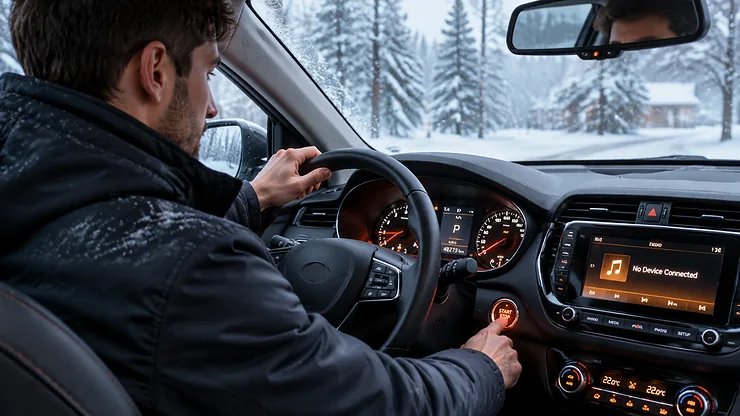
Picture 6:40 a.m., 14°F, a frosted windshield, and a seat that feels like a park bench in January. The cabin heater needs ten minutes to get its act together. Seat heat doesn’t wait. It warms you directly while the HVAC system is still thinking about it. That is why heated car seat covers for winter commuters have become one of the most popular cold-weather accessories you can plug in.
One honest note first. I haven’t tested these products, and I won’t pretend otherwise. Everything below rests on spec sheets, manufacturer manuals, safety guidance, and patterns in published reviews. Where I couldn’t verify something, I say so.
This guide covers seven real models, plus the questions people actually ask. Is a full coverage heated seat cover worth the extra size? How does an aftermarket car seat heater compare with a slip-on pad? What does a heated seat cover with auto shutoff really protect you from? How does the 12V auxiliary power outlet fit into all this? And the one everybody whispers: will it drain the car battery?
Quick Comparison: 7 Heated Seat Covers at a Glance
| Product | Standout Trait | Shutoff / Timer | Coverage | Best For |
|---|---|---|---|---|
| KINGLETING Heated Seat Cushion | Fast warm-up claim | Timing function | Back, hips, thighs | Daily sedan commuters |
| Comfytemp 12V/24V Heated Car Blanket | 12V and 24V compatible | Auto-off timers (per roundups) | Full back and seat | Truck and van drivers |
| CARSHION Heated Seat Cover with Fast Heat | Plush fabric | Auto shut-off | Expanded coverage | Shutoff on a budget |
| Car Cozy 2 Heated Mini Travel Pad | Patented safety timer | 30-45 min timer | Compact pad | Short commutes |
| Ignik Backside 12-Volt Heated Seat Pad | 24-watt draw | 90-min auto shutoff | Seat-focused | Battery-cautious drivers |
| Snailax Massage Seat Cushion with Heat | 6 massage motors | Varies by model | Full cushion | Long highway commutes |
| Zone Tech 12V Heated Seat Cover | Elastic strap fit | Varies by version | Back and seat | Multi-car households |
Notice the pattern. Only a few of these pair real coverage with a built-in shutoff, and that pairing is the sweet spot for commuters. The CARSHION Heated Seat Cover with Fast Heat and KINGLETING Heated Seat Cushion lean toward everyday convenience. The Ignik Backside 12-Volt Heated Seat Pad leans toward low draw and a long timer. If you’re torn, start with how long your commute runs and whether your socket switches off with the ignition.
💬 Just one click — help others make better buying decisions too!😊
Top 7 Heated Car Seat Covers for Winter Commuters: Expert Analysis
Prices below are broad ranges as of this research. They change constantly, so check current price on the listing before you buy.
1. KINGLETING Heated Seat Cushion — fast warm-up, full back-and-seat reach
The headline claim is speed. Listings say this cushion warms within about a minute, which matters when your commute is 20 minutes and the first seven would otherwise be spent shivering. Coverage runs across the full back, hips, and thighs, so it’s a true full coverage heated seat cover rather than a butt-only pad.
The “intelligent controller with timing function” is the spec worth translating. A timer limits how long the pad runs, which is a decent safety net if you forget it. It is not the same as sensing the ignition, so you still need to unplug it in some cars. On paper, this suits standard-sedan commuters who want one pad for every trip.
Review sentiment is solid but modest in size. One retailer listing shows roughly a 4.3-star average across about 130 ratings. I couldn’t verify detailed complaint patterns for this specific model, so skim the newest low-star reviews for fit and controller issues before buying.
Pros:
- ✅ Full back, hips, and thigh coverage
- ✅ Fast warm-up claimed on listings
- ✅ Built-in timing function
Cons:
- ❌ Timer isn’t ignition-sensing
- ❌ Modest review pool on some listings
Price range: roughly $30-$60 range. Good value if the fit works for your seat.

2. Comfytemp 12V/24V Heated Car Blanket — the one for trucks and vans
Here’s the oddball: despite the “blanket” name, roundups treat it as a full back-and-seat heater pad. The 12V/24V compatibility is the real story. Some trucks run 24V systems, and most pads fry or refuse to work there. This one is built for both.
Published specs describe four heat settings roughly between 104°F and 149°F, plus multiple auto-off timer options. Translation: you can run it gentle on a mild morning and hot when the thermometer is sulking at zero. Larger models reach about 48 by 21 inches, which is generous for a pickup bench but may overhang a compact seat.
Roundups also list it as machine washable. Confirm that on the specific listing, and unplug the controller before any wash. Review sentiment in the roundups I found is positive, but they are third-party and I couldn’t confirm individual customer complaints.
Pros:
- ✅ Works on both 12V and 24V systems
- ✅ Four heat settings for fine control
- ✅ Auto-off timers listed in roundups
Cons:
- ❌ Large footprint may overhang compact seats
- ❌ Pricier than basic 12V pads
Price range: roughly $40-$70 range. Worth it for 24V vehicles, optional elsewhere.
3. CARSHION Heated Seat Cover with Fast Heat — auto shut-off without the premium price
The spec sheet is short and sweet: plush fabric, expanded heat coverage, two temperature settings, auto shut-off, universal fit. The plush surface is the detail I’d care about. Cheap heated pads can feel like sitting on a crinkly tarp, while plush fabric is easier to live with every day.
Two temperature settings is a feature and a limitation. It’s simple, since you pick warm or warmer with no menu diving. But you lose the fine-tuning that four-level controllers give you. An editor-style roundup scored it 4.6, the highest rating among the products I found. That’s one source, so treat it as a signal, not a verdict.
This is a strong match for a commuter who wants a heated seat cover with auto shutoff and doesn’t want to babysit settings.
Pros:
- ✅ Auto shut-off built in
- ✅ Plush, comfortable fabric
- ✅ Expanded heat coverage
Cons:
- ❌ Only two temperature settings
- ❌ Top rating comes from a single roundup
Price range: roughly $30-$60 range. Strong value for the shutoff alone.
4. Car Cozy 2 Heated Mini Travel Pad — the short-commute minimalist
This is the compact one. It plugs into any 12V outlet, uses polyester fleece, and carries a 30-45 minute safety timer with automatic temperature control. The “mini” in the name is a clue that you’re getting seat-area warmth rather than full-back reach.
That timer is a double-edged spec. For a 25-minute commute, it’s perfect: warm, then quiet. For a 60-minute highway grind, a 30-minute cutoff means you’d be reaching for the controller mid-drive. Match the timer to your drive, not the other way around.
I found limited verified customer-review data for this exact model, so read recent reviews yourself, especially around durability of the cord and plug.
Pros:
- ✅ Safety timer is built in
- ✅ Works with any 12V outlet
- ✅ Compact and easy to move between cars
Cons:
- ❌ Compact pad, not a full-back design
- ❌ 30-45 minute timer is short for long drives
Price range: roughly $20-$40 range. A tidy budget pick for short hops.
5. Ignik Backside 12-Volt Heated Seat Pad — low draw, long timer
The numbers here are the story. At 24 watts on a 12V system, the draw works out to roughly 2 amps, about half what a beefier 40-watt cushion pulls. Pair that with a 90-minute auto shutoff and a recycled-material shell, and you get a cautious, outdoorsy design.
One roundup scored it around 3.8, the lowest on its list. Read that as “mixed,” not “bad.” Lower wattage means gentler heat, which may disappoint anyone who wants a toasty cushion at zero degrees. The name suggests a seat-focused pad, so check dimensions before assuming it reaches your lower back.
If your biggest worry is the battery question, this is the spec profile that eases it.
Pros:
- ✅ Roughly 2A draw at 24 watts
- ✅ 90-minute auto shutoff
- ✅ Recycled-material shell
Cons:
- ❌ Lower rating in one roundup
- ❌ Gentler heat output than higher-wattage pads
Price range: roughly $40-$70 range. Fair if low draw is your priority.

6. Snailax Massage Seat Cushion with Heat — premium comfort for long commutes
Six massage motors plus two heat levels turns this from a seat warmer into a mini spa. For a 50-minute highway commute, that matters. Sitting still is what makes backs stiff, not just cold, and heat plus vibration goes after both.
The trade-offs are practical. Motors add bulk and weight, and more electronics means more that can fail. Two heat levels are fewer than some plain pads offer. And vibration while driving is a personal call. Start on the lowest setting and decide whether you find it relaxing or distracting.
Roundups consistently place Snailax among the best-known options in this category. Heating and shutoff details vary by model, so verify the exact version before buying.
Pros:
- ✅ Massage plus heat for stiff backs
- ✅ Full cushion for long drives
- ✅ Well-known brand in the category
Cons:
- ❌ Bulkier than plain heated pads
- ❌ Only two heat levels
Price range: roughly $50-$100 range. Pay for it only if you’ll use the massage.
7. Zone Tech 12V Heated Seat Cover — the budget workhorse
Simple is the pitch. Elastic straps slide over almost any seat, extra underside straps and hooks lock it down, and the fabric uses far-infrared heating built into the material, so there are no lumpy wires to feel. One listing describes it as UL-approved with fireproofed fabric. Treat that as a retailer claim and verify the label yourself.
It sells in many pack sizes, which makes it the pick for households with two or three commuters. A retailer listing for the 4-pack shows about 4.3 stars across 80 ratings. The warranty on some listings is only 90 days, and the brand sells many near-identical variants, so confirm exactly which version you’re ordering.
Pros:
- ✅ Strap-and-hook system holds position
- ✅ Multi-pack options for households
- ✅ Often the lowest entry price
Cons:
- ❌ Warranty is only 90 days on some listings
- ❌ Many look-alike variants cause confusion
Price range: roughly $20-$50 range. Excellent value if your needs are basic.
Price & Value Snapshot: Which Tier Fits Your Commute?
| Product | Tier | Price Range | Biggest Strength | Biggest Trade-Off | Best For |
|---|---|---|---|---|---|
| Zone Tech | Budget | $20-$50 | Low cost, multi-packs | Short warranty | Shared cars |
| Car Cozy 2 | Budget | $20-$40 | Built-in timer | Compact coverage | Short drives |
| CARSHION | Mid-range | $30-$60 | Auto shut-off | Two settings | Everyday use |
| KINGLETING | Mid-range | $30-$60 | Full coverage | Not ignition-sensing | Sedan commuters |
| Comfytemp | Mid-range | $40-$70 | 12V/24V support | Large footprint | Trucks and vans |
| Ignik Backside | Mid-range | $40-$70 | 24W low draw | Gentler heat | Battery-cautious |
| Snailax | Premium | $50-$100 | Massage plus heat | Bulk | Long commutes |
Reading across, the cost gap between the cheapest and priciest pad is small compared with what you’d spend on one tank of gas. The real value split isn’t price. It’s shutoff behavior, coverage, and fit. If a pad is $15 cheaper but slides around on your seat every morning, it’s not a bargain.
Installation Without Tools: A Five-Minute Setup That Sticks
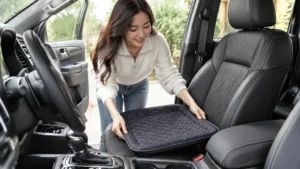
Good news: installation without tools is the default for every product above. Here’s the routine that avoids the usual headaches.
- Seat it first. Place the pad with the back section flush against the seatback. Smooth out wrinkles, because creased heating elements wear faster.
- Strap behind, hook under. Direct the elastic strap behind the seat, then pull the hooks under it and connect them. Pull snug, not guitar-string tight.
- Route the cable. Run it along the seat’s side and away from the sliding rails, pedals, and shifter. A cable pinched in a seat track is a classic slow-motion failure.
- Plug in the cigarette lighter adapter. Push firmly. Many plugs have an LED that confirms power.
- Check before the cold. Test it in October and not on the first below-freezing morning.
For the first 30 days, check the plug fit weekly, because road vibration can loosen it. Re-tighten the straps after the first week as the foam settles. And fold the pad loosely when you take it out. Sharp creases are the enemy of internal wiring.
Real-World Scenarios: Matching Pads to Real Commutes
Scenario 1: The 25-minute sedan commuter, budget-conscious. Five days a week, frozen mornings, a basic 12V socket. A Zone Tech or Car Cozy 2 covers it. The 30-45 minute timer on the Car Cozy 2 matches the drive, and the price is low enough to replace without wincing.
Scenario 2: The 55-minute highway commuter in a pickup. Long drive, cold cab, possibly a 24V electrical system. The Comfytemp is the logical pick because of its 12V/24V support and larger coverage. Its range of heat settings lets you dial down once the cab warms.
Scenario 3: The back-sore desk worker with a long drive. Sitting stiff for hours before and after work means heat alone may not be enough. The Snailax adds massage, and the KINGLETING is the plain full-coverage alternative if you’d rather skip the motors.
Scenario 4: Two drivers, one vehicle. A multi-pack of Zone Tech covers means each driver can keep their own pad. One for the driver’s seat, one for the passenger. That’s a household-level solution that costs less than a single premium cushion.
Problem → Solution: Fixing the Five Most Common Annoyances
- The pad creeps forward. Use the underside hooks, and add a non-slip layer if your seat is slick leather.
- The cord keeps tangling. Route it along the outer side of the seat and secure slack with a small cable tie. No tools needed.
- One hot spot. Drop a heat level and wear a thin base layer. Sustained high heat in one spot is uncomfortable and hard on elements.
- The plug keeps wiggling loose. Reseat it and check the LED. Plugs can vibrate out of the socket, a known weakness of the lighter-style outlet.
- It stops working. Check the fuse in the adapter plug first, then the vehicle’s socket fuse. Replace only with the same type and rating.
How to Choose Heated Car Seat Covers for Winter Commuters
Here’s the short checklist, in the order I’d work through it.
- Check your socket. Confirm you have a working 12V (or 24V) outlet. Many newer cars have swapped sockets for USB ports, and USB won’t run these.
- Find out whether it switches off with the ignition. Plug in a phone charger, turn the car off, and see whether it keeps charging.
- Pick your coverage. Full back and seat for lower-back relief, seat-only if you just want warm legs.
- Look for a shutoff. A timer or thermostat cutoff is a safety net, not a substitute for unplugging.
- Compare wattage. Watts divided by 12 gives amps. Lower draw is gentler on the circuit.
- Check the fit system. Elastic straps plus underside hooks beat a single loose band.
- Check for recalls. Look up heated products on the CPSC site before buying.
Full Coverage Heated Seat Cover: Is the Extra Size Worth It?
A full coverage heated seat cover warms the lumbar area, the seat, and the thighs. A seat-only pad warms the contact points and leaves your back to fend for itself. Which one wins depends on where the cold bites you.
If your lower back gets achy or stiff on cold mornings, full coverage is the logical choice. Heat at the lumbar region is also the main thing commuters report missing when their only warmth is the cabin air. If you wear a thick winter coat, your back is already well insulated, which makes the seat portion more useful than the back portion.
The trade-offs are size and fit. A larger pad can overhang a compact seat or bunch against contoured bolsters, and it takes slightly longer to feel warm across the whole surface. Check the dimensions, and measure your seat if you’re buying a model that runs up to about 48 inches long.

Aftermarket Car Seat Heater vs Slip-On Covers: Which One Wins?
An aftermarket car seat heater usually means a hardwired kit, with carbon-fiber pads tucked under the upholstery and a switch mounted in the cabin. These kits feel like factory equipment, but installation is a project. You’re removing seat covers, routing wires, and tapping into the fuse box. That’s the opposite of installation without tools.
| Feature | Slip-On Heated Cover | Hardwired Aftermarket Kit | Factory Heated Seats |
|---|---|---|---|
| Install effort | Minutes, no tools | Hours, wiring required | None |
| Cost | Low | Moderate to high | Built into trim cost |
| Portable between cars | Yes | No | No |
| Look and feel | Visible cushion | Hidden under upholstery | Seamless |
| Battery-drain risk | Depends on socket | Depends on wiring | Managed by the car |
Slip-on covers win on cost, flexibility, and simplicity. Hardwired kits win on looks and, when properly wired through the ignition, on automatic shutoff. One forum discussion on adding seat heaters raised a good caution: sockets and their wiring are designed for short-term lighter use, so running continuous loads through factory wiring needs care. Anecdotal, but worth heeding.
✨ Not sure which type fits your car? Start with a slip-on cover and upgrade only if you love it!
Heated Seat Cover with Auto Shutoff: The Feature Commuters Shouldn’t Skip
“Auto shutoff” gets slapped on a lot of listings, so here’s what the term can actually mean.
- Timer shutoff. The pad turns off after a set period, like 30-45 minutes on the Car Cozy 2 or 90 minutes on the Ignik Backside. Great for forgetfulness, but it doesn’t know whether your car is on.
- Thermostat or overheat cutoff. The pad stops heating if it gets too hot. This protects the pad and you.
- Ignition-sensing shutoff. The pad only runs when the car does. Most plug-in pads don’t have this. One manufacturer page for a heated cushion states plainly that the product doesn’t detect when the ignition is off.
Here’s the practical bottom line. A heated seat cover with auto shutoff is safer than one without, but it’s no replacement for the habit of unplugging, or for a socket that powers down with the key. Another manufacturer manual goes further, advising owners never to leave the cord plugged in unless the engine is running, because the draw can drain the battery.
Cigarette Lighter Adapter 101: Fuses, Fit, and 12V vs 24V
The cigarette lighter adapter is the least glamorous part of the setup, and the one most likely to cause trouble. It’s worth thirty seconds of understanding.
Vehicle 12V circuits are commonly protected by a fuse rated somewhere between 10 and 20 amps, and the plug itself often has an internal fuse of 10 amps or less. One heated cushion manual lists a 5A fuse. A 40-watt pad draws about 3.3 amps at 12V, so you’re well inside the limit. Always check the product label for wattage instead of guessing.
Voltage isn’t constant either. It sits near 12.5 volts when the car is off and rises to around 14.5 when the engine runs. Trucks may use 24V, and at least one retailer listing explicitly warns against 24V use. If you drive a heavy truck, look for a 12V/24V-compatible model like the Comfytemp.
Last, plugs can wiggle out under vibration, and there have been reports of melted plug tips from poor contact. If the plug feels hot, stop using it and reseat or replace it. A glowing LED on the plug is a handy sign that power is flowing.
Will It Drain the Car Battery? What Commuters Need to Know
Short answer: not while the engine is running. The alternator supplies power, so a 25-40 watt pad is a minor load. The risk appears when the engine is off and your socket stays live.
Do the math. A 24-watt pad draws about 2 amps, and a 40-watt pad about 3.3 amps. Left plugged in overnight on a always-on socket, that adds up. Many passenger-car batteries are rated somewhere around 40 to 60 amp-hours, so check yours. A multi-hour drain is a real problem, especially in the cold.
Cold makes it worse. According to AAA research, a battery loses about 35 percent of its capacity at 32°F, and the loss grows as temperatures fall. Short trips make it harder to recover charge, so a battery that was fine in October can feel fragile in January.
Here’s your three-step protection plan:
- Test your socket. If a phone charger works with the key off, your socket is always on.
- Unplug when you park. Make it a reflex, like taking your keys.
- Test the battery. If it’s over three years old, get it checked before winter.
Safety Guide: Recalls, Overheating, and What the Marks Mean
Heated textiles are generally safe when they’re in good shape and used as directed. The risk comes from damaged wiring and ignored warnings. In July 2026, the CPSC issued a warning about electric heated blankets whose internal heating wires could overheat and melt through the fabric. They aren’t car seat covers, but the failure mode is the same one to watch for.
Insurer guidance offers practical habits: check for recalls, never use an old or damaged pad, and roll or fold loosely to avoid creases. State Farm’s electric blanket safety tips apply neatly to seat pads.
Also understand what marks do and don’t promise. UL 2089 covers vehicle battery adapters and cord sets, meaning the plug-and-cable side. A listing that says “UL approved” may refer only to that part, so look at the label rather than the marketing copy.
Finally, if you have reduced sensation in your legs or back, talk to your doctor before using any heated seat pad, and keep the setting low.
FAQ: Heated Car Seat Covers for Winter Commuters
❓ How hot do heated car seat covers get?
❓ Do heated seat covers work with a remote starter?
❓ Are heated seat covers safe on leather seats?
❓ Is it safe to leave a heated seat cover plugged in?
❓ How long does a heated car seat cover take to warm up?
Conclusion: The Smartest Way to Warm Up a Winter Commute
Heated car seat covers for winter commuters are one of the few cold-weather upgrades that pay off on day one. Pick by your commute, not by hype. Short drive and tight budget: the Zone Tech or Car Cozy 2. Everyday sedan with auto shutoff: the CARSHION Heated Seat Cover with Fast Heat or KINGLETING Heated Seat Cushion. Truck or 24V: the Comfytemp 12V/24V Heated Car Blanket. Cautious about draw: the Ignik Backside 12-Volt Heated Seat Pad. Long highway miles: the Snailax Massage Seat Cushion with Heat.
Then build the habits that matter more than any spec. Test your socket, unplug when you park, check your battery before the deep freeze, and inspect the cord every few weeks. A warm seat should make winter better, not leave you stranded with a dead battery.
Recommended for You
- Heated Office Chair Seat Cushion For Cold Home Offices: 7 Best (2026)
- Heated Recliner Chair For Small Living Rooms: 7 Best Picks 2026
- Heated Recliner With Lift Assist For Seniors: 7 Proven Picks (2026)
Disclaimer: This article contains affiliate links. As an Amazon Associate, I earn from qualifying purchases. If you purchase products through these links, we may earn a small commission at no additional cost to you.
✨ Found this helpful? Share it with your friends! 💬🤗
