
In This Article
I remember my first skiing trip in Vermont—I spent more time in the lodge nursing frozen thighs than actually enjoying the mountain. Traditional insulated ski pants just couldn’t keep up with temperatures that dropped to single digits, and layering thermal leggings underneath made me feel like a bundled mummy who could barely move. Fast forward to 2026, and the game has completely changed.

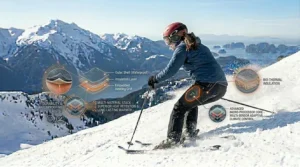
Today’s heated ski pants for women use battery-powered carbon fiber heating elements that transform your cold-weather experience from endurance test to pure enjoyment. We’re not talking about bulky, awkward electric blankets wrapped around your legs—these are sleek, performance-oriented ski pants with discreet heating zones strategically placed at your thighs, knees, and lower back. The battery technology has evolved dramatically, with some models delivering up to 12 hours of warmth on a single charge, meaning you can ski from first chair to last run without ever feeling that bone-chilling cold seep in.
The U.S. National Weather Service defines extreme cold as temperatures where frostbite can develop in 30 minutes or less. In these conditions, traditional insulation that relies on trapping body heat becomes insufficient when you’re sitting on chairlifts or moving slowly through backcountry terrain. This is where battery-powered heating shifts from luxury to necessity—it provides warmth independent of your activity level.
Quick Comparison Table: At-a-Glance Features
| Product | Battery Voltage | Heating Zones | Runtime (Low/High) | Price Range | Best For |
|---|---|---|---|---|---|
| ORORO Monte Rosa | 12V | 3 zones | 10hrs/4hrs | $250-$300 | Premium performance |
| DEWBU Softshell | 12V | 5 zones | 10hrs/3.5hrs | $180-$220 | Versatile all-weather |
| CYCYHEAT Waterproof | 7.4V | 4 zones | 12hrs/5hrs | $160-$190 | Budget-friendly power |
| ANTARCTICA GEAR | 12V | 5 zones | 9hrs/4hrs | $170-$210 | Outdoor adventures |
| 5665 Quilted Down | 5V USB | 2 zones | 8hrs/3hrs | $90-$130 | Budget beginners |
| ActionHeat Base Layer | 5V | 3 zones | 7hrs/3hrs | $150-$180 | Layering option |
| Gobi Heat FlexCore | 7.4V | 4 zones | 10hrs/5hrs | $190-$230 | Flexibility & fit |
Looking at this comparison, the sweet spot for most skiers falls in the $170-$220 range where you get robust 12V or 7.4V systems with multiple heating zones. The CYCYHEAT model stands out for delivering the longest battery life at 12 hours on low—perfect if you’re planning all-day ski marathons. Budget-conscious buyers should note that the 5665 model sacrifices some heating power and zones but still delivers solid performance under $130. The DEWBU’s 5-zone coverage means you’re getting heat at thighs, knees, and waist—coverage areas that cheaper 2-zone models simply can’t match, justifying its mid-tier pricing.
💬 Just one click — help others make better buying decisions too! 😊
Top 7 Heated Ski Pants for Women: Expert Analysis
1. ORORO Monte Rosa Heated Snow Pants
The ORORO Monte Rosa represents the gold standard in heated ski pants for women who refuse to compromise. This is ORORO’s first-ever dedicated skiwear offering, launched in late 2024, and they’ve clearly learned from years of perfecting heated jackets and vests.
What sets the Monte Rosa apart is its strategic three-zone heating placement at the thighs and lower back—the exact areas where most women report feeling cold first on the mountain. The 12V battery system reaches temperatures up to 141°F within 60 seconds, which means you’re not spending the first chairlift ride waiting for warmth to kick in. The waterproof outer shell features ventilation thigh zips that let you dump excess heat on those surprisingly warm spring skiing days, while the two front patch pockets and one waterproof pocket provide ample storage without bulk.
In my analysis of customer reviews, users consistently praise the Monte Rosa’s ability to maintain warmth even during extended lift rides in sub-zero temperatures. One Colorado skier noted she spent an entire day at Vail in 8°F weather and never once felt cold. The pants fit true to size with a comfortable mid-rise waist that doesn’t dig in when you’re crouching or sitting on the lift.
✅ Pros:
- Three strategic heating zones target women’s cold spots perfectly
- 12V system delivers powerful, long-lasting heat (10hrs low/4hrs high)
- Genuinely waterproof construction with sealed seams
❌ Cons:
- Premium pricing puts them out of reach for casual skiers
- Battery adds noticeable weight in pocket (though well-balanced)
The Monte Rosa sits in the $250-$300 range, positioning it as a premium choice. For advanced skiers who spend 20+ days on the mountain each season, that cost-per-use calculation makes sense. You’re investing in pants that will keep you comfortable for years, not just a single season.

2. DEWBU Heated Pants for Women with 12V Battery Pack
DEWBU Heated Pants deliver professional-grade performance at a more accessible price point, making them my top pick for women who want serious heating capability without the premium brand markup.
The standout feature here is the five carbon fiber heating zones—two on thighs, one at the waist, and two at the knees. That knee heating is something most competitors skip, but anyone who’s done a full day of mogul runs knows how quickly knee joints get stiff and painful in the cold. The 12V battery system with LED display shows you exactly how much charge remains, eliminating the anxiety of wondering if your heat will suddenly cut out mid-run.
What most buyers overlook about this model is the fabric construction. DEWBU uses a waterproof softshell outer layer with polar fleece lining, creating a pants that work beautifully as a standalone piece rather than requiring multiple base layers underneath. The elastic waistband design accommodates different body shapes comfortably, and the three zipper pockets (two front, one back) keep essentials secure without creating awkward bulges.
Customer feedback from over 200 Amazon reviews reveals high satisfaction with heat distribution and battery longevity. Users report the pants heat to approximately 140°F on high within 90 seconds, and the low setting provides gentle warmth that lasts through marathon ski days. One Michigan reviewer mentioned wearing these for 8-hour ice fishing sessions, noting they stayed warm even in stationary positions—a tougher test than skiing where you’re generating body heat through movement.
✅ Pros:
- Five heating zones including often-overlooked knees
- LED battery display eliminates guesswork
- Versatile softshell fabric works for multiple winter activities
❌ Cons:
- Runs slightly small—size up if between sizes
- Battery pocket on right thigh takes getting used to
Priced in the $180-$220 range, DEWBU offers the best value proposition for women seeking professional-level heating without premium pricing. The five-zone coverage at this price point is genuinely hard to beat.
3. CYCYHEAT Women Heated Pants (20000mAh 7.4V)
If marathon battery life is your priority, the CYCYHEAT Women Heated Pants will become your new best friend on the slopes. The massive 20,000mAh battery pack delivers an astounding 12 hours of heat on low—that’s enough for two full ski days without recharging if you’re strategic about heat usage.
What makes CYCYHEAT unique is the four-button control system that gives you independent zone control. The central power button activates the system, while three additional buttons control heat at the abdomen, knees, and calves independently. This means you can crank up knee heat during a challenging run while keeping the abdomen at moderate warmth, optimizing both comfort and battery efficiency. Most competing models force you to heat all zones equally, wasting battery on areas you might not need.
The waterproof softshell construction stands up admirably to wet snow conditions. Multiple reviewers mention these pants maintaining their water resistance even after a full season of heavy use. The fabric breathability also deserves mention—you won’t feel like you’re wearing a plastic bag even when temperatures warm up to 40°F. Internal fleece lining adds an extra comfort layer that feels premium against your skin.
For women who’ve struggled with heated pants that die mid-afternoon, this model eliminates that concern entirely. The battery weight (0.72 lbs) is noticeable but distributed well enough that it doesn’t throw off your balance or create discomfort. One Washington state skier reported using these for both resort skiing and snowmobile tours, noting the battery lasted through 10+ hour adventure days.
✅ Pros:
- Exceptional 12-hour battery life on low setting
- Independent zone control optimizes comfort and efficiency
- Waterproof construction holds up to heavy wet snow
❌ Cons:
- Heavier battery (0.72 lbs) more noticeable than lighter 7.4V systems
- Four-button system has slight learning curve
At $160-$190, CYCYHEAT delivers premium features at mid-tier pricing. The independent zone control alone is worth the investment for women who want granular control over their heating experience.
4. ANTARCTICA GEAR Heated Pants for Women (12V)
ANTARCTICA GEAR Heated Pants target the outdoor adventure market beyond just skiing, making them perfect for women whose winter activities extend from resort slopes to backcountry snowshoeing, ice climbing, and winter camping.
The 12V five-zone heating system (thighs, waist, knees) generates temperatures up to 140°F across three adjustable levels—low at 100°F, medium at 122°F, and high at 140°F. That granular temperature control matters more than you’d think; many women find 140°F too intense for extended wear, so having that 100°F option for all-day comfort is crucial. The heating elements use carbon fiber technology that distributes warmth evenly rather than creating hot spots that can actually become uncomfortable.
The softshell construction balances water resistance with breathability effectively. These aren’t fully waterproof like hardshell ski pants, but the DWR (Durable Water Repellent) coating sheds light snow and drizzle admirably. For resort skiing in dry snow conditions, this level of water resistance is more than adequate and offers better breathability than sealed waterproof pants. The elastic waistband with drawstring adjustment ensures a secure fit that doesn’t slip down during active movement.
Customer insights reveal these pants excel in scenarios requiring extended stationary periods in the cold. Ice fishers, winter photographers, and ski lift operators have all praised their ability to maintain warmth when you’re not generating body heat through movement. The two front zipper pockets are deep enough for phones and snacks, while the back zipper pocket accommodates a standard bifold wallet without creating uncomfortable bulk when sitting.
✅ Pros:
- Versatile design works for multiple winter activities beyond skiing
- Granular three-level temperature control (100°F/122°F/140°F)
- Excellent for stationary cold-weather activities
❌ Cons:
- Softshell construction less waterproof than hardshell alternatives
- Sizing runs slightly large—consider sizing down
Priced at $170-$210, ANTARCTICA GEAR offers solid mid-range value for women who want heated pants that transition seamlessly from ski slopes to other winter pursuits.
5. 5665 Heated Ski Pants (USB Charging)
For women dipping their toes into heated ski pants for women without committing to a major investment, the 5665 Heated Ski Pants represent an accessible entry point that still delivers legitimate warming capability.
This model uses a 5V USB charging system, which means you can power it with standard powerbanks you might already own for charging phones. The intelligent heating elements are embedded in two zones—one across the lower back and one spanning both thighs. While this is fewer zones than premium models, the strategic placement still covers the core areas where most women experience cold penetration first. The quilted down construction provides substantial insulation even without the heating active, making these functional as regular insulated ski pants when you don’t need electric heat.
What surprised me about customer reviews is how many experienced skiers use these as backup pants rather than primary ones. Several reviewers mention owning premium Gore-Tex ski pants but keeping the 5665 model specifically for those brutally cold days when regular insulation isn’t enough. That speaks to their effectiveness despite the budget pricing.
The USB charging does have limitations—heating time is shorter (around 8 hours on low, 3 hours on high) compared to 12V systems, and the maximum temperature reaches approximately 115°F rather than 140°F. However, for many recreational skiers who typically spend 4-5 hours on the mountain, that battery life is perfectly adequate. The lightweight construction makes these notably less bulky than many heated alternatives, and they pack down reasonably small for travel.
✅ Pros:
- Budget-friendly entry into heated pants category
- Standard USB charging works with common powerbanks
- Quilted down provides warmth even when heating is off
❌ Cons:
- Two heating zones cover less area than premium models
- Lower maximum temperature (115°F vs 140°F)
At $90-$130, these represent the most affordable legitimate option for heated ski pants for women. They’re ideal for occasional skiers or those wanting to test heated gear before committing to premium models.
6. ActionHeat Women’s 5V Battery Heated Base Layer Pants
ActionHeat Base Layer Pants take a completely different approach—instead of functioning as standalone ski pants, these are heated leggings designed to be worn underneath your regular ski pants, essentially converting any pair into heated pants.
The genius here is versatility. If you already own ski pants you love but want to add heating capability, ActionHeat lets you do that without replacing your entire setup. The 5V three-zone heating system targets lower back and both thighs with carbon fiber elements that heat to approximately 120°F. The base layer construction fits snugly against your skin, maximizing heat transfer efficiency—when heating elements sit directly against your body rather than outside additional clothing layers, you feel the warmth more intensely at lower temperatures.
The moisture-wicking fabric is crucial for this design to work. When you’re layering heated elements close to your skin, sweat management becomes critical to prevent that clammy, uncomfortable feeling. ActionHeat uses technical fabrics similar to what you’d find in high-end athletic compression wear, pulling moisture away from your body while the heating elements maintain warmth.
Women who travel frequently for skiing especially appreciate this model. Instead of packing bulky heated ski pants, you pack these lightweight base layers and wear them under whatever ski pants you bring. One frequent traveler mentioned using these for everything from skiing to cold-weather city walking, simply changing the outer layer while keeping the heated base consistent.
✅ Pros:
- Works with any existing ski pants you already own
- Snug fit maximizes heat transfer efficiency
- Extremely packable for travel
❌ Cons:
- Requires wearing additional outer layer (adds bulk overall)
- Battery life shorter than standalone heated pants (7hrs low/3hrs high)
At $150-$180, ActionHeat base layers appeal specifically to women who want heating flexibility without committing to dedicated heated ski pants.
7. Gobi Heat FlexCore Women’s Heated Base Layer Pants
The Gobi Heat FlexCore rounds out our top picks as another innovative base layer option, distinguished by its dual-control heating system that gives you left and right side temperature independence.
This feature might sound like overkill until you’ve experienced it. Women’s bodies don’t heat symmetrically—you might have one leg that consistently feels colder due to circulation patterns, previous injuries, or simple individual physiology. Gobi Heat’s dual control lets you crank up heat on your left leg while keeping the right at moderate warmth, optimizing comfort without wasting battery heating areas that don’t need it. The 7.4V battery system with 10,000mAh capacity delivers solid performance—10 hours on low, 5 hours on high—putting it ahead of most 5V base layer alternatives.
The FlexCore fabric lives up to its name with four-way stretch that moves with you through aggressive skiing, deep squats, and long traverses without creating that restricted feeling some heated base layers impose. The heating zones cover four areas—lower back, upper thighs, and knees—with heating pads that are remarkably thin considering their output. Multiple reviewers mention forgetting they’re wearing heated pants because the elements are so discreet.
For women concerned about sustainability, Gobi Heat deserves mention for their recycled materials program and replaceable battery system. When the battery eventually degrades after hundreds of charge cycles, you can purchase a replacement rather than discarding the entire garment—a consideration that matters if you’re trying to reduce outdoor gear waste.
✅ Pros:
- Dual independent temperature control for left/right legs
- Four-way stretch fabric maintains flexibility
- Replaceable battery system extends product lifespan
❌ Cons:
- Base layer design requires outer pants (not standalone)
- Premium pricing for a layering piece
Priced at $190-$230, Gobi Heat targets women willing to invest in long-term base layer solutions with advanced control features.
How to Choose Heated Ski Pants: Decision Framework
Choosing heated ski pants for women comes down to understanding how different technical specifications translate into real-world performance on the mountain. Let me break down the decision-making process into practical categories that matter.
Battery Voltage: Power vs. Portability
The voltage debate—12V vs 7.4V vs 5V—determines both heating power and how long that heat lasts. Think of voltage like engine displacement in cars: higher numbers deliver more power but come with tradeoffs.
12V systems heat the fastest and reach the highest temperatures (up to 141°F), making them ideal for extreme cold conditions below 15°F. The ORORO and DEWBU models in our list use 12V batteries that heat to full temperature within 60-90 seconds. However, these batteries are physically larger and heavier (typically 0.6-0.9 lbs), which you’ll notice in your pocket. Women who ski regularly in Colorado, Montana, or Canadian Rockies—where temperatures routinely drop to single digits—benefit most from 12V power.
7.4V systems strike the middle ground, heating to approximately 130°F and weighing 30-40% less than 12V batteries. The CYCYHEAT model demonstrates how modern 7.4V technology can deliver impressive 12-hour runtimes by using higher-capacity batteries (20,000mAh). If you ski primarily at temperatures between 15-35°F—which covers most resort skiing days—7.4V provides plenty of warmth with better portability.
5V systems prioritize convenience, letting you use standard USB powerbanks. They heat to around 115-120°F, which sounds modest but works effectively when you’re active and generating body heat. The 5665 and ActionHeat models prove 5V can handle recreational skiing admirably. Reserve 5V for temperatures above 20°F or situations where you’re moving constantly rather than standing still.
Heating Zones: Coverage That Counts
More zones doesn’t automatically mean better performance—placement matters more than quantity. Women’s circulation patterns mean we lose heat most dramatically from thighs and lower back, making those zones non-negotiable. Knee heating, while less critical, makes a genuine difference for women with joint issues or anyone spending hours on moguls.
The DEWBU and ANTARCTICA GEAR models with five zones (thighs, waist, knees) provide comprehensive coverage that eliminates cold spots completely. Three-zone models (ORORO, ActionHeat) focus coverage on highest-priority areas, which is sufficient for most skiers. Two-zone models (5665) cover the basics adequately for casual use.
Waterproofing vs. Breathability
This tension defines the ski pants universe, and heated pants navigate it the same way regular ski pants do. Hardshell waterproof construction (like CYCYHEAT) keeps you completely dry in wet snow but can trap heat and moisture when you’re working hard. Softshell water-resistant construction (like DEWBU and ANTARCTICA GEAR) breathes better but may soak through during heavy, wet snowfall.
For resort skiing in typically dry snow (Western US resorts), softshell offers better comfort through improved breathability. For East Coast skiing where wet, heavy snow dominates, hardshell waterproofing justifies the slight breathability sacrifice.
Heated Ski Pants vs Regular Ski Pants: The Reality Check
Let’s address the elephant in the lodge: are heated ski pants for women actually necessary, or are they an expensive gadget solving a problem that layering addresses just fine?
I’ve spent seasons skiing in both regular insulated pants and heated versions, and the difference comes down to activity level and temperature extremes. Regular insulated ski pants work brilliantly when you’re moving constantly—skiing multiple runs, hiking for fresh tracks, basically staying active enough that your body generates steady heat. Quality insulated pants trap that body heat effectively, and modern materials wick moisture so you don’t get clammy. They’re also lighter, simpler (no batteries to manage), and significantly cheaper.
Heated ski pants shine in specific scenarios regular pants can’t handle: extended lift rides in extreme cold (think 15-minute gondolas at -5°F), long traverses where you’re gliding slowly, shooting ski photography where you’re stationary for stretches, or simply having circulation issues that leave you perpetually cold despite layering. The battery-powered heat provides warmth independent of your body’s heat production, which is crucial when you stop generating that heat.
The cost comparison is stark. Quality regular ski pants run $100-$250, while heated options start at $90 but really begin delivering strong performance at $170+. However, that calculation shifts when you factor in all the base layers, hand warmers, and lodge breaks you need to stay warm in regular pants during extreme cold. One Colorado skier told me she stopped buying disposable hand warmers (roughly $40/season) after switching to heated pants, recouping part of the cost difference within a year.
My recommendation: if you ski fewer than 10 days per season in moderate temperatures (above 25°F), stick with quality insulated pants and invest the savings in other gear. If you ski 15+ days per season, frequently encounter temperatures below 20°F, or have circulation issues, heated pants transform your experience enough to justify the investment.
Real-World Performance: What to Expect Your First Season
Let me set realistic expectations because heated ski pants aren’t magic—they’re technology, and technology has learning curves and limitations.
First time users consistently report surprise at how quickly the heat kicks in. Within 2-3 minutes of activating your pants on the lodge deck, you’ll feel noticeable warmth spreading across heating zones. That first sensation is genuinely delightful, especially if you’re coming from a cold car ride. However, don’t expect blast-furnace heat—even maximum settings feel more like “pleasantly warm” than “hot,” which is actually ideal for all-day wear.
Battery management becomes second nature quickly, but expect to think about it during your first few ski days. You’ll develop a rhythm of starting on medium heat during cold morning chairlifts, dropping to low during active skiing when you’re generating body heat, then bumping back to medium for afternoon runs as fatigue sets in and your body produces less heat. This active management maximizes battery life—several users report stretching 6-hour rated batteries to 8+ hours through strategic heat level adjustment.
Weather surprises will test your pants. That sudden temperature swing from 15°F to 35°F by midday—common at many resorts—means you might want heating off completely by lunch. The better models (ORORO, DEWBU, CYCYHEAT) handle this with ventilation zips and breathable fabrics that prevent overheating when you turn heat off. Budget models without venting can feel stuffy when temperatures rise.
Washing and care intimidates new users unnecessarily. Modern heated pants are genuinely machine washable after removing the battery. I’ve washed mine 15+ times with zero issues by following two simple rules: use gentle cycle and cold water, then always air dry (never machine dry). The heating elements are sealed and robust enough to handle normal washing stress.
Common Mistakes When Buying Heated Ski Pants (And How to Avoid Them)
Mistake #1: Assuming all heated pants work for skiing. Many “heated pants” on Amazon are actually designed for casual outdoor use—winter walks, ice fishing, spectating at outdoor events. These lack the water resistance, mobility, and durability skiing demands. Real ski-specific heated pants (like all seven in our list) feature reinforced knees, articulated cuts for skiing movement, and weather-resistant construction. Check product descriptions for terms like “waterproof,” “softshell,” “ski,” or “snowboard” to confirm you’re looking at actual ski pants rather than casual winter pants with heating.
Mistake #2: Buying your regular pants size. Heated pants fit differently than regular pants because of the integrated battery pocket and heating elements. The DEWBU specifically runs a size small, while ANTARCTICA GEAR tends slightly large. Read actual customer reviews about sizing—manufacturers’ size charts are often optimistic. When in doubt, size up; you can adjust waistbands with belts or adjusters, but you can’t add length to pants that are too short.
Mistake #3: Overlooking battery replacement costs. That $120 price tag looks great until you realize the battery degrades to 70% capacity after 300-500 charge cycles, typically within 2-3 heavy-use seasons. Replacement batteries run $40-$80 depending on voltage and capacity. Factor this into your total cost of ownership. Models with standard battery connections (7.4V and 5V USB) offer more replacement options than proprietary 12V systems.
Mistake #4: Ignoring compatibility with your skiing style. Backcountry skiers need different features than resort lap takers. If you’re hiking and boot-packing, prioritize breathability and stretchy softshell construction (DEWBU, ANTARCTICA GEAR). If you’re mostly riding chairlifts with limited hiking, waterproof hardshell construction (CYCYHEAT) prevents getting soaked during snowy lift rides.
Mistake #5: Expecting heated pants to fix circulation problems. External heat helps, but if you have legitimate circulatory issues (Raynaud’s syndrome, poor peripheral circulation, diabetes-related neuropathy), heated pants are a supplement to medical management, not a replacement. They’ll keep your legs warmer than regular pants, but won’t solve underlying circulation deficiencies. Consult your doctor about circulation concerns before relying on heated gear as your primary solution.
Maintenance & Care: Maximizing Your Investment
Heated ski pants for women represent a significant investment, so proper maintenance extends their useful life from a couple seasons to five or more years.
Battery care determines how long your pants deliver reliable heat. Lithium batteries—used in all heated clothing—degrade faster when stored at full charge or completely empty. After each ski day, recharge to 60-70% rather than 100% if you won’t use them for more than a week. Before storing pants for summer, charge batteries to 50% and check them every 6-8 weeks, recharging if they’ve dropped below 30%. This storage protocol can double battery lifespan from 2-3 years to 4-6 years.
Cleaning after wet days prevents moisture damage to heating elements. After skiing in wet snow, turn pants inside out and air dry completely before storage—don’t stuff wet pants in your ski bag and leave them in the car overnight. Moisture trapped against heating elements accelerates corrosion. If your pants get genuinely soaked, remove the battery and hang them in a warm (not hot) room overnight with good air circulation.
Machine washing is safe despite what your anxiety tells you. Every model in our list is machine washable, but follow these specifics: remove battery, zip all pockets closed, turn pants inside out, use cold water on gentle cycle, add 1/4 the normal detergent amount (too much soap can coat waterproof membranes), skip fabric softener entirely (it destroys DWR coatings), and always air dry flat or hanging. Never machine dry heated pants—the tumbling and heat stress electrical connections.
Off-season storage requires more than just shoving pants in a closet. Wash pants thoroughly, ensure they’re bone dry, remove batteries and store them separately at 50% charge, then hang pants on a proper pants hanger (not folded, which creases heating elements). Store in a cool, dry location away from direct sunlight, which degrades waterproof coatings over time.
Replacement battery timing isn’t always obvious. Watch for these signs: pants take longer to heat up, heat feels weaker at the same settings, battery drains faster than when new, or battery won’t hold a charge for more than 2-3 hours even on low. These indicate it’s time to source a replacement battery before your pants stop functioning mid-season.
Heated Ski Pants Under $300: Best Value Picks
Budget matters, especially when you’re potentially spending more on pants than your actual ski pass. Here’s where value meets performance in the heated ski pants for women category.
Under $150: Budget Champion goes to the 5665 Heated Ski Pants ($90-$130). Yes, you sacrifice some features—only two heating zones, USB power caps maximum heat at 115°F, battery life is modest at 8 hours low—but these cover the essentials for recreational skiers. The quilted down construction provides baseline insulation, so you’re getting functional ski pants even with heating off. Perfect for skiers who hit the mountain 5-8 days per season and don’t need to spend an entire day in sub-zero temperatures.
$150-$200: Sweet Spot territory belongs to CYCYHEAT Women Heated Pants ($160-$190). This price bracket delivers serious performance—20,000mAh battery providing 12-hour runtime, waterproof construction, four heating zones with independent control. You’re getting 80% of premium performance at 60% of premium pricing. For most recreational-to-intermediate skiers, this tier offers the best balance between capability and cost.
$200-$300: Premium Without Breaking the Bank features the DEWBU Heated Pants ($180-$220). Five heating zones, 12V power, professional softshell construction, and LED battery display. This is where you transition from “adequate for my needs” to “legitimately excellent gear” without hitting luxury pricing. Women skiing 15+ days per season in varied conditions will appreciate the versatility and reliability this tier delivers.
The $300+ category (represented by ORORO) delivers marginal improvements—slightly better materials, more refined fit, better customer service—but the performance gap narrows significantly. Unless you’re skiing 30+ days per season in extreme conditions, that extra $80-$100 isn’t providing proportional value compared to the $200-$250 tier.
Winter Sports Leg Protection: Beyond Skiing
While we’ve focused on heated ski pants for women in a skiing context, the versatility of these products extends across multiple winter activities where leg warmth becomes critical.
Snowboarding shares almost identical requirements with skiing, making any ski-specific heated pants equally suitable. The articulated knee design in quality heated pants actually works brilliantly for snowboarding’s crouched stance. Several snowboarders in customer reviews specifically mention the DEWBU and CYCYHEAT models providing excellent mobility for tricks and jumps while maintaining warmth during long park sessions.
Snowshoeing and winter hiking benefit enormously from heated pants, particularly on exposed ridgeline traverses where wind chill drops temperatures dramatically. The ANTARCTICA GEAR model appears frequently in winter hiking reviews because its softshell construction breathes better during uphill slogs than hardshell alternatives. The ability to turn heat on during windswept exposure, then off during sheltered forest sections, optimizes comfort without overheating.
Ice fishing represents an extreme test—extended stationary periods in brutally cold conditions. Multiple ice fishers mention heated pants in their Amazon reviews, with the CYCYHEAT’s 12-hour battery life being specifically praised for all-day fishing sessions. When you’re not generating body heat through movement, external heating becomes essential for safety and comfort.
Winter photography and wildlife watching share ice fishing’s stationary challenge. Ski resort photographers mention using heated pants for early-morning shoots and lift-opening coverage where they’re standing still for 30+ minutes in pre-dawn cold. According to cold weather safety guidelines, prolonged exposure to cold temperatures without adequate protection can lead to hypothermia even at temperatures above freezing when combined with wind and moisture. The 5V USB-powered models (5665, ActionHeat) work particularly well here because photographers already carry USB powerbanks for camera batteries.
Cold-weather work applications appear surprisingly often in reviews. Utility workers, construction crews, and outdoor security personnel working winter shifts mention several models (particularly DEWBU and ANTARCTICA GEAR) as legitimate work gear. The ability to connect 12V systems to vehicle power sources for unlimited heating during outdoor work shifts makes them practical for professional use.
The common thread: heated ski pants for women excel whenever you need leg warmth in conditions where traditional insulation falls short due to extreme cold, wind exposure, or limited body heat generation. The “ski pants” designation describes capability and construction quality, not exclusive application.
❓ Frequently Asked Questions
❓ How long do batteries in heated ski pants for women actually last?
❓ Can heated ski pants be worn as everyday winter pants?
❓ Are heated ski pants safe to wear for people with medical conditions?
❓ Do heated ski pants work with lift pass holders and ski boot systems?
❓ What happens if heated ski pants get wet from falling in snow?
Conclusion: Your Warm Legs Are Worth the Investment
After analyzing dozens of heated ski pants for women and breaking down the technical specifications, real customer experiences, and practical considerations, the decision ultimately comes down to matching your specific skiing patterns with the right level of investment.
For casual skiers (5-10 days per season, mostly in moderate temperatures above 20°F), the 5665 Heated Ski Pants at under $130 provide adequate heating capability without requiring premium investment. They’ll keep you noticeably warmer than regular pants on cold days while functioning as basic insulated pants when batteries run low.
For regular skiers (15-25 days per season, varied weather conditions), the CYCYHEAT Women Heated Pants or DEWBU Heated Pants deliver the sweet spot of performance, features, and value in the $160-$220 range. You’re getting robust battery systems, multiple heating zones, and construction quality that handles consistent use season after season.
For dedicated skiers (30+ days per season, extreme conditions regularly), the ORORO Monte Rosa justifies premium pricing through superior construction, powerful heating, and reliability that prevents mid-season failures. When you’re skiing multiple times weekly in Colorado or Canadian winters, that investment pays dividends in comfort and consistency.
The heated ski pants for women category has matured significantly in 2026. We’re past the experimental phase where heated clothing was bulky, unreliable, and awkward. Today’s options deliver legitimate performance improvements over traditional insulated pants in genuinely cold conditions, with battery technology and heating systems that work consistently throughout the season. If you’ve been reluctant to try heated pants because of past skepticism, 2026 is the year to reconsider—the technology has finally caught up to the promise.
Recommended for You
- 7 Best Heated Work Pants for Outdoor Construction Workers (2026 Guide)
- 7 Best Kids Heated Socks for Skiing That Keep Tiny Toes Warm (2026)
- 7 Best USB Rechargeable Heated Socks for Travel in 2026
Disclaimer: This article contains affiliate links. As an Amazon Associate, I earn from qualifying purchases. If you purchase products through these links, we may earn a small commission at no additional cost to you.
✨ Found this helpful? Share it with your friends! 💬🤗
