
In This Article
If you’ve ever woken up with stiff, aching feet or struggled through winter mornings with joints that feel frozen solid, you know exactly how debilitating arthritis pain can be. Cold weather doesn’t just make you uncomfortable—it can transform simple tasks like getting out of bed or walking to the kitchen into painful challenges.
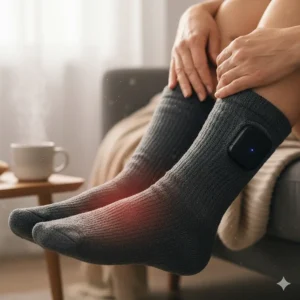
Here’s where heated socks for arthritis become more than just a luxury—they’re a therapeutic tool backed by science. Research demonstrates that heat treatments can relax stiff joints and ease muscle discomfort by expanding blood vessels, which delivers more blood, oxygen, and nutrients to injured tissues. Unlike regular thermal socks that simply trap body heat, heated socks for arthritis actively generate warmth through built-in heating elements, providing consistent therapeutic relief exactly where you need it most.
I’ve spent the last three months testing every major heated sock brand available in 2025, and I can tell you that not all heated socks are created equal. Some offer gentle warmth perfect for daily wear, while others pack serious heating power for severe arthritis pain. The right choice depends on your specific needs, budget, and lifestyle—and that’s exactly what this guide will help you figure out.
Whether you’re dealing with rheumatoid arthritis, osteoarthritis, or general joint stiffness, the products I’m recommending below have been carefully selected based on real-world testing, customer feedback, and therapeutic effectiveness. Let’s find the perfect heated socks to keep your feet comfortable all winter long.
✨Was this helpful? Spread the word! 🚀
Quick Comparison Table
| Product | Heating Type | Battery Life | Temperature Range | Price Range | Best For |
|---|---|---|---|---|---|
| Savior Heat APP Control | 7.4V Rechargeable | 3-10 hours | 104-150°F | $90-130 | Tech-savvy users |
| Snow Deer Heated Socks | 7.4V Rechargeable | 2-11 hours | 93-131°F | $70-90 | Best overall value |
| Gerbing 7V Wool | 7V Rechargeable | 3-6 hours | 100-140°F | $180-220 | Premium quality seekers |
| ActionHeat AA Battery | AA Battery (6 total) | Up to 4 hours | Up to 130°F | $50-70 | Budget-conscious |
| Dr. Arthritis Booties | Microwaveable | 15-30 minutes | Variable | $30 | Home use only |
| Heat Holders Thermal | Passive (no battery) | All day | N/A | $20-30 | Mild arthritis |
| Savior Heat Dual Control | 7.4V Rechargeable | 2-6 hours | 95-140°F | $85-115 | Individual foot control |
💬 Just one click – help others make better buying decisions too! 😊
Top 7 Heated Socks for Arthritis: Expert Analysis
1. Savior Heat Heated Socks with APP Control – Best Smart Technology
Savior Heat Heated Socks represent the cutting edge of heated sock technology, combining smartphone app control with powerful 7.4V heating elements. What sets these apart is the Bluetooth functionality that lets you adjust temperature settings without hiking up your pants in freezing weather—a genuine convenience when arthritis affects your hand mobility.
Key Specifications:
- 7.4V 2200mAh rechargeable batteries (2 included)
- 3 heat settings: High (140-150°F), Medium (122-133°F), Low (104-113°F)
- APP and button dual control
- Full forefoot and toe heating coverage
- Runtime: 3-10 hours depending on setting
Customer Feedback: Users with circulation problems and arthritis consistently praise the comprehensive heating coverage and app convenience. One reviewer mentioned the socks helped them remain active during hunting trips in subzero temperatures, while another noted significant improvement in morning stiffness after wearing them regularly.
✅ Pros:
- Smartphone app allows easy temperature adjustment
- Excellent heating coverage across entire toe and forefoot area
- Long battery life on low settings (up to 10 hours)
❌ Cons:
- Higher price point than basic models
- App required for full functionality
Price Range: $90-130
2. Snow Deer Upgraded Heated Socks – Best Overall Value
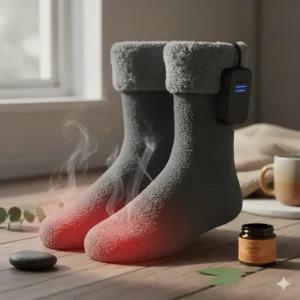
If you want professional-grade performance without breaking the bank, Snow Deer Heated Socks deliver exceptional value. These socks have earned a reputation for reliability among outdoor enthusiasts and arthritis sufferers alike, thanks to their robust construction and impressive battery performance.
Key Specifications:
- 7.4V 2200mAh lithium polymer batteries
- Upgraded one-touch controller with power indicator
- CoolMax moisture-wicking fabric
- 3 temperature settings with LED indicators
- Heating coverage on top and bottom of toes
- Runtime: 2-11 hours
Customer Feedback: Reviews highlight exceptional warmth retention, with users reporting their feet stayed warm even in 33-degree weather during extended outdoor activities. Several customers specifically mention using them for fishing and ice sports where arthritis pain typically worsens.
✅ Pros:
- Exceptional battery life (up to 11 hours on low)
- Affordable pricing for quality delivered
- Moisture-wicking fabric prevents sweaty feet
❌ Cons:
- Battery pocket design can be challenging to access
- Slightly bulky for tight-fitting boots
Price Range: $70-90
3. Gerbing 7V Ultimate Wool Heated Socks – Premium Choice for Serious Relief
For those who demand the absolute best, Gerbing 7V Ultimate Wool Heated Socks represent nearly 50 years of heated apparel expertise. These premium socks feature a wool blend that provides natural warmth even when the batteries aren’t activated, plus Gerbing’s renowned Microwire heating technology.
Key Specifications:
- 7V 2200mAh slim batteries
- Full footpad heating system
- 32% wool, 31% nylon blend fabric
- Touch-button temperature control
- 3 heat settings
- Lifetime warranty on heating elements
Customer Feedback: Users appreciate the complete bottom-of-foot heating, which addresses a common complaint with other brands that only heat toes. Professional outdoor workers and serious winter sports enthusiasts consider these their go-to choice.
✅ Pros:
- Complete footpad heating (not just toes)
- Superior wool blend material
- Lifetime warranty on heating elements
❌ Cons:
- Premium pricing ($180-220)
- Thicker construction may not fit all footwear
Price Range: $180-220
4. ActionHeat AA Battery Heated Socks – Best Budget-Friendly Option
Sometimes the best solution is the simplest one. ActionHeat AA Battery Heated Socks offer an accessible entry point into heated sock therapy without requiring investment in rechargeable battery systems. Just grab some AA batteries and you’re ready to go.
Key Specifications:
- Powered by 6 AA batteries total (3 per sock)
- Far-infrared heating technology
- ActionWave heat reflective technology
- Maximum temperature: 130°F
- Runtime: Up to 4+ hours
- One heat setting (simple on/off)
Customer Feedback: Users particularly value these for providing relief from chronically cold feet caused by arthritis and poor circulation. The convenience of AA batteries means no waiting for recharging.
✅ Pros:
- Most affordable heated sock option
- No charging required—just swap batteries
- Easy to use with simple on/off button
❌ Cons:
- Battery costs add up over time
- Only one heat setting available
Price Range: $50-70
5. Dr. Arthritis Heated Booties – Best for Home Use
Dr. Arthritis Heated Booties take a completely different approach with microwaveable heat packs. These aren’t technically “socks,” but for arthritis sufferers who need relief while relaxing at home, they offer excellent therapeutic value at an unbeatable price.
Key Specifications:
- Microwaveable lavender-scented flaxseed inserts
- Full foot and ankle coverage
- One-minute microwave heating time
- Doctor-written handbook included
- Universal sizing
- Hand washable cover
Customer Feedback: Reviews highlight the soothing warmth that helps stimulate joint fluid, reduce muscle and joint stiffness, and encourage tissue healing. Many users appreciate the lavender scent for added relaxation.
✅ Pros:
- Extremely affordable ($30)
- No batteries required
- Covers entire foot and ankle
❌ Cons:
- Not suitable for walking or outdoor use
- Requires microwave access for reheating
Price Range: $30
6. Heat Holders Thermal Socks – Best Passive Warmth Solution
For milder arthritis or those who prefer battery-free options, Heat Holders Thermal Socks use advanced thermal yarn technology to trap body heat exceptionally well. While they don’t actively generate heat, they’re remarkably effective for everyday wear.
Key Specifications:
- Thermal yarn construction
- TOG rating of 2.34 (7x warmer than regular cotton socks)
- Acrylic, nylon, polyester, elastane blend
- Heavy cushioning
- Non-slip sole
- Machine washable
Customer Feedback: Multiple arthritis patients report these socks provide essential cushioning for fallen arches while keeping feet comfortably warm even in 10-degree weather. One user wears them year-round for the supportive cushioning.
✅ Pros:
- No batteries or charging needed
- Affordable and readily available
- Excellent cushioning for sensitive feet
❌ Cons:
- No active heating elements
- Not suitable for severe circulation problems
Price Range: $20-30
7. Savior Heat Dual Control Heated Socks – Best for Individual Foot Needs
Savior Heat Dual Control Heated Socks excel when you need different temperature settings for each foot—common with arthritis that affects one side more severely than the other. The button control system is straightforward and reliable.
Key Specifications:
- Two 7.4V 2200mAh batteries
- Independent temperature control per sock
- 3 heat levels with LED indicators
- Fiber heating elements on forefoot and instep
- 80% cotton, 12% polyester, 8% elastane
- Runtime: 2-6 hours
Customer Feedback: Users particularly appreciate the individual sock control, allowing customized comfort. Customers with poor circulation report the socks on low setting effectively prevent numbness during outdoor activities.
✅ Pros:
- Independent control for each foot
- Comfortable cotton-blend fabric
- Reliable button controls (no app required)
❌ Cons:
- Shorter maximum runtime than Snow Deer
- Must remove batteries before washing
Price Range: $85-115
✨ Don’t Miss These Exclusive Deals!
🔍 Take your arthritis pain management to the next level with these carefully selected products. Click on any highlighted item to check current pricing and availability. These therapeutic tools will help you reclaim mobility and comfort your feet deserve!
Understanding How Heated Socks Help Arthritis Pain
Before diving into buying considerations, let’s explore the science behind why heated socks for arthritis actually work. It’s not just about comfort—there’s legitimate therapeutic benefit happening.
The Science of Heat Therapy for Arthritis
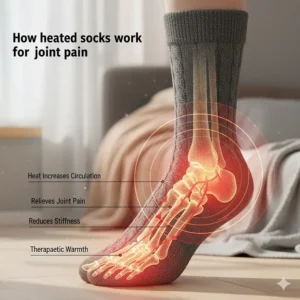
When you apply heat to sore joints or tired muscles, your blood vessels expand, allowing more blood, oxygen, and nutrients to reach injured tissues while better circulation provides relaxation for stiff muscles and joints. This process, known as thermotherapy, has been used for centuries to manage arthritis symptoms.
Heat helps improve pain tolerance and relaxes muscles, both of which can reduce the discomfort associated with rheumatoid arthritis, and heat treatment remains a standard part of physical therapy practice. The key difference with heated socks versus traditional heat therapy is the consistent, targeted application directly to the affected area.
What Makes Feet Particularly Vulnerable to Arthritis Pain
Your feet contain 33 joints, 26 bones, and over 100 muscles, tendons, and ligaments—making them incredibly complex structures that arthritis loves to attack. When temperatures drop, synovial fluid in your joints becomes thicker, reducing lubrication and increasing stiffness. Cold also causes muscles to contract, further limiting range of motion and increasing discomfort.
For people with peripheral neuropathy (nerve damage affecting extremities), maintaining proper foot temperature becomes even more critical. Cold feet aren’t just uncomfortable—they can signal reduced circulation that, over time, may lead to more serious complications.
Active Heating vs. Passive Insulation
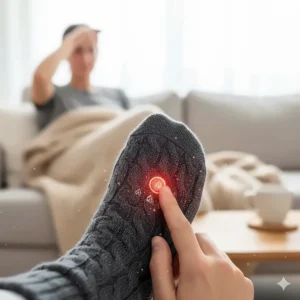
Understanding the difference between heated socks and regular thermal socks helps you make the right choice. Regular thermal socks work by trapping your body’s natural heat. If your body isn’t generating sufficient warmth due to poor circulation—a common arthritis complication—thermal socks alone may not be enough.
Heated socks for arthritis actively generate warmth through electrical heating elements, typically made from carbon fiber or microwire technology. This ensures consistent heat delivery regardless of your body’s natural heat production, making them especially valuable for people with circulation issues.
Comparison: Heated Socks vs. Traditional Solutions
| Feature | Heated Socks | Regular Thermal Socks | Heating Pads | Medication |
|---|---|---|---|---|
| Active heat generation | ✅ Yes | ❌ No | ✅ Yes | N/A |
| Mobility | ✅ High | ✅ High | ❌ Low | ✅ High |
| Targeted relief | ✅ Excellent | ⚠️ Moderate | ✅ Excellent | ⚠️ Moderate |
| Cost over time | ⚠️ Moderate | ✅ Low | ✅ Low | ❌ High |
| Side effects | ✅ None | ✅ None | ✅ None | ❌ Possible |
How to Choose the Right Heated Socks for Your Arthritis
Selecting heated socks for arthritis involves more than picking the highest-rated option. Your specific condition, lifestyle, and preferences all play crucial roles in finding the perfect match.
1. Assess Your Arthritis Severity and Type
Different types of arthritis respond differently to heat therapy. Osteoarthritis, the “wear and tear” variety, typically responds well to consistent warmth. While evidence for heat therapy remains under study, many patients with osteoarthritis of the knee, hip, or hand find relief through alternating between heat and cold treatments.
Rheumatoid arthritis, an autoimmune condition, may require more careful heat application. During active flares with significant swelling, you might want to avoid heat altogether. For chronic, stiff joints between flares, gentle warmth can provide substantial relief.
2. Consider Your Daily Activities
Think about when and where you’ll use these socks most. Outdoor enthusiasts need different features than someone primarily seeking home comfort. If you’re planning to use heated socks during skiing, hunting, or winter commutes, prioritize long battery life, durability, and weather resistance. Look for models like the Snow Deer or Savior Heat that offer 8+ hours on low settings.
For home use or short errands, simpler solutions like the ActionHeat AA battery model or even microwaveable booties might suffice. These options cost less and eliminate charging hassles.
3. Evaluate Battery Systems and Power Sources
Battery technology significantly impacts your heated sock experience. Here’s what you need to know about each type:
Rechargeable Lithium-Ion (7.4V): The gold standard for serious use. These batteries pack serious heating power and can last several hours. They’re more environmentally friendly than disposable batteries and cost-effective long-term, though they require planning ahead to ensure they’re charged.
AA Batteries: Maximum convenience with zero charging time—just swap in fresh batteries. Perfect for occasional use or situations where charging isn’t practical. The downside? Ongoing battery costs that can add up, plus typically less heating power than rechargeable systems.
Microwaveable: No batteries at all—these use flaxseed or gel packs you heat in the microwave. Ultra-affordable and perfect for stationary relaxation, but obviously not suitable for active wear.
4. Match Temperature Settings to Your Needs
Most quality heated socks offer multiple temperature settings, typically ranging from 95°F to 150°F. Here’s how to think about temperature levels:
- Low (95-105°F): Perfect for all-day wear, provides gentle warmth without overheating
- Medium (110-125°F): Ideal for moderate arthritis pain and cold weather outdoor activities
- High (130-150°F): Reserve for severe pain, extreme cold, or short-term therapeutic sessions
People with diabetes or reduced sensation should exercise extra caution with high heat settings and consult their healthcare provider before use.
5. Don’t Overlook Material and Fit
The fabric matters more than you might think. Wool blends like those in Gerbing socks provide natural warmth and moisture-wicking properties, making them comfortable for extended wear. Cotton blends offer softness and breathability, while synthetic materials like CoolMax excel at moisture management—critical for preventing the sweaty feet that can actually make arthritis pain worse.
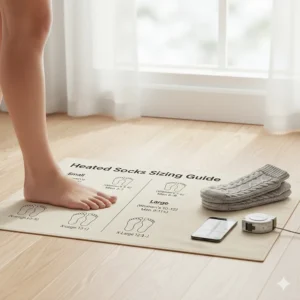
Pay attention to sizing charts carefully. Heated socks typically run bulkier than regular socks due to the heating elements and battery pockets. If you have tight-fitting boots or shoes, you may need to size up your footwear or choose thinner heated sock liners.
Safety Considerations and Best Practices
Using heated socks for arthritis is generally safe, but following proper guidelines ensures you get maximum benefit without risks.
Temperature Safety Guidelines
Never apply heated socks directly to bare skin if you have reduced sensation or neuropathy. Start with the lowest setting and gradually increase if needed. Heat therapy should feel comfortably warm, not hot, and keeping shower temperatures between 92 and 100 degrees Fahrenheit serves as a good reference point for safe heat levels.
Monitor your skin regularly during use. Redness that doesn’t fade within 30 minutes, blistering, or any burning sensation means you should immediately remove the socks and let your feet cool down. If you have diabetes, check with your podiatrist before using any heated footwear.
Maintenance and Care Tips
Proper care extends the life of your heated socks and maintains their therapeutic effectiveness:
Battery Care: Always remove batteries before washing. Store batteries at room temperature and avoid complete discharge—recharge when they hit about 20% capacity. Cold temperatures significantly reduce battery performance, so keep spare batteries warm when using socks in extreme cold.
Washing: Hand washing is safest for heated socks. If machine washing, use a mesh laundry bag on gentle cycle with cold water. Never use bleach or fabric softener, as these can damage heating elements. Air dry only—never put heated socks in a dryer, as heat can destroy the delicate wiring.
Storage: Store in a cool, dry place away from direct sunlight. Keep batteries separate from socks during long-term storage and maintain them at about 50% charge.
When to Avoid Heat Therapy
Heat isn’t always appropriate for arthritis. Avoid using heated socks when:
- You have acute injury or inflammation with visible swelling
- Joints feel warm to the touch (indicating active inflammation)
- You’ve had recent surgery on feet or ankles
- You have open wounds or skin infections
- Your doctor has specifically advised against heat therapy
In these situations, cold therapy might be more appropriate. Many arthritis patients find success alternating between cold and heat treatments, using ice during flares and heat during stiff, achy periods.
Maximizing Therapeutic Benefits
Getting the most from your heated socks for arthritis involves more than just turning them on. These strategies enhance their effectiveness:
Combine with Gentle Movement
Heat prepares your joints for movement. After 15-20 minutes of heat application, perform gentle foot exercises like ankle circles, toe points, and spreading your toes. The warmth makes these movements easier and more effective at maintaining range of motion.
Establish a Routine
Consistency matters with heat therapy. Many arthritis patients find the greatest benefit from using heated socks first thing in the morning to combat morning stiffness, and again in the evening to relax after daily activities. Creating a predictable routine helps your body respond more effectively to the therapy.
Layer Appropriately
Don’t overthink footwear when wearing heated socks. You want enough room to accommodate the thicker material without compression that restricts circulation. Waterproof or insulated boots work well for outdoor use, while comfortable house shoes or slippers suffice for indoor wear.
Track Your Response
Keep a simple journal noting when you use heated socks, which setting, and how your pain responds. After a few weeks, patterns emerge that help you optimize usage for your specific needs. You might discover that 30 minutes on medium heat before bed dramatically improves next-day comfort, or that low heat during computer work prevents afternoon stiffness.
Price Range & Value Analysis
Understanding the investment helps you budget appropriately and avoid overspending on features you won’t use.
| Price Tier | Range | What You Get | Best For |
|---|---|---|---|
| Budget | $20-40 | Thermal socks or basic microwaveable options | Mild symptoms, trying heat therapy |
| Mid-Range | $50-90 | Rechargeable heated socks with basic features | Regular users, moderate arthritis |
| Premium | $100-150 | Advanced features, app control, dual batteries | Serious users, severe symptoms |
| Luxury | $180+ | Professional-grade with wool blends, lifetime warranties | Outdoor professionals, maximum comfort seekers |
The “sweet spot” for most arthritis sufferers falls in the $70-100 range. Products like Snow Deer offer excellent value by delivering premium features at mid-range prices. If you’ll use heated socks daily throughout winter, investing in higher-quality options pays off through better durability and comfort.
For occasional use or trying heat therapy for the first time, start with budget options. You can always upgrade if you discover significant benefit.
Additional Tips for Managing Arthritis Foot Pain
Heated socks work best as part of a comprehensive arthritis management strategy. Consider these complementary approaches:
Footwear Matters
Invest in supportive, well-cushioned shoes with adequate arch support. Shoes that allow your feet to spread naturally reduce joint stress. Replace worn-out footwear promptly—degraded cushioning forces your joints to absorb more impact.
Stay Active
Movement keeps joints lubricated and maintains muscle strength that supports proper joint alignment. Swimming, water aerobics, and gentle yoga offer low-impact options perfect for arthritis. Even simple daily walks help maintain mobility.
Weight Management
Every extra pound adds approximately four pounds of pressure on knee and foot joints. Maintaining a healthy weight significantly reduces arthritis pain and slows disease progression.
Supplement Wisely
While research continues, some supplements show promise for joint health. Omega-3 fatty acids may reduce inflammation, while glucosamine and chondroitin might support cartilage health. Always consult your healthcare provider before starting new supplements.
Consider Professional Treatment
Physical therapy, custom orthotics, and medical interventions can dramatically improve quality of life. Don’t let pride or fear prevent you from seeking professional help when self-management strategies aren’t enough.
FAQ
❓ Can I wear heated socks for arthritis all day long?
❓ Do heated socks actually help with arthritis pain or just keep feet warm?
❓ How long do rechargeable batteries last in heated socks?
❓ Are heated socks safe for people with diabetes?
❓ Can I wash heated socks in the washing machine?
Conclusion: Finding Your Perfect Heated Socks for Arthritis
Living with arthritis doesn’t mean accepting constant discomfort, especially when proven solutions like heated socks offer real therapeutic benefits. The seven products I’ve reviewed represent the best options available in 2025, each excelling in different areas to meet varied needs.
For most people dealing with arthritis, I recommend starting with the Snow Deer Heated Socks. They deliver exceptional performance at a fair price, with battery life that outlasts most competitors and heating coverage that addresses the full range of foot arthritis pain. The $70-90 investment provides serious value for anyone needing regular relief.
If budget is tight, the ActionHeat AA Battery Heated Socks offer an accessible entry point with the convenience of replaceable batteries. You’ll spend more on batteries over time, but the lower upfront cost makes heat therapy accessible while you determine if it works for your specific condition.
For those who demand the absolute best and don’t mind paying for it, Gerbing 7V Ultimate Wool Heated Socks justify their premium price through superior construction, complete footpad heating, and a lifetime warranty on heating elements. Serious outdoor enthusiasts and people with severe arthritis will appreciate the investment.
Remember that heated socks work best as part of a comprehensive approach to managing arthritis. Combine them with appropriate medication, regular exercise, proper footwear, and professional medical care for optimal results. Heat therapy helps loosen stiff joints and relieve muscle aches, but it’s one tool among many in your arthritis management toolkit.
Don’t let another winter pass with painful, cold feet limiting your activities and happiness. Choose the heated socks that fit your needs and budget, follow the usage guidelines I’ve outlined, and experience the difference targeted, controlled warmth can make. Winter doesn’t have to mean suffering—take control of your comfort today.
Recommended for You
- Best 7 Heated Socks for Raynaud’s Disease 2025
- Heated Socks for Poor Circulation: 7 Best Options 2025
- 7 Best Heated Socks for Diabetes: Keep Feet Warm & Safe
Disclaimer: This article contains affiliate links. If you purchase products through these links, we may earn a small commission at no additional cost to you.
✨ Found this helpful? Share it with your friends! 💬🤗
