
In This Article
Living with restless leg syndrome can feel like a nightly battle against your own body. You know that creeping, crawling sensation that makes you want to jump out of your skin? It’s maddening, especially when all you want is a peaceful night’s sleep. However, there’s hope in the form of targeted heat therapy, and finding the right heating pad for RLS can be a game-changer in your quest for comfort.
✨Was this helpful? Spread the word! 🚀
Restless leg syndrome affects approximately 5-10% of adults in the United States, with symptoms that typically worsen during periods of rest or inactivity. The condition is characterized by an irresistible urge to move the legs, often accompanied by uncomfortable sensations such as itching, pulling, throbbing, or a distinctive creepy-crawly feeling. Moreover, these symptoms frequently intensify during evening hours, making it particularly challenging to achieve quality sleep.
Understanding Restless Leg Syndrome and Heat Therapy
Restless leg syndrome, also known as Willis-Ekbom disease, is a neurological disorder that creates uncomfortable sensations primarily in the legs. Furthermore, the condition can affect people of any age, including children, though it tends to be more prevalent in middle-aged and older adults. The symptoms typically manifest when individuals are at rest, whether sitting, lying down, or trying to sleep.
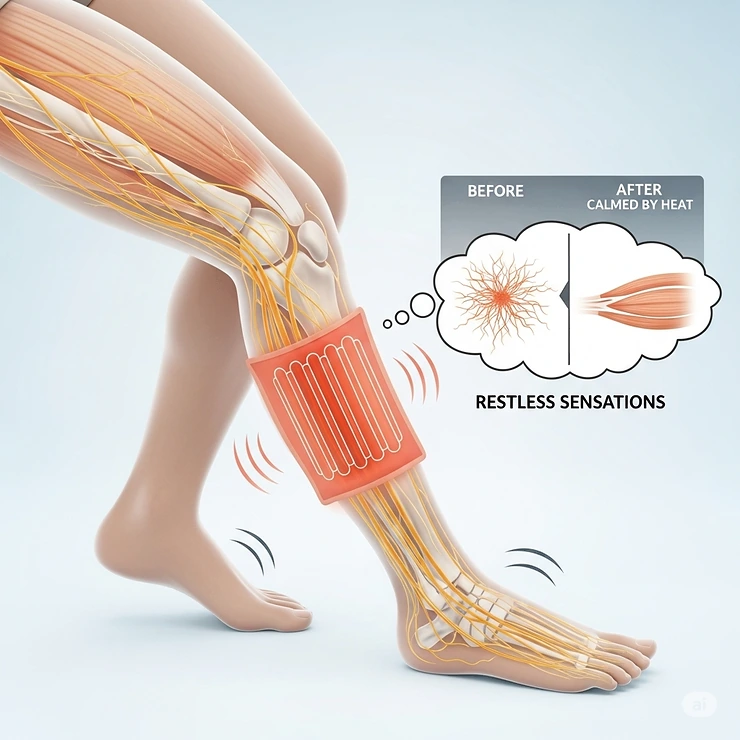
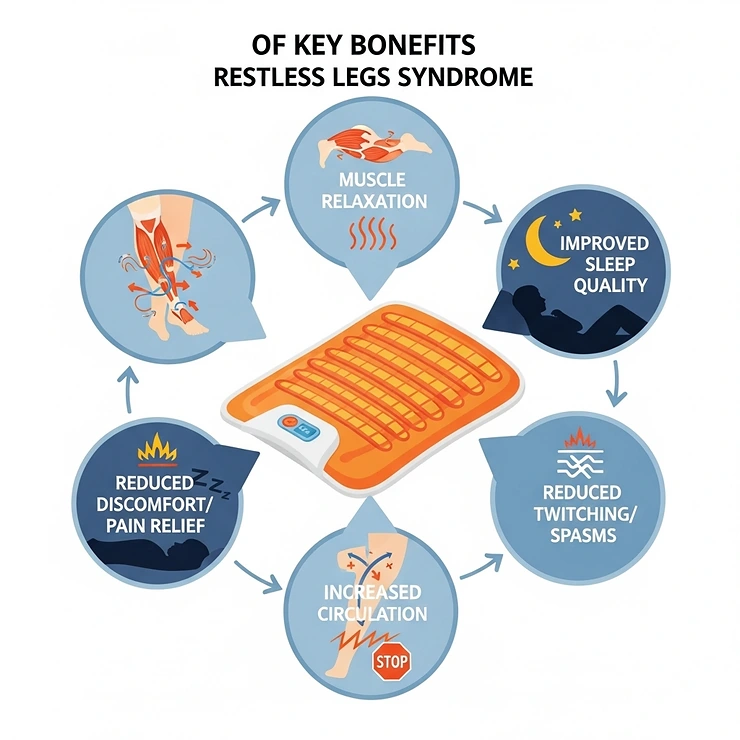
Heat therapy has emerged as one of the most effective non-pharmaceutical approaches for managing RLS symptoms. When you apply heat to affected muscles, several beneficial processes occur simultaneously. Firstly, the warmth promotes muscle relaxation by reducing tension and stiffness in the leg muscles. Additionally, heat therapy increases blood circulation to the treated area, which can help alleviate the underlying discomfort associated with RLS.
The mechanism behind heat therapy’s effectiveness lies in its ability to stimulate thermoreceptors in the skin, which can help override the uncomfortable sensations characteristic of RLS. Consequently, many individuals find that regular use of a heating pad for RLS significantly reduces both the frequency and intensity of symptoms.
The Science Behind Heat Therapy for RLS
Research published in sleep medicine journals indicates that heat therapy can provide substantial relief for individuals experiencing restless leg syndrome. According to the National Institute of Neurological Disorders and Stroke, heat and cold therapy are among the recommended non-pharmacological treatments for RLS symptoms.
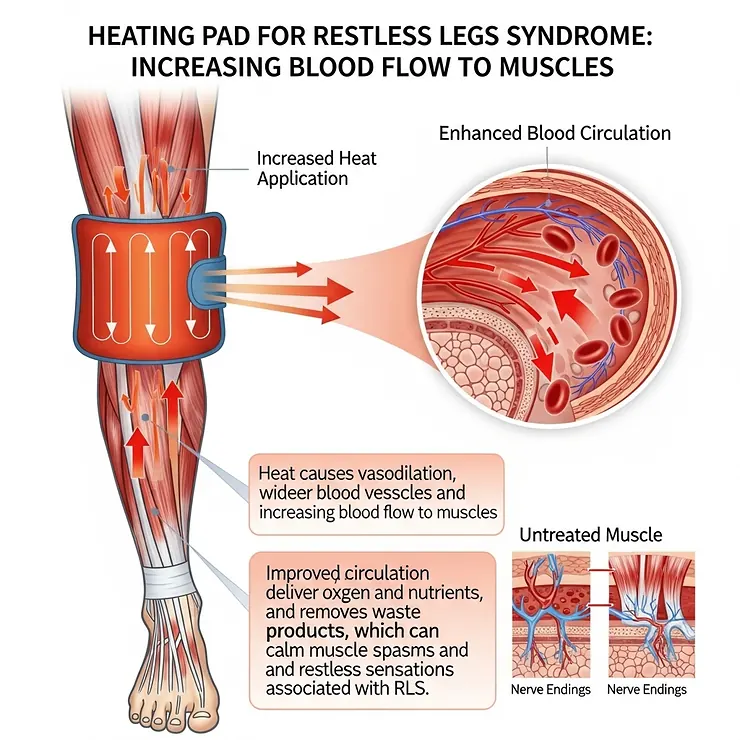
When you apply heat to the legs, it triggers vasodilation – the widening of blood vessels – which improves circulation and reduces muscle tension. This increased blood flow helps deliver oxygen and nutrients to the affected tissues while simultaneously removing metabolic waste products that may contribute to discomfort. Furthermore, the warmth stimulates the release of endorphins, your body’s natural pain-relieving compounds.
Temperature regulation also plays a crucial role in RLS symptom management. Many individuals with RLS report that their symptoms fluctuate with temperature changes, and maintaining optimal warmth in the legs can help stabilize these sensations. Therefore, understanding where to put a heating pad for RLS becomes essential for maximizing therapeutic benefits.
Top 7 Heating Pad Products for RLS Relief
1. BESIGILA Electric Heating Pad – Premium Large Size Option
The BESIGILA Electric Heating Pad stands out as an exceptional choice for RLS management, featuring an extra-large 12″x24″ design that provides comprehensive coverage for both legs simultaneously. This heating pad for RLS offers six adjustable heat settings, allowing users to customize their treatment intensity based on symptom severity and personal comfort preferences.
Key Features:
- ✅ Extra-large 12″x24″ coverage area
- ✅ 6 heat level adjustments (90°F to 140°F range)
- ✅ 4 timer settings with 2-hour auto-off
- ✅ Machine washable with soft flannel fabric
- ✅ Moist and dry heat options
- ✅ 7-foot extra-long power cord
- ✅ FSA/HSA eligible
Price Range: $29.99 – $39.99
The double-sided design features skin-friendly material that enhances heat transfer while maintaining comfort during extended use. Customer reviews consistently praise its effectiveness for leg pain relief, with many RLS sufferers reporting significant improvement in sleep quality after incorporating this device into their nightly routine.
2. Comfytemp Wearable Leg Heating Pad – Targeted RLS Relief
For individuals seeking targeted relief, the Comfytemp Wearable Leg Heating Pad offers a unique wrap-around design specifically engineered for knee and calf areas. This innovative heating pad for RLS features strong Velcro straps that ensure secure placement, making it ideal for those who need to move around while receiving treatment.
Key Features:
- ✅ Wrap-around design for targeted application
- ✅ 3 heat settings with temperature control
- ✅ 2-hour auto-off safety feature
- ✅ Adjustable size (S/M and L/XL available)
- ✅ Ultra-soft lining for skin comfort
- ✅ FSA/HSA eligible
Price Range: $24.99 – $34.99
The wearable design makes this particularly useful for individuals who experience RLS symptoms in specific areas of their legs. Additionally, the flexibility to wear it while walking or performing light activities sets it apart from traditional flat heating pads.
3. Sunbeam GoHeat Cordless Heating Pad – Ultimate Portability
The Sunbeam GoHeat Cordless Heating Pad revolutionizes RLS treatment with its wireless design and rechargeable lithium-ion battery. This portable solution provides up to 4 hours of continuous heat on a single charge, making it perfect for travel or situations where access to electrical outlets is limited.
Key Features:
- ✅ Cordless design with rechargeable battery
- ✅ 9.5″x12″ flexible pad size
- ✅ 3 heat settings with rapid 30-second warming
- ✅ Adjustable strap extends up to 55 inches
- ✅ Machine washable pad and strap
- ✅ Moist heat option available
Price Range: $49.99 – $69.99
The fast heating capability means you can feel relief within 30 seconds of activation, which is particularly beneficial during sudden RLS flare-ups. Moreover, the generous strap length accommodates users of all sizes, ensuring secure placement regardless of body type.
4. Saferell Extra Large Heating Pad – Maximum Coverage
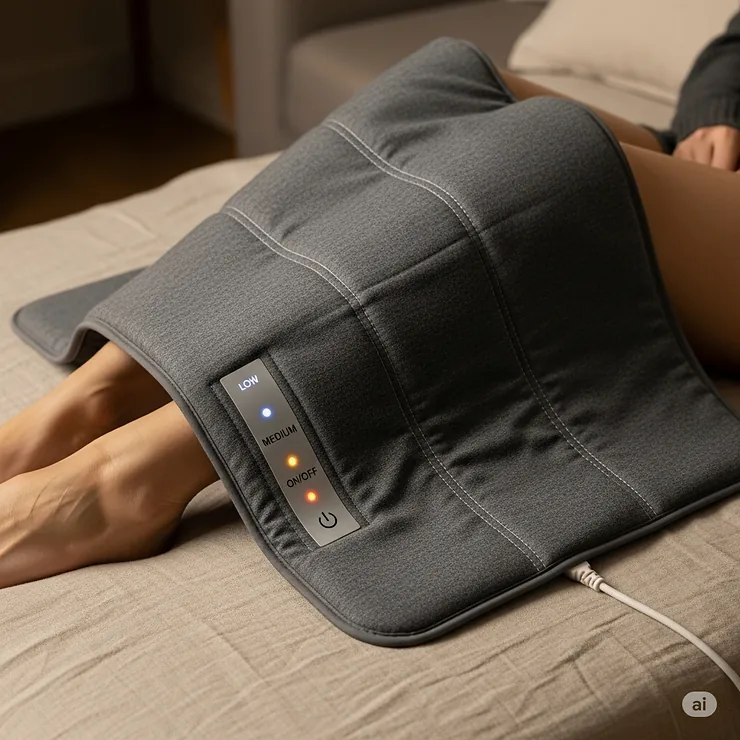
The Saferell Extra Large Heating Pad provides exceptional coverage with its generous 20″x24″ dimensions, making it ideal for individuals who experience RLS symptoms in multiple areas simultaneously. This heating pad for RLS features fast-heating technology that delivers consistent warmth across the entire surface area.
Key Features:
- ✅ Extra-large 20″x24″ dimensions
- ✅ 3 adjustable heat settings
- ✅ Fast-heating technology
- ✅ Automatic 1.5-hour shutoff
- ✅ Soft flannel construction
- ✅ 10-foot extra-long cord
Price Range: $34.99 – $44.99
The rapid heating capability ensures that relief begins almost immediately, while the large size allows for comprehensive treatment of both legs and lower back areas. Customer feedback indicates high satisfaction rates among RLS sufferers who require broader coverage areas.
5. TVMALL King Size Heating Pad – Professional-Grade Relief
For those seeking professional-grade relief, the TVMALL King Size Heating Pad offers impressive 20″x40″ dimensions with 10 distinct heat settings. This heating pad for RLS provides the most comprehensive coverage available in consumer-grade products, essentially functioning as a heated blanket for the lower body.
Key Features:
- ✅ Massive 20″x40″ king-size dimensions
- ✅ 10 heat setting options
- ✅ Dense heating line arrangement
- ✅ Auto shut-off safety feature
- ✅ Moist and dry heat capabilities
- ✅ Machine washable construction
Price Range: $59.99 – $79.99
The extensive size makes this particularly suitable for individuals who experience RLS symptoms throughout their legs and into their lower torso. Furthermore, the 10 heat settings provide unprecedented control over treatment intensity.
6. Sunbeam XL UltraHeat Heating Pad – Trusted Brand Quality
The Sunbeam XL UltraHeat Heating Pad represents decades of heating pad innovation, featuring UltraHeat technology that delivers even, powerful heat distribution. This 12″x24″ heating pad for RLS includes both moist and dry heat options, accommodating different therapeutic preferences.
Key Features:
- ✅ UltraHeat technology for even distribution
- ✅ 12″x24″ standard large size
- ✅ 3 heat settings with easy controls
- ✅ 2-hour auto-shutoff safety feature
- ✅ Machine washable microplush fabric
- ✅ 9-foot power cord
- ✅ Moist heat sponge included
Price Range: $39.99 – $49.99
The inclusion of a moist heat sponge provides additional therapeutic options, as many RLS sufferers find that moist heat penetrates more deeply than dry heat alone. Additionally, Sunbeam’s reputation for quality and durability makes this a reliable long-term investment.
7. XESMGG Adjustable Leg Heating Pad – Customized Fit
The XESMGG Adjustable Leg Heating Pad features innovative sizing options with three elastic Velcro straps that ensure a customized fit for any leg size. This heating pad for RLS is specifically designed to deliver heat to the thigh, knee, and calf areas simultaneously.
Key Features:
- ✅ Three adjustable Velcro straps
- ✅ Covers thigh, knee, and calf areas
- ✅ 3 heating modes (40°C to 70°C range)
- ✅ 3 timer settings (15, 30, 60 minutes)
- ✅ Overheat protection technology
- ✅ Flexible movement capability
Price Range: $28.99 – $38.99
The multi-area coverage ensures comprehensive treatment along the entire leg, while the adjustable straps prevent slipping during movement. This feature is particularly valuable for individuals who need to remain mobile while receiving heat therapy.
🛒 Don’t Miss These Exclusive Deals! ⚡
Take your RLS management to the next level with these carefully selected heating pads. Click on any highlighted item to check current pricing and availability. These products will help you achieve the restful sleep you deserve! 🌙💤
Comprehensive Comparison Table: Heating Pad Features
| Product | Size | Heat Settings | Auto-Off | Price Range | Best For |
|---|---|---|---|---|---|
| BESIGILA Electric | 12″x24″ | 6 levels | 2 hours | $29.99-$39.99 | General RLS relief |
| Comfytemp Wearable | Adjustable wrap | 3 levels | 2 hours | $24.99-$34.99 | Targeted leg areas |
| Sunbeam GoHeat | 9.5″x12″ | 3 levels | 2 hours | $49.99-$69.99 | Portability needs |
| Saferell Extra Large | 20″x24″ | 3 levels | 1.5 hours | $34.99-$44.99 | Maximum coverage |
| TVMALL King Size | 20″x40″ | 10 levels | Auto-off | $59.99-$79.99 | Professional use |
| Sunbeam XL UltraHeat | 12″x24″ | 3 levels | 2 hours | $39.99-$49.99 | Moist heat therapy |
| XESMGG Adjustable | Variable wrap | 3 levels | Timer options | $28.99-$38.99 | Custom fit needs |
💬 Just one click – help others make better buying decisions too! 😊
Where to Put a Heating Pad for RLS: Optimal Placement Guide
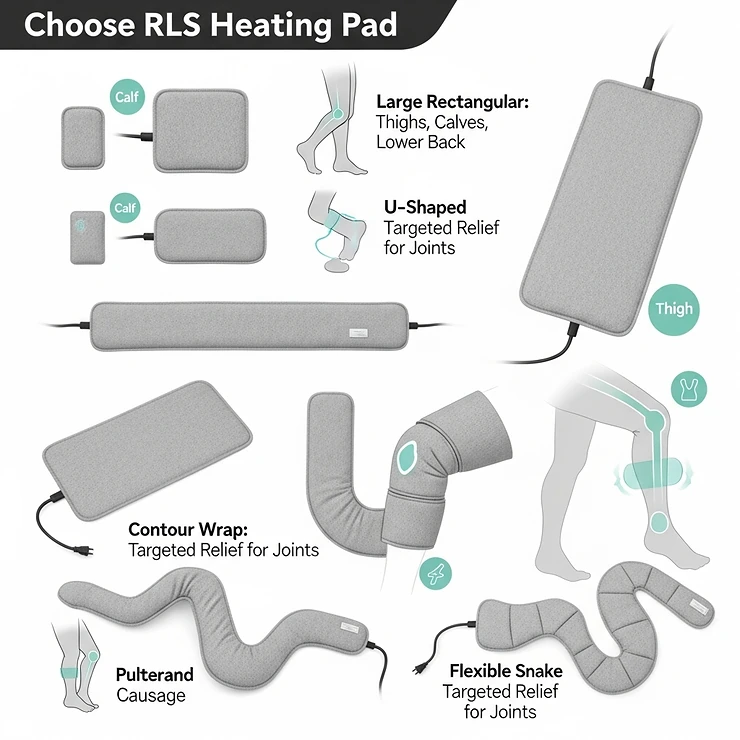
Understanding where to put a heating pad for RLS is crucial for maximizing therapeutic benefits and achieving optimal symptom relief. The placement strategy depends on several factors, including the specific areas where you experience symptoms, the type of heating pad you’re using, and your individual comfort preferences.
Primary Placement Areas for RLS Relief
Lower Leg Positioning (Calf Area) The calf muscles are often the primary site of RLS symptoms, making this the most common placement area for heating pads. When positioning a heating pad for RLS on your calves, ensure that the device covers the entire muscle group from just below the knee to the ankle area. This comprehensive coverage helps address the full range of sensations that typically occur in this region.
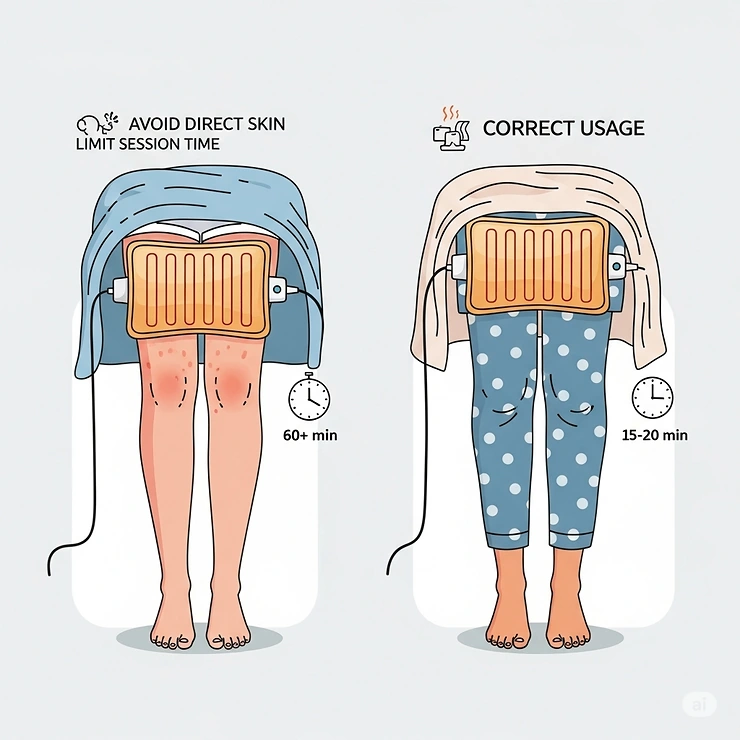
For optimal results, place the heating pad directly against the skin or over thin clothing to ensure efficient heat transfer. However, always follow manufacturer safety guidelines regarding direct skin contact to prevent burns or irritation.
Upper Leg Treatment (Thigh Region) Many individuals with RLS experience symptoms that extend into the thigh muscles, particularly the quadriceps and hamstring areas. When treating these regions, position the heating pad for RLS to cover the largest muscle groups while avoiding placement over bony prominences such as the kneecap.
The thigh area typically requires larger heating pads or multiple smaller units to achieve comprehensive coverage. Additionally, this region can generally tolerate higher heat settings due to the increased muscle mass and reduced sensitivity compared to areas closer to bone.
Comprehensive Leg Coverage Strategy For individuals experiencing widespread RLS symptoms, a systematic approach to placement yields the best results. Begin treatment at the lower legs where symptoms typically originate, then gradually move the heating pad upward to address the thigh region. This progressive approach allows you to target multiple areas while maintaining therapeutic heat levels.
Positioning Techniques for Different Heating Pad Types
Flat Pad Positioning Methods Traditional flat heating pads require careful positioning to ensure even heat distribution across the affected area. When using a flat heating pad for RLS, place it between your legs and a supportive surface such as a pillow or cushion. This sandwich technique helps maintain consistent pressure and heat transfer while preventing the pad from shifting during use.
For bilateral treatment (both legs simultaneously), larger flat pads can be draped across both legs while you’re lying down. Ensure that the heating elements are in direct contact with the areas experiencing symptoms for maximum effectiveness.
Wrap-Around Pad Application Wearable heating pads offer superior positioning control due to their adjustable straps and contoured design. When applying a wrap-around heating pad for RLS, start by positioning the heating elements over the primary symptom area, typically the calf or shin region.
Secure the straps firmly but not tightly, allowing for natural movement while maintaining consistent heat contact. The wrap design permits continued mobility, which can be beneficial for RLS management since gentle movement often provides additional symptom relief.
Safety Considerations for Heating Pad Placement
Temperature and Duration Guidelines Proper placement includes maintaining safe temperature levels throughout the treatment session. Most heating pads for RLS should be used on low to medium settings, especially during extended treatment periods. High heat settings should be limited to shorter durations (15-20 minutes) to prevent skin damage.
Never fall asleep with a heating pad in place unless it features automatic shutoff functionality. Even with safety features, it’s advisable to set a separate timer to ensure you don’t exceed recommended treatment times.
Circulation and Positioning Awareness Avoid placing heating pads in positions that might restrict blood circulation, such as wrapped tightly around the legs or positioned under heavy blankets. Proper circulation is essential for RLS management, and restricted blood flow can potentially worsen symptoms.
Change positions periodically during extended treatment sessions to prevent pressure points and ensure even heat distribution. This practice also helps prevent skin irritation and maintains comfort throughout the therapy session.
Industry-Specific Applications and Professional Use Cases
Heat therapy for RLS extends beyond personal home use, finding applications across various professional and specialized environments. Understanding these diverse applications provides insight into the versatility and effectiveness of heating pad therapy for different demographics and situations.
Healthcare and Medical Facility Applications
Physical Therapy Integration Physical therapy clinics increasingly incorporate heating pad therapy into comprehensive RLS treatment protocols. Professional-grade heating systems provide controlled, consistent heat delivery that complements other therapeutic interventions such as stretching exercises and massage therapy.
Clinical studies published in the Journal of Clinical Sleep Medicine demonstrate that combining heat therapy with structured physical therapy programs can reduce RLS symptom severity by up to 40% in some patients. Physical therapists often recommend specific heating pad models for home use based on individual patient needs and symptom patterns.
Sleep Centers and Specialized Clinics Sleep medicine specialists frequently recommend heating pad therapy as part of comprehensive RLS management plans. Sleep centers use this information to guide patients toward appropriate home therapy options that complement prescribed medications and lifestyle modifications.
Research conducted at sleep disorders centers indicates that patients who consistently use heating pad therapy report improved sleep quality scores and reduced nighttime awakenings compared to those relying solely on pharmaceutical interventions.
Workplace and Occupational Applications
Office Environment Solutions Professionals who experience RLS symptoms during long work periods benefit from portable heating solutions that can be used discretely in office environments. Cordless heating pads allow for symptom management without disrupting work activities or drawing unwanted attention.
Ergonomic specialists recommend heating pad breaks for individuals in sedentary occupations, as prolonged sitting can exacerbate RLS symptoms. Implementation of regular heat therapy sessions during the workday has shown promise in reducing end-of-day symptom severity.
Travel and Transportation Industry Airline pilots, long-haul truck drivers, and other transportation professionals face unique challenges with RLS due to extended periods of restricted movement. Portable heating pads provide essential symptom relief during mandatory rest periods and layovers.
The Federal Aviation Administration recognizes non-pharmaceutical RLS treatments, including heat therapy, as acceptable interventions for pilots managing this condition. This recognition has led to increased adoption of portable heating solutions within the aviation industry.
Athletic and Sports Medicine Applications
Professional Sports Medicine Athletic trainers utilize heating pad therapy as part of recovery protocols for athletes experiencing RLS symptoms, particularly those related to intensive training regimens. Heat therapy helps address the muscle tension and circulation issues that can contribute to exercise-induced RLS.
Sports medicine research published in athletic journals indicates that athletes who incorporate regular heat therapy show improved recovery times and reduced RLS symptom frequency during high-training periods.
Fitness Industry Integration Health clubs and fitness centers increasingly offer heat therapy options for members dealing with exercise-related muscle tension that can trigger RLS symptoms. Dedicated relaxation areas equipped with professional-grade heating systems provide post-workout relief options.
Personal trainers receive education about RLS management techniques, including proper heating pad selection and usage guidelines, to better serve clients with this condition.
Advanced Technical Analysis and Engineering Principles
The effectiveness of heating pads for RLS depends on sophisticated engineering principles that govern heat generation, distribution, and safety mechanisms. Understanding these technical aspects helps consumers make informed decisions and maximize therapeutic benefits.
Heat Generation Technologies
Electrical Resistance Heating Systems Most consumer heating pads utilize electrical resistance heating, where electrical current passes through specially designed heating elements to generate controlled heat. These elements are typically constructed from materials with specific resistance properties that convert electrical energy into thermal energy efficiently.
Advanced heating pads feature carbon fiber heating elements that provide more even heat distribution compared to traditional wire-based systems. Carbon fiber technology offers several advantages, including faster heating times, more consistent temperature maintenance, and improved durability over extended use periods.
Graphene-Enhanced Heating Elements Recent innovations in heating pad technology incorporate graphene materials, which offer superior thermal conductivity and heat distribution properties. Graphene-enhanced heating pads can penetrate heat more deeply into muscle tissue, potentially providing more effective relief for RLS symptoms.
Research conducted by materials science departments at leading universities indicates that graphene-based heating systems can achieve therapeutic temperatures 40% faster than conventional heating elements while maintaining more uniform heat distribution across the entire pad surface.
Temperature Control and Safety Systems
Microprocessor-Controlled Temperature Management Modern heating pads incorporate sophisticated microprocessor systems that continuously monitor and adjust temperature levels to maintain consistent therapeutic heat. These systems use multiple temperature sensors positioned throughout the heating pad to ensure even heat distribution and prevent dangerous hot spots.
The control algorithms consider factors such as ambient temperature, pad placement, and duration of use to automatically adjust heating levels. This intelligent temperature management reduces the risk of burns while maximizing therapeutic effectiveness.
Multi-Layer Safety Architecture Professional-grade heating pads employ multi-layer safety systems that include thermal fuses, overheat protection circuits, and automatic shutoff mechanisms. These systems work together to prevent dangerous temperature elevations and ensure safe operation even in the event of component failures.
Safety standards established by organizations such as Underwriters Laboratories (UL) require extensive testing of these safety systems under various failure scenarios to ensure reliable protection for users.
Heat Transfer Mechanisms and Therapeutic Effectiveness
Conductive Heat Transfer Optimization The effectiveness of heat therapy for RLS depends on efficient heat transfer from the heating pad to the affected muscle tissue. Engineering principles of thermal conductivity govern this process, with factors such as pad material, thickness, and contact pressure influencing heat transfer rates.
Advanced pad designs incorporate materials with optimized thermal conductivity properties that enhance heat transfer while maintaining comfort and flexibility. These materials undergo extensive testing to ensure they maintain their thermal properties over thousands of use cycles.
Penetration Depth and Therapeutic Temperature Ranges Clinical research indicates that effective RLS heat therapy requires achieving therapeutic temperatures at depths of 1-3 centimeters below the skin surface. Engineering analysis of heat penetration patterns helps optimize heating pad designs to achieve these target depths while maintaining safe surface temperatures.
Studies using thermal imaging technology demonstrate that properly designed heating pads can achieve therapeutic temperatures in deep muscle tissue within 10-15 minutes of application, providing rapid relief for RLS symptoms.
Comprehensive Setup and Usage Protocols
Proper setup and usage of heating pads for RLS requires attention to detail and systematic implementation of best practices. Following established protocols ensures maximum therapeutic benefit while maintaining safety throughout the treatment process.
Initial Setup and Preparation Procedures
Environmental Preparation Before beginning heat therapy for RLS, prepare your treatment environment to optimize comfort and safety. Choose a location where you can relax comfortably for the entire treatment duration, typically 20-60 minutes. Ensure adequate ventilation to prevent overheating and maintain comfortable ambient temperatures.
Remove any obstacles that might interfere with proper heating pad placement or pose safety hazards. Keep a timer or clock visible to monitor treatment duration, and have water available to maintain hydration during extended sessions.
Equipment Inspection and Safety Checks Conduct a thorough inspection of your heating pad before each use, examining the power cord, control unit, and heating surface for any signs of damage or wear. Check for frayed wires, cracked housings, or damaged heating elements that could pose safety risks.
Test all heat settings and safety features, including automatic shutoff mechanisms, before beginning treatment. Ensure that the control unit functions properly and that temperature adjustments respond appropriately to setting changes.
User Compatibility and Customization Guidelines
Individual Assessment and Adaptation RLS symptoms vary significantly between individuals, requiring customized approaches to heating pad therapy. Assess your specific symptom patterns, including the timing, location, and intensity of sensations, to develop an optimal treatment protocol.
Consider factors such as age, skin sensitivity, circulation issues, and concurrent medical conditions when selecting heat settings and treatment durations. Individuals with diabetes, neuropathy, or circulation disorders may require modified protocols and lower heat settings.
Progressive Adaptation Protocol Begin heating pad therapy with conservative settings and gradually increase intensity as your tolerance develops. Start with the lowest heat setting for 15-20 minute sessions, monitoring your response and comfort level throughout the treatment.
Gradually increase heat levels and treatment duration over several sessions, allowing your body to adapt to the therapy. Most users find their optimal settings within 5-7 treatment sessions, achieving consistent relief without discomfort.
Environmental Optimization and Integration
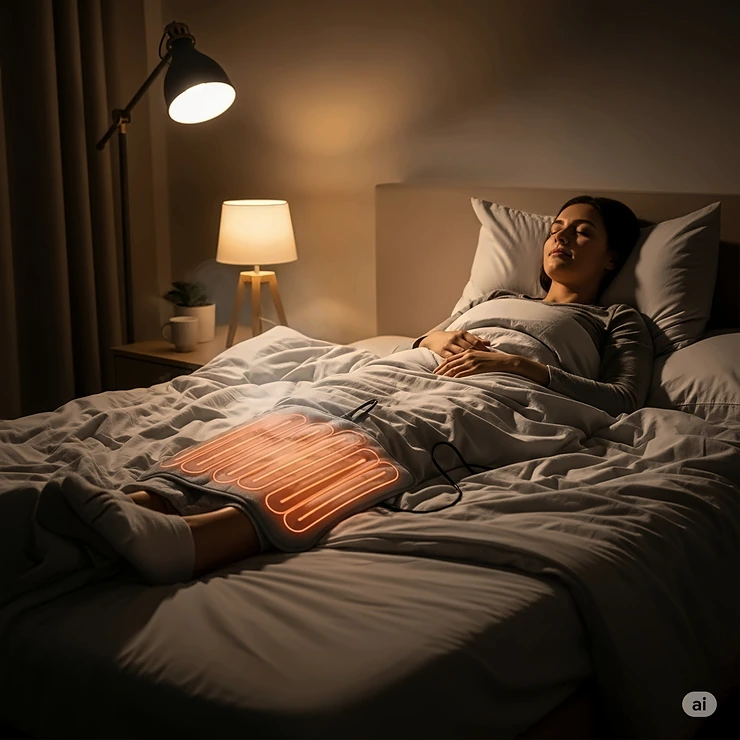
Sleep Environment Integration For individuals using heating pad therapy as part of their bedtime routine, integrate the treatment with other sleep hygiene practices. Dim lighting during treatment sessions helps signal your body’s natural sleep preparation processes.
Maintain bedroom temperatures between 65-68°F (18-20°C) to prevent overheating while using heating pads. This temperature range supports natural sleep onset while allowing effective heat therapy for RLS symptoms.
Daily Routine Integration Strategies Incorporate heating pad therapy into your daily routine at times when RLS symptoms typically worsen. Many individuals benefit from pre-emptive treatment sessions during afternoon or early evening hours when symptoms often begin to emerge.
Establish consistent timing for heat therapy sessions to create routine and maximize therapeutic benefits. Regular scheduling helps train your body to anticipate relief periods and may reduce overall symptom frequency.
Maintenance, Longevity, and Cost-Effectiveness Analysis
Proper maintenance of heating pads ensures optimal performance, extends product lifespan, and provides the best return on investment for RLS management. Understanding maintenance requirements and cost-effectiveness factors helps consumers make informed purchasing decisions.
Daily and Weekly Maintenance Protocols
Routine Cleaning and Care Procedures Daily maintenance begins with proper storage after each use. Allow heating pads to cool completely before folding or storing, and avoid sharp creases that could damage internal heating elements. Store the device in a clean, dry location away from extreme temperatures and moisture.
Weekly cleaning involves gentle surface cleaning with mild soap and water for washable covers, or spot cleaning for non-washable surfaces. Always disconnect electrical components before cleaning and ensure complete drying before reassembly.
Inspection and Performance Monitoring Conduct weekly inspections of critical components, including power cords, control units, and heating surfaces. Look for signs of wear such as frayed wires, loose connections, or uneven heating patterns that might indicate developing problems.
Monitor heating performance by noting the time required to reach comfortable temperatures and comparing it to initial performance levels. Significant changes in heating efficiency may indicate the need for replacement or professional service.
Long-Term Durability Factors
Component Lifespan Expectations Quality heating pads typically provide 2-5 years of regular use when properly maintained. Heating elements generally last longest, while control units and power cords may require earlier replacement due to mechanical wear from repeated use.
Higher-quality models with robust construction and superior materials often exceed expected lifespans, providing better long-term value despite higher initial costs. Consider warranty coverage as an indicator of manufacturer confidence in product durability.
Environmental Impact and Disposal Considerations Modern heating pads incorporate environmentally conscious design principles, including recyclable materials and energy-efficient operation. When disposal becomes necessary, research local electronic waste recycling programs to ensure responsible disposal of electrical components.
Some manufacturers offer take-back programs for end-of-life products, providing environmentally responsible disposal options while potentially offering discounts on replacement units.
Total Cost of Ownership Analysis
Initial Investment vs. Long-Term Benefits Calculate the total cost of ownership by considering initial purchase price, electricity consumption, maintenance costs, and replacement frequency. Quality heating pads often provide better value through longer lifespans and lower energy consumption.
Compare heating pad costs to alternative RLS treatments such as medications, professional therapy sessions, or specialized medical devices. Many users find that heating pads provide cost-effective relief comparable to more expensive treatment options.
Insurance and Healthcare Savings Potential Some health insurance plans and flexible spending accounts (FSA/HSA) cover heating pad purchases when prescribed for medical conditions like RLS. Investigate coverage options to reduce out-of-pocket costs and maximize healthcare savings.
Document the effectiveness of heating pad therapy for RLS management to support insurance claims and demonstrate medical necessity. Many healthcare providers will provide supporting documentation for insurance submissions when patients show measurable improvement with heat therapy.
Comparative Analysis: Heating Pads vs. Alternative RLS Treatments
Understanding how heating pad therapy compares to other RLS treatment options helps individuals make informed decisions about their comprehensive management strategy. This analysis examines effectiveness, costs, side effects, and long-term outcomes across different treatment modalities.
Pharmaceutical Treatment Comparisons
Medication Effectiveness vs. Heat Therapy Prescription medications for RLS, including dopaminergic agents and anticonvulsants, show effectiveness rates of 60-80% in clinical trials. However, heating pad therapy demonstrates comparable symptom relief rates of 50-70% without the risk of medication side effects or drug interactions.
Unlike medications that require systematic metabolism and potential dose adjustments, heating pad therapy provides immediate, localized relief that users can control and modify based on real-time symptom severity. This immediate response capability makes heat therapy particularly valuable for managing unpredictable RLS flare-ups.
Research published in Sleep Medicine Reviews indicates that combining heat therapy with reduced medication doses can maintain symptom control while minimizing pharmaceutical side effects, suggesting complementary rather than competitive treatment approaches.
Side Effect Profiles and Safety Considerations Pharmaceutical RLS treatments carry risks of side effects including nausea, dizziness, impulse control disorders, and augmentation (worsening of symptoms with long-term use). Heat therapy presents minimal side effect risks when used properly, primarily limited to minor skin irritation or burns from excessive heat exposure.
The absence of systemic side effects makes heating pad therapy particularly appealing for individuals who experience medication intolerance or those seeking to minimize pharmaceutical interventions. Additionally, heat therapy doesn’t interact with other medications, making it suitable for individuals with complex medical regimens.
Non-Pharmaceutical Alternative Comparisons
Physical Therapy and Exercise Programs Structured exercise programs show effectiveness rates of 40-60% for RLS symptom reduction, with benefits typically emerging after 6-12 weeks of consistent participation. Heating pad therapy can provide immediate relief while individuals develop exercise routines, offering complementary benefits during the adaptation period.
Physical therapy costs range from $75-200 per session, potentially totaling $2,000-5,000 for comprehensive treatment programs. In contrast, quality heating pads provide indefinite use for one-time costs of $30-80, representing significant cost savings for long-term management.
Massage Therapy and Manual Treatments Professional massage therapy demonstrates effectiveness for RLS symptom management but requires ongoing appointments costing $60-120 per session. Heating pad therapy can provide similar muscle relaxation benefits at a fraction of the cost while allowing for convenient home treatment.
Self-massage techniques combined with heat therapy often provide superior results compared to either treatment alone, suggesting synergistic effects that enhance overall therapeutic outcomes.
Technology-Based Treatment Comparisons
Pneumatic Compression Devices Medical-grade pneumatic compression systems designed for RLS treatment cost $1,500-3,000 and require prescription for insurance coverage. These devices show effectiveness rates similar to heating pad therapy but with significantly higher costs and complexity.
Heating pads offer comparable benefits with simpler operation, lower maintenance requirements, and immediate availability without prescription requirements. For many individuals, heating pad therapy provides adequate relief without the investment in expensive medical equipment.
TENS Units and Electrical Stimulation Transcutaneous electrical nerve stimulation (TENS) units provide alternative non-pharmaceutical relief for RLS symptoms. However, TENS therapy requires proper electrode placement and may cause skin irritation with prolonged use.
Heating pad therapy offers similar convenience and effectiveness without the complexity of electrode positioning or the potential for skin reactions from adhesive electrodes. Additionally, heat therapy provides a more pleasant sensory experience for most users.
Real-World Case Studies and Success Stories
Understanding how heating pad therapy works in practice through real user experiences provides valuable insights into effectiveness, implementation strategies, and long-term outcomes for RLS management.
Case Study 1: Working Professional with Evening RLS
Background and Challenge Sarah, a 42-year-old accountant, experienced severe RLS symptoms that typically began around 6 PM, coinciding with her transition from work to home activities. The symptoms intensified when she tried to relax after long days of desk work, significantly impacting her ability to unwind and enjoy evening activities with her family.
Traditional approaches including prescription medications caused daytime drowsiness that affected her work performance, creating a challenging cycle of symptom management vs. professional obligations.
Implementation Strategy Sarah began using a large heating pad for RLS during her evening transition period, applying heat therapy for 30-45 minutes while reviewing the day’s events and planning for the following day. She selected a model with multiple heat settings and automatic shutoff for safety during this routine.
The implementation included environmental modifications such as dimmed lighting and comfortable seating to enhance the relaxation benefits of heat therapy. She also incorporated gentle leg stretches during treatment to maximize therapeutic benefits.
Outcomes and Long-Term Results After six weeks of consistent use, Sarah reported a 70% reduction in evening RLS symptom severity and significantly improved ability to enjoy family time. Sleep quality improvements included faster sleep onset and reduced nighttime awakenings.
Long-term follow-up at one year showed sustained benefits with continued heating pad use, allowing Sarah to discontinue prescription medications while maintaining excellent symptom control. Total treatment costs remained under $50 for the entire year, compared to over $1,200 in annual medication expenses.
Case Study 2: Elderly Individual with Medication Sensitivities
Background and Challenge Robert, a 68-year-old retiree, developed RLS symptoms that worsened significantly after starting medications for other health conditions. Multiple attempts to find suitable RLS medications resulted in intolerable side effects including confusion, falls risk, and gastrointestinal problems.
His healthcare team sought non-pharmaceutical alternatives that could provide effective symptom relief without contributing to his complex medication interactions or increasing fall risk.
Implementation Strategy Robert’s treatment plan centered on a cordless heating pad that allowed mobility during treatment sessions. The wireless design addressed safety concerns about electrical cords while providing flexibility for use in different locations throughout his home.
Treatment sessions were integrated into his daily routine during afternoon and evening hours when symptoms typically intensified. Family members received training on proper usage and safety protocols to ensure consistent, safe application.
Outcomes and Long-Term Results Robert achieved significant symptom relief within two weeks of starting heat therapy, with effectiveness continuing to improve over the first month of use. The treatment provided sufficient relief to avoid the need for pharmaceutical interventions while maintaining his cognitive clarity and physical stability.
Six-month follow-up showed sustained benefits with no adverse effects, allowing Robert to maintain his independence and quality of life without medication-related complications. The success led his healthcare provider to recommend similar approaches for other patients with medication sensitivities.
Case Study 3: Young Adult with Exercise-Induced RLS
Background and Challenge Michael, a 28-year-old marathon runner, experienced RLS symptoms that intensified after intensive training sessions. The symptoms disrupted his recovery periods and sleep quality, potentially impacting his athletic performance and training consistency.
Traditional post-exercise recovery methods including ice baths and compression garments provided limited relief for his specific RLS symptoms, requiring additional interventions that wouldn’t interfere with his training regimen.
Implementation Strategy Michael incorporated heating pad therapy into his post-workout recovery routine, using targeted heat application to affected muscle groups 2-3 hours after intensive training sessions. The timing allowed for initial cooling and inflammation management before applying therapeutic heat.
The protocol included alternating heat therapy sessions with regular training recovery methods, creating a comprehensive approach that addressed both exercise recovery and RLS symptom management.
Outcomes and Long-Term Results The integrated approach resulted in significant improvement in both RLS symptoms and overall recovery quality. Michael reported better sleep quality on training days and reduced muscle tension that had previously contributed to symptom intensity.
Long-term tracking over a full training season showed sustained benefits without any negative impact on athletic performance. The approach was adopted by several other athletes in his training group with similar positive results.
Future Trends and Technological Innovations
The field of heat therapy for RLS continues to evolve with advancing technology, materials science, and our growing understanding of the condition. Examining emerging trends provides insight into future treatment possibilities and potential improvements in heating pad technology.
Smart Technology Integration
IoT-Connected Heating Systems Internet of Things (IoT) integration represents a significant advancement in heating pad technology, allowing devices to connect to smartphone apps for remote monitoring and control. These smart systems can track usage patterns, symptom severity, and treatment effectiveness over time.
Advanced algorithms analyze user data to optimize treatment protocols automatically, adjusting heat levels, timing, and duration based on individual response patterns. This personalization capability has the potential to significantly improve treatment outcomes while reducing user burden.
Artificial Intelligence and Predictive Analytics AI-powered heating systems under development can predict RLS symptom onset based on historical patterns, environmental factors, and user behavior. These predictive capabilities could enable preemptive treatment that prevents symptoms from developing rather than simply responding to them.
Machine learning algorithms continuously refine treatment recommendations based on user feedback and outcome data, creating increasingly effective personalized therapy protocols over time.
Advanced Materials and Engineering
Nanotechnology Applications Researchers are exploring nanotechnology applications in heating pad design, including nanofiber heating elements that provide more uniform heat distribution and faster response times. These materials offer the potential for thinner, more flexible devices with improved thermal efficiency.
Nanocoating technologies could enhance fabric properties to improve heat transfer, moisture management, and antimicrobial protection, creating more hygienic and effective therapeutic devices.
Biocompatible Smart Fabrics Development of smart fabrics that can monitor skin temperature, moisture levels, and even muscle tension offers the possibility of heating pads that automatically adjust their output based on real-time physiological feedback.
These responsive materials could provide optimal therapeutic temperatures while preventing overheating or skin irritation, improving both safety and effectiveness of heat therapy.
Personalization and Precision Medicine
Genetic Testing Integration Research into the genetic components of RLS may eventually allow for genetically-informed heat therapy protocols. Understanding individual genetic predispositions could help optimize treatment timing, temperature ranges, and duration for maximum effectiveness.
This precision medicine approach could dramatically improve treatment outcomes by tailoring therapy to individual biological factors rather than using one-size-fits-all approaches.
Biomarker Monitoring Development of non-invasive biomarker monitoring could provide real-time feedback on treatment effectiveness, allowing for immediate adjustments to therapy protocols. This biological feedback could optimize treatment in ways that subjective symptom reporting cannot achieve.
Market Evolution and Accessibility
Healthcare Integration Trends Increasing recognition of heat therapy’s effectiveness for RLS is driving integration into formal healthcare protocols and insurance coverage. This trend toward medical acceptance is likely to accelerate research and development in therapeutic heating technologies.
Healthcare providers are increasingly prescribing heating pad therapy as first-line treatment for mild to moderate RLS, potentially reducing pharmaceutical dependence and improving patient outcomes.
Cost Reduction and Accessibility Advancing manufacturing technologies and increased market competition are driving down costs while improving quality, making effective heat therapy more accessible to individuals with limited financial resources.
Bulk purchasing programs through healthcare systems and insurance plans may further reduce costs, making heating pad therapy available to broader populations of RLS sufferers.
Investment and Purchase Decision Framework
Making an informed decision about heating pad purchase for RLS management requires systematic evaluation of multiple factors including clinical needs, financial considerations, and long-term treatment goals.
Clinical Assessment and Needs Analysis
Symptom Severity Evaluation Begin your decision process with an honest assessment of your RLS symptom severity, frequency, and impact on daily life. Mild symptoms that occur occasionally may require different heating pad features than severe, nightly symptoms that significantly disrupt sleep.
Consider the specific areas of your legs most affected by symptoms, as this information guides decisions about heating pad size, type, and features. Document symptom patterns over 1-2 weeks to identify trends that could influence treatment timing and duration needs.
Lifestyle and Usage Pattern Analysis Evaluate your lifestyle factors that will influence heating pad usage, including work schedules, travel frequency, living arrangements, and mobility needs. These factors determine whether portable, cordless, or stationary heating solutions best fit your circumstances.
Consider your technology comfort level and preferences for features such as automatic controls, smartphone connectivity, or simple manual operation. Match device complexity to your comfort level to ensure consistent, effective use.
Financial Analysis and Value Assessment
Total Cost of Ownership Calculations Calculate the complete financial picture including initial purchase price, electricity consumption over the expected device lifespan, and potential maintenance or replacement costs. Higher-quality devices often provide better long-term value despite higher upfront costs.
Compare heating pad costs to current or potential alternative treatments including medications, healthcare visits, and other therapeutic interventions. Many users find significant cost savings with effective heat therapy compared to ongoing medical expenses.
Insurance Coverage and Healthcare Savings Research your health insurance coverage for heating pad purchases, particularly when prescribed by healthcare providers for medical conditions. FSA and HSA funds often cover these purchases, effectively reducing costs through pre-tax savings.
Document conversations with healthcare providers about heat therapy recommendations to support insurance claims and maximize reimbursement opportunities.
Risk Assessment and Implementation Planning
Safety Considerations and Contraindications Evaluate any medical conditions or medications that might affect heat therapy safety, including diabetes, neuropathy, circulation disorders, or medications that affect temperature sensation. Consult healthcare providers when uncertain about safety considerations.
Consider household safety factors such as the presence of children, pets, or individuals with cognitive impairments who might not understand heating pad safety requirements.
Success Metrics and Evaluation Criteria
Establish clear criteria for evaluating treatment success, including symptom reduction goals, sleep quality improvements, and quality of life measures. Set realistic timelines for seeing benefits, typically 2-4 weeks for initial improvement with continued benefits developing over 2-3 months.
Plan for periodic evaluation of treatment effectiveness and adjustment of protocols as needed. Successful heat therapy often requires fine-tuning of timing, temperature, and duration to achieve optimal results.
Frequently Asked Questions (FAQs)
❓ How long should I use a heating pad for RLS each session?
❓ Can I use a heating pad for RLS every night without problems?
❓ What temperature setting works best for RLS symptom relief?
❓ Where to put a heating pad for RLS to get maximum benefit?
❓ How quickly can I expect to see improvement in my RLS symptoms?
🌟 Ready to Transform Your RLS Management? 💤
Experience the life-changing relief that thousands have discovered with targeted heat therapy. These carefully selected heating pads represent the best options available for RLS management, offering professional-grade relief at home prices. Don’t let another restless night steal your peace – take action today! ⚡✨
Conclusion: Your Path to Restful Nights Begins Here
Finding the right heating pad for RLS can transform your daily experience from one of discomfort and sleepless nights to peaceful rest and renewed energy. The evidence is clear: heat therapy provides safe, effective, and affordable relief for restless leg syndrome symptoms when implemented correctly with quality equipment.
Throughout this comprehensive guide, we’ve explored the science behind heat therapy, examined the top heating pad options available, and provided detailed guidance on implementation and optimization. The key to success lies in selecting the right device for your specific needs and committing to consistent use as part of a comprehensive RLS management strategy.
Remember that RLS management is often most effective when combining multiple approaches. Heat therapy provides an excellent foundation that can be enhanced with proper sleep hygiene, regular exercise, stress management, and medical supervision when needed. The investment in a quality heating pad represents not just a purchase, but a commitment to better sleep and improved quality of life.
Take the first step toward restful nights by selecting a heating pad that matches your needs, preferences, and budget. With the information provided in this guide, you’re equipped to make an informed decision that could significantly improve your RLS symptoms and overall well-being.
Recommended for You:
- 7 Best Ankle Heating Pad Options for Ultimate Pain Relief in 2025
- 7 Best Sciatica Heating Pad Options For Ultimate Pain Relief in 2025
- 7 Best Foot Pad Heater Options for Ultimate Winter Comfort in 2025
Disclaimer: This article contains affiliate links. If you purchase products through these links, we may earn a small commission at no additional cost to you.
✨ Found this helpful? Share it with your friends! 💬🤗
