

In This Article
There’s a very specific kind of cold that makes your whole skull ache — the wind-off-the-lake, waiting-for-the-bus, walking-the-dog-at-6-a.m. kind. A regular beanie fights that cold passively, trapping the heat your body already made. A heated beanie fights back actively, with a battery and a heating element doing work your scalp can’t do on its own. That’s the entire heated beanie vs regular beanie winter debate in one sentence, and yet people spend hours going back and forth on it anyway, because the “right” answer depends heavily on where you live, how long you’re outside, and how much fussing with batteries and charging cables you’re willing to tolerate.
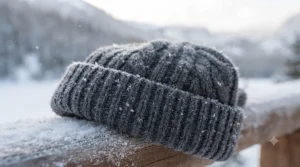
What is a heated beanie? It’s a knit or fleece-lined winter hat with a battery-powered heating element, usually positioned over the ears, that generates active warmth on top of the fabric’s natural insulation — typically producing 3 to 5 hours of usable heat per charge, depending on the setting. Losing body heat through an uncovered head in freezing wind is a real and well-documented risk; the CDC’s frostbite prevention guidance notes that frostbite most commonly affects extremities and exposed skin, and recommends covering vulnerable areas during extreme cold. That’s the practical case for battery heat at all: a hat that adds output instead of only slowing loss.
This guide breaks down seven real, currently available heated beanies and balaclavas spanning budget to premium, walks through when a heated model actually beats a traditional insulated one, and answers the questions people search for most — including whether a battery hat is even worth the money in the first place.
Quick Comparison Table: Heated Beanie vs Regular Beanie Winter
| Category | Warmth Source | Typical Runtime | Price Range | Best For |
|---|---|---|---|---|
| Battery Heated Beanie | Active heating element + fabric insulation | 3-7 hours per charge | $35-$100 | Extreme cold, long outdoor shifts |
| Heated Balaclava/Face Mask | Active heating (ears, neck, sometimes mouth) | 3-5 hours per charge | $50-$85 | Motorcycling, skiing, sub-zero commutes |
| Regular Insulated Beanie (wool/acrylic/fleece) | Passive insulation only | Unlimited (no battery) | $10-$50 | Everyday mild-to-moderate cold |
| Merino Wool Beanie | Passive insulation, moisture-wicking | Unlimited (no battery) | $20-$45 | Active use, variable temperatures |
Looking at the table, the deciding factor usually isn’t warmth in general — it’s warmth ceiling. A well-made insulated beanie handles most days above 20°F just fine, but once wind chill drags the “feels like” number well below that, passive fabric alone often can’t keep up, and that’s exactly the gap a heated beanie is built to close. Regular beanies win on simplicity and unlimited runtime, while heated models win when the cold outlasts your own body heat.
💬 Just one click — help others make better buying decisions too!😊
💬 Which style actually fits your winter — vote with a click and help other readers decide!😊
Top 7 Heated Beanies & Balaclavas: Expert Analysis
Below are seven real products currently sold, chosen to cover budget, mid-range, and premium tiers along with different coverage styles — classic beanie, face-covering balaclava, and app-controlled. Prices are approximate ranges only, since actual Amazon pricing shifts constantly; always check current pricing before buying.
1. Autocastle Rechargeable Electric Heated Skull Beanie — the classic budget pick
The Autocastle is the hat most people picture when they hear “heated beanie,” and there’s a reason it’s been a bestseller for years. It runs on a 7.4V 2200mAh lithium-polymer battery with three heat settings, and Autocastle’s own listing states it delivers up to 6-7 hours of runtime on the lowest setting, dropping to roughly 3-4 hours on high. That spread matters in practice: crank it to high for a quick five-minute warm-up, then drop to low for a whole afternoon of shoveling or dog-walking without draining the pack.
The shell is 100% acrylic with a polyester fleece lining, so the hat still provides real insulation even with the battery switched off — a detail worth knowing since not every heated hat holds up on its own. Based on the spec comparison with cheaper unbranded alternatives, this is the model that best balances price and reliability for someone who wants a “set it and forget it” heated beanie without researching for hours. Reviewers consistently note the heat comes on fast and focuses on the ears, and several outdoor-gear roundups single it out as one of the more dependable options in this price bracket, though a few buyers mention the included charger is a wall unit rather than USB, which is a minor inconvenience for travel. Autocastle also backs the 7.4V hats with a lifetime guarantee on the heating hardware, which is unusually generous for this price point.
Pros:
✅ Reaches usable heat within minutes of powering on
✅ Three heat settings for fine temperature control
✅ Backed by a lifetime guarantee on the heating unit
Cons:
❌ Charges via wall adapter, not USB
❌ Best hand-washed rather than tossed in the machine
Expect this one in the $40-$55 range at the time of research — for the battery life and brand track record, it’s a strong value pick for daily winter wear.
2. SVPRO Rechargeable Heated Beanie — most travel-friendly charging
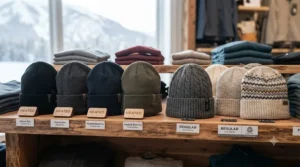
SVPRO’s heated beanie shares nearly identical internals with the Autocastle — a 7.4V 2200mAh Li-Po battery good for up to 7 hours on low — but the standout difference is charging: SVPRO explicitly ships with a USB charging cable, meaning you can top it off from a laptop, power bank, or car charger instead of hunting for a wall outlet. For anyone who wants a heated beanie with USB charging specifically for road trips, hunting cabins, or job sites without easy outlet access, that’s a meaningful practical upgrade over hats that only ship with proprietary AC chargers.
Construction-wise it’s the same formula that works across this category: acrylic outer shell, polyester fleece lining, and heating elements built into a small pocket near the ears. What most buyers overlook about this style of hat is that the fleece itself is doing real work even before the battery kicks in — SVPRO’s listing notes the fabric alone provides meaningful warmth, with the battery adding an extra layer on top rather than being the only thing standing between you and the cold. Reviewers describe it as straightforward to operate, with one common piece of feedback being that people appreciate being able to switch the heat off once they’re warmed up and let residual heat carry them the rest of the way, extending the effective time between charges.
Pros:
✅ USB charging works with power banks and car chargers
✅ Fleece lining insulates even with heat switched off
✅ Simple single-button interface with three settings
Cons:
❌ Battery pocket placement can feel slightly bulky to some wearers
❌ Not marketed as fully machine washable with battery removed in every listing
Price sits around $35-$50 depending on color and retailer — a genuine budget alternative with a real charging-convenience edge.
3. Gobi Heat Summit Heated Beanie — premium pick for serious cold
Gobi Heat built its name on heated apparel since 2016, and the Summit is its flagship beanie. Instead of the more common resistive-wire elements, it uses steel-fiber heating technology across two zones over the ears, powered by the same 7.4V 2200mAh battery class as the budget picks — but tuned differently. On paper this means higher peak temperatures: independent testing cites highs of roughly 113°F on low, 131°F on medium, and up to 140°F on the highest setting, which is meaningfully hotter than most competitors in this category.
That higher ceiling comes with a tradeoff in runtime — about 3.5 hours on high, 5.5 on medium, and 7.5 on low — which is honest, competitive math rather than an outlier. Here’s what to weigh: if you’re standing still in genuinely brutal cold (ice fishing, stadium tailgates, predawn hunting stands), the extra heat output on the Summit is the difference between tolerable and miserable, whereas milder winter walks won’t need that much firepower. The Summit is also fully machine washable and comes with a one-year warranty, both upgrades over several budget competitors that recommend hand-washing only. The tradeoff is price: this is consistently the most expensive beanie in the category, running close to double some budget alternatives.
Pros:
✅ Highest peak heat output tested among mainstream heated beanies
✅ Fully machine washable, unlike most budget competitors
✅ Backed by a one-year manufacturer warranty
Cons:
❌ Noticeably pricier than Autocastle or SVPRO
❌ Shorter high-setting runtime than some rivals (3.5 hours)
Expect a price range in the $70-$90 zone — a legitimate premium option if you spend real time stationary in serious cold rather than just commuting through it.
4. Gobi Heat Squall Heated Balaclava — best heated beanie with face mask coverage
For anyone specifically searching for a heated beanie with face mask coverage, a true balaclava design like the Squall solves a problem a standard beanie physically can’t: exposed cheeks, nose, and jaw in biting wind. The Squall uses composite fiber heating technology across four zones — both sides of the head, the back of the neck, and over the mouth — powered by a 5V 5,000mAh battery good for roughly 5 hours on low, 4 on medium, and 3 on high.
The design doubles as a hood, gaiter, half-mask, or full balaclava depending on how you wear it, which is a genuinely useful bit of transformation over a fixed-shape beanie. Based on the spec comparison, the mouth-zone heating is the differentiator here — most heated headwear stops at the ears, but Squall’s fourth zone targets the area that gets coldest fastest on a motorcycle or a chairlift. It’s made from polar fleece that’s moisture-wicking, and Gobi Heat notes it’s machine washable once the battery pack is removed, which matters because balaclavas trap more breath moisture than open beanies and need regular washing more than most heated hats do.
Pros:
✅ Four heating zones including the mouth area, not just ears
✅ Doubles as hood, gaiter, half-mask, or full balaclava
✅ Machine washable with the battery pack removed
Cons:
❌ Full-face coverage feels excessive for casual daily errands
❌ Shortest high-setting runtime of the group at roughly 3 hours
Typically priced around $60-$80 — worth it specifically for motorcyclists, skiers, and anyone whose commute involves sustained wind directly on the face.
5. ActionHeat 5V Battery Heated Fleece Balaclava — budget face-mask alternative
ActionHeat is a US-based, family-owned heated-apparel company, and its 5V balaclava is a lower-cost entry into face-covering heated headwear than the Squall above. It runs carbon-fiber heating panels on both ears with three settings: high hits roughly 130°F for 1.5+ hours, medium runs about 110°F for 2.5+ hours, and low holds around 90°F for 4.5+ hours — powered by a compact 3,000mAh 5V power bank.
What most buyers overlook about this one is the “Ghost Mode” feature: the indicator light can be switched off entirely, which sounds cosmetic but is genuinely useful for anyone who doesn’t want a glowing red or blue dot visible under a helmet visor or in low-light hunting situations. The fleece construction is versatile enough to wear as a full balaclava, a hood, or folded down into a scarf, which stretches its usefulness beyond just cold-weather headwear. Reviewers consistently note that the ear-zone heating is the strongest part of the design, while coverage elsewhere relies more on the fleece itself than active heat — an honest tradeoff for the lower price versus the four-zone Squall.
Pros:
✅ “Ghost Mode” disables the indicator light for stealth wear
✅ Converts between balaclava, hood, and scarf styles
✅ Backed by a US-based, family-run heated-apparel company
Cons:
❌ Only ear zones actively heat; face/neck rely on fleece alone
❌ Shortest runtime on high of any pick here, at about 1.5 hours
Price generally lands in the $50-$65 range, making it a reasonable middle ground between a basic heated beanie and the pricier four-zone Squall.
6. Fieldsheer Mobile Warming Heated Cable Knit Beanie — best heated beanie with phone control
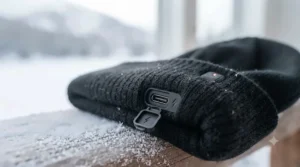
If you specifically want a heated beanie with phone control, this is the one real, verifiable option in the category right now. It uses Mobile Warming’s MW Connect Bluetooth technology, letting you adjust heat levels and monitor battery life from an iOS or Android app instead of fumbling with a physical button through gloves. The heating system runs at 7.4V over both ears, powered by a 2,000mAh battery rated for up to 8 hours on a charge — genuinely long runtime for a beanie in this class.
Here’s what the spec sheet won’t tell you outright: app control isn’t just a gimmick here, it’s a real usability upgrade in cold weather, since dialing in a precise heat level with numb fingers on a tiny physical button is legitimately annoying, and the app sidesteps that entirely. The knit is a classic cable-stitch design rather than the sportier fleece look of most heated beanies, so it reads more like a normal fashion beanie that happens to be warm — useful if you don’t want to look like you’re wearing “tech gear.” It also includes Waterpell water-resistant coating and an anti-odor liner, both nice touches for repeated winter use.
Pros:
✅ Full Bluetooth app control of heat level and battery status
✅ Longest single-charge runtime among true beanies tested, up to 8 hours
✅ Classic cable-knit look doesn’t scream “heated gadget”
Cons:
❌ Premium price reflects the added Bluetooth hardware
❌ App dependency means a dead phone limits fine-tuning (physical button still works for basic on/off)
This one commands a premium price, typically in the $70-$100 range — justified mainly by the app control and above-average battery life rather than raw peak heat.
7. FNDN Heated Knit Beanie — most stylish mid-range option
FNDN is a smaller direct-to-consumer brand, and its Heated Knit Beanie leans harder into looking like a normal beanie than most competitors on this list. It runs on a lightweight 3,350mAh rechargeable battery (FNDN calls it the “BEGO” battery) with three adjustable heat levels — high, medium, low — and up to 6 hours of runtime depending on setting and conditions.
Reviewers consistently report that the medium/low settings comfortably outlast 6 hours in practice, while the high setting demands noticeably more power and drains closer to 4 hours — an honest real-world gap between marketed and lived battery life that’s worth setting expectations around before buying. Based on aggregated buyer feedback, people specifically call out the fit and appearance as standout strengths: the acrylic-and-polyester knit sits close to the head rather than looking bulky, which matters if you’re wearing it to work rather than just on a ski trip. One recurring nuance in reviews is that the unit can auto-step-down from high to medium after continuous use, apparently to protect the battery, so if you specifically want sustained maximum heat you may need to reselect the high setting periodically rather than assuming it stays locked in.
Pros:
✅ Compact, low-profile knit fit that doesn’t look “techy”
✅ Three adjustable heat levels for flexible warmth
✅ Sold directly by a small brand with responsive support, per buyer reports
Cons:
❌ Full battery charge reportedly takes longer than 6 hours
❌ High setting can auto-step-down to medium during extended use
Price typically runs $45-$60 — a solid mid-tier choice if fit and everyday appearance matter as much as raw heat output to you.
Top 7 Heated Beanies: Specs at a Glance
| Product | Battery/Runtime | Heat Settings | Price Range | Best For |
|---|---|---|---|---|
| Autocastle Skull Beanie | 7.4V 2200mAh, up to 7 hrs | 3 | $40-$55 | Everyday reliable warmth |
| SVPRO Heated Beanie | 7.4V 2200mAh, up to 7 hrs | 3 | $35-$50 | USB/travel charging |
| Gobi Heat Summit | 7.4V 2200mAh, up to 7.5 hrs | 3 | $70-$90 | Extreme, stationary cold |
| Gobi Heat Squall Balaclava | 5V 5000mAh, up to 5 hrs | 3 | $60-$80 | Face/mouth coverage |
| ActionHeat 5V Balaclava | 5V 3000mAh, up to 4.5 hrs | 3 | $50-$65 | Budget face coverage |
| Fieldsheer Mobile Warming | 7.4V 2000mAh, up to 8 hrs | App-controlled | $70-$100 | Bluetooth/app control |
| FNDN Heated Knit Beanie | ~3350mAh, up to 6 hrs | 3 | $45-$60 | Style-conscious daily wear |
The spread above makes the tradeoffs obvious once you line them up: runtime and peak heat move in opposite directions across nearly every model, and the balaclavas trade beanie-level battery life for coverage the ear-only designs simply can’t match. If your priority is set-and-forget daily warmth, Autocastle or SVPRO cover it for the least money; if your priority is control and interface, the Fieldsheer is the only real app-controlled option here.
✨ Ready to stop losing heat through your head this winter? Compare current prices on today’s picks now.
Heated Beanie vs Regular Beanie Winter: What Actually Changes
The electric vs insulated hat question comes down to three variables: heat ceiling, cost of ownership, and maintenance effort. A regular insulated beanie — wool, acrylic, or fleece — has no ceiling problem in the sense that it never runs out of charge, but it also has a hard physical limit: it can only slow heat loss, never add heat back. Once wind chill drops far enough, no amount of passive insulation fully compensates, which is exactly the gap active heating closes.
Heated Beanie vs Insulated Beanie: Feature Comparison
| Factor | Heated Beanie | Insulated Beanie |
|---|---|---|
| Warmth ceiling | Adds active heat on top of insulation | Passive only, fixed ceiling |
| Upfront cost | $35-$100 | $10-$50 |
| Ongoing cost | Battery replacement every 1-3 years | None |
| Maintenance | Battery removal before washing | Fully machine washable |
| Weight/bulk | Slightly heavier, battery pocket | Lightest option |
Reading the table, cost is really two separate questions in disguise: sticker price and total cost of ownership. A $15 wool beanie beats a $50 heated one on day-one price every time, but if you’re standing outside for an hour or more in single-digit temperatures multiple times a week, the heated model’s active output does something the wool hat structurally cannot, regardless of how tightly it’s knitted. Where most buyers overlook the real tradeoff is maintenance: heated beanies require you to remember the battery before every wash, while a regular beanie goes straight in with the rest of the laundry.

Practical Usage Guide: Setup, Charging & Washing
Getting a washable heated beanie to actually last starts before you ever wear it. Charge the battery fully — most units need 4 to 12 hours the very first time, per manufacturer instructions — before first use, since a partial initial charge can make the battery report inaccurate remaining capacity later on. Once connected, run the highest setting for the first 5-15 minutes to reach target temperature quickly, then drop to medium or low for extended wear; this preheat-then-taper pattern is standard across nearly every brand in this category and meaningfully extends runtime per charge.
For washing, the rule is nearly universal: remove the battery pack and tuck the connector cable into its pocket before the hat goes near water. Most heated beanies, including Autocastle and Gobi Heat’s Summit, are listed as machine washable once the battery is out, though a cold, gentle cycle in a mesh laundry bag is the safer default regardless of what the label promises. Air dry rather than tumble dry — heat from a dryer can degrade the internal wiring’s insulation over years of repeated cycles even if a single wash won’t cause visible damage.
Common first-30-days mistakes: leaving the battery connected during storage (which slowly drains it even when the hat is off), never fully draining the battery before long-term storage (partial charge is actually better for lithium cell longevity than storing it full), and running high heat continuously instead of using it as a quick warm-up burst. Small adjustments here add real months of battery life.
Real-World Scenarios: Who Actually Needs One
The dog walker. Fifteen to twenty-five minutes outside, multiple times a day, in genuinely cold morning air. A budget pick like the Autocastle or SVPRO on low setting comfortably covers this — you don’t need peak heat, you need reliable, repeatable warmth that survives daily use without babying the battery.
The motorcyclist or skier. Sustained wind directly on exposed skin changes the math entirely. A balaclava-style option like the Gobi Heat Squall or ActionHeat addresses the face and neck that a standard beanie leaves exposed, and helmet compatibility becomes a real selection factor, not an afterthought.
The stationary outdoor worker or hunter. Standing still in the cold for hours is the hardest scenario for any hat, heated or not, because there’s no movement generating body heat to supplement. This is where the Gobi Heat Summit’s higher peak temperature earns its premium price — the extra heat output matters most exactly when you’re not moving.
The budget-conscious daily commuter. Someone walking ten minutes to a train platform in moderate cold may genuinely be better served by a quality wool or fleece beanie under $30 than by a heated model they’ll rarely need on full power. This scenario matters as much as the others, since not every winter routine justifies the extra cost and charging responsibility of a battery hat.
Is a Battery Hat Worth It? Cost & Value Breakdown
Battery hat worth it questions almost always reduce to frequency and severity of cold exposure. Here’s what to weigh: a $45 heated beanie used daily through a genuinely cold four-month winter works out to roughly $0.35-$0.40 per day of use, assuming a two-year working lifespan for the battery — cheaper per use than a daily coffee, and arguably delivering more consistent value if it meaningfully reduces how miserable your commute feels.
Price Range & Value Analysis
| Usage Pattern | Recommended Tier | Approx. Cost Per Winter |
|---|---|---|
| Occasional (few times/month) | Regular insulated beanie | $0-$15 (one-time) |
| Regular daily commute, moderate cold | Budget heated beanie | $15-$25/season |
| Extended stationary exposure | Premium heated beanie/balaclava | $25-$45/season |
| Multi-year, heavy use | Premium model + spare battery | $35-$55/season |
The math above interprets fairly cleanly: heated headwear value scales with how brutal and how frequent your cold exposure actually is, not with how much you’d simply like to be warmer in the abstract. If you’re only outside briefly a few times a week, the ongoing cost of batteries and the maintenance hassle likely outweigh the benefit versus just buying a genuinely good wool beanie. If you’re outside for real stretches in real cold multiple times weekly, the per-use cost of a heated model drops fast enough that it’s a reasonable line item in a winter gear budget, not a luxury purchase.
How to Choose a Heated Beanie: 7 Buying Criteria
- Match runtime to actual exposure time. If you’re outside 30 minutes at a stretch, a 3-hour high-setting battery is plenty; longer exposure needs a model rated for 6+ hours on low.
- Check coverage area against your activity. Ear-only heating suits walking and errands; face and neck coverage matters for motorcycling, skiing, or genuinely severe wind chill.
- Confirm the charging method fits your routine. USB charging (like SVPRO) travels better than proprietary wall chargers if you’re away from outlets often.
- Weigh app control against simplicity. Bluetooth control like Fieldsheer’s is genuinely convenient with gloves on, but it’s an added point of failure if your phone dies.
- Look at washability specifics, not just the word “washable.” Battery-removable, machine-washable designs age better than hand-wash-only models over a full season of use.
- Consider your local wind chill severity, not just air temperature. The National Weather Service’s cold weather safety guidance notes hypothermia and cold injury risk rises sharply as wind chill drops, particularly below -50°F, making wind exposure as important as the thermometer reading when deciding how much active heat you actually need.
- Compare warranty length as a proxy for build confidence. A one-year warranty (Gobi Heat) signals more manufacturer confidence than models with no stated warranty at all.
✨ Don’t Miss These Exclusive Deals!
🔍 Take your winter gear to the next level with these carefully selected heated beanies. Click on any highlighted pick to check current pricing and availability. These picks will help you build a genuinely warmer, more comfortable winter.
Heated Beanie with Face Mask or Ear Flaps: Coverage Styles Explained
Two of the most-searched variations deserve an honest, direct answer rather than marketing spin. A heated beanie with face mask coverage is really a balaclava wearing a beanie’s marketing label — models like the Gobi Heat Squall or ActionHeat balaclava extend heating zones down over the neck and sometimes the mouth area, genuinely useful for motorcycling or skiing where wind hits the whole face, not just the scalp.
A heated beanie with ear flaps is a slightly different story worth being upfront about: most heated beanies on the market don’t use a literal flap-style trapper design. Instead, they build heating elements directly into fixed fabric zones positioned over the ears — functionally similar to what ear flaps accomplish, but sewn into the hat rather than hanging as separate pieces. If you’re picturing a Russian-style ushanka with heated flaps that fold down and snap under the chin, that specific combination is genuinely rare in this category right now; what you’ll actually find is ear-zone heating built into a snug knit or fleece shell, which achieves a similar warming effect without the bulkier flap silhouette.

Waterproof vs Water-Resistant Heated Beanies: What the Label Really Means
Here’s an area where honesty matters more than a sales pitch: a genuinely waterproof heated beanie — one that survives sustained rain or snowmelt soaking through without risk to the electronics — is uncommon in this category. Most heated beanies, including every model reviewed above, are best described as water-resistant at most: they’ll shrug off light snow, brief drizzle, and typical winter humidity, but they aren’t rated or built for submersion or prolonged downpour exposure, and lithium battery packs generally shouldn’t get soaked regardless of what a listing implies.
The Fieldsheer Mobile Warming beanie’s Waterpell coating is one of the stronger water-resistance claims in this lineup, but even that is a resistance barrier, not a waterproofing guarantee. What most buyers overlook is that battery removal before any heavy weather exposure — not just before washing — is genuinely good practice; if you know you’re heading into sustained wet snow, treat the electronics as something to protect rather than something rated to survive it. For dependable performance in wet conditions, prioritizing a windproof, tightly woven shell alongside light water resistance is a more realistic goal than chasing a “fully waterproof” claim that few products in this space can actually back up.
Common Mistakes When Buying a Heated Beanie
The most frequent mistake is buying based on peak temperature numbers alone without checking runtime at that setting — a hat that claims 140°F but only holds it for 90 minutes may disappoint someone expecting all-day heat. A second common error is skipping the sizing check; most heated beanies run one-size-fits-most with stretch fabric, but heating elements sitting in the wrong spot over ears that are slightly too far forward or back reduces effectiveness noticeably. Third, buyers frequently ignore charging method compatibility until it’s too late — discovering a proprietary wall charger doesn’t travel well is a frustrating post-purchase surprise. Fourth, running heat continuously at the highest setting for hours is both a battery-life mistake and a genuine safety consideration; sustained high heat against skin risks discomfort or irritation over time, and the CDC’s occupational cold-stress guidance notes that skin exposed to prolonged cold-weather conditions is more vulnerable to injury generally, underscoring why moderating heat exposure thoughtfully — rather than maximizing it constantly — is the safer long-term habit. Finally, some buyers skip reading washing instructions entirely and machine-wash a hat with the battery still connected, which can damage the unit outright.
Long-Term Cost & Maintenance: Battery Life, Replacement Parts
Lithium-ion and lithium-polymer battery packs in heated beanies typically hold meaningful capacity for 300-500 full charge cycles before noticeably degrading — roughly translating to two to three full winters of regular use before a replacement battery becomes worth considering. Most brands, including Autocastle, SVPRO, and Gobi Heat, sell standalone replacement batteries separately, usually priced well below the cost of a whole new hat, which meaningfully extends the useful life of an otherwise still-functional beanie.
Storage matters more than most buyers realize: leaving a lithium battery fully charged in a hot closet or fully drained in a cold garage both accelerate capacity loss over time. The better habit — storing at roughly 40-60% charge in a moderate-temperature space during the off-season — is a small effort that measurably extends total lifespan. Total cost of ownership across three winters, factoring in one replacement battery, typically lands between $55 and $130 depending on the tier chosen, still competitive against buying multiple disposable regular beanies over the same span if warmth performance is the priority.
Safety, Battery Regulations & Travel Rules
Anyone planning to travel with a heated beanie should know the lithium battery rules before packing. Per FAA guidance on lithium batteries in baggage, devices containing lithium metal or lithium-ion batteries should be kept in accessible carry-on baggage, and spare uninstalled batteries must be carried with the passenger in carry-on baggage rather than checked. In practice, that means the beanie itself can typically go in checked or carry-on luggage, but the detachable battery pack should stay in your carry-on, protected from short-circuiting, per the requirement that battery terminals be protected by original packaging or covered with tape and placed in separate bags. Every heated beanie reviewed here uses batteries well under the 100Wh threshold that triggers additional airline approval requirements, so tavel restrictions are rarely a practical obstacle — just remember to pack the battery accessibly rather than buried in checked baggage.
On general safety, avoid extended continuous use on the highest setting directly against skin, don’t use heated headwear while sleeping, and never use one on children without close supervision given the added heat source near a developing scalp. If you have a condition affecting circulation or skin sensitivity, check with a healthcare provider before regular use of any heated apparel.
Features That Actually Matter (And Those That Don’t)
Actually matters: runtime at your realistic usage setting (not just the marketed maximum), battery removability for safe washing, and charging method compatibility with your routine. These three determine whether a heated beanie fits into daily life or becomes a drawer item after three uses.
Doesn’t matter nearly as much as marketing suggests: an extra half-degree of peak temperature between competing models (the practical difference between 130°F and 140°F on skin covered by fabric is small), flashy indicator lights beyond basic battery status, and claimed “infrared” or “far-infrared” technology, which in heated apparel largely functions the same as standard resistive or carbon-fiber heating elements from a user-experience standpoint despite the more technical-sounding name.
Buyer’s Decision Framework
If you’re outside briefly and infrequently in moderate cold, choose a regular insulated beanie, because the ongoing cost and maintenance of a battery hat won’t be justified by how little you’d actually use the heat.
If you commute daily through genuinely cold mornings but don’t need face coverage, choose a budget heated beanie like Autocastle or SVPRO, because the ear-zone heat addresses the specific discomfort of a standard commute without overpaying for features you won’t use.
If you’re stationary outdoors for extended periods — hunting, ice fishing, tailgating — choose a higher peak-heat model like the Gobi Heat Summit, because sustained stillness in cold air is the scenario where extra output earns its price.
If wind hits your whole face directly, as with motorcycling or skiing, choose a heated balaclava like the Squall or ActionHeat, because ear-only heating leaves the exact areas that suffer most in that scenario uncovered.
Frequently Asked Questions
❓ Is a heated beanie better than a regular beanie in winter?
❓ How long does a heated beanie battery last per charge?
❓ Can you machine wash a heated beanie?
❓ Are heated beanies safe to wear for hours at a time?
❓ Is a heated beanie worth the extra cost over a regular one?
Conclusion
The heated beanie vs regular beanie winter decision isn’t really about which product is objectively better — it’s about matching the tool to how cold your actual winter gets and how long you’re standing in it. A well-made insulated beanie remains the simpler, cheaper, maintenance-free choice for moderate cold and short exposure. A heated beanie earns its price when the wind chill genuinely outpaces what fabric alone can hold back, whether that’s a stationary hunting blind, a motorcycle commute, or a driveway that needs shoveling every single morning through January.
Among the seven picks here, the Autocastle and SVPRO cover most people’s daily needs affordably, the Gobi Heat Summit and Squall handle the genuinely brutal end of winter, the ActionHeat balaclava offers a budget face-covering option, the Fieldsheer brings real app-control convenience, and the FNDN keeps things stylish for everyday wear. Whichever direction you go, prioritize realistic runtime over flashy peak-temperature numbers, and always check the battery-removal and washing instructions before your first wash cycle.
Recommended for You
- 7 Best Heated Beanies for Construction Workers in 2026
- Heated Beanie for Seniors: 7 Best Picks for Lasting Warmth in 2026
- 7 Best Heated Beanies for Skiing in 2026
Disclaimer: This article contains affiliate links. As an Amazon Associate, I earn from qualifying purchases. If you purchase products through these links, we may earn a small commission at no additional cost to you.
✨ Found this helpful? Share it with your friends! 💬🤗
