

In This Article
A heated dog jacket is a dog coat with built-in heating elements, usually thin carbon-fiber panels, powered by a rechargeable battery or a USB power bank. Instead of only trapping the warmth your dog already makes, it adds gentle, adjustable heat across the shoulders and back, so short walks and frosty mornings stay comfortable.
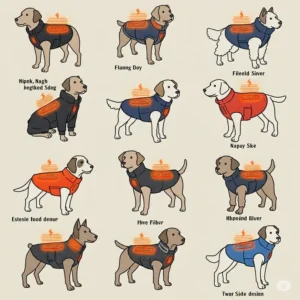
Does your dog actually need one? Sometimes. According to PetMD’s veterinary guidance, cold isn’t a problem for most dogs until the temperature falls below 45°F. Under 32°F, small breeds, thin-coated dogs, and very young, old, or sick dogs can be in real danger if they stay out too long. Whippets, greyhounds, French bulldogs, and senior dogs with thinning coats all land in that second group.
That’s where a heated dog coat earns its keep. A regular winter jacket is a thermos: it holds in whatever warmth is already there. A heated dog jacket is a thermos with a tiny furnace, which is a big difference at 20°F with the wind howling down your street.
The category is also messy. Some models ship with a battery. Others make you bring your own power bank. One option is completely non-electric. Build quality and sizing vary a lot.
A quick transparency note: this guide is built from manufacturer specs, published expert reviews, and aggregated reviewer sentiment. I haven’t strapped any of these onto a dog myself, so you won’t find invented “testing stories” here. You’ll get careful analysis of what the data says, what it means on a cold sidewalk, and where the information has gaps.
Prices appear as ranges only. Check current prices before you buy.
Heated Dog Jacket Comparison: 7 Top Picks Side by Side
| Product | Power Source | Heat Setup | Best For |
|---|---|---|---|
| ORORO Koldpwoof Heated Dog Vest | Included rechargeable battery | 4 zones across shoulders and back | Daily cold-weather walkers |
| ORORO Snøwoof 3-Zone Puffer Vest | Rechargeable battery (verify what’s included) | 3 zones on back and upper back | Lightweight layered warmth |
| MYI Winter Heated Dog Coat | Your own USB power bank | 3 temperature settings | Budget-conscious shoppers |
| NozlaID Climate-Control Vest | Included 10,000mAh battery | Heating and cooling modes | Pullers and year-round use |
| Kozy Coat Glacier Platinum | Included 3,200mAh battery | 5 zones plus wireless remote | Owners who want remote heat control |
| Stay Warm Apparel 5V Heated Dog Vest | Included rechargeable battery | 5V electric heating, zone details not published | Bargain hunters who accept some risk |
| TechNiche HeatPax Warming Jacket | Air-activated heat packs | No electronics | Short outings, zero charging |
Looking at the table, the first five jackets split along one line: do you want a battery in the box, or do you want to supply your own? The MYI Winter Heated Dog Coat is the cheapest way into a USB heated dog coat, but it only works if you already own a decent power bank. The ORORO Koldpwoof is the grab-and-go choice. The NozlaID Climate-Control Vest is the only option here that cools as well as heats, so it makes sense for owners who want one vest all year.
Two outliers deserve a flag. The TechNiche HeatPax Warming Jacket skips electronics entirely, which sidesteps charging but limits you to disposable heat packs. The Stay Warm Apparel 5V Heated Dog Vest is tempting on price, but its independent review trail is thin.
💬 Just one click — help others make better buying decisions too!😊
Top 7 Heated Dog Jacket Picks: Expert Analysis
1. ORORO Koldpwoof Heated Dog Vest — four zones with automatic heat step-down
The smartest feature of the ORORO Koldpwoof isn’t the heat itself. It’s the restraint. According to the maker, the vest steps down from high to low after 15 minutes. That matters because your dog can’t unzip the thing when it gets toasty.
Four carbon-fiber zones sit across the shoulders and upper back, where large muscle groups lose heat first. Dogster’s review reports up to about 9.5 hours on low and 5 on high from the rechargeable 7.4V battery. Other roundups saw shorter high-setting runtimes, closer to two hours, so expect variation by battery version and weather. The Oxford shell is windproof and water resistant, which handles light snow but not a sustained downpour.
Based on the spec comparison, this is the pick for owners who want a battery in the box and a brand with a long heated-apparel track record. It’s less ideal for very deep-chested dogs that need precise tailoring.
Reviewer sentiment leans positive with caveats. Dogster scored it 4.4 out of 5 and praised the reflective stitching and LED light. Another independent roundup found the high setting warm but milder than the marketing suggests, and flagged inconsistent sizing. A recurring gripe is that the vest can twist as dogs move.
Pros:
- ✅ Battery, cable, and LED light included
- ✅ Automatic high-to-low heat step-down
- ✅ Windproof, water-resistant Oxford shell
Cons:
- ❌ Sizing reports are inconsistent between reviewers
- ❌ Vest can twist during active movement
Expect the $100-$130 range. For daily sub-freezing walkers it’s reasonable value, but check current price.
2. ORORO Snøwoof 3-Zone Puffer Vest — lightest option with puffer insulation
The ORORO Snøwoof pairs puffer-style insulation with carbon-fiber heating, which gives you a safety net: even with the battery dead, the insulation still works as a coat.
Three heated zones cover the left and right back and the upper back. The maker lists the vest at under five ounces, a notable weight for a heated garment. On paper, that means a small or mid-sized dog barely registers it, and it layers easily under a rain shell. The trade-off is coverage. Like most heated vests, it warms the back and leaves the chest and belly to insulation alone.
Here’s what to weigh: this suits small-to-medium dogs on short winter outings, or a dog that resents bulky gear. Owners of large, active dogs may prefer more robust shells.
Review data is the weak spot. I couldn’t find enough independent, verifiable reviews of this specific model to summarize sentiment, so treat it as the least-proven pick of the five electric options. The brand’s wider heated-apparel reputation helps, but it’s not the same as model-level evidence.
Pros:
- ✅ Very light for a heated garment
- ✅ Puffer insulation still warms with power off
- ✅ Three back-focused heating zones
Cons:
- ❌ Few independent reviews for this exact model
- ❌ Back-only heat leaves belly and chest exposed
Expect roughly $100-$130. It’s fair value for a light, layering-friendly vest, though you’re paying a little for the brand. Verify the battery contents in the listing.
3. MYI Winter Heated Dog Coat — best budget entry with USB power
The MYI Winter Heated Dog Coat takes the opposite approach from a proprietary-battery vest: it plugs into a USB power bank you may already own. That single decision is why it’s the budget leader.
Reviewers measured three settings at roughly 104°F, 122°F, and 131°F. The coat itself weighs about 5.3 ounces in size large, with a cotton midlayer and fleece lining. One reviewer ran it more than five hours on medium from a 10,000mAh power bank, and recommends a bank with at least 2A output. In practice, tucking the bank into the inner pocket centers the weight along your dog’s back instead of letting it swing sideways.
My read: it’s perfect for owners testing whether heat helps their dog before investing in a premium model. It’s less perfect if you want a sealed, windproof shell. The cotton-and-fleece build is cozy but not a storm jacket.
Sentiment is positive. Reviewers report washing it ten or more times with no loss of heat. They also report that it runs small and that the heating-element connection can be finicky.
Pros:
- ✅ Three adjustable heat settings
- ✅ Works with most USB power banks
- ✅ Machine washable with the bank removed
Cons:
- ❌ Power bank not included, so factor in that cost
- ❌ Runs small; size up for in-between dogs
Budget tier, so check current price. Add roughly $15-$30 if you need a power bank. It’s strong value for the money.
4. NozlaID Climate-Control Vest — heating and cooling in one harness-style vest
The NozlaID Climate-Control Vest is the multitasker. A detachable thermal module lets it heat at roughly 113-122°F or cool, which puts it in a different category from the other six.
The included 10,000mAh battery delivers about three to five hours of continuous use. The Oxford exterior and ice-silk lining are paired with a padded chest plate and ABS buckles rated above 110 pounds of pulling force. Translation: it doubles as a harness-style vest. Reviewers with strong pullers reported less tugging, which makes sense, since a padded chest plate spreads pressure that a collar concentrates on the neck.
The honest analysis: this is for owners who want one garment across seasons and who walk dogs that pull. The adjustable chest range is about 18-28 inches, so measure first. It’s priced at the top of this group, so casual users may find it overbuilt.
Reviewer sentiment is generally positive, and one roundup cites a 4.6-star average from over 5,600 reviews. Complaints include a battery compartment that may not hold the pack securely and sizing that runs large. A suggested fix is adding foam or hook-and-loop to the pocket.
Pros:
- ✅ Heats and cools with one detachable module
- ✅ 10,000mAh battery included
- ✅ Padded harness-style chest plate
Cons:
- ❌ Most expensive of this group
- ❌ Battery pocket may not grip securely
Premium tier, so check current price. It’s worth it only if you’ll use both modes.
5. Kozy Coat Glacier Platinum — five zones with a wireless remote
The Kozy Coat Glacier Platinum is the control-freak’s coat. Five heating zones, a lithium battery and charger in the package, and a wireless remote so you can adjust heat without fumbling around your dog.
The maker lists a 3,200mAh battery. Its Glacier Gold sibling has three zones, while the Platinum steps up to five. Run time and temperature settings aren’t published on the page I reviewed. If it’s truly a 3,200mAh pack, expect noticeably shorter run times than a 10,000mAh bank on comparable heating loads. Confirm run time with the maker before you commit.
On paper, the remote is the headline. On a dark January walk with a leash in one hand and a flashlight in the other, adjusting heat from your pocket beats unbuttoning a jacket. Owners of dogs that squirm will appreciate this.
I couldn’t verify meaningful independent reviews for this model, so I won’t characterize sentiment. What the spec sheet won’t tell you is real-world durability, so read current buyer feedback closely. It’s sold mainly through the maker’s own site, so check whether it’s available on Amazon.
Pros:
- ✅ Five heating zones for broader coverage
- ✅ Wireless remote for easy adjustments
- ✅ Battery and charger included
Cons:
- ❌ Run time and temperatures not published
- ❌ Limited independent review data
Roughly $90-$160 depending on promotions. Good value if the remote matters, but verify run time first.

6. Stay Warm Apparel 5V Heated Dog Vest — cheapest rechargeable gamble
The Stay Warm Apparel 5V Heated Dog Vest shows up on deal sites with a rated battery life around six hours and a four-hour charge time. Listings describe a waterproof, machine-washable vest with a battery and cable included.
A 5V system is standard for USB-style heating, so on paper it’s a straightforward design. A dual-port power bank in the package can also charge a phone, which is a nice touch on long hikes. What’s missing is detail: heat zones and temperature settings aren’t clearly published.
The warranty is a 30-day manufacturer coverage, far shorter than the one-year battery coverage on the ORORO Koldpwoof. For a battery-powered garment, that’s a meaningful gap.
Review evidence is thin. I found only a handful of buyer comments, including one report that the power button stopped responding after an initial color self-test. One complaint isn’t a verdict, but with so little data it’s a flag.
Who is it for? Shoppers who want the lowest possible entry price and accept risk. If your dog will wear it daily in harsh weather, a model with a longer warranty may be smarter.
Pros:
- ✅ Battery, cable, and instructions included
- ✅ Machine washable and waterproof per listings
- ✅ Often discounted below its list value
Cons:
- ❌ Very short 30-day warranty window
- ❌ Sparse reviews, including a power-button failure report
Pricing swings widely, roughly $30-$120 depending on seller and promotion. It’s good value only if the price is truly low.
7. TechNiche HeatPax Warming Jacket — air-activated warmth with no charging
The TechNiche HeatPax Warming Jacket is the retro option. Instead of a battery, it uses air-activated heat packs, with a polyester barrier shell that repels wind, rain, and snow.
No cord, no charger, no electronics to fail. That’s a real advantage for owners who dread another device to charge, and for anyone anxious about wires near a chewing dog. It also means no complicated safety interplay between battery and elements.
The trade-offs are predictable. Heat packs are disposable, so running costs creep up with frequent use. Heat duration depends on the pack, so follow the packaging for placement and time, and never put a pack directly against skin. You also can’t adjust the temperature the way you can with a switch.
Here’s the analysis: it’s ideal for occasional cold snaps, travel, or a “just in case” jacket in the trunk. For daily January commuters, an electric model will likely cost less over time. I couldn’t verify detailed independent reviews, so treat performance claims cautiously.
Pros:
- ✅ No battery or charging needed
- ✅ Wind, rain, and snow-repellent shell
- ✅ Lowest upfront cost in this guide
Cons:
- ❌ Disposable packs add recurring cost
- ❌ No adjustable temperature control
Around the $20-$30 range, so check current price. It’s a bargain for occasional use.
Top 7 Heated Dog Jacket Specs, Price Ranges, and Review Sentiment
| Product | Published Run Time | Price Range | Review Sentiment | Best For |
|---|---|---|---|---|
| ORORO Koldpwoof | ~5 hrs high / ~9.5 hrs low (varies) | $100-$130 | Positive with sizing caveats | Everyday cold walks |
| ORORO Snøwoof | Not published in sources reviewed | $100-$130 | Few independent reviews | Light layering |
| MYI Winter Heated Dog Coat | 5+ hrs medium with 10,000mAh bank | Budget tier | Positive | Value seekers |
| NozlaID Climate-Control Vest | 3-5 hrs | Premium tier | Generally positive | Active, pulling dogs |
| Kozy Coat Glacier Platinum | Not published | $90-$160 | Limited data | Remote-control fans |
| Stay Warm Apparel 5V Heated Dog Vest | ~6 hrs rated | $30-$120 | Thin, with one failure report | Risk-tolerant bargain hunters |
| TechNiche HeatPax Warming Jacket | Depends on disposable pack | $20-$30 | Not verified | Occasional outings |
Look at run time and review depth together. The ORORO Koldpwoof and MYI Winter Heated Dog Coat have the most usable public data, which makes them lower-risk. The Kozy Coat Glacier Platinum and ORORO Snøwoof may be excellent, but you’re buying with less evidence. If budget is the only filter, the TechNiche HeatPax Warming Jacket wins on upfront cost, while the NozlaID Climate-Control Vest justifies its premium only for owners who’ll use both modes.
How to Set Up and Use a Heated Dog Jacket: Your First 30 Days
Most heated dog coat problems come from setup, not hardware. Here’s the sequence that avoids the usual pitfalls.
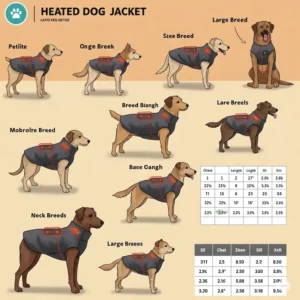
Week one: measure and test. Measure the base of the neck, the chest circumference just behind the front legs, and the length from neck base to tail base. Dogster’s ORORO review recommends exactly these three measurements. When in doubt between sizes, prioritize chest fit, because that’s where a heated vest either works or twists.
Charge the battery fully before first use. Then do a ten-minute indoor trial on low heat while you watch your dog. Check the coat under the jacket by hand after ten minutes. It should feel pleasantly warm, never hot.
Week two: start outside. Keep early outings short and begin on the lowest setting. Veterinary guidance reported by CBS News stresses that there’s no single temperature that fits every dog, so watch behavior. Shivering, slowing down, or lifting paws means your dog needs more help.
Weeks three and four: optimize. Layer the jacket correctly, keep cords tucked, and carry a spare power bank for long hikes. Remove batteries before washing every time.
Common first-month mistakes:
- Sizing too loose, so the heating panels shift off target
- Starting on high instead of low
- Ignoring chewing near cords
- Leaving batteries uncharged for months, since the ORORO guidance recommends recharging at least every three months
✨ Don’t Miss These Exclusive Deals!
🔍 Take your winter walks to the next level with these carefully selected jackets. Click on any highlighted item to check current pricing and availability. These picks will help you create cozy, confident outings your dog will love!
Real-World Scenarios: Which Heated Dog Jacket Fits Your Life?
Scenario 1: The city commuter. You walk a 40-pound short-coated mix three times daily through a harsh Midwest winter, mostly on pavement. You want something you can strap on and forget. The ORORO Koldpwoof fits this profile: a battery in the box, a windproof shell, and an automatic high-to-low step-down. Frequency of use is high, so the roughly $100-$130 spend breaks down to a small cost per walk.
Scenario 2: The budget-minded owner with an older dog. Your senior retriever stiffens in cold weather but you’re unsure if heat helps. Start with the MYI Winter Heated Dog Coat on its lowest setting, powered by a power bank you already own. Because sensitivity can rise with age and health conditions, I’d run this plan past your veterinarian first and avoid long unsupervised wear.
Scenario 3: The active puller. Your 55-pound shepherd mix pulls on the leash and runs hot during workouts, then chills fast when you stop. The NozlaID Climate-Control Vest matches this because its padded chest plate spreads pressure and its cooling mode handles warm-up. Expect to pay premium-tier pricing, but one vest can cover both seasons.
Scenario 4: The occasional visitor. You live in a mild climate and only hit a few cold snaps. A TechNiche HeatPax Warming Jacket in the closet beats a charger-dependent gadget that sits dead for months.
How to Choose a Heated Dog Jacket: 7 Steps That Matter
- Measure before you browse. Chest girth and back length decide everything, and the reviews above repeatedly mention sizing quirks.
- Decide on power. A bundled battery is simpler. A USB power bank is cheaper and more flexible, but you must own a compatible one.
- Match heat coverage to your dog. Back-focused panels suit most dogs, but deep-chested or short-haired breeds may need broader coverage.
- Prefer soft, flexible heating. Veterinary Practice News notes that hard heated pads create increased heat at pressure points, so avoid rigid components against your dog’s body.
- Check controls. Automatic step-down, remote adjustment, or clear low/medium/high modes beat a single on-off button.
- Verify weather resistance. Wet fur loses insulation fast, so a water-resistant shell matters more than a fancy battery.
- Read the warranty. A one-year battery warranty beats thirty days for a garment you’ll charge for years.
Heated Dog Jacket vs Traditional Dog Coats
| Factor | Heated Dog Jacket | Traditional Insulated Coat | Best For |
|---|---|---|---|
| Warmth source | Active heat plus insulation | Insulation only | Heated for extreme cold |
| Upfront cost | Higher, plus power bank if needed | Lower | Traditional for budgets |
| Maintenance | Charging, battery removal before washing | Toss in the wash | Traditional for simplicity |
| Weight | Battery adds weight | Generally lighter | ORORO Snøwoof for light heated |
| Reliability | Depends on battery and wiring | Nothing to fail | Traditional for rugged use |
A premium traditional coat such as the Non-stop Dogwear Glacier Jacket 3.0, which Treeline Review named its best overall cold-weather jacket, offers PrimaLoft insulation and a 20,000 mm water column rating without any electronics. That’s the benchmark a heated model has to beat.
So when does heat win? When your dog is short-haired, older, or standing around in the cold, such as at a trailhead or a long bathroom break. When your dog is a husky-type with a dense coat, a quality traditional coat is usually enough. The smartest hybrid may be a traditional coat for most days and a MYI Winter Heated Dog Coat for the coldest ones.
Heated Dog Jacket Safety Guide: Burns, Batteries, and Who Should Skip Heat
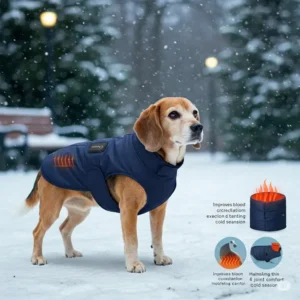
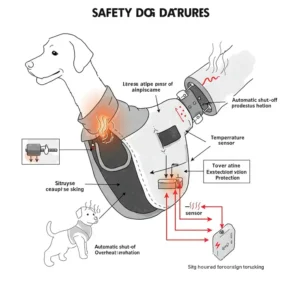
A heated dog jacket is a small electric device attached to a living animal, so safety isn’t optional. The American Animal Hospital Association warns that unmonitored heat can cause burns, overheating, and heatstroke, especially in animals that are already compromised or critically ill. That guidance is written for veterinary teams, but the principle carries over to home use.
Practical rules:
- Supervise. Never leave your dog unattended in a powered jacket.
- Start low. Increase heat only if your dog stays relaxed.
- Check skin. Burns can take up to 48 hours to show their full extent, according to Pet Insurance Australia, so inspect skin after early uses.
- Add a layer. Fetch Pet Insurance advises placing several layers between heating elements and a dog’s skin.
- Watch for chewing. Remove the jacket if your dog gnaws at cords or the battery pocket.
Who should talk to a vet first? Puppies, seniors, dogs with heart or respiratory conditions, and dogs with reduced sensation. Rover’s veterinary sources note pets with medical conditions are especially vulnerable to temperature problems. When in doubt, ask.
Features That Actually Matter (And Those That Don’t)
Features worth paying for:
- Automatic heat step-down. It protects dogs that can’t remove the jacket.
- Fit adjustability. A tight, stable fit keeps panels on target.
- Machine-washable design. Dogs get muddy.
- Reflective trim. Short winter days mean dark walks.
- Battery warranty. It’s the part that wears out.
Features that sound better than they are:
- Maximum temperature claims. Higher isn’t better. 104-131°F covers the useful range, and the top end is for short bursts.
- Zone counts alone. Five zones sound impressive, but placement and fit matter more than the number.
- Cooling modes. Great if you’ll use them, wasted money if you won’t.
- Built-in LED lights. Helpful, but a clip-on light works too.
Here’s a rule of thumb: pay for safety, fit, and warranty, and ignore marketing numbers. A well-fitted MYI Winter Heated Dog Coat often beats a poorly fitted premium vest.
Long-Term Cost & Maintenance of a Heated Dog Jacket
Sticker price is only the first line of the ledger. A heated dog jacket in the $100-$130 range, used on roughly 60 cold walks a winter across three winters, works out to well under a dollar per walk. That’s cheaper than most winter vet visits for cold-related discomfort.
Hidden costs matter too:
- Power banks: The MYI Winter Heated Dog Coat requires one, so budget extra if you lack it.
- Replacement batteries: Proprietary packs, like the one in the ORORO Koldpwoof, may need replacing after a few seasons.
- Disposable packs: The TechNiche HeatPax Warming Jacket adds recurring cost with every outing.
- Washing wear: Reviewers report MYI coats can pill after 15 or more washes, which is cosmetic.
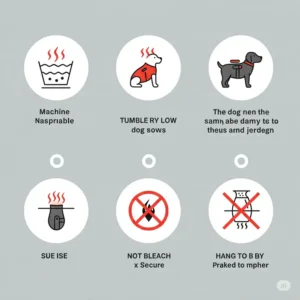
Maintenance is simple. Remove batteries before washing, wash gently in cold water, air dry, and store batteries partially charged in a cool place. Recharge them at least every three months, as ORORO recommends. These habits can extend a jacket’s life by years.
FAQ
❓ How warm does a heated dog jacket get?
❓ Can a dog wear a heated dog jacket indoors?
❓ Are heated dog coats machine washable?
❓ What size heated dog vest should I buy for a large dog?
❓ Is a heated dog jacket worth it for short-haired dogs?
Conclusion
A heated dog jacket isn’t magic, but for the right dog it’s a very good tool. The ORORO Koldpwoof is the best all-around pick on the strength of its battery-included design and automatic step-down. The MYI Winter Heated Dog Coat is the smartest budget entry if you already own a power bank. The NozlaID Climate-Control Vest serves pullers and year-round users, while the TechNiche HeatPax Warming Jacket covers occasional cold snaps with no charging at all.
The ORORO Snøwoof, Kozy Coat Glacier Platinum, and Stay Warm Apparel 5V Heated Dog Vest all have intriguing specs, but thinner public review evidence. Read current buyer feedback before you commit.
Whatever you choose, treat safety as part of the purchase. Measure carefully, start on low, supervise early outings, and ask your vet about puppies, seniors, and dogs with health conditions. Warm paws and a happy tail beat any gadget.
Recommended for You
- Harley Davidson Heated Jacket: 7 Best Warm Picks for 2026
- Bosch Heated Jacket: 7 Ultimate Warm Picks for 2026
- Hi Vis Heated Jacket: 7 Best Warm & Visible Picks for 2026
Disclaimer: This article contains affiliate links. As an Amazon Associate, I earn from qualifying purchases. If you purchase products through these links, we may earn a small commission at no additional cost to you.
✨ Found this helpful? Share it with your friends! 💬🤗
