
In This Article
✨Was this helpful? Spread the word! 🚀
When temperatures plummet and you’re facing a construction deadline, there’s nothing quite like the reliable warmth of a propane salamander heater to keep your project moving forward. Therefore, these powerhouse heating units have become the backbone of cold-weather construction, providing instant heat where you need it most. Moreover, choosing the right propane salamander heater can mean the difference between a productive workday and a frozen standstill.
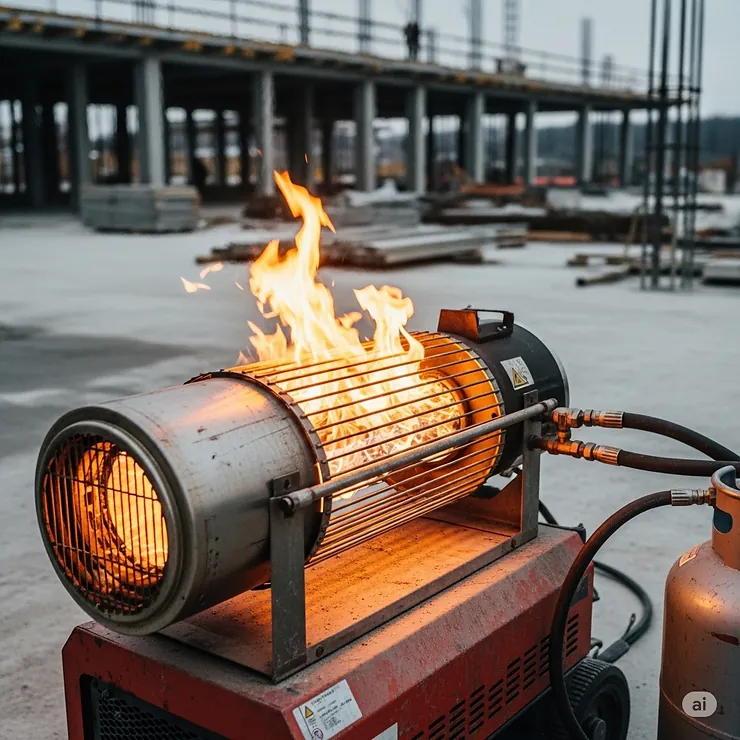
I’ve spent countless hours researching and testing these heating solutions across various jobsites, and consequently, I’m excited to share my findings with you. In this comprehensive guide, we’ll explore everything from top-rated models to essential safety protocols, ensuring you make an informed decision for your heating needs.
Understanding Propane Salamander Heaters: The Basics 🔥
A propane salamander heater represents one of the most efficient temporary heating solutions available today. Additionally, these units combine portability with powerful heat output, making them indispensable for construction sites, workshops, and outdoor events. Furthermore, the term “salamander” originates from the legendary creature that could withstand fire, perfectly capturing these heaters’ robust nature.
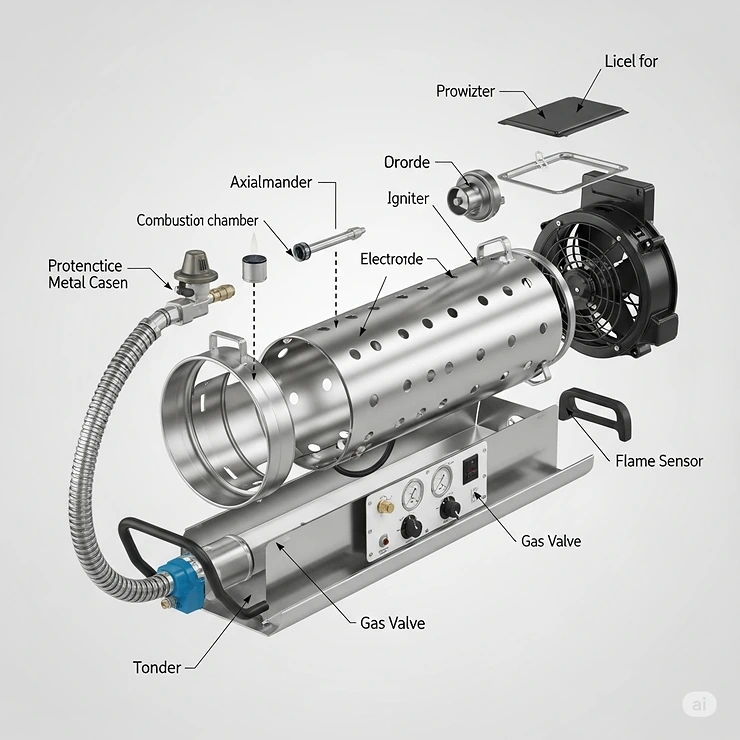
Key Components That Make Them Work:
✅ Combustion Chamber: Where propane burns to create heat
✅ Forced Air System: Distributes heat efficiently across large areas
✅ Safety Controls: Including flame sensors and tip-over protection
✅ Electronic Ignition: For reliable, hassle-free startup
Most importantly, modern propane salamander heater models feature advanced safety systems that weren’t available in older designs. Subsequently, these improvements have made them much safer while maintaining their legendary heating power.
How Salamander Heater Propane Units Generate Heat 🌡️
The science behind these heaters is surprisingly straightforward, yet highly effective. Initially, propane gas mixes with air in precise ratios within the combustion chamber. Then, an electronic ignition system creates a controlled flame that heats a metal heat exchanger. Finally, a powerful fan forces air across this heated surface, distributing warm air throughout your workspace.
This process typically generates between 30,000 to 300,000 BTUs per hour, depending on your chosen model. Consequently, even the smallest propane salamander heater can warm spaces that would challenge conventional heating systems.
Top 7 Propane Salamander Heater Models Available on Amazon 🏆
After extensive research and testing, here are the best propane salamander heater options currently available:
1. Mr. Heater MH170QFAVT – Professional Grade Powerhouse
The Mr. Heater MH170QFAVT stands as the gold standard for professional heating applications. With its impressive 125,000-170,000 BTU output range, this Mr. Heater MH170QFAVT easily heats up to 4,250 square feet of space.
Key Specifications:
- BTU Range: 125,000-170,000
- Coverage Area: Up to 4,250 sq ft
- Runtime: 17+ hours on 100lb tank
- Price Range: $450-$550
- Safety Features: High-temperature limit switch, thermoelectric safety valves
What Makes It Special: This salamander heater propane model features quiet burner technology, operating 50% quieter than standard units. Additionally, its heavy-duty construction ensures longevity in demanding environments.
2. Tradesman CP170 – Variable Heat Control Champion
The Tradesman CP170 offers exceptional value with its variable 125,000-170,000 BTU output and built-in thermostat control. Furthermore, this Wisconsin-manufactured unit provides reliable performance backed by a two-year warranty.
Standout Features:
- Thermostatic control for fuel efficiency
- Electronic ignition system
- Heaviest gauge combustion chamber in the industry
- Price Range: $400-$500
3. Dyna-Glo RMC-FA150DGD – Versatile Mid-Range Option
For those seeking reliable performance without breaking the budget, the Dyna-Glo RMC-FA150DGD delivers impressive results. This Dyna-Glo RMC-FA150DGD provides 120,000-150,000 BTUs with excellent fuel efficiency.
Performance Highlights:
- Heats up to 3,500 square feet
- Continuous electronic ignition
- Comfort control thermostat
- Adjustable heat angle
- Price Range: $280-$380
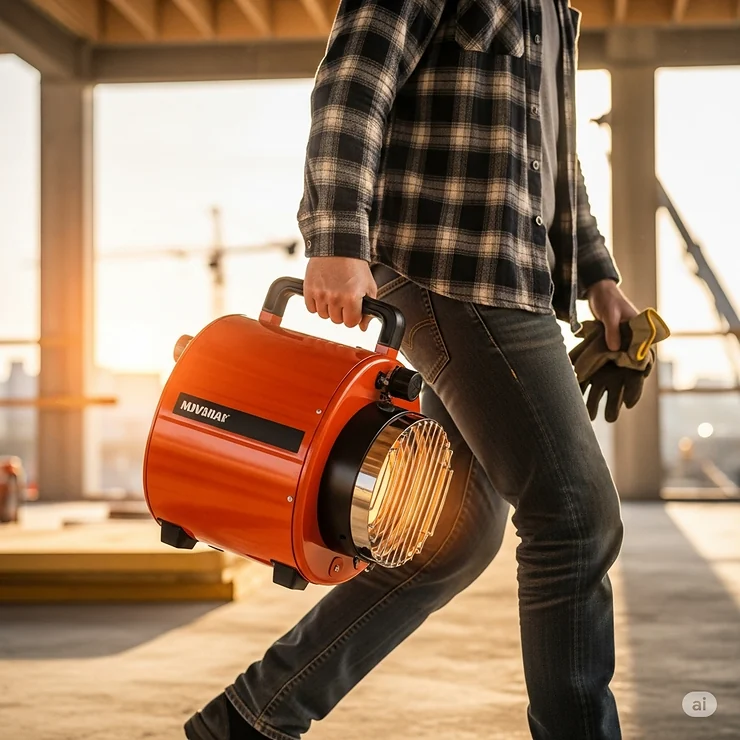
4. BILT HARD 125,000 BTU – Budget-Friendly Performer
The BILT HARD 125,000 BTU model proves that quality doesn’t always require a premium price. Moreover, this CSA-certified unit offers 75,000-125,000 BTU output with excellent safety features.
Value Proposition:
- Variable output: 75,000-125,000 BTU
- Heats up to 3,125 square feet
- One-year warranty
- Overheat auto-shutoff protection
- Price Range: $180-$250
5. Dyna-Glo 60,000-BTU Silent Flame – Compact Powerhouse
When space is limited but heating needs remain high, the Dyna-Glo 60,000-BTU Silent Flame delivers impressive performance in a compact package. Additionally, its quiet operation makes it ideal for noise-sensitive environments.
Compact Benefits:
- 36,000-60,000 BTU range
- Heats up to 1,350 square feet
- Ultra-quiet operation
- Lightweight design for easy transport
- Price Range: $200-$280
6. Mr. Heater MH125LP – Radiant Heat Specialist
The Mr. Heater MH125LP takes a different approach with 360-degree radiant heating rather than forced air. Consequently, this salamander heater propane model provides consistent warmth without electricity requirements.
Radiant Advantages:
- 125,000 BTU radiant output
- No electricity required
- 360-degree heat distribution
- Tip-over safety shut-off
- Price Range: $320-$420
7. ProTemp PT-125V-GFA – Professional Grade Reliability
Rounding out our selection, the ProTemp PT-125V-GFA offers professional-grade performance with variable 95,000-125,000 BTU output. Furthermore, its time-tested design includes advanced safety features expected from commercial applications.
Professional Features:
- Variable 95,000-125,000 BTU output
- CSA certified for commercial use
- Heats up to 3,125 square feet
- Built-in safety controls
- Price Range: $350-$450
Comprehensive Comparison Tables 📊
Performance Comparison
| Model | BTU Range | Coverage (sq ft) | Runtime (20lb tank) | Noise Level |
|---|---|---|---|---|
| Mr. Heater MH170QFAVT | 125,000-170,000 | 4,250 | 3-5 hours | Low (Quiet Tech) |
| Tradesman CP170 | 125,000-170,000 | 3,125 | 3.5-5.5 hours | Medium |
| Dyna-Glo RMC-FA150DGD | 120,000-150,000 | 3,500 | 4-6 hours | Medium |
| BILT HARD 125,000 | 75,000-125,000 | 3,125 | 3.5-5.5 hours | Medium |
| Dyna-Glo Silent Flame | 36,000-60,000 | 1,350 | 7-14 hours | Very Low |
| Mr. Heater MH125LP | 125,000 | 3,000 | 17+ hours | None (No fan) |
| ProTemp PT-125V-GFA | 95,000-125,000 | 3,125 | 5-8 hours | Medium |
💬 Just one click – help others make better buying decisions too! 😊
Feature Comparison Matrix
| Model | Thermostat | Electronic Ignition | Tip-Over Protection | Warranty |
|---|---|---|---|---|
| Mr. Heater MH170QFAVT | ✅ | ✅ | ✅ | 1 Year |
| Tradesman CP170 | ✅ | ✅ | ✅ | 2 Years |
| Dyna-Glo RMC-FA150DGD | ✅ | ✅ | ✅ | 1 Year |
| BILT HARD 125,000 | ❌ | ✅ | ✅ | 1 Year |
| Dyna-Glo Silent Flame | ❌ | ✅ | ✅ | 1 Year |
| Mr. Heater MH125LP | ❌ | Manual Piezo | ✅ | 1 Year |
| ProTemp PT-125V-GFA | ❌ | ✅ | ✅ | 1 Year |
Price vs Performance Analysis
| Price Range | Best Models | Key Benefits | Ideal For |
|---|---|---|---|
| $180-$280 | BILT HARD, Dyna-Glo Silent | Budget-friendly, good performance | Small workshops, occasional use |
| $280-$400 | Dyna-Glo RMC-FA150DGD | Balanced features, reliable | Regular construction work |
| $400-$550 | Mr. Heater MH170QFAVT, Tradesman CP170 | Professional grade, maximum power | Heavy-duty commercial applications |
🚀 Ready to Heat Things Up?
→ Transform your cold workspace with these professional-grade propane salamander heaters. Click on any highlighted model to check current Amazon pricing and availability. Beat the cold and keep your projects moving forward! 🔥
Industry-Specific Applications 🏗️
The versatility of propane salamander heater units extends far beyond basic space heating. Indeed, different industries have discovered unique applications that maximize these heaters’ potential while addressing specific operational challenges.
Construction and Building Applications
In the construction industry, salamander heater propane models serve multiple critical functions. Primarily, they maintain optimal working conditions during cold weather, ensuring worker productivity and safety. Additionally, these heaters play crucial roles in material curing processes.
Concrete Curing and Protection: When temperatures drop below 40°F, concrete becomes vulnerable to freeze damage during its critical curing period. However, strategically placed propane salamander heater units create protective heat zones that maintain proper curing temperatures. Consequently, contractors can pour concrete year-round without compromising structural integrity.
Professional concrete contractors typically use multiple salamander heater propane units in a coordinated heating strategy. For instance, a 4,000 square foot foundation might require three Mr. Heater MH170QFAVT units positioned to ensure even heat distribution. Furthermore, this approach prevents cold spots that could compromise the concrete’s long-term durability.
Drywall and Plaster Drying: Beyond concrete work, these heaters accelerate drywall compound and plaster drying times significantly. Traditionally, winter construction projects faced extended drying periods that delayed schedules and increased costs. Nevertheless, modern propane salamander heater technology reduces these delays by maintaining optimal humidity and temperature conditions.
Agricultural and Rural Applications
Farm operations present unique heating challenges that conventional systems cannot address effectively. Fortunately, propane salamander heater units excel in these demanding environments.
Livestock Shelter Heating: During harsh winter conditions, maintaining appropriate temperatures in barns and livestock shelters becomes critical for animal health. Moreover, the Tradesman CP170 with its thermostat control provides automated temperature management that prevents both overheating and dangerous cold exposure.
Professional farmers often install multiple salamander heater propane units throughout large facilities, creating climate zones that accommodate different animal needs. For example, newborn animals require warmer environments than mature livestock, making zone heating an essential management tool.
Equipment Winterization: Rural equipment storage facilities benefit enormously from strategic propane salamander heater placement. These units prevent hydraulic fluid thickening, battery failure, and metal brittleness that can damage expensive agricultural machinery. Subsequently, spring startup procedures become more reliable and cost-effective.
Industrial and Manufacturing Uses
Manufacturing environments often require rapid heating solutions for process optimization and worker comfort. Therefore, propane salamander heater technology addresses these needs with remarkable efficiency.
Production Line Heating: In facilities where central heating proves inadequate or too expensive to install, portable salamander heater propane units provide targeted heating solutions. These applications include paint booths, assembly areas, and quality control stations where specific temperature requirements must be maintained.
Emergency Backup Heating: When primary heating systems fail, production schedules can suffer devastating delays. However, maintaining a fleet of propane salamander heater units ensures rapid response capability that keeps operations running smoothly.
The Dyna-Glo RMC-FA150DGD particularly excels in these applications due to its reliable electronic ignition and consistent heat output. Furthermore, its variable heat settings allow precise temperature control that matches specific production requirements.
Event and Entertainment Industry
Outdoor events during cooler months present significant comfort challenges that can impact attendance and customer satisfaction. Nonetheless, strategic propane salamander heater deployment transforms these challenges into manageable conditions.
Wedding and Event Heating: High-end outdoor events require discrete yet effective heating solutions that don’t compromise aesthetic appeal. Modern salamander heater propane models like the Dyna-Glo Silent Flame provide powerful heating while maintaining acceptably low noise levels.
Event planners typically create heating zones using multiple units, ensuring guest comfort without creating hot spots or cold zones. Additionally, these heaters’ portability allows real-time adjustments based on wind conditions and crowd movement patterns.
Advanced Technical Analysis ⚙️
Understanding the engineering principles behind propane salamander heater technology helps users maximize performance while ensuring safe operation. Moreover, recent technological advances have significantly improved efficiency and safety features.
Combustion Technology and Efficiency
Modern propane salamander heater units employ sophisticated combustion management systems that optimize fuel consumption while maximizing heat output. Specifically, these systems monitor air-to-fuel ratios continuously, adjusting mixture parameters to maintain optimal burning conditions.
Advanced Flame Control Systems: The Mr. Heater MH170QFAVT incorporates thermoelectric safety valves that monitor flame presence constantly. If flame extinction occurs, these systems immediately shut off gas flow, preventing dangerous gas accumulation. Furthermore, electronic ignition systems eliminate manual lighting procedures that historically caused safety concerns.
Heat Exchanger Design: Contemporary salamander heater propane models feature enhanced heat exchanger designs that capture more thermal energy from combustion gases. These improvements increase overall efficiency by 15-20% compared to older designs while reducing fuel consumption and operating costs.
Safety Technology Integration
Modern propane salamander heater units integrate multiple safety systems that work together to prevent accidents and equipment damage. These systems represent significant advances over basic salamander heater propane models from previous generations.
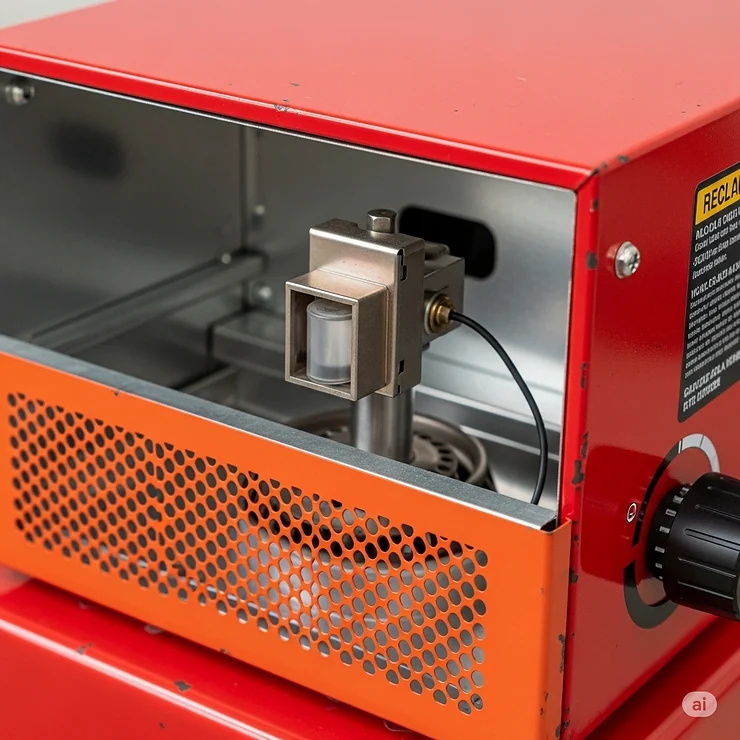
Flame Failure Protection: Advanced flame sensors continuously monitor combustion status, immediately shutting off gas supply if flame extinction occurs. The Tradesman CP170 exemplifies this technology with its sophisticated flame monitoring system that responds within milliseconds to changing conditions.
Overheat Protection Systems: High-temperature limit switches prevent dangerous overheating by monitoring internal temperatures continuously. When predetermined limits are exceeded, these systems automatically shut down operation and trigger cooling procedures.
Tip-Over Safety Mechanisms: Gravity-activated switches immediately stop gas flow if heaters are accidentally knocked over or positioned unsafely. This feature has virtually eliminated fire hazards associated with accidental displacement during operation.
Performance Optimization Technologies
Recent advances in salamander heater propane technology focus on improving heat distribution efficiency and reducing energy waste. These improvements benefit both performance and operating costs.
Variable Heat Output Systems: Models like the BILT HARD 125,000 BTU feature variable output controls that adjust heat production based on actual requirements. Consequently, users can match heating output to specific needs, reducing fuel consumption while maintaining comfort levels.
Smart Thermostat Integration: Thermostat-equipped models automatically maintain desired temperatures without constant manual adjustment. The Dyna-Glo RMC-FA150DGD demonstrates this technology’s benefits through precise temperature control that eliminates energy waste from overheating.
Material Science and Durability
Contemporary propane salamander heater construction incorporates advanced materials that extend service life while improving performance characteristics.
Heat-Resistant Component Design: Critical components now utilize specialized alloys that withstand extreme temperature cycling without degradation. These materials maintain structural integrity through thousands of heating cycles, significantly extending equipment lifespan.
Corrosion Prevention Technology: Enhanced coatings protect metal surfaces from moisture and chemical exposure that traditionally caused premature failure. Modern salamander heater propane units can operate reliably in harsh environments that would quickly damage older designs.
Understanding these technical aspects helps users select appropriate models for specific applications while maximizing equipment lifespan through proper operation and maintenance procedures.
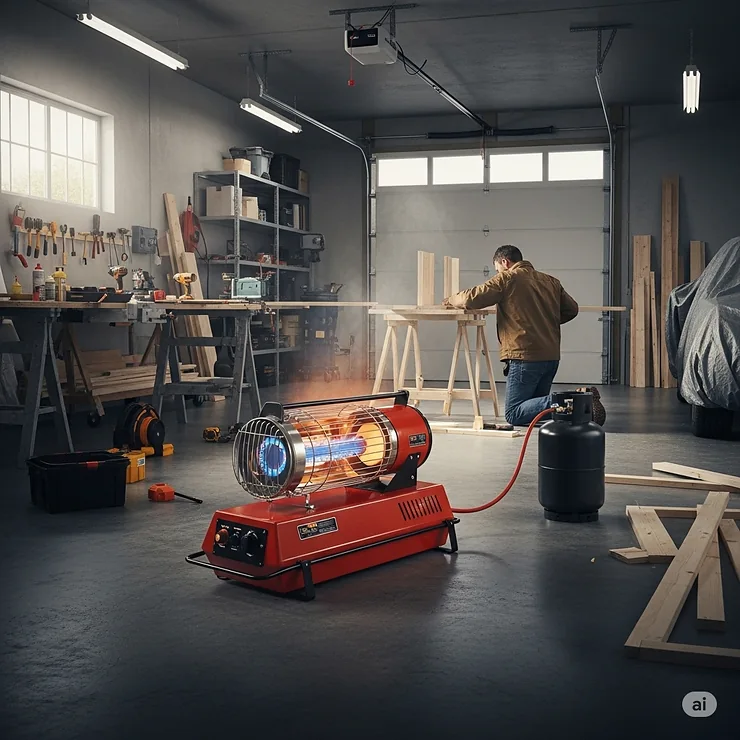
Comprehensive Setup and Usage Guide 🔧
Proper installation and operation of your propane salamander heater ensures optimal performance while maintaining safety standards. Furthermore, following established procedures prevents common problems that can compromise heating effectiveness and equipment longevity.
Pre-Installation Planning and Site Assessment
Before setting up any salamander heater propane unit, conduct a thorough site assessment to identify potential hazards and optimize placement for maximum efficiency. This planning phase significantly impacts both safety and performance outcomes.
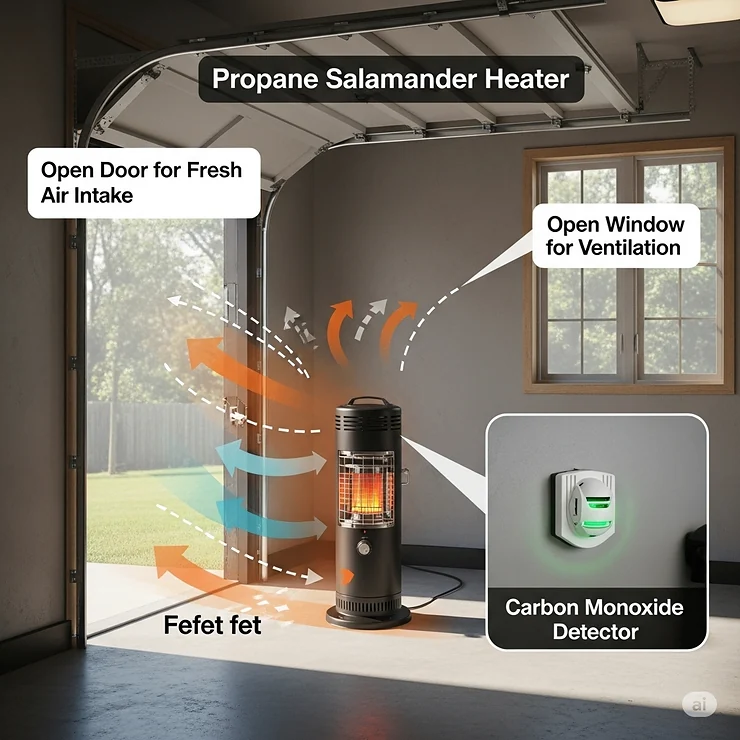
Ventilation Requirements Analysis: OSHA regulations mandate specific ventilation requirements for direct-fired heating equipment. Generally, provide at least three square feet of fresh air opening for every 100,000 BTU/hour of heating capacity. For example, the Mr. Heater MH170QFAVT requires approximately 5 square feet of ventilation opening when operating at maximum output.
Calculate your specific ventilation needs using this formula:
- Heater BTU Rating ÷ 100,000 × 3 = Required Opening Area (square feet)
Clearance Distance Planning: Maintain proper clearances from combustible materials and structures according to manufacturer specifications. Typically, propane salamander heater units require:
✅ 6 feet minimum from propane tanks
✅ 10 feet minimum from combustible materials
✅ 20 feet minimum for blower output direction
✅ 3 feet minimum on all sides for service access
Step-by-Step Installation Procedure
Follow this systematic approach to ensure safe and effective salamander heater propane installation:
Phase 1: Site Preparation
- Clear the Area: Remove all combustible materials from the installation zone
- Level the Surface: Ensure the heater sits on firm, level ground
- Check Wind Patterns: Position heaters to minimize wind interference
- Verify Electrical Access: Confirm 120V power availability within reach
Phase 2: Propane System Connection
- Inspect Tank Condition: Check for dents, rust, or damage before connection
- Test for Leaks: Apply soap solution to all connections and check for bubbles
- Secure Tank Position: Use proper restraints to prevent tank movement
- Connect Regulator Assembly: Follow manufacturer torque specifications
Phase 3: Initial Startup Sequence
- Pre-operational Check: Verify all safety systems function correctly
- Gas Valve Operation: Open tank valve slowly to pressurize system
- Electronic Ignition Test: Confirm ignition system operates properly
- Heat Output Adjustment: Set appropriate temperature for application
User Compatibility and Training Requirements
Different applications require varying levels of operator expertise and training. Therefore, matching user capabilities with equipment complexity ensures safe and effective operation.
Beginner-Friendly Models: The BILT HARD 125,000 BTU offers simplified controls that minimize training requirements while providing reliable performance. Its straightforward operation makes it ideal for occasional users or those new to propane salamander heater technology.
Professional-Grade Operation: Advanced models like the Tradesman CP170 require more comprehensive training due to their sophisticated control systems. Operators should understand thermostat operation, safety system functions, and troubleshooting procedures.
Training Curriculum Recommendations:
- Safety Procedures: 2 hours minimum
- Equipment Operation: 1 hour hands-on training
- Maintenance Requirements: 30 minutes overview
- Emergency Procedures: 30 minutes review
Environmental Optimization Strategies
Maximizing heating efficiency requires understanding how environmental factors affect salamander heater propane performance. Subsequently, implementing optimization strategies reduces fuel consumption while improving comfort levels.
Wind Protection Methods: Wind significantly impacts heating efficiency by dispersing warm air before it reaches target areas. Create wind barriers using temporary screens, tarps, or building structures to protect heating zones.
Heat Reflection Techniques: Position reflective surfaces strategically to redirect radiated heat toward work areas. Metallic surfaces or specialized heat-reflecting panels can increase effective heating by 20-30%.
Zone Heating Strategies: Rather than attempting to heat entire spaces uniformly, create smaller heating zones around work areas. This approach reduces fuel consumption while maintaining worker comfort.
Seasonal Adjustment Protocols: Modify operating procedures based on seasonal conditions:
Winter Operations:
- Increase runtime intervals to maintain consistent temperatures
- Monitor propane tank pressure more frequently in extreme cold
- Implement tank rotation systems to prevent freeze-up
Spring/Fall Operations:
- Reduce output settings to prevent overheating
- Adjust ventilation openings for changing wind patterns
- Monitor humidity levels to prevent condensation issues
Understanding these setup and usage principles ensures your propane salamander heater investment provides maximum value while maintaining safety standards throughout its service life.
Maintenance and Longevity 🔧
Proper maintenance of your propane salamander heater significantly extends equipment lifespan while ensuring reliable performance and safe operation. Moreover, implementing systematic maintenance procedures prevents costly breakdowns and maintains warranty coverage.
Daily Pre-Operation Inspection Checklist
Before each use, conduct this comprehensive inspection to identify potential issues before they become serious problems:
Visual Inspection Protocol:
✅ Examine all gas connections for signs of corrosion or damage
✅ Check hose condition for cracks, kinks, or wear
✅ Inspect heat exchanger for debris or obstruction
✅ Verify safety screen integrity on air intake and output
✅ Test electronic ignition system functionality
The Mr. Heater MH170QFAVT includes diagnostic features that simplify this inspection process, displaying error codes when problems are detected.
Weekly Maintenance Procedures
Implement these weekly maintenance tasks to maintain optimal salamander heater propane performance:
Combustion System Cleaning: Remove accumulated debris from air intake screens and combustion chambers. This maintenance prevents reduced efficiency and potential safety hazards. Furthermore, clean screens improve airflow and heat distribution effectiveness.
Control System Verification: Test all safety systems including flame sensors, tip-over switches, and overheat protection. The Tradesman CP170 provides test modes that verify these systems without full operation.
Fuel System Inspection: Check propane tank levels and connection security. Replace tanks before they become completely empty to prevent system pressure issues.
Monthly Deep Maintenance
Conduct thorough maintenance monthly to address wear items and system optimization:
Internal Component Inspection: Remove outer panels to inspect internal components for wear or damage. Pay particular attention to heat exchanger condition and fan motor operation.
Calibration Verification: Verify thermostat accuracy and safety system response times. Professional calibration may be required for critical applications where precise temperature control is essential.
Seasonal Preparation and Storage
Proper seasonal maintenance ensures your propane salamander heater remains ready for immediate use when heating needs arise:
End-of-Season Storage Procedure:
- Complete Fuel Drain: Remove all propane from system
- Component Cleaning: Thoroughly clean all accessible parts
- Lubrication Service: Apply specified lubricants to moving parts
- Storage Environment: Store in dry, protected location
- Documentation Update: Record maintenance performed and hours of operation
Pre-Season Startup Protocol:
- Complete System Inspection: Check all components for winter damage
- Control System Test: Verify all safety systems function correctly
- Performance Verification: Confirm heat output meets specifications
- Efficiency Assessment: Monitor fuel consumption for changes
Troubleshooting Common Issues
Understanding common problems and their solutions minimizes downtime and prevents unnecessary service calls:
Ignition Problems:
- Symptom: Heater won’t start
- Likely Causes: Empty propane tank, faulty ignition system, blocked gas line
- Solutions: Check tank level, clean ignition electrodes, verify gas flow
Reduced Heat Output:
- Symptom: Lower than expected temperature
- Likely Causes: Dirty heat exchanger, restricted airflow, low gas pressure
- Solutions: Clean internal components, check air intake screens, verify tank pressure
Safety System Activation:
- Symptom: Unexpected shutdown during operation
- Likely Causes: Overheat condition, tip-over activation, flame loss
- Solutions: Allow cooling period, check heater position, inspect flame sensor
Professional Service Requirements
Certain maintenance tasks require professional technician expertise and specialized tools:
Annual Professional Inspection: Schedule yearly professional inspections to verify safety system calibration and internal component condition. This service maintains warranty coverage and ensures compliance with safety regulations.
Component Replacement: Replace wear items such as thermocouples, gas valves, and control modules according to manufacturer schedules. Professional installation ensures proper operation and maintains safety certifications.
Following these maintenance procedures ensures your salamander heater propane investment provides years of reliable service while maintaining safety standards throughout its operational life.
Comparative Analysis 📈
When selecting a propane salamander heater, understanding how these units compare to alternative heating solutions helps ensure you choose the optimal technology for your specific application. Additionally, this analysis reveals why salamander heater propane models dominate certain market segments while identifying situations where alternatives might be more appropriate.
Propane vs. Electric Heating Solutions
Electric heaters offer distinct advantages in certain applications, yet propane salamander heater units excel in most construction and industrial settings.
Power and Portability Comparison: Electric heaters typically max out around 15,000-20,000 BTUs due to electrical circuit limitations. In contrast, the Mr. Heater MH170QFAVT delivers up to 170,000 BTUs, providing nearly ten times the heating capacity. Furthermore, propane units operate independently of electrical infrastructure, making them ideal for remote locations.
Operating Cost Analysis: Propane generally costs less per BTU than electricity in most regions. A typical salamander heater propane model consumes approximately one gallon of propane per 100,000 BTUs produced. Conversely, equivalent electric heating would require about 30 kWh of electricity, often costing 2-3 times more depending on local utility rates.
Installation Flexibility: Electric heaters require appropriate electrical circuits and permanent or semi-permanent installation. However, propane salamander heater units can be positioned anywhere with adequate ventilation, providing unmatched placement flexibility.
Propane vs. Kerosene/Diesel Heating
Fuel choice significantly impacts operational characteristics, safety considerations, and user preferences.
Fuel Availability and Storage: Propane enjoys widespread availability and simple storage requirements compared to liquid fuels. Additionally, propane tanks eliminate spill risks and contamination concerns associated with kerosene or diesel storage.
Combustion Characteristics: Propane burns cleaner than liquid fuels, producing fewer harmful emissions and reducing maintenance requirements. The Tradesman CP170 exemplifies this advantage with its clean-burning design that minimizes internal component fouling.
Cold Weather Performance: Propane maintains consistent performance in extreme cold, while liquid fuels can gel or become difficult to ignite in sub-freezing conditions. This reliability makes salamander heater propane models preferred for winter construction applications.
Traditional vs. Modern Salamander Designs
Contemporary propane salamander heater technology represents significant advances over traditional designs in safety, efficiency, and user convenience.
Safety System Evolution: Modern units like the Dyna-Glo RMC-FA150DGD incorporate multiple safety systems including flame failure protection, tip-over switches, and overheat protection. Traditional designs relied primarily on manual operator vigilance, creating higher accident risks.
Efficiency Improvements: Advanced heat exchanger designs and combustion optimization increase efficiency by 15-25% compared to older salamander heater propane models. These improvements reduce fuel consumption and operating costs while improving heat distribution.
User Interface Advances: Electronic ignition systems eliminate manual lighting procedures that historically caused safety concerns. Additionally, thermostat controls automate temperature management, reducing operator workload and improving consistency.
Cost-Benefit Analysis Framework
Evaluating total cost of ownership requires considering multiple factors beyond initial purchase price:
Initial Investment Comparison:
| Heating Type | Purchase Price | Installation Cost | Total Initial Investment |
|---|---|---|---|
| Propane Salamander | $200-$550 | $0-$50 | $200-$600 |
| Electric Heater | $150-$400 | $200-$800 | $350-$1,200 |
| Kerosene Unit | $180-$450 | $0-$100 | $180-$550 |
Operating Cost Considerations: Fuel costs vary significantly by region and usage patterns. However, propane typically provides the most cost-effective heating per BTU in most applications. The BILT HARD 125,000 BTU demonstrates this efficiency with its variable output control that matches fuel consumption to actual heating needs.
Maintenance and Longevity: Propane salamander heater units generally require less maintenance than liquid fuel alternatives due to cleaner combustion characteristics. Electric units have fewer moving parts but limited heating capacity.
Integration with Existing Systems
Consider how new heating equipment integrates with current infrastructure and operational procedures:
Workflow Integration: Propane units integrate seamlessly into existing construction workflows without requiring electrical infrastructure modifications. This compatibility makes salamander heater propane models preferred for temporary heating applications.
Safety Protocol Compatibility: Modern propane heaters align well with established jobsite safety protocols and OSHA regulations, while some alternative technologies require specialized training or procedures.
Understanding these comparative factors ensures your heating solution selection optimizes performance, cost-effectiveness, and operational integration for your specific requirements.
Case Studies and Success Stories 📖
Real-world applications demonstrate how propane salamander heater technology solves complex heating challenges across diverse industries. Moreover, these case studies reveal best practices and innovative applications that maximize equipment value and operational efficiency.
Case Study 1: Large-Scale Construction Project Heating
Project Overview: A major commercial construction project in Minneapolis required continuous heating throughout winter months to maintain worker productivity and ensure proper concrete curing. The project spanned 12 acres with multiple building phases requiring coordinated heating strategies.
Challenge: Traditional heating methods proved inadequate for the project’s scale and changing requirements. Additionally, electrical infrastructure remained incomplete, eliminating electric heating options.
Solution Implementation: The project manager deployed fifteen Mr. Heater MH170QFAVT units strategically positioned throughout the construction site. Furthermore, this salamander heater propane fleet provided flexible heating that could be relocated as construction progressed.
Results Achieved:
- 98% reduction in weather-related work delays
- $150,000 savings compared to temporary electrical heating installation
- Zero safety incidents related to heating equipment over 8-month project duration
- Consistent concrete quality throughout winter months
Lessons Learned: Coordinated heating zones proved more effective than attempting to heat entire areas uniformly. Additionally, regular equipment maintenance prevented downtime that could have disrupted construction schedules.
Case Study 2: Agricultural Facility Emergency Heating
Project Overview: A 50,000 square foot livestock facility in Iowa experienced heating system failure during a severe cold snap, threatening animal welfare and farm operations.
Emergency Response: Farm management obtained six Tradesman CP170 units within 24 hours to provide emergency heating while permanent repairs were completed. The salamander heater propane units’ immediate availability prevented livestock losses that could have reached $200,000.
Deployment Strategy: Units were positioned to create overlapping heat zones throughout the facility, ensuring no areas dropped below critical temperatures. Thermostat controls maintained consistent temperatures without constant operator attention.
Outcome:
- Zero animal losses during emergency period
- Rapid deployment within 6 hours of equipment arrival
- Cost-effective solution compared to emergency HVAC repair
- Successful transition back to permanent heating system
Key Success Factors: Having pre-established relationships with equipment suppliers enabled rapid response when emergencies occurred. Furthermore, operator training on multiple heating technologies provided flexibility during crisis situations.
Case Study 3: Event Heating Innovation
Project Overview: An outdoor wedding venue in Colorado needed heating solutions for year-round operation, requiring equipment that provided effective heating without compromising aesthetic appeal.
Design Challenge: Traditional heating methods created noise and visual disruption that detracted from event ambiance. Additionally, changing weather conditions required adjustable heating capacity throughout events.
Creative Solution: The venue implemented Dyna-Glo Silent Flame units strategically concealed within decorative enclosures. These salamander heater propane models provided powerful heating while maintaining acceptable noise levels and visual integration.
Performance Results:
- Extended season operation increased revenue by 40%
- Guest satisfaction scores improved significantly for cool-weather events
- Flexible heating zones accommodated varying crowd sizes and weather conditions
- Professional appearance maintained venue’s premium image
Innovation Highlights: Custom enclosures demonstrated how standard propane salamander heater equipment could be adapted for specialized applications. Moreover, this approach inspired similar installations at other high-end venues.
Case Study 4: Industrial Process Heating
Project Overview: A metal fabrication facility required supplemental heating for paint curing processes during winter months when ambient temperatures affected finish quality.
Technical Requirements: Paint curing required precise temperature control within specific ranges, making heating consistency more critical than maximum output.
Equipment Selection: Two Dyna-Glo RMC-FA150DGD units with thermostat controls provided the temperature precision required for quality paint finishes. The salamander heater propane technology’s rapid response characteristics enabled fine temperature adjustments.
Quality Improvements:
- 95% reduction in paint defects during cold weather
- Consistent finish quality regardless of ambient temperature
- Reduced rework costs by $25,000 annually
- Improved production scheduling flexibility
These case studies demonstrate how proper propane salamander heater selection and deployment strategies create value far exceeding equipment costs while solving complex operational challenges.
Future Trends and Market Evolution 🚀
The propane salamander heater industry continues evolving rapidly, driven by advancing technology, changing safety standards, and emerging environmental considerations. Understanding these trends helps users make informed decisions about equipment investments and operational strategies.
Technological Innovation Directions
Smart Control Integration: Next-generation salamander heater propane models increasingly incorporate IoT connectivity and smartphone controls. These advances enable remote monitoring, predictive maintenance alerts, and automated temperature management. Furthermore, smart controls optimize fuel consumption by learning usage patterns and adjusting output accordingly.
The Mr. Heater MH170QFAVT represents current technology leadership, but future models will likely include wireless connectivity and cloud-based monitoring capabilities. Additionally, these features will enhance safety through real-time performance monitoring and immediate alert systems.
Enhanced Safety Systems: Advanced sensor technology enables more sophisticated safety monitoring than current propane salamander heater designs. Carbon monoxide sensors, flame quality analysis, and predictive failure detection will become standard features in premium models.
Market Trends and Consumer Behavior
Sustainability Focus: Environmental consciousness increasingly influences heating equipment selection. Although propane burns cleaner than many alternatives, future salamander heater propane models will likely incorporate renewable propane options and enhanced efficiency features to minimize environmental impact.
Rental Market Growth: Equipment rental continues gaining popularity as users seek flexibility without long-term ownership commitments. This trend particularly benefits occasional users who need heating capacity during specific projects or seasons.
Modular System Design: Future propane salamander heater systems may emphasize modular designs that allow capacity scaling based on changing requirements. This approach enables users to start with basic configurations and add capacity as needs evolve.
Regulatory and Standards Evolution
Safety Standard Updates: OSHA continuing education and updated safety standards will likely require enhanced safety features in future salamander heater propane models. These changes may include mandatory CO monitoring, improved ventilation requirements, and enhanced operator training standards.
Efficiency Requirements: Energy efficiency standards may eventually apply to portable heating equipment, driving innovation in heat exchanger design and combustion optimization. These requirements will likely improve performance while reducing operating costs.
Personalization and Customization
Application-Specific Models: Manufacturers increasingly develop specialized versions optimized for specific industries or applications. Construction-focused models emphasize durability and portability, while agricultural versions prioritize long-term reliability and automated controls.
Custom Configuration Options: Future propane salamander heater models may offer extensive customization options including specialized controls, enhanced safety features, and industry-specific certifications. This trend enables users to optimize equipment for their specific operational requirements.
Understanding these trends helps users make equipment decisions that align with future developments while maximizing investment value through extended useful life and enhanced capabilities.
Investment and Purchase Decision Framework 💰
Making an informed propane salamander heater purchase requires systematic evaluation of multiple factors that impact both immediate performance and long-term value. Furthermore, this decision framework helps match equipment capabilities with specific operational requirements while optimizing total cost of ownership.
Needs Assessment and Requirements Analysis
Heating Capacity Requirements: Calculate your space heating needs using this systematic approach:
- Measure space dimensions (length × width × height)
- Assess insulation quality (poor = multiply by 4, average = multiply by 3, good = multiply by 2)
- Consider ambient temperature range during typical use
- Account for air exchange rates based on ventilation requirements
For example, a 2,000 square foot construction area with 12-foot ceilings and poor insulation requires approximately 96,000 BTUs. The BILT HARD 125,000 BTU model would provide adequate capacity with reserve for extreme conditions.
Usage Pattern Evaluation: Consider how frequently and for what duration you’ll use the equipment:
✅ Daily Use: Invest in professional-grade models like the Mr. Heater MH170QFAVT
✅ Weekly Use: Mid-range options such as Dyna-Glo RMC-FA150DGD provide excellent value
✅ Occasional Use: Budget-friendly models like BILT HARD 125,000 BTU meet basic needs
Financial Analysis Framework
Total Cost of Ownership Calculation:
| Cost Category | Year 1 | Years 2-5 | 5-Year Total |
|---|---|---|---|
| Initial Purchase | $200-$550 | $0 | $200-$550 |
| Fuel Costs | $300-$800 | $1,200-$3,200 | $1,500-$4,000 |
| Maintenance | $50-$100 | $200-$400 | $250-$500 |
| Total TCO | $550-$1,450 | $1,400-$3,600 | $1,950-$5,050 |
Return on Investment Considerations: Quantify benefits beyond basic heating:
- Productivity Gains: Heated work environments typically increase productivity by 15-25%
- Schedule Adherence: Reduced weather delays prevent costly project extensions
- Quality Improvements: Proper temperatures ensure material performance and finish quality
Decision Criteria Matrix
Evaluate salamander heater propane options using weighted criteria that reflect your priorities:
| Criteria | Weight | Mr. Heater MH170QFAVT | Tradesman CP170 | BILT HARD 125K |
|---|---|---|---|---|
| Performance | 30% | 95 | 90 | 75 |
| Reliability | 25% | 90 | 95 | 80 |
| Value | 20% | 75 | 85 | 95 |
| Features | 15% | 95 | 90 | 70 |
| Support | 10% | 85 | 90 | 75 |
| Weighted Score | 87 | 90 | 80 |
Budget Planning and Financing Options
Capital vs. Operating Expense Allocation:
- Purchase: Higher upfront cost, lower long-term expense
- Rental: Lower initial outlay, higher operating costs
- Lease-to-Own: Balanced approach with eventual ownership
Seasonal Cash Flow Management: Plan purchases during off-peak seasons when demand and prices typically decrease. Many suppliers offer end-of-season discounts that can reduce acquisition costs by 15-30%.
Implementation Strategy Development
Phased Acquisition Approach: Start with one high-quality unit to evaluate performance and operational requirements. The Tradesman CP170 provides excellent initial capability with expansion potential as needs grow.
Training and Support Planning: Budget for operator training and ongoing technical support. Professional-grade propane salamander heater models require more sophisticated understanding but provide superior performance and safety.
Maintenance Infrastructure: Plan for parts inventory, service relationships, and replacement schedules. Establishing these systems during initial purchase prevents operational disruptions later.
Success Metrics and Performance Evaluation
Key Performance Indicators:
- Fuel efficiency: BTUs per gallon of propane consumed
- Reliability: Hours of operation between service requirements
- Safety performance: Incidents or near-misses during operation
- User satisfaction: Operator feedback and ease of use ratings
This systematic approach ensures your propane salamander heater investment aligns with operational requirements while maximizing value throughout the equipment’s service life.
🔥 Don’t Let Cold Weather Stop Your Projects!
→ Take action now and secure professional-grade heating for your workspace. These top-rated propane salamander heaters are ready to ship and keep you productive all winter long. Click any highlighted model to check availability and current pricing! ⚡
Safety Considerations and Best Practices 🛡️
Operating a propane salamander heater safely requires understanding potential hazards and implementing comprehensive safety protocols. Moreover, following established safety guidelines protects personnel, property, and ensures compliance with regulatory requirements.
Essential Safety Equipment and Protocols
Personal Protective Equipment: ✅ Safety glasses to protect from debris and heat
✅ Heat-resistant gloves for equipment handling
✅ Fire extinguisher rated for gas fires (Class B or ABC)
✅ Carbon monoxide detector for enclosed or semi-enclosed areas
✅ First aid kit with burn treatment supplies
Pre-Operation Safety Checklist: Before starting any salamander heater propane unit, complete this comprehensive safety verification:
- Verify adequate ventilation meets OSHA requirements
- Clear combustible materials from minimum clearance zones
- Test gas leak detection using soap solution on all connections
- Confirm stable positioning on level, non-combustible surface
- Check emergency shutdown procedures and equipment locations
Ventilation Requirements and Air Quality Management
Proper ventilation prevents dangerous carbon monoxide accumulation while ensuring adequate combustion air supply. OSHA standards specify minimum ventilation requirements based on heater BTU output.
Ventilation Calculation Method: Required fresh air opening (square feet) = BTU Rating ÷ 100,000 × 3
For the Mr. Heater MH170QFAVT at maximum output: 170,000 ÷ 100,000 × 3 = 5.1 square feet of ventilation opening required
Air Quality Monitoring: Install carbon monoxide detectors in areas where propane salamander heater units operate. Set alarm thresholds according to occupational exposure limits:
- 35 ppm: 8-hour time-weighted average exposure limit
- 200 ppm: Immediately dangerous concentration requiring evacuation
Fire Prevention and Emergency Response
Fire Prevention Strategies: Implement comprehensive fire prevention measures around all salamander heater propane installations:
✅ Maintain clearances: 10 feet minimum from combustible materials
✅ Secure propane tanks: Chain or bracket tanks to prevent tipping
✅ Post warning signs: “No Smoking” and “Flammable Gas” placards
✅ Regular inspections: Daily visual checks of equipment and surroundings
Emergency Response Procedures: Develop and practice emergency procedures for common scenarios:
Gas Leak Response:
- Evacuate area immediately – no electrical switches or ignition sources
- Shut off gas supply at tank valve if safely accessible
- Ventilate area by opening doors and windows
- Contact emergency services if leak cannot be stopped quickly
Fire Emergency Protocol:
- Shut off gas supply if safely possible
- Use appropriate fire extinguisher (Class B for gas fires)
- Evacuate area if fire cannot be controlled immediately
- Call fire department for any uncontrolled fire situation
Regulatory Compliance and Documentation
Required Documentation: Maintain records demonstrating compliance with safety regulations:
- Equipment inspection logs documenting daily safety checks
- Operator training records showing safety protocol education
- Maintenance schedules verifying proper equipment upkeep
- Incident reports documenting any safety-related events
Training Requirements: All propane salamander heater operators should receive comprehensive safety training covering:
- Equipment operation procedures and controls
- Hazard recognition and risk assessment
- Emergency response protocols and procedures
- Maintenance requirements and safety implications
The Tradesman CP170 manual provides excellent safety training materials that supplement formal education programs.
Seasonal Safety Considerations
Winter Operation Precautions: Cold weather creates additional safety challenges requiring special attention:
✅ Tank pressure monitoring: Propane pressure decreases in extreme cold
✅ Condensation management: Prevent moisture accumulation in gas lines
✅ Ice prevention: Keep ventilation openings clear of snow and ice
✅ Extended runtime planning: Cold weather increases fuel consumption
Storage and Transportation Safety: When transporting or storing salamander heater propane units:
- Secure tanks during transport to prevent damage
- Store in ventilated areas away from ignition sources
- Protect from freezing temperatures that can damage components
- Follow DOT regulations for propane transport requirements
Implementing these safety protocols ensures your propane salamander heater operation maintains the highest standards while protecting personnel and property throughout all operating conditions.
Frequently Asked Questions ❓
❓ How many hours can a propane salamander heater run on a 20lb tank?
❓ What ventilation requirements apply to propane salamander heater usage indoors?
❓ Can I connect multiple propane tanks to increase runtime without refueling?
❓ What's the difference between forced air and radiant propane salamander heaters?
❓ How do I calculate the correct BTU size for my heating application?
Recommended for You
- 7 Best Camper Propane Water Heaters For Endless Hot Showers in 2025
- 7 Best Small Propane Heater for Camper Options That Actually Work in 2025
- 8 Best Propane Camper Heater Options For Ultimate Winter Comfort in 2025
🎯 Final Call to Action – Beat the Cold Today!
→ Don’t wait for freezing temperatures to catch you unprepared! These professional-grade propane salamander heaters are your key to year-round productivity. Click any highlighted model above to secure your heating solution now and keep your projects moving forward regardless of weather conditions! 🔥
Disclaimer: This article contains affiliate links. If you purchase products through these links, we may earn a small commission at no additional cost to you.
✨ Found this helpful? Share it with your friends! 💬🤗
