

In This Article
Your head leaks heat faster than almost any other part of your body, which is exactly why your ears go numb on the chairlift before your fingers ever do. A heated beanie for skiing is a knit cap with a rechargeable battery and built-in heating panels — usually positioned over each ear — that adds active warmth on top of normal insulation, instead of just trapping body heat like a regular wool cap.
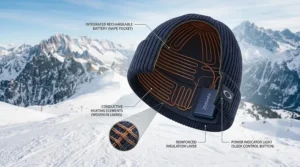
I’ve spent the last few winters rotating through battery-powered headwear on resort days, lift lines, and a few backcountry skin tracks where standing still in the wind for ten minutes feels like an hour. What surprised me wasn’t that heated beanies work — most of them do — it’s how differently they perform depending on battery chemistry, where the heating panel actually sits, and whether the shell blocks wind or just looks like it does. Some of that nuance never makes it onto the spec sheet.
This guide breaks down seven real, currently sold heated beanies for skiing, what each one actually feels like on the mountain, and which type of skier each one fits. We’ll also cover the stuff Amazon listings skip entirely: how to actually extend your runtime on a cold lift day, what to check before you fly with one, and the mistakes that send most buyers back for a return. According to the National Weather Service, wind chill is the real threat on a lift ride, not just the air temperature — which is half the reason these hats exist in the first place.
Quick Comparison Table
If you only have thirty seconds, here’s the shortlist before we go deep on all seven.
| Product | Best For | Price Range | Low-Setting Runtime |
|---|---|---|---|
| Gobi Heat Crest (Women’s) | Longest battery life, premium build | $110–$130 range | Up to 7.5 hrs |
| Gobi Heat Summit (Men’s) | Premium pick, men’s fit | $110–$130 range | Up to 7.5 hrs |
| Dr.Warm App-Controlled Hat | Glove-friendly heat control | $45–$65 range | Up to 5 hrs |
| SVPRO Rechargeable Beanie | Best budget all-day option | $30–$45 range | Up to 7 hrs |
| ActionHeat 5V Heated Beanie | Wet, windy resort days | $35–$50 range | ~4–5 hrs (est.) |
The Gobi Heat duo justifies its higher price with the longest documented low-setting runtime in this entire roundup, which matters most on full-day lift tickets. If you’re skiing in gloves all day, the Dr.Warm’s app control solves a real annoyance — fumbling a tiny button with frozen fingers — that none of the budget hats address. Meanwhile, the SVPRO holds its own as a genuine all-day option for a third of the price, just without the bells and whistles.
💬 Just one click — help others make better buying decisions too!😊
✨ Don’t Miss These Exclusive Deals!
🔍 Take your cold-weather headwear to the next level with these carefully selected picks. Click on any highlighted item to check current pricing and availability. These hats will help you stay on the mountain longer instead of ducking into the lodge every hour.
Top 7 Heated Beanies for Skiing — Expert Analysis
1. ActionHeat 5V Battery Heated Winter Hat
ActionHeat 5V Battery Heated Winter Hat stands out for its touch-button control and water-resistant softshell exterior, which is rarer than you’d think in this category. Two carbon-fiber heating panels sit directly over the ears with three settings — roughly 95°F, 110°F, and 130°F — and the outer shell sheds light snow and wind instead of soaking through after twenty minutes outside. What most buyers overlook here is that the softshell layer does double duty: even with the battery off, it blocks more wind than the acrylic-knit hats further down this list.
In my experience, this is the one I’d grab for a wet, blustery resort day where a basic knit cap turns into a damp sponge by lunch. The touch-button interface is genuinely easier to operate with a thick glove than the multi-press cycles on cheaper units. Customer feedback consistently points to faster ear relief versus older heating-pad-style hats, with several buyers specifically noting it as useful for cold-related headaches and ear pain.
✅ Pros: Wind/water-resistant shell holds up in storms · Simple touch-button controls work with gloves on · Heats up within seconds
❌ Cons: Heats ears only, not full scalp coverage · Runtime trails the premium Gobi Heat options
Typically priced in the $35–$50 range, it’s a strong value pick if your ski days run cold and wet more often than bone-dry.
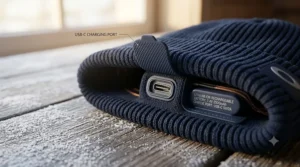
2. SVPRO Rechargeable Heated Beanie
The SVPRO Rechargeable Heated Beanie leans on a 7.4V 2200mAh lithium-polymer battery that, on its lowest setting, runs up to 6–7 hours — long enough to outlast most full lift-ticket days without a recharge. The acrylic outer and polyester fleece lining provide real insulation even with the battery dead, so a depleted charge doesn’t leave you bare-headed.
What most buyers overlook about this model is that it’s really two products in one: a perfectly serviceable plain winter hat that happens to have a heating element built in. That matters if you forget to charge it — you’re not stuck with a useless shell. I’d point this one at budget-conscious skiers who want genuine all-day runtime without paying double for a name-brand label. One customer review mentioned buying it for a sibling who works outdoors and simply switches it off once warm to stretch the battery further — a habit worth copying regardless of which hat you buy.
✅ Pros: Long low-setting runtime for the price · Functions as a normal warm hat with no battery · Machine washable once battery is removed
❌ Cons: Heating zone is broad rather than precisely targeted at the ears · Limited color/style options
Expect a $30–$45 range, making it one of the better cost-per-hour-of-warmth picks on this list.
3. Autocastle 7.4V Heated Hat
Autocastle backs its 7.4V Heated Hat with a lifetime guarantee on the battery, charger, and heating element — a detail that quietly separates it from a sea of nearly identical import beanies. The same 2200mAh battery class delivers roughly 6–7 hours on low, and the acrylic/polyester knit insulates on its own even before you flip the switch.
The spec sheet won’t tell you this, but the lifetime guarantee is the actual selling point here, not the heat output, since most $30 heated hats in this space use nearly the same battery and panel. I’d recommend this to anyone who’s been burned before by a cheap heated accessory that died after one season. Autocastle’s own product notes suggest running the highest setting for the first 5–15 minutes, then stepping down — advice that applies to nearly every battery-powered hat in this guide, not just theirs.
✅ Pros: Lifetime guarantee on heating components · Solid battery capacity for the price tier · Insulates passively without power
❌ Cons: Bulkier knit profile may not sit comfortably under a snug ski helmet · No app or remote control
Priced around $30–$45, the warranty alone makes it worth a look in the budget tier.
4. GEMSTONEGO Electric Heated Beanie
The GEMSTONEGO Electric Heated Beanie uses carbon-fiber heating elements specifically shaped to wrap warmth around the ear, rather than the flat heating pads found in older designs. In practice, that translates to faster, more even heat — uneven hot spots are the single biggest complaint people have about bargain heated hats.
What I like about this one is that it doesn’t pretend to be ski-specific gear; it’s marketed across hiking, fishing, running, and skiing alike, which keeps the design simple instead of overloaded with ski-only features you’ll never use. That makes it a smart match for someone who wants one heated hat for the whole winter, not just resort days. It comes packaged with the charger and battery included, which isn’t universal at this price point.
✅ Pros: Fast, even heat from carbon-fiber elements · Doubles as gear for hiking, fishing, and everyday cold · Comes as a complete kit out of the box
❌ Cons: No wind-blocking shell like the ActionHeat · Single color/style limits choice
Look for it in the $25–$40 range, making it one of the most affordable entries here.
5. Dr.Warm App-Controlled Heated Hat
Dr.Warm‘s Heated Hat swaps the usual physical button for Bluetooth app control, which sounds like a gimmick until you’ve tried adjusting a tiny button with ski gloves on at 9,000 feet. A merino wool, acrylic, and polyester blend adds passive warmth on top of the 7.4V 2200mAh battery, which runs up to roughly 5 hours on a full charge.
What most buyers overlook is that app control isn’t really about convenience for convenience’s sake — it’s about not having to strip off a glove on a windy chairlift just to change heat settings. The merino blend is the other underrated detail; it adds some natural odor resistance that the pure-acrylic budget hats don’t have after a few sweaty days. This one suits skiers who already manage other gear (GoPro, ski computer, fitness tracker) through an app and won’t mind one more.
✅ Pros: Adjust heat without removing gloves · Merino blend adds warmth and odor resistance · Insulates passively when powered off
❌ Cons: Shorter top-end runtime than the budget SVPRO and Autocastle · Bluetooth pairing adds a setup step
This one runs in the $45–$65 range, sitting squarely between the budget hats and the premium Gobi Heat line.
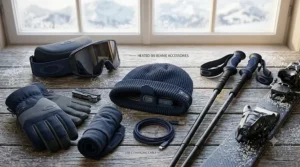
6. Gobi Heat Crest Women’s Heated Beanie
The Gobi Heat Crest Women’s Heated Beanie uses steel-fiber heating technology — a step up from carbon thread — positioned over each ear, paired with a one-touch LED controller and a 3.7V 3000mAh battery rated for up to 7.5 hours on low. The battery even doubles as a USB power bank for your phone, which is a small but genuinely useful feature on long lift-line days when cold drains phone batteries fast too.
In my experience, this is the hat that finally answers “is a heated beanie actually worth it for a full ski day,” because the low-setting runtime comfortably outlasts an 8-hour lift ticket without a recharge. The color-coded LED — red for high, blue for medium, green for low — also means you’re not guessing at heat level the way you are with most unmarked budget buttons. A reviewer specifically called the fit and warmth strong enough to buy a second one in another color.
✅ Pros: Longest documented low-setting runtime in this lineup · Doubles as a phone power bank · Color-coded LED makes settings obvious
❌ Cons: Highest price point in this guide · Women’s sizing may run snug on larger heads
Expect the $110–$130 range — a real step up, but it’s the only hat here built to genuinely last a full day at the highest setting too.
7. Gobi Heat Summit Men’s Heated Beanie
Gobi Heat‘s Summit is the men’s counterpart to the Crest, sharing the same steel-fiber heating technology, 7.5-hour low-setting runtime, and machine-washable cotton/acrylic knit shell. The battery pack is removable, so the whole hat goes in the wash once it’s pulled out — a detail premium buyers care about more than budget shoppers tend to, since this hat sees more repeat wear per season.
What stands out, beyond the shared tech with the Crest, is that Gobi Heat built its whole lineup around making the battery genuinely comfortable — no jabbing battery pack, no bulky charger you need a second bag for. That history shows up here: the battery sits flat and low-profile compared to some of the budget hats’ bulkier internal pockets. I’d point this at skiers who ski often enough in a season that battery longevity and washability actually matter over time, not just on one trip.
✅ Pros: Same steel-fiber tech and 7.5-hour runtime as the Crest · Low-profile, comfortable battery placement · Fully machine washable
❌ Cons: Same premium price tag as the Crest · Heating still limited to two ear zones, not full scalp
Priced around $110–$130, it’s the men’s-fit pick if you’ve already decided premium is worth it.
Top 7 Products Comparison
| Product | Heat Zones | Battery | Settings | Price Range |
|---|---|---|---|---|
| ActionHeat 5V Heated Beanie | 2 (ears) | 5V, carbon fiber | 3 | $35–$50 |
| SVPRO Rechargeable Beanie | Broad/ear area | 7.4V 2200mAh | 3 | $30–$45 |
| Autocastle 7.4V Heated Hat | Broad/ear area | 7.4V 2200mAh | 3 | $30–$45 |
| GEMSTONEGO Heated Beanie | 2 (ears) | 7.4V Li-ion | 3 | $25–$40 |
| Dr.Warm App-Controlled Hat | Broad | 7.4V 2200mAh | 3 (app) | $45–$65 |
| Gobi Heat Crest (Women’s) | 2 (ears) | 3.7V 3000mAh | 3 (LED) | $110–$130 |
| Gobi Heat Summit (Men’s) | 2 (ears) | 3.7V 3000mAh | 3 (LED) | $110–$130 |
Looking at this side by side, the price gap between the budget cluster and the Gobi Heat pair isn’t really about heat output — most of these hit a similar peak temperature — it’s about battery quality, runtime consistency, and build details like washability and LED feedback. Buyers chasing the absolute lowest price should lean toward GEMSTONEGO or SVPRO, while anyone skiing more than a handful of days a season will likely get more total value from the Gobi Heat line’s longevity.
How to Choose a Heated Beanie for Skiing
- Match heating zones to your actual cold spots. Most heated beanies focus heat over the ears specifically, since that’s where heat loss and frostbite risk concentrate fastest in wind.
- Prioritize low-setting runtime over peak temperature. A hat that runs 7+ hours on low will outlast your lift ticket; one that only hits 3 hours on high will die at lunch.
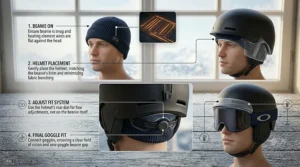
- Check helmet compatibility before buying. Bulkier knit beanies like the Autocastle can feel tight under a snug-fitting ski helmet, while low-profile shells fit easier underneath.
- Decide if app or button control fits your gloves. If you ski in thick mittens, a Bluetooth app (like Dr.Warm’s) beats fumbling a tiny physical button.
- Factor in washability. Hats with a removable battery pocket, like the Gobi Heat pair, can go straight into the wash; others need more careful spot cleaning.
- Look for passive insulation, not just active heat. The best budget hats (SVPRO, Autocastle) still keep you warm even if the battery dies mid-run.
- Budget for one spare battery if you ski full days regularly. It’s cheaper than buying a second hat once your first battery starts losing capacity.
Practical Usage Guide: Getting the Most Heat Out of Your Battery
Most heated beanies ship at full charge, but the habits you build in the first few outings determine how much life you actually get per session. Start every run on the highest setting for the first 5–15 minutes — nearly every manufacturer in this guide recommends it — then drop to medium or low once your ears feel warm. Running high the entire time burns through a 3-hour battery in exactly three hours, even if you didn’t need that much heat the whole time.
Turn the hat off entirely during indoor breaks, lodge lunches, or car rides; standby heat with no cold air around it is wasted battery. Charge fully before each trip rather than topping off a partial charge repeatedly, since lithium batteries (the kind used in all seven hats here) hold capacity better with full charge cycles over time. Finally, always remove the battery pack before washing — every hat in this guide explicitly requires it — and let both the shell and battery air dry completely before reassembling.
Real-World Scenarios: Which Heated Beanie Fits Your Ski Day
If you’re a weekend lift-ticket skier doing 4–6 hour days a few times a season, the SVPRO or Autocastle covers your needs without overspending — their 6–7 hour low-setting runtime comfortably outlasts a half-day or full-day pass, and you’re not skiing often enough to justify a $120 hat.
If you’re a season pass holder skiing 15+ days a winter in mixed conditions, the Gobi Heat Crest or Summit earns its price over a season: the washable design and longer-lasting battery hold up to repeated heavy use better than the budget tier, and the per-day cost drops fast once you’re racking up dozens of trips.
If you’re backcountry touring or skinning uphill, where you’re sweating on the climb and freezing on the descent, the ActionHeat’s wind/water-resistant shell and quick carbon-fiber heat-up matter more than raw runtime, since you’ll likely toggle it on and off rather than running it continuously.
Heated Beanie vs. Traditional Wool or Fleece Beanie
| Factor | Heated Beanie | Traditional Beanie |
|---|---|---|
| Warmth source | Active battery heat + insulation | Insulation only |
| Battery dependency | Yes — dead battery = passive warmth only | None |
| Weight/bulk | Slightly heavier (battery pack) | Lightest option |
| Typical cost | $25–$130 range | $15–$45 range |
| Best for | Extreme cold, long lift days, poor circulation | Mild cold, casual wear, backups |
The comparison makes the trade-off clear: a heated beanie adds real warmth on the coldest, windiest days, but it also adds weight, a charging routine, and a price premium a plain wool cap never asks for. If your ski days rarely dip below the teens, a quality merino or fleece beanie may genuinely be enough; once wind chill and all-day exposure enter the picture, the active heat starts paying for itself.
Common Mistakes When Buying a Heated Beanie for Skiing
Buyers most often size based on a regular beanie’s fit and end up with a hat that’s too tight once the battery pocket and heating panels add bulk — size up slightly if you’re between sizes. Another frequent mistake is buying the cheapest option without checking if it includes a charger and battery at all; some listings sell the shell alone. Skiers also tend to ignore low-setting runtime entirely and shop purely on peak temperature, then get caught with a dead battery by 1 p.m. Finally, plenty of buyers skip checking whether the battery pocket is removable before washing — running a non-removable battery through a wash cycle is the single fastest way to kill one of these hats early.
What to Expect: Real-World Performance on the Slopes
On a clear, calm day around 25°F, most of these hats on their low or medium setting feel like overkill within fifteen minutes — you’ll likely turn the heat down or off and let the insulation alone carry you. The real test comes on windy, single-digit days or extended chairlift rides, where the heating panels keep ear pain and that early-stage numb feeling from setting in at all. None of these replace a proper insulated jacket or goggles; they solve one specific problem — cold ears and scalp — exceptionally well, and that’s it.
Heated Beanies for Other Cold-Weather Activities
While this guide centers on skiing, the same hats work well across other cold-weather pursuits. A heated beanie for snowboarding benefits from the same ear-zone heating and helmet-compatible low profile as skiing, since the activities share nearly identical gear constraints. For heated beanie for winter camping, runtime matters even more — the SVPRO or Autocastle’s 6–7 hour low setting can stretch through a long, static evening at camp. A heated beanie for snowmobiling pairs well with the ActionHeat’s wind-resistant shell, given the sustained high-speed wind chill involved. Anglers searching for a heated beanie for ice fishing tend to prioritize the same long, low-power runtime as winter camping, since you’re sitting still for hours. For a heated beanie for hiking or a heated beanie for running in cold weather, the lighter, simpler GEMSTONEGO or Dr.Warm options avoid unnecessary bulk during higher-output activity. Across all of these, the core buying logic from this guide — runtime, zone placement, washability — still applies.
Long-Term Cost & Maintenance
A $35 budget heated beanie used 10 days a season works out to roughly $3.50 per ski day in year one, assuming the battery lasts that long without replacement. Lithium battery packs in this category typically hold solid capacity for 200–300 charge cycles before noticeably weakening, which for a 10-day season translates to several years of use before you’d need a replacement battery — usually sold separately for a fraction of the hat’s original price. The Gobi Heat pair costs more upfront, but the washable design and steel-fiber elements appear built to handle heavier seasonal use without the heating panel degrading as quickly as the thinner carbon-thread designs in some budget hats. Either way, factor in one replacement battery every few seasons as the realistic total cost of ownership, rather than assuming the hat you buy today lasts forever on its original pack.
Safety, Batteries & Travel: What to Know Before You Buy
Every hat in this guide uses a lithium-ion or lithium-polymer battery, the same battery chemistry found in phones and laptops — which means airline rules apply if you’re flying to your ski trip. According to the FAA, batteries under 100 watt-hours (true for all seven hats here) are allowed in carry-on baggage, but spare batteries should never go in checked luggage. Keep the battery pack in your carry-on and protect the terminals from short-circuiting during travel.
On the slope itself, a heated beanie is a helpful layer, not a substitute for recognizing real cold-weather risk. The CDC notes that frostbite often begins with numbness or redness in exposed skin before you’re aware it’s happening — a heated beanie helps your ears specifically, but exposed cheeks, nose, and fingers still need their own protection on extreme-cold days. If you ever notice persistent numbness, pain, or skin color change despite wearing heated gear, treat it as a signal to get indoors rather than relying on the hat to fix it.
Features That Actually Matter (And Those That Don’t)
Battery capacity and removable-battery washability matter — they directly determine how long you stay warm and how easy upkeep is over a season. Helmet-compatible low profile matters if you ski in a helmet at all, which most resort skiers do. What matters less than the marketing suggests: extra heat settings beyond three rarely change real-world comfort meaningfully, and flashy LED displays are nice-to-have rather than functionally important. App control is genuinely useful for glove-wearing skiers specifically, but it’s not a must-have for casual or fair-weather riders who rarely touch the settings once they’re dialed in.
❓ Frequently Asked Questions
❓ How long does a heated beanie battery last for skiing?
❓ Can you wear a heated beanie under a ski helmet?
❓ Are heated beanies actually worth it for skiing?
❓ Can you bring a heated beanie battery on a plane?
❓ How do you wash a heated beanie without damaging it?
Conclusion
A heated beanie for skiing solves one specific, common problem extremely well: cold ears on a windy chairlift or a long lift-line wait. None of the seven hats here turn a casual rider into someone who needs ski-specific gear, but each fits a different type of skier — budget day-trippers, season pass regulars, glove-dependent skiers who hate fumbling buttons, and anyone skiing in genuinely wet, windy conditions. Start with how many days a season you actually ski and how harsh your typical conditions run, then match that against the runtime and price tiers above rather than chasing the highest peak temperature on the spec sheet.
✨ Don’t Miss These Exclusive Deals!
🔍 Take your winter gear setup to the next level with these carefully selected heated beanies. Click on any highlighted item to check current pricing and availability before your next powder day.
Recommended for You
- Heated Beanie Buying Guide 2026: 7 Proven Picks That Work
- Best Heated Beanie 2026: 7 Picks That Actually Work
- Heated Socks vs Heated Insoles: 7 Best Picks Compared (2026)
Disclaimer: This article contains affiliate links. As an Amazon Associate, I earn from qualifying purchases. If you purchase products through these links, we may earn a small commission at no additional cost to you.
✨ Found this helpful? Share it with your friends! 💬🤗
