
In This Article
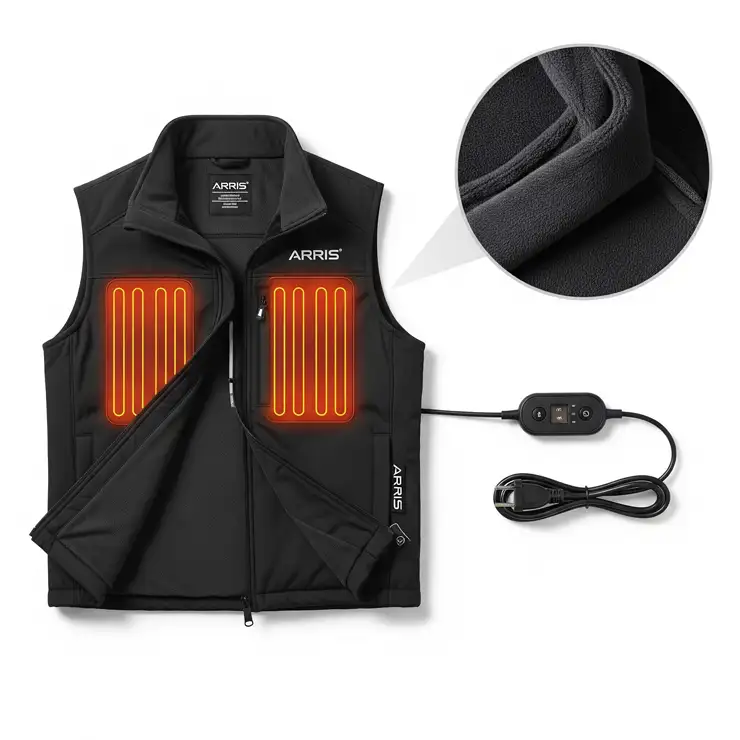
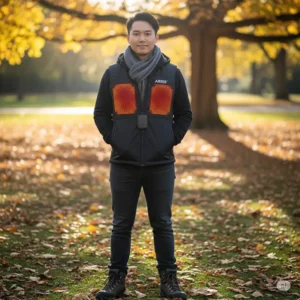
What is an arris heated vest? An arris heated vest is a battery-powered, sleeveless garment from the heated-apparel brand ARRIS. It uses carbon fiber or graphene heating panels across the chest, abdomen, back and collar. A rechargeable battery and a small controller let you pick a heat level and, on most models, switch zones on and off independently.
It’s October 25th. The mornings have teeth now, and your fall jacket is losing the argument.
Heated clothing isn’t new. Heated garments have a long history with motorcyclists, skiers, snowmobilers and outdoor tradespeople, and 7.4V lithium batteries are the most common power system today. What changed is price. A decent arris heated vest now costs less than a mid-range puffer jacket, and it heats your core on demand instead of just hoarding the warmth you already have.
ARRIS has built its reputation on one hook: a patented size-adjustable design, with side panels that let one vest fit a surprisingly wide range of bodies. That matters more than it sounds. A heated vest that gaps at the waist wastes heat, and a heated vest that squeezes your ribs gets returned.
I’ll be straight with you. The arris heated vest isn’t the only good option, and it isn’t flawless. Battery-life reports vary wildly, and some older listings shipped without a battery. This guide covers seven real vests, five from ARRIS and two worthy rivals, and explains what each spec means in practice. It’s built from spec sheets, brand listings and aggregated review sentiment, not invented test stories. Pick the one that matches your winter.
Quick Comparison: 7 Arris Heated Vest Options at a Glance
| Product | Power System | Heating Zones | Claimed Runtime | Price Range | Best For |
|---|---|---|---|---|---|
| ARRIS Fleece Heated Vest (7.4V) | 7.4V 7500mAh | 8 carbon fiber | Up to 10 hrs (brand claim) | ~$90-$140 | Everyday commuting |
| ARRIS 12V Puffer Heated Vest | 12V 20,000mAh | 8 graphene | Up to 12 hrs (brand claim) | ~$100-$140 | Long outdoor shifts |
| ARRIS Golf Softshell Heated Vest | 7.4V 7500mAh | 8 carbon fiber | Not stated | ~$100-$170 | Golf, riding, windy days |
| ARRIS Camo Hunting Heated Vest | 7.4V 7500mAh | 8 FIR carbon fiber | Not stated | ~$90-$150 | Hunting, stand sitting |
| ARRIS 12V Fleece Heated Vest | 12V (UL-certified) | 8 graphene | 16 / 6 / 3 hrs (low/med/high) | ~$100-$150 | Heat-hungry layering |
| ORORO Men’s Lightweight Heated Vest | 7.4V USB-C pack | 4 carbon fiber | Up to 10 hrs (brand claim) | ~$110-$170 | Light, simple warmth |
| Venustas Heated Vest | 7.4V, 5K-10K pack | 5-6 elements | 8-20 hrs (brand claim, by pack) | ~$75-$130 | Budget-minded buyers |
Looking at the table, the ARRIS 12V Puffer and ARRIS 12V Fleece are the two to beat on raw heat and runtime, while the ARRIS Fleece 7.4V is the safest all-rounder. The ORORO Lightweight trades zones for a slimmer profile and simpler controls. Budget buyers should note that the Venustas Heated Vest can undercut the field, but its runtime figures come from the brand rather than independent testing.
💬 Just one click — help others make better buying decisions too!😊
Top 7 Arris Heated Vest Options: Expert Analysis
Every pick below gets the same treatment: what stands out, what the specs mean for your day, what buyers keep saying, and where the compromises hide. Prices are ranges only, because they shift constantly. Check current pricing before you buy.
1. ARRIS Fleece Heated Vest (7.4V) — fleece comfort that works unplugged
This is the model most people picture when they search for an arris heated vest, and the fleece liner explains why. It feels like a cozy vest first and a gadget second.
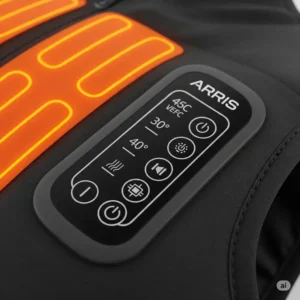
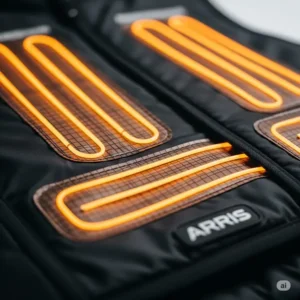
The spec sheet lists eight carbon fiber panels across the collar, chest, abdomen and back. It has three independent controllers and five heat levels from about 104°F to 158°F. In practice, you can run the collar and back on low while a warm office keeps your belly off. The 7.4V 7500mAh battery and a 20W charger come in the box, and the brand claims up to 10 hours of runtime. Treat that as a best case, since high heat drains the pack far faster than low.
On paper, this is the default recommendation for commuters, dog walkers and desk-bound people with drafty offices. Reviewers consistently praise the fit, since the patented six-side-panel design means many people skip the size-up-or-down guessing game. Battery sentiment is mixed. One third-party aggregation of Amazon feedback included a buyer getting around five hours on medium and another reporting roughly one hour on medium early on. It also flagged that Amazon had altered some reviews, so read those numbers as directional.
Pros:
- ✅ Adjustable side panels fit a wide range of bodies
- ✅ Soft fleece liner feels cozy even when switched off
- ✅ Three independent zone controls
Cons:
- ❌ Battery adds noticeable weight to the vest
- ❌ Reported runtime varies widely by heat level
Expect roughly the $90-$140 range depending on retailer. Value verdict: strong, as long as you buy a fresh, genuine battery pack and don’t live on “high.”
2. ARRIS 12V Puffer Heated Vest — biggest battery in the ARRIS lineup
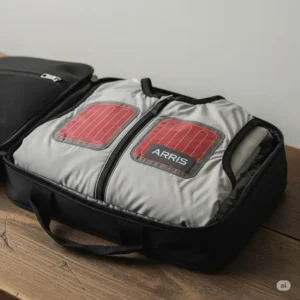
If you hate recharging mid-week, start here. The headline spec is a 20,000mAh UL-certified battery that the brand says lasts up to 12 hours.
It has eight graphene heating zones covering chest, abdomen, back, neck and waist. Four smart-control buttons let you heat one, two or all zones. Graphene panels spread heat evenly across the fabric, so you get fewer “hot rectangle, cold gap” moments. A three-layer build (water-resistant polyester shell, cotton padding, fleece lining) means it still insulates with the power off. The longer cut and two-way YKK zipper are quietly clever. You can unzip the bottom while seated in a truck or at a desk, and the vest won’t bunch at your hips.
My read is that it suits outdoor workers, ranchers and anyone who spends full days outside. Review history is thin, because the brand store listed no reviews when I checked, so there’s no sentiment to aggregate. I won’t invent any. What the spec comparison does tell you is that 12V packs are a different ecosystem. Don’t assume you can swap in a random USB power bank.
Pros:
- ✅ Large 20,000mAh battery for long days
- ✅ Even graphene heating across eight zones
- ✅ Four zippered side pockets plus a longer cut
Cons:
- ❌ 12V battery isn’t interchangeable with standard USB banks
- ❌ Limited public review history so far
Expect roughly $100-$140. Value verdict: excellent if runtime is your priority, but it’s riskier for people who want a track record.
3. ARRIS Golf Softshell Heated Vest — windproof shell for fairways and bike seats
Wind is the villain on a cold golf course, and this softshell is built to ignore it. The windproof outer fabric matters because moving air strips heat off your torso faster than the heating elements can replace it.
It has eight carbon fiber zones: collar, chest, abdomen and back. There are three independent heating controls (the brand describes four buttons) and five heat levels. A 7.4V 7500mAh battery and a 20W fast charger come in the package, along with a laundry bag. The listed vest length is about 29.5 inches, which lands near the belt line on most people. That’s useful for swinging a club, because it doesn’t bunch under a bag strap or jacket.
Here’s what to weigh. A softshell is less cuddly than fleece, but it breathes better when you’re moving. For golfers, cyclists, and riders who want a slimmer silhouette than a puffer, that trade usually favors the softshell. At the time of research the brand’s store listed no reviews, so there’s no aggregated sentiment to report. Your best proxy is the general fit praise across the lineup.
Pros:
- ✅ Windproof shell blocks heat-stealing gusts
- ✅ Streamlined cut moves freely during activity
- ✅ Fast charger and laundry bag included
Cons:
- ❌ Less plush than fleece models
- ❌ No review history on the brand listing yet
Expect roughly $100-$170, since list prices run high and promotions come and go. Value verdict: good for active use, only so-so if you just want couch-and-commute warmth.
4. ARRIS Camo Hunting Heated Vest — near-silent fabric for stand sitting
Stillness is where hunters freeze. Your body stops generating heat, and sweat from the walk in turns against you. This vest’s pitch is quiet fabric plus steady warmth.
The brand describes a lightweight, waterproof, noiseless outer shell in a Ghostveil camo pattern, with a microfiber fleece lining. Heat comes from far-infrared carbon fiber panels, eight in all: two on the belly, two on the chest, three on the back and one at the neck. Three buttons and five levels (about 104°F-158°F) let you run just the back and neck during a long sit, which saves battery. The 7.4V 7500mAh LiPo pack follows the same platform as the fleece model.
“Noiseless” is a brand claim, so judge it against your own tolerance for rustle. One reviewer on the brand’s page loved how well it works, but wished the back were longer to cover the rear. That’s a useful fit note if you sit on cold metal stands.
Pros:
- ✅ Camo pattern with quiet, waterproof outer fabric
- ✅ Targeted back and neck heating for long sits
- ✅ Soft microfiber fleece lining
Cons:
- ❌ Back hem runs short for some wearers
- ❌ Runtime isn’t published per heat level
Expect roughly the $90-$150 band, with check-current-price as the rule. Value verdict: smart for hunters, overkill for office use.
5. ARRIS 12V Fleece Heated Vest — the one that publishes honest runtimes
I like it when a brand shows its math. This vest lists runtime per setting: about 16 hours on low, 6 on medium, and 3 on high. That’s far more useful than “up to 12 hours.”
It’s built on eight graphene panels grouped into three zones, with five heat modes. The brand says it reaches about 140°F in seconds, powered by a UL-certified 12V battery with Type-C charging. There’s one upper pocket and four zippered side pockets, and the nylon-and-polar-fleece build can be hand or machine washed. One caution: the listing quotes a top temperature of 158°F in the spec line and 176°F elsewhere, so confirm the number before you buy.
What the spec sheet won’t tell you is how you’ll actually use it. If you run low all day and kick it to high for the cold commute, that runtime table shows you can plan around it. This is the best arris heated vest here for people who like data.
Pros:
- ✅ Per-setting runtime figures you can plan around
- ✅ Graphene heating spreads warmth evenly
- ✅ Five pockets, including a handy upper one
Cons:
- ❌ Inconsistent max-temperature figures in the listing
- ❌ 12V battery limits interchangeability
Expect roughly $100-$150. Value verdict: strong for planners, mildly irritating for anyone who dislikes proprietary packs.
6. ORORO Men’s Lightweight Heated Vest — slim USB-C simplicity from a rival
Not every cold-weather problem needs eight zones. This one trades coverage for a slim, puffer-style profile that disappears under a coat.
It has four carbon fiber zones: collar, mid-back and two hand-warming pockets. Three heat settings run off a 7.4V UL-certified battery that charges over USB-C, and a USB port lets you top up a phone. The brand claims up to 10 hours, and one buyer reported roughly 8-9 hours on low. The BlueSign-certified insulation keeps it warm when unpowered, and the stand-up collar traps heat around your neck.
On the retailer listings I found, ratings sit in the high-4s. Reviewers like the neck element and USB-C charging, and some bought a second battery for long days. One wished the fit were closer to hold in warmth. The trade-off is zoning. You choose a heat level rather than switching individual panels, as far as the listings describe. That’s perfect if you want “press button, get warm,” and annoying if you like fine control.
Pros:
- ✅ Slim puffer profile layers easily
- ✅ USB-C charging means no proprietary charger
- ✅ Heated pockets warm cold hands
Cons:
- ❌ Only four heating zones
- ❌ Fit can run loose for slim wearers
Expect roughly $110-$170. Value verdict: fair, and a good pick for minimalists.
7. Venustas Heated Vest — the budget challenger
If price is your tiebreaker, look here. Venustas is one of the two names, alongside ORORO, that keeps surfacing in comparison guides, and its entry pricing is aggressive.
The brand’s own materials say its 7.4V vests typically ship with a 5K battery that powers five to six heating elements for roughly 8-9 hours, while a 10,000mAh pack can stretch to 20 hours. Those are brand claims. The Venustas range is large (quilted, fleece and puffer variants), so zones and specs vary by model. Check the listing for the exact vest you’re eyeing.
Here’s the useful part: the brand’s own guidance notes that a 5V USB bank on a 7.4V vest yields only a fraction of the intended heat. That advice applies to every vest in this guide, ARRIS included. Match the voltage, or you’ll blame the vest for the battery’s sins.
Pros:
- ✅ Aggressive entry pricing among known brands
- ✅ Wide range of styles and battery options
- ✅ Larger packs offer very long claimed runtime
Cons:
- ❌ Runtime numbers come from the brand, not independent tests
- ❌ Specs vary a lot by model, so read carefully
Expect roughly $75-$130. Value verdict: very good if budget rules and you’re willing to read the fine print.
How to Choose an Arris Heated Vest (7 Steps That Actually Matter)
Picking the right arris heated vest comes down to seven questions. Answer them in order and the shortlist writes itself.
- Decide your voltage first. The 7.4V models (fleece, golf, camo) use a lighter pack, while the 12V models (puffer, 12V fleece) offer bigger runtime. Voltage determines which batteries you can ever swap in.
- Check your real runtime need. If you’re outside four hours, a 7500mAh pack on low is fine. For full shifts, favor the 20,000mAh puffer or carry a spare.
- Match the shell to the weather. Wind calls for softshell, damp mornings for water-resistant polyester, and indoor-outdoor days for fleece.
- Count the zones you’ll actually use. Eight zones with independent control let you save battery. Four zones with one dial are simpler.
- Confirm the battery is included. Some older ARRIS listings sold the vest alone, so verify “battery and charger included.”
- Test the fit logic. The side-panel design helps, but check the vest length against your torso, especially for sitting or bending.
- Read care instructions. Machine-washable is convenient. Just remove the battery first.
Arris Heated Vest vs Traditional Alternatives
Is a heated vest actually better than a good down vest or an extra fleece? The answer depends on whether you’re moving or standing still.
| Option | Warmth Source | Strength | Weakness | Best For |
|---|---|---|---|---|
| ARRIS Fleece Heated Vest (7.4V) | Battery-powered carbon fiber | On-demand heat when you’re still | Needs charging, adds weight | Commuters, desk workers |
| Down vest | Trapped body heat | No batteries, packs small | Stops helping when you stop producing heat | Active hikers |
| Fleece vest | Trapped body heat | Cheap and breathable | Little wind protection | Mild days |
| Extra jacket layer | Trapped body heat | Simple | Bulky, restricts movement | Short exposures |
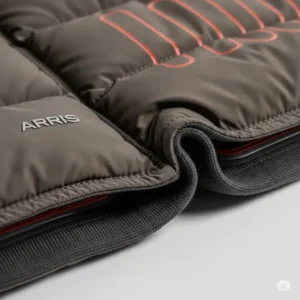
Passive insulation only holds the heat your body makes. The moment you stop moving, a down vest’s output stops too. An arris heated vest adds a heat source, which is why it shines in cold-standing situations like bus stops, tree stands and sidelines.
The CDC’s NIOSH guidance on cold stress recommends several layers of loose clothing, because layering insulates better and lets you shed a layer if you overheat. A heated vest fits that advice nicely as a mid-layer. It’s also a reminder that heated clothing isn’t a substitute for hats, gloves and dry socks.
7.4V vs 12V: Which Arris Heated Vest Battery System Fits You?
This is the section most buyers skip and then regret. The two ARRIS battery families aren’t casually interchangeable.
7.4V models (the fleece, golf and camo vests) use a 7500mAh lithium-polymer pack that’s lighter and cheaper to replace. Since 7.4V is the most common system in heated clothing generally, spare packs and compatible third-party options are easier to find. The catch is runtime. A 7500mAh pack won’t match a 20,000mAh one, so heavy users should budget for a second battery.
12V models (the puffer and 12V fleece) run bigger packs and publish stronger runtime numbers. The 12V fleece’s low, medium and high figures of 16, 6 and 3 hours are the clearest example. The trade-off is ecosystem lock-in. You’ll want ARRIS-compatible 12V batteries rather than whatever USB bank is in your desk drawer.
Here’s the decision rule I’d use. If you’re a commuter or weekend hiker, take 7.4V for weight and flexibility. If you’re an all-day outdoor worker, take 12V for endurance. Whichever you pick, don’t power a 7.4V vest from a 5V USB bank. Voltage mismatch gives you lukewarm heat and a wasted purchase.
Features That Actually Matter (And Those That Don’t)
Marketing copy loves big numbers. Here’s what’s worth caring about on an arris heated vest, and what’s noise.
Features that matter:
- Independent zone control. It lets you stretch battery life by heating only your back and neck on mild days.
- Honest runtime data. Per-setting figures beat “up to” claims every time.
- Fit adjustability. A vest that doesn’t gap heats better, and ARRIS’s side-panel design is a real differentiator.
- Certified batteries. UL certification is a reasonable baseline for a lithium pack worn against your body.
- Unpowered insulation. A fleece or quilted build keeps you comfortable when the battery dies.
Features that matter less:
- Maximum temperature. 158°F sounds fierce, but most people live on low or medium. Nobody wants a hot plate strapped to their back.
- Zone count above eight. Past a point, more panels add complexity and not much comfort.
- Phone-charging ports. Handy, but they drain the same battery you bought for warmth.
- Style names. “Light luxury” is not a spec.
Judge the vest by its runtime table, fit and build, not by the loudest bullet point on the listing.
Arris Heated Vest for Men and Women: Fit, Sizing and Who Benefits Most
ARRIS markets its vests as unisex-adjustable, and the patented side-panel design really is aimed at covering a wide range of body shapes. Still, there are real differences worth knowing.
Men’s versions run longer, and the combined weight with battery and charger is listed around 1.5kg for the fleece model. Taller wearers should check vest length, since the golf and fleece listings quote about 29.5 inches.
Women’s versions are lighter, with the combo listing putting the women’s fleece vest at about 1.3kg including battery and charger. A listing for the women’s arris heated vest with an upgraded battery also appeared in holiday deal roundups. If you prefer a closer fit, the adjustable panels let you cinch the sides.
Beginners should start with the ARRIS Fleece 7.4V. It’s simple and forgiving. Hunters and outdoor workers benefit most from the ARRIS 12V Puffer or ARRIS Camo Hunter. Seniors and people who run cold often like the fleece models, since the liner keeps the vest comfortable without needing high heat. If you have a medical condition affecting circulation or skin sensation, talk to your doctor first. Heated clothing isn’t something to experiment with blindly.
Long-Term Cost and Maintenance: What an Arris Heated Vest Really Costs
The sticker price is only the first line of the bill. Real ownership cost includes spare batteries, charging habits and how long the vest lasts.
| Cost Factor | Budget Approach | Premium Approach |
|---|---|---|
| Vest | Venustas Heated Vest (~$75-$130) | ORORO Lightweight (~$110-$170) |
| Spare battery | Often needed for full days | Included large pack (e.g., ARRIS 12V Puffer) |
| Replacement lifespan | Varies by use and care | Varies by use and care |
| Best For | Casual users | Daily users |
In plain terms, a 20,000mAh pack costs more up front but can save you from buying a second battery. A cheaper vest with a small pack may cost more over a winter if you end up buying spares.
There’s also an energy angle. Low-tech Magazine notes that heated clothing doesn’t save energy outdoors, but indoors it can let you keep the thermostat lower while staying comfortable. If you work in a chilly garage or a drafty home office, the economics get friendlier.
Maintenance is light. Charge the battery fully before storing it, keep it out of hot cars, remove it before washing, and check the connector for wear. That last point matters, because one local-news write-up mentioned a buyer who worried about a thin USB connector on an earlier ARRIS vest.
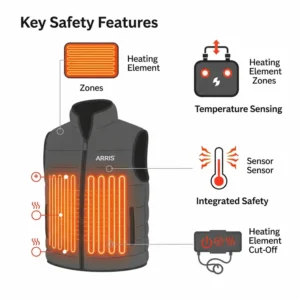
Safety, Batteries and What to Look For in a Heated Vest
A heated vest puts a lithium battery against your torso, so safety deserves a straight answer. Heated apparel is generally safe when it’s built properly, but quality varies.
Look for these markers:
- A certified battery. UL certification on the pack is a baseline.
- Thermal protection. ARRIS lists a built-in thermal protection module on some models.
- Low-voltage design. 7.4V and 12V systems are far gentler than mains power.
- Clear charging instructions. Use the supplied charger and cable.
Be wary of unbranded packs and sketchy “universal” batteries. A mismatched voltage can underheat the vest, or worse, stress the battery. One local-news account described a buyer returning an early ARRIS vest as defective because she didn’t feel safe wearing it. That’s a single anecdote and the buyer herself suggested it could have been a fluke, but it shows why buying the vest and battery as the manufacturer intended is a smart default.
Treat the battery like any lithium device. Stop using it if it swells, smells odd or gets unusually hot. Don’t charge it under a pillow or on a couch. Don’t leave it in a hot car.
Setup Guide: Getting the Most From Your Arris Heated Vest in the First 30 Days
Out of the box, a heated vest is simple. The habits you build in week one decide whether it’s a favorite or a drawer-filler.
Day 1: Charge before first wear. Fully charge the battery with the supplied charger. Both 7.4V and 12V packs are happiest with a proper first charge.
Week 1: Learn your zones. Start on low with all zones on, then turn off what you don’t need. Most people find low or medium is plenty. High is a sprint setting.
Charging habits. Official fire-safety guidance from Washington State Patrol says to use only the cord provided, unplug when fully charged, keep batteries at room temperature, and avoid charging on beds or sofas. Follow the same rules for your vest battery.
Layering. Wear a thin, breathable base layer under the vest. Cotton gets damp and cold, so wool or synthetic fabrics work better. Put your jacket over the vest to trap the heat.
Common first-month mistakes. Cranking everything to high, forgetting to recharge before a trip, and washing with the battery still inside. Remove the battery, zip the zippers, use the laundry bag if one’s included, and follow the care label.
Real-World Scenarios: Which Arris Heated Vest Fits Which Life?
Specs are abstract. Here are three buyer profiles matched to the vests above.
The college student commuter. You bike or walk about eight miles a day in a Midwest winter, on a tight budget. You’d run the vest for an hour or two at a time, mostly on low. The ARRIS Fleece 7.4V works because the fleece liner and adjustable fit survive a backpack, and you can charge it overnight. If cash is tighter, the Venustas Heated Vest is the budget alternative.
The construction or ranch worker. You’re outside eight to ten hours in sub-freezing temperatures, five days a week. Runtime beats everything else, so the ARRIS 12V Puffer with its large pack is the logical pick. Its longer cut keeps your lower back covered when you bend. If you want honest per-setting runtimes, the ARRIS 12V Fleece gives you the numbers.
The weekend hunter or golfer. You’re out four to six hours at a time, a couple of weekends a month. The ARRIS Camo Hunter suits stand sitting, and the ARRIS Golf Softshell suits wind. Both ride on the same 7.4V platform, so one spare pack can serve either.
If you just want something slim for errands and office days, the ORORO Lightweight handles that cleanly.
✨ Don’t Miss These Exclusive Deals!
🔍 Take your winter warmth to the next level with these carefully selected vests. Click on any highlighted product to check current pricing and availability. The right arris heated vest could be the difference between dreading the commute and actually enjoying it!
Problem and Solution Guide: Fixing Common Arris Heated Vest Headaches
Even a good vest throws the occasional curveball. These are the problems buyers raise most often, with practical fixes.
1. “The battery dies too fast.” Drop to low or medium and turn off zones you don’t need. Also remember that cold temperatures shrink battery capacity, and reviewers have reported widely varying runtimes. A second battery solves the problem for long days.
2. “I can barely feel the heat.” Heat feels subtle through thick layers, and reviewers sometimes describe warmth they didn’t notice until they realized they hadn’t gotten cold. Wear the vest closer to your body, and if you’re using a power bank, make sure its voltage matches the vest.
3. “There’s a gap or cold spot.” Adjust the side panels so the vest sits snug. A loose vest wastes heat, and a vest that’s too short leaves your lower back exposed.
4. “I’m worried about washing it.” Remove the battery, close the zippers and follow the care instructions. Listings say the fleece models can be hand or machine washed.
5. “It won’t charge or power on.” Check the connector for damage, try the supplied cable, and contact the seller if the battery or port looks faulty. Don’t improvise with a different charger.
FAQ: Arris Heated Vest Questions Buyers Actually Ask
❓ Does the arris heated vest come with a battery?
❓ Is the arris heated vest machine washable?
❓ Can I wear an arris heated vest under a jacket?
❓ Can I power an arris heated vest with a regular power bank?
❓ What is the best arris heated vest for hunting?
Conclusion: Is the Arris Heated Vest Worth Buying in 2026?
Here’s the short version. An arris heated vest is a smart buy if you want adjustable fit, independent zone control and a respectable feature set at a mid-range price. It’s a less comfortable buy if you expect effortless, set-and-forget battery life or a long public track record for every model.
Pick the ARRIS Fleece Heated Vest (7.4V) if you want the safe all-rounder. Pick the ARRIS 12V Puffer Heated Vest or ARRIS 12V Fleece Heated Vest if runtime rules your day. Reach for the ARRIS Golf Softshell Heated Vest in wind and the ARRIS Camo Hunting Heated Vest for stand sitting. If you want minimalism, the ORORO Men’s Lightweight Heated Vest earns its place, and the Venustas Heated Vest is the one to watch when budget decides.
Whatever you choose, match the voltage, charge sensibly, and layer like NIOSH tells you to. Warmth is a system, not a single garment. Your core, once it’s comfortable, makes everything else about winter a lot more tolerable.
Recommended for You
- 10 Best Battery for Heated Vest Options That Actually Work in 2025
- 15 Best Voltex Heating Vest Reviews 2025: Ultimate Buyer’s Guide & Expert Tests
- Heat Straps Jacket: 10 Revolutionary Heated Jackets That Will Transform Your Winter in 2025
Disclaimer: This article contains affiliate links. As an Amazon Associate, I earn from qualifying purchases. If you purchase products through these links, we may earn a small commission at no additional cost to you.
✨ Found this helpful? Share it with your friends! 💬🤗
